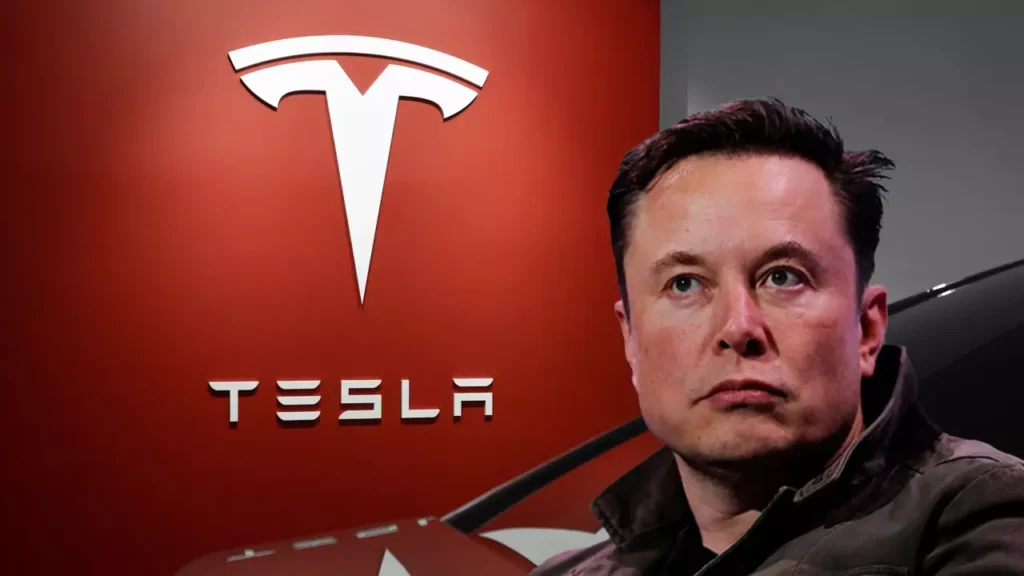
Elon Musk’s "polarizing and partisan actions" hurt Tesla sales, Yale study finds.
A groundbreaking study by Yale University researchers has revealed that the controversial political activities and public persona of Tesla CEO Elon Musk have significantly damaged the electric vehicle manufacturer’s sales, costing the company an estimated 1.2 million vehicle sales over a three-year period. The findings, published as a working paper this month by the National Bureau of Economic Research (NBER), underscore the profound impact a high-profile CEO’s actions, especially those unrelated to their core business, can have on consumer behavior and corporate performance.
The study, led by energy and environmental economist Kenneth Gillingham, who serves as the senior associate dean of academic affairs at the Yale School of the Environment, meticulously quantifies the adverse effects of Musk’s foray into politics. Gillingham, whose research primarily focuses on consumer behavior and policy within the transportation and energy sectors, and his team concluded that public controversies surrounding Musk’s leadership of the White House’s Department of Government Efficiency (DOGE) and his tumultuous acquisition of social media giant Twitter (now rebranded as X) in 2022, were direct contributors to this substantial sales decline. The researchers’ estimate suggests a loss of up to 1.2 million vehicles in sales for Tesla between mid-2022 and late 2025, a period marked by intensified political engagement from the world’s wealthiest individual.
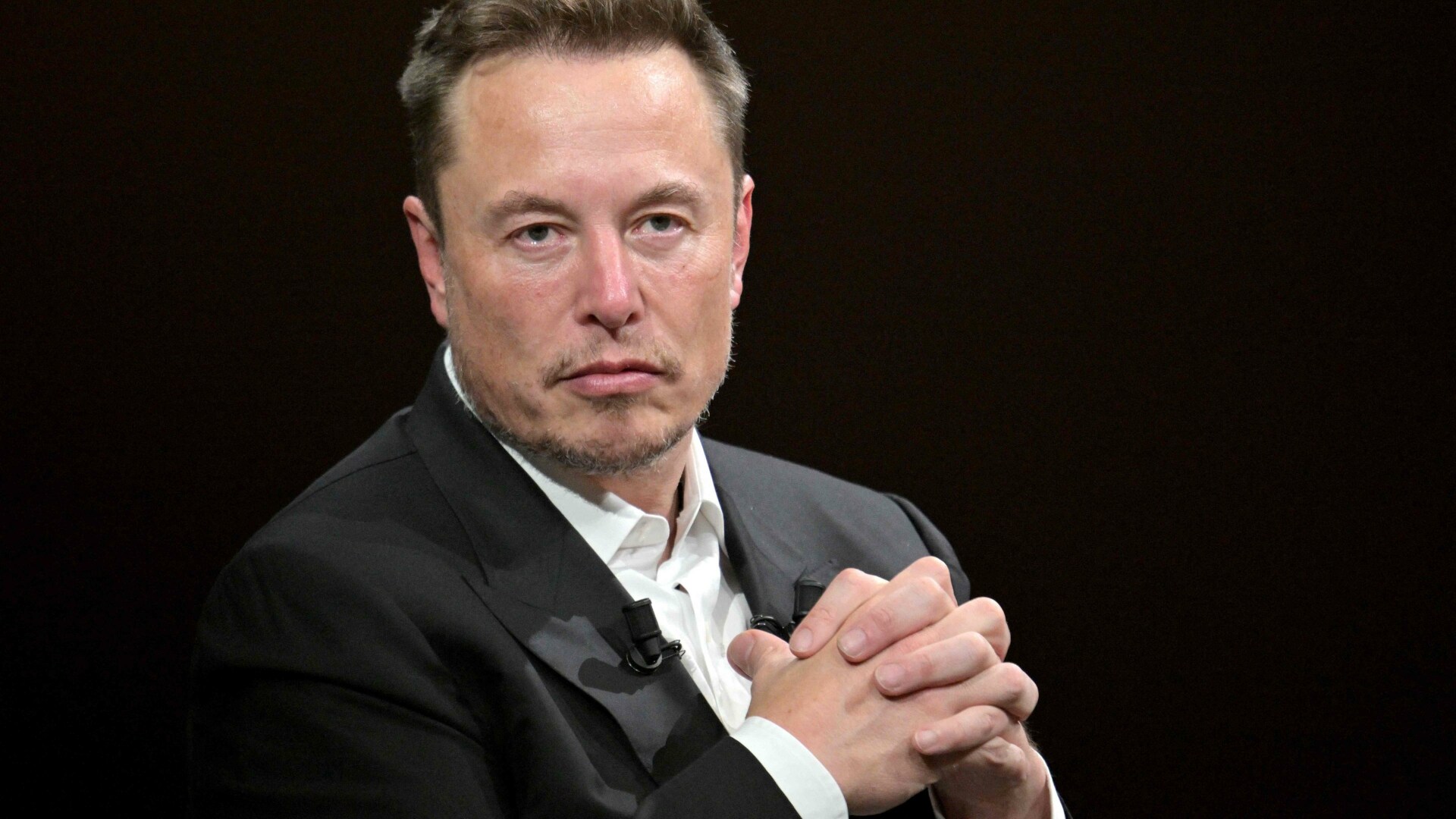
“This study highlights just how impactful a CEO’s partisan actions can be,” the Yale researchers asserted in their paper. “We show that Elon Musk, the world’s wealthiest person and CEO of the most valuable automaker by market capitalization, had a dramatic effect on Tesla sales due to his politically partisan activities unrelated to Tesla’s core business.” This statement encapsulates the core thesis: that even a figure as influential and successful as Musk is not immune to the economic repercussions of alienating a segment of his customer base through non-business-related political stances. The report delves into how a leader’s public identity can become inextricably linked with their company’s brand, making it susceptible to shifts in public opinion driven by personal conduct.
The adverse impact on Tesla’s business, according to the study, became distinctly visible starting in mid-2022, with a particularly pronounced drop in sales observed in Democratic-leaning states and counties. This geographical and political disparity in sales figures provides compelling evidence for the study’s central claim. The researchers explicitly noted, “Musk’s actions antagonized his most loyal customer base, for, as we show, Democrats are far more likely than Republicans to purchase a Tesla.” This finding suggests a significant segment of environmentally conscious and politically progressive consumers, historically drawn to Tesla’s innovative and sustainable image, began to disengage as Musk’s public political alignment shifted rightward and became more pronounced, particularly following his acquisition of Twitter and his increasing involvement with conservative political figures and ideologies.
Musk’s deep dive into the political arena, particularly his role as a prominent advisor to former President Donald Trump early in his second term, significantly raised the entrepreneur’s public profile but simultaneously alienated a crucial demographic of potential Tesla customers. His involvement with the White House’s Department of Government Efficiency (DOGE), an initiative formed by the Trump administration with the explicit aim of shrinking the federal government and drastically cutting spending, placed Musk squarely in the political spotlight. While intended to showcase efficiency and reduce bureaucracy, this role, coupled with the highly publicized and often controversial acquisition of Twitter in 2022 and its subsequent transformation into X, contributed to a perception of Musk as an increasingly partisan figure. These actions, perceived by many as deeply political and often contentious, overshadowed his pioneering work in electric vehicles and space exploration, leading some consumers to question the values represented by the Tesla brand. In a notable development earlier this year, Musk himself announced in May that he was pulling back from his leadership role at DOGE, perhaps signaling an awareness of the political headwinds his involvement had generated. Tesla did not respond to a request for comment on the paper’s findings.
Adding a layer of financial context to the Yale study’s findings, Tesla recently reported its third-quarter earnings, revealing a profit of $1.4 billion. This figure, however, represents a significant 37% decrease from the same period last year, attributed by the company to higher operating costs and tariff-related headwinds. More tellingly, Tesla’s vehicle sales saw a 1% decline in 2024, a stark contrast to the broader electric vehicle industry, which experienced a robust 7% increase in sales during the same year. This underperformance against the industry trend further corroborates the study’s assertion that factors beyond market dynamics, such as CEO actions, are impacting Tesla’s bottom line. While global EV adoption continues its upward trajectory, Tesla appears to be struggling to capitalize fully on this growth, a challenge the Yale researchers directly link to Musk’s public image and political entanglements.
Market strategists have been closely watching the interplay between Musk’s persona and Tesla’s performance. Mike O’Rourke, chief market strategist at Jonestrading, previously articulated concerns to CBS News, stating that Musk’s foray into politics and his emergence as a key advisor to President Trump had indeed raised his visibility but at the cost of alienating some potential Tesla customers, causing "reputation and brand damage." This perspective aligns closely with the Yale study’s conclusions, suggesting that the brand equity built over years of innovation can be eroded by the polarizing actions of its figurehead, especially in a market where consumer choices are increasingly influenced by ethical and political considerations. The study further emphasizes that for a company like Tesla, which has historically attracted a socially conscious demographic, the CEO’s alignment with controversial political figures or stances can be particularly detrimental.
However, the narrative surrounding Tesla and Musk is not uniformly pessimistic. Despite the recent sales dip and the Yale study’s findings, Tesla’s stock has shown remarkable resilience. After falling 27% in February—a period coinciding with Mr. Trump’s first full month in the White House—the shares have since rebounded, now up roughly 14% on the year. This recovery is largely fueled by investor optimism regarding the company’s ambitious future endeavors. Dan Ives, a prominent technology analyst at Wedbush Securities, remains bullish on Tesla’s long-term prospects. He believes investors are betting heavily on the growth of the company’s fledgling robotaxi business, its advanced autonomous driving technology, and ambitious plans to build AI-powered humanoid robots. “We estimate the AI and autonomous opportunity is worth at least $1 trillion alone for Tesla,” Ives stated in a recent report, adding a significant political dimension by suggesting he expects the Trump administration to "fast-track such initiatives," implying a potential synergy between Musk’s political ties and Tesla’s future technological advancements. This outlook suggests that while Musk’s political actions may deter some consumers, they could simultaneously open doors for regulatory and governmental support for Tesla’s more futuristic projects.
Another powerful indicator of Musk’s perceived indispensable value to Tesla’s future is the colossal pay package shareholders are currently preparing to vote on for the executive. This unprecedented compensation could be worth up to an astonishing $1 trillion over a decade, poised to become one of the richest compensation packages in corporate history. For Musk to fully earn this staggering amount, Tesla would need to achieve extraordinarily ambitious targets, including specific profitability and production milestones, and perhaps most dauntingly, reach a market capitalization of $8.5 trillion—nearly six times its current valuation—within the next ten years. This proposed package reflects the board’s conviction that Musk’s vision and leadership are not merely beneficial but absolutely essential for Tesla to achieve these monumental goals and maintain its competitive edge in a rapidly evolving technological landscape.
Robyn Denholm, chairman of Tesla’s board of directors, is a vocal advocate for approving Musk’s proposed compensation, underscoring the board’s belief in his unique leadership. In a compelling letter to shareholders, Denholm argued, “Without Elon, Tesla could lose significant value, as our company may no longer be valued for what we aim to become: a transformative force reimagining the fundamental building blocks of mobility, energy and labor.” This statement highlights the perceived symbiotic relationship between Musk’s vision and Tesla’s identity, suggesting that his leadership, despite its controversies, is seen as critical for the company’s aspirational goals of not just manufacturing cars, but fundamentally reshaping entire industries through artificial intelligence, robotics, and sustainable energy solutions.
The Yale study serves as a stark reminder of the evolving dynamics between corporate leadership, public persona, and consumer sentiment in an increasingly polarized world. While Elon Musk remains a visionary figure, undeniably pivotal to Tesla’s innovation and ambitious future, the research clearly illustrates that his highly publicized "polarizing and partisan actions" carry tangible economic consequences. The findings challenge the notion that a charismatic leader’s personal politics can be entirely divorced from their company’s commercial success, especially when that leader is as inextricably linked to the brand as Musk is to Tesla. As Tesla navigates its ambitious technological frontiers, from robotaxis to humanoid robots, the company and its board will continue to grapple with the delicate balance between leveraging Musk’s transformative genius and mitigating the potential for his personal controversies to erode its market share. The study’s conclusions underscore a critical lesson for corporate governance in the 21st century: a CEO’s public actions, however tangential they may seem to the core business, can significantly shape consumer perception and, ultimately, impact the bottom line.