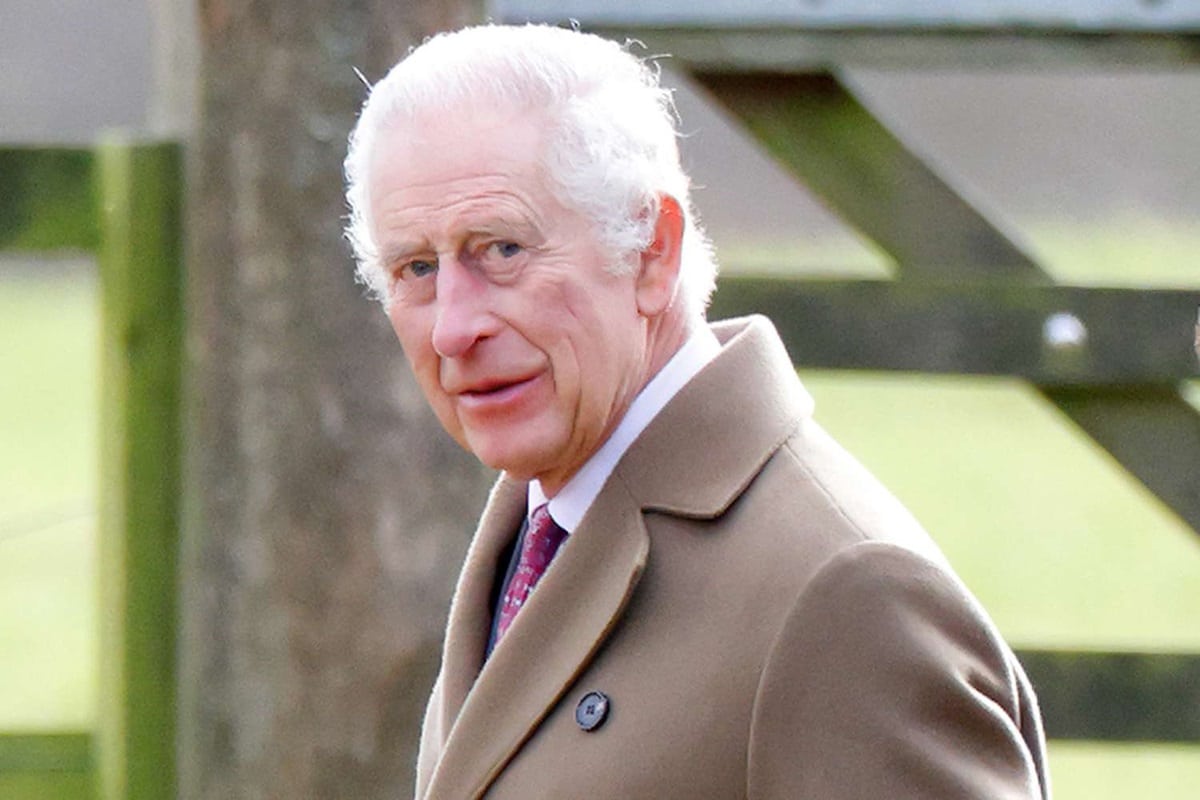
King Charles III says he’ll scale back cancer treatment thanks to early diagnosis
London, UK – King Charles III announced on Friday, December 12, 2025, that he will significantly reduce his cancer treatment regimen in the new year, attributing this positive development to an early diagnosis, effective medical intervention, and diligent adherence to his doctors’ orders. The monarch, now 77, delivered the hopeful news in a prerecorded message broadcast across British television, strategically timed as a cornerstone of a nationwide campaign urging citizens to prioritize and utilize available cancer screening services.
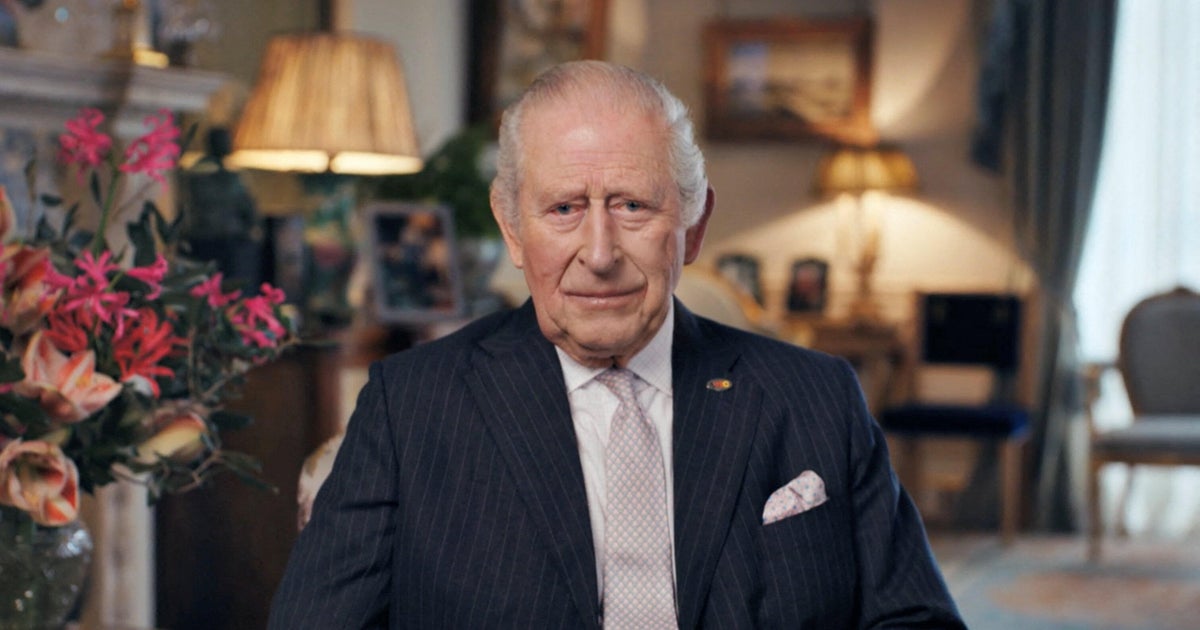
The King’s personal testimony underscored the critical importance of early detection, a message he has passionately championed since his diagnosis was first made public by Buckingham Palace last year. "Early diagnosis quite simply saves lives," His Majesty affirmed in his broadcast. "I know, too, what a difference it has made in my own case, enabling me to continue leading a full and active life even while undergoing treatment." His words carried the weight of experience, offering not just a royal endorsement but a deeply personal testament to the power of timely medical intervention.
The initial announcement of King Charles’s cancer diagnosis, made by Buckingham Palace in February 2024, marked a notable departure from the long-standing royal tradition of maintaining extreme privacy regarding personal health matters. The Palace had stated then that doctors had detected cancer after the King underwent treatment for an enlarged prostate, clarifying that the cancer was a "separate issue of concern" discovered during the prostate procedure. This transparency was lauded globally, as it aimed to demystify the disease and encourage open discussion. "His majesty has chosen to share his diagnosis to prevent speculation and in the hope it may assist public understanding for all those around the world who are affected by cancer," Buckingham Palace stated at the time, setting a new precedent for royal engagement with public health.
Indeed, the King’s decision to make his health journey public had an immediate and measurable impact. Cancer Research UK reported a striking 33% increase in visits to its website in the weeks following the King’s diagnosis. This surge indicated a public eager for information, seeking to understand the signs of cancer, available screenings, and the nuances of the disease, undoubtedly spurred by the monarch’s candid disclosure. His experience transformed a private struggle into a powerful catalyst for public awareness and action.
In his latest address, filmed in The Morning Room at Clarence House, King Charles reflected on the past 22 months since he first embarked on his treatment journey. His message was not merely a personal update but a direct plea to the nation, highlighting a deeply troubling statistic: at least 9 million people in the U.K. were not up to date with their recommended cancer screenings. "That is at least 9 million opportunities for early diagnosis being missed," he stressed, his voice conveying a sense of urgency and concern.
To illustrate the stark reality of these missed opportunities, the King provided a compelling example related to bowel cancer. He noted that when bowel cancer is detected at its earliest stage, approximately nine out of ten individuals survive for at least five years. However, he cautioned, "When diagnosed late, that falls to just one in ten." This dramatic disparity powerfully underscored the life-saving potential of proactive health checks. While royal sources quickly clarified that this specific example should not lead to assumptions about the King’s own type of cancer, it served as a potent illustration of the general principle he was advocating.
The King’s public role during his treatment period has been a delicate balance of managing his health while fulfilling his constitutional duties. Following his diagnosis, he initially suspended public-facing engagements for approximately two months to focus intensely on his treatment and recovery. However, he steadfastly continued to carry out state business, retaining his vital constitutional role as head of state, diligently reviewing red boxes of government papers and holding private audiences. This demonstrated his unwavering commitment to duty, even in the face of significant personal challenge.
By April of last year (2025), King Charles had made a triumphant return to public-facing events, a moment eagerly anticipated and warmly received by the public. One of his first engagements was a poignant visit to a cancer treatment center at University College Hospital in central London. There, he met with dedicated medical staff and, crucially, shared moments of empathy and solidarity with fellow cancer patients. It was during this visit that he famously remarked, sympathizing with a patient undergoing chemotherapy, "It’s always a bit of a shock, isn’t it, when they tell you." These moments of shared humanity further solidified his connection with the public and reinforced the message that cancer affects everyone, regardless of status.
The monarch’s journey through cancer has not only highlighted the personal battle faced by millions but has also served to modernize the perception of the British monarchy. By openly addressing his health, King Charles has showcased a more accessible and empathetic institution, capable of connecting with its subjects on deeply personal and universal issues. This transparency fosters trust and encourages a proactive approach to health within the population. His willingness to speak out has transformed what could have been a period of guarded secrecy into an impactful public health campaign, leveraging the unique platform of the crown for the greater good.
The decision to scale back treatment implies a positive prognosis, suggesting that the initial, more intensive phase of therapy has achieved its desired effect. While the specific medical details remain private, such a development often indicates that the disease is either in remission, under control, or that the treatment has transitioned to a less aggressive maintenance phase. The King’s emphasis on "effective intervention and adherence to doctors’ orders" speaks volumes about the importance of patient compliance and the expertise of his medical team. It provides a blueprint for others facing similar diagnoses: trust your doctors, follow their advice, and remain hopeful.
Beyond the immediate impact on cancer screening rates, King Charles’s advocacy has sparked broader conversations about healthcare access, research funding, and destigmatizing illness. His public journey has become a beacon of hope for many, demonstrating that a cancer diagnosis, particularly when caught early, does not necessarily mean an end to an active and fulfilling life. It underscores the ongoing global fight against cancer and the collective responsibility to support research, improve diagnostic tools, and ensure equitable access to care.
As King Charles III looks forward to a new year with a reduced treatment schedule, his message resonates with profound significance. It is a message of resilience, responsibility, and the undeniable power of early detection. His personal experience, shared so openly, continues to inspire millions to take charge of their health, turning a private challenge into a powerful catalyst for public good. The AFP contributed to this report, underscoring the international significance of this royal health update and its implications for public health worldwide.