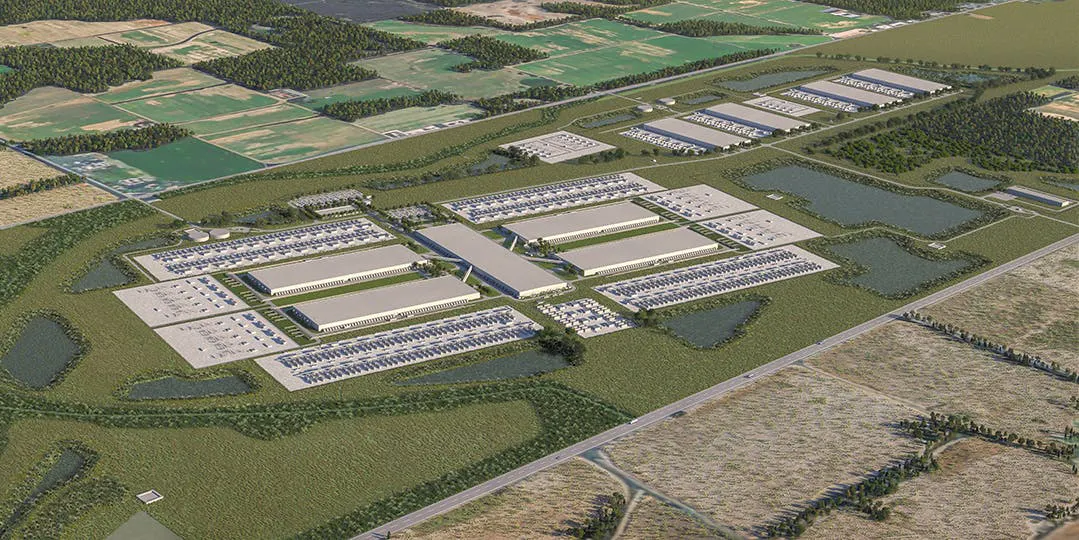
Some Louisiana residents bristle at rising energy costs and unwelcome construction for massive Meta AI data center.
In the tranquil, rural landscape of Louisiana’s Richland Parish, a colossal transformation is underway, sparking a potent mix of economic hope and palpable local frustration. What began as a promise of prosperity has quickly devolved into a daily struggle for some residents, as the construction of Meta’s largest artificial intelligence data center in the country reshapes their lives, bringing with it incessant noise, disruptive traffic, and the ominous specter of escalating utility bills. This ambitious $10 billion project, approved by Louisiana officials in August 2025, was heralded as a beacon of economic growth, yet its immense scale and voracious energy demands are now raising profound questions about who truly benefits and who bears the cost.
Lisa Hopkins, who purchased her home in Richland Parish just two years prior, now finds the peace she sought elusive. The relentless rhythm of heavy machinery and the ceaseless rumble of dump trucks have become the unwelcome soundtrack to her days. "It’s always noise, all the time," Hopkins recounted to CBS News, her voice conveying a weariness born of constant disruption. The sheer magnitude of Meta’s undertaking, a sprawling complex that will eventually cover an area equivalent to 70 football fields, was initially underestimated by many locals. "We honestly didn’t know how big of a scale it was gonna be," Hopkins admitted, describing mornings where navigating her own driveway becomes a perilous dance with construction vehicles. The once quiet country roads are now arteries for a massive industrial endeavor, fundamentally altering the fabric of daily life for those living in its immediate vicinity.
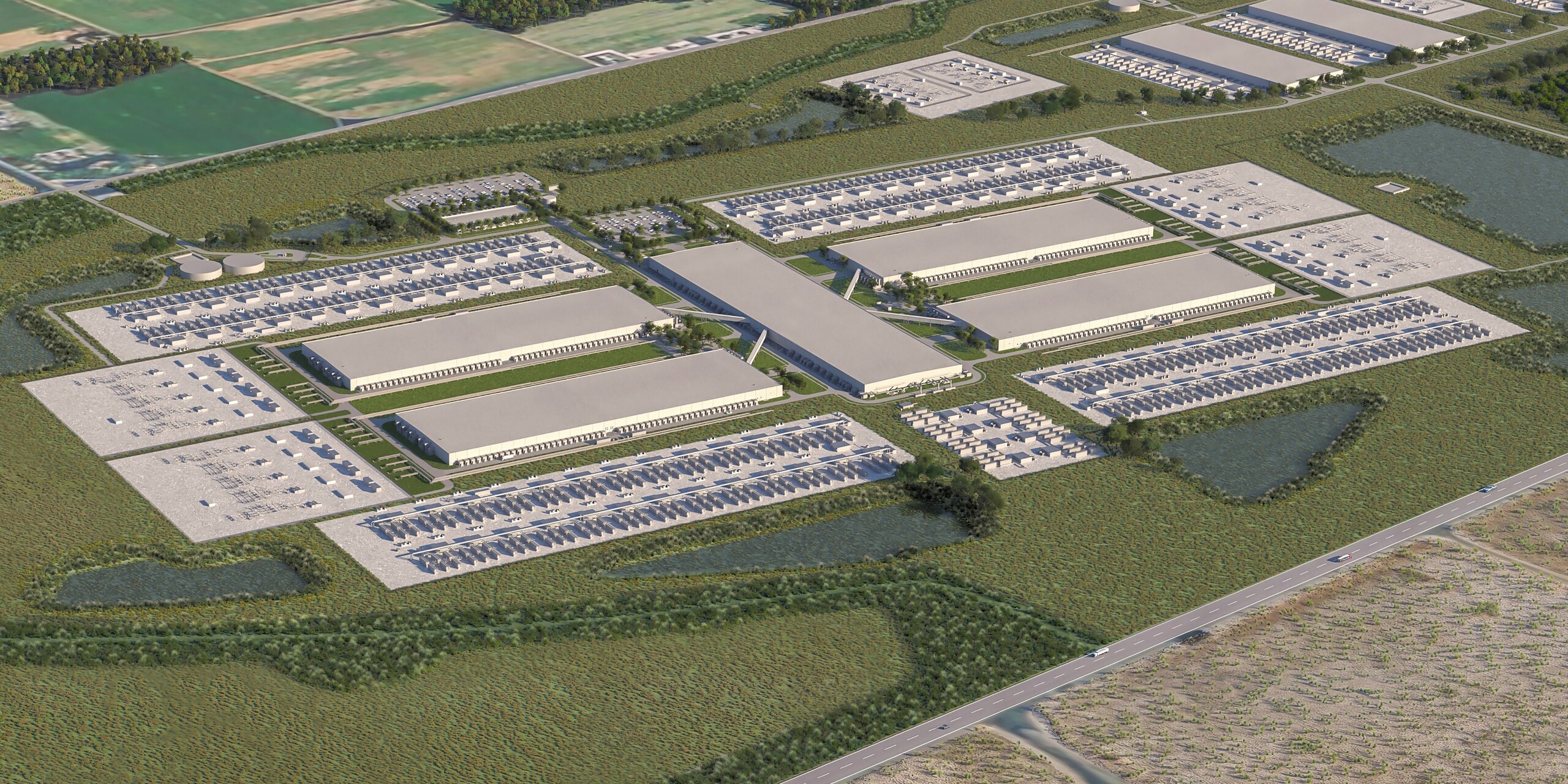
The approval of the Meta data center was framed by state officials as a pivotal moment, an infusion of "hope" into the local economy. However, this optimism is increasingly overshadowed by a grim reality: the center’s staggering power requirements are projected to significantly inflate electricity bills for consumers across the entire state. Entergy, Louisiana’s principal utility provider, has committed to funding a $550 million transmission line specifically to power the Meta facility. Energy analysts, including Paul Arbaje from the nonprofit Union of Concerned Scientists, warn that this substantial investment will inevitably be recuperated by passing the cost onto Entergy Louisiana’s 1.1 million customers. This impending financial burden is particularly acute in Richland Parish, where nearly a quarter of the population lives below the poverty line, according to the state’s utility commission – a demographic ill-equipped to absorb additional expenses.
Arbaje’s concerns extend beyond just electricity rates. He highlights that the sheer increase in energy demand stemming from the Meta data center could, in a domino effect, contribute to higher natural gas prices. "This single data center is set to span an amount of land that is about 70 football fields worth of land, and it’s going to consume roughly three times the amount of electricity that the entire city of New Orleans consumes on an annual basis," Arbaje emphasized to CBS News, underscoring the unprecedented energy footprint of the facility. For families like the Hopkins, these projections are already manifesting as tangible increases in their household budgets. Their power bills reveal that fuel costs alone have climbed by approximately $13 a month compared to the previous year, a seemingly modest sum that can nonetheless strain tight budgets.
The situation in Louisiana is not an isolated incident but rather a microcosm of a broader national trend. Across the country, a surge in new data center construction is compelling communities to confront similar challenges. The Institute of Energy Economics and Financial Analysis (IEEFA) reports that customers in at least 13 states are already experiencing higher utility bills directly attributable to the burgeoning demand from these energy-intensive facilities. Arbaje frames this as a collective struggle, stating, "We’re all kind of sharing the pain in that fight." He argues forcefully that state regulators bear a crucial responsibility "to step in and protect consumers and make sure that tech companies and utility companies are paying their fair share for this development," advocating for a more equitable distribution of the costs associated with technological advancement.
For residents like Donna Collins, who has spent her entire life in the region, the promises of economic uplift and lower bills ring hollow. She expressed profound skepticism regarding Entergy’s claims that Meta’s arrival would actually lead to a 10% reduction in customer power bills due to resilience upgrades. "I’m going to have to see it to believe it," Collins declared, her voice tinged with a lifetime of experience with local politics and corporate assurances. Her skepticism is rooted not only in the financial implications but also in a pervasive feeling of being excluded from the decision-making process. "I definitely don’t feel like I had a say, and I don’t know many people that do," she lamented, echoing a sentiment of disenfranchisement common among her neighbors. Lisa Hopkins similarly reported never receiving any official notices about public hearings concerning the project, leaving her feeling blindsided and unheard. "It’s not fair. It’s not something that we asked to be put here," Hopkins asserted, articulating the frustration of a community feeling imposed upon.
In response to these growing concerns, Meta’s head of community development in North America, Katie Comer, has sought to address the community directly. Comer affirmed that Meta is actively collaborating with Entergy to mitigate any negative impacts on customers. She highlighted Meta’s financial contributions, stating, "We have invested a million dollars into their bill pay assistance program to support low-income families." When confronted with residents’ concerns about the imposition of the data center on their neighborhood, Comer emphasized Meta’s commitment to local engagement: "We are actively on the ground every day. We want to listen and learn and meet the community where they’re at." Beyond direct financial aid, Comer also detailed Meta’s broader investment in the region, including a commitment of $200 million towards local infrastructure projects and partnerships with local school programs, aimed at fostering long-term community development. "This community as a whole is incredibly special," Comer remarked, expressing optimism for future collaborations. "We’ve been very proud of the work that we’ve been able to do together. I am extremely excited about the work that we will do in the future together."
Despite Meta’s assurances and Entergy’s optimistic projections of lower bills, the chasm between corporate narratives and local realities remains wide. The daily disruptions, the specter of higher living costs, and the lingering sense of powerlessness continue to weigh heavily on the minds of Richland Parish residents. As the construction cranes dominate the horizon and the hum of machinery becomes an ever-present feature of their lives, the promise of "hope" for economic growth feels distant, replaced instead by a profound uncertainty about their future in a rapidly changing landscape. The unfolding situation in Louisiana serves as a stark reminder of the complex interplay between technological advancement, corporate ambition, and the fundamental rights and well-being of local communities, highlighting the critical need for transparent governance and robust regulatory oversight in an era defined by insatiable digital demand.