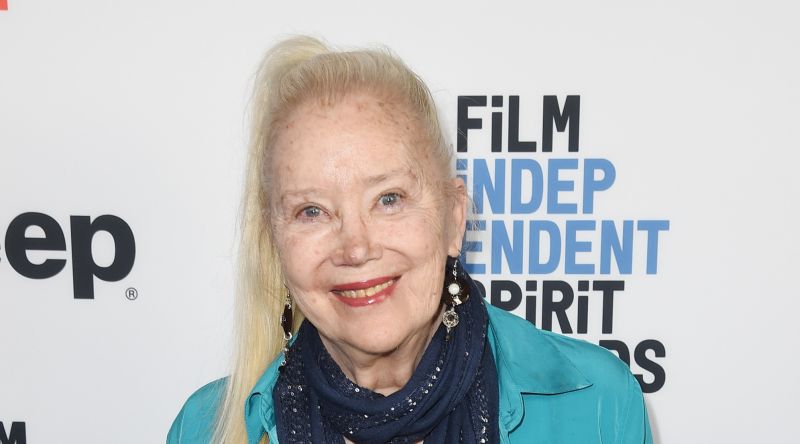
Sally Kirkland, Oscar-nominated actor known for roles in "Anna" and "The Sting," dies at age 84
Sally Kirkland, a revered figure in American cinema and theatre, whose career spanned over six decades and saw her transition from a burgeoning model to an Oscar-nominated actress, passed away at the age of 84. Her representative, Michael Greene, confirmed to The Associated Press that Kirkland died Tuesday morning at a hospice facility in Palm Springs, California. Her passing follows a period of significant health challenges, for which friends had established a GoFundMe account this fall to support her urgent medical care after she suffered multiple fractures in her neck, right wrist, and left hip, subsequently developing severe infections that necessitated extensive hospitalization and rehabilitation.
Kirkland’s legacy is defined by a fearless approach to her craft, marked by a willingness to embrace challenging and often unconventional roles that showcased her remarkable versatility and raw emotional power. While she garnered widespread recognition for her memorable turn in the 1987 film "Anna," which earned her a Golden Globe Award and an Academy Award nomination for Best Actress, and her early, impactful appearance alongside Hollywood legends Paul Newman and Robert Redford in the iconic 1973 caper "The Sting," her influence extended far beyond these marquee performances.
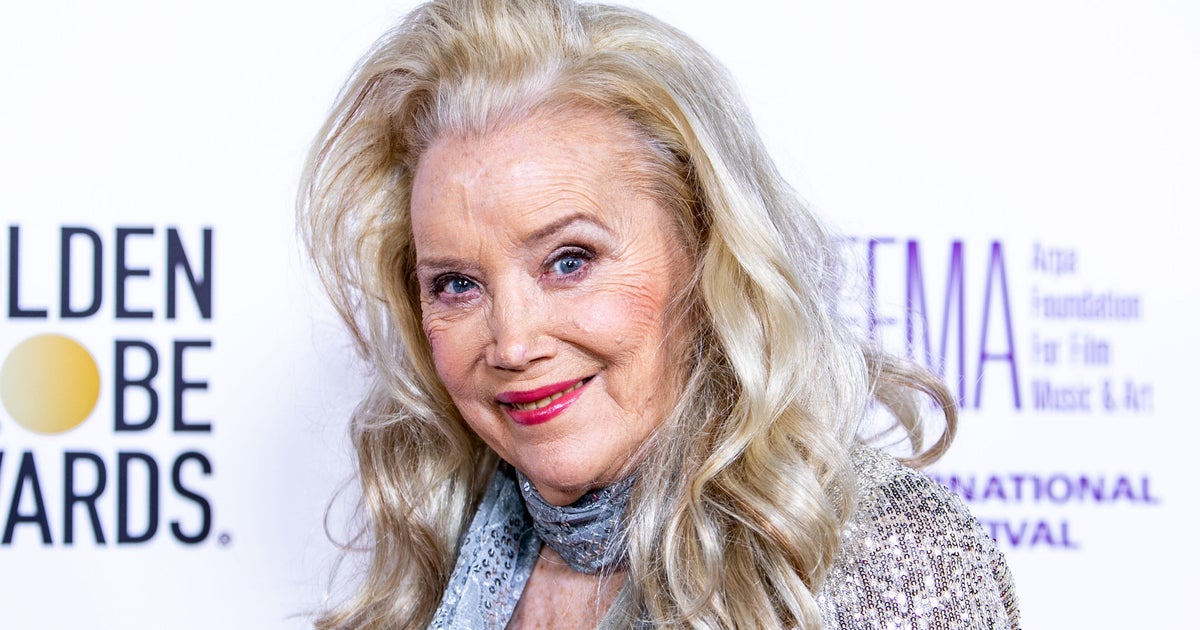
Born in New York City, Sally Kirkland was immersed in the world of glamour and creativity from an early age. Her mother, Sally Kirkland Sr., was a prominent fashion editor for both Vogue and Life magazine, a connection that inevitably drew young Sally into the modeling world at just five years old. This early exposure to the camera and the demands of performance laid a subtle groundwork for her future career. However, her true calling lay in acting, a path she pursued with unwavering dedication. She honed her skills at the prestigious American Academy of Dramatic Arts, a renowned institution that has launched the careers of countless celebrated actors. Further deepening her commitment to the craft, Kirkland studied under the tutelage of two theatrical giants: Philip Burton, the revered mentor to Richard Burton, and Lee Strasberg, the legendary proponent of Method acting. This rigorous training imbued her with a profound understanding of character development and emotional truth, which would become hallmarks of her performances.
Kirkland’s early career was characterized by a daring spirit and an embrace of the avant-garde New York theatre scene. She became a fixture in the experimental circles of the 1960s, notably appearing in Andy Warhol’s influential "13 Most Beautiful Women" in 1964, a testament to her unique presence and willingness to challenge conventional artistic boundaries. Her fearlessness was further demonstrated in her critically acclaimed performance in Terrence McNally’s off-Broadway play "Sweet Eros," where she garnered attention for her portrayal of a kidnapped rape victim, performed entirely nude. This early work solidified her reputation as an actor unafraid to confront difficult themes and push the limits of performance.
Beyond the experimental, Kirkland also had deep roots in classical theatre. She graced the stage in numerous Shakespearean productions, including the role of the lovesick Helena in "A Midsummer Night’s Dream" for the esteemed New York Shakespeare Festival producer Joseph Papp, and Miranda in an off-Broadway staging of "The Tempest." Her appreciation for the Bard’s work was profound, as she expressed in a 1991 interview with the Los Angeles Times: "I don’t think any actor can really call him or herself an actor unless he or she puts in time with Shakespeare. It shows up, it always shows up in the work, at some point, whether it’s just not being able to have breath control, or not being able to appreciate language as poetry and music, or not having the power that Shakespeare automatically instills you with when you take on one of his characters." This grounding in classical drama provided a solid foundation for her diverse roles across film and television.
While her early career showcased her dramatic prowess and unconventional choices, it was her titular role in the 1987 independent film "Anna" that brought Sally Kirkland widespread critical adoration and cemented her status as a formidable leading lady. In "Anna," Kirkland delivered a tour-de-force performance as a fading Czech movie star attempting to rebuild her life in the United States while mentoring a younger, aspiring actor, played by Paulina Porizkova. Her portrayal was lauded for its raw vulnerability, resilience, and profound emotional depth, capturing the essence of an artist grappling with identity and reinvention. The performance earned her the Golden Globe Award for Best Actress in a Motion Picture – Drama and, most significantly, an Academy Award nomination for Best Actress. That year’s Best Actress category was exceptionally strong, with Kirkland contending against an array of legendary talents: Cher for "Moonstruck," Glenn Close for "Fatal Attraction," Holly Hunter for "Broadcast News," and Meryl Streep for "Ironweed." Although the Oscar ultimately went to Cher, Kirkland’s nomination itself was a monumental achievement, signaling a powerful breakthrough after years of dedicated work. A Los Angeles Times critic encapsulated the sentiment surrounding her performance, writing in a glowing review for "Anna": "Kirkland is one of those performers whose talent has been an open secret to her fellow actors but something of a mystery to the general public. There should be no confusion about her identity after this blazing comet of a performance."
Beyond "Anna," Kirkland built an extensive filmography, lending her distinctive presence to a wide array of projects. Her role in "The Sting" as Crystal, a prostitute, though brief, was memorable, placing her alongside cinematic giants and in one of Hollywood’s most enduring classics. She shared the screen with Barbra Streisand in the beloved romantic drama "The Way We Were" and with Kevin Costner in the action-thriller "Revenge." Her film credits also include "Cold Feet" with Keith Carradine and Tom Waits, Ron Howard’s satirical comedy "EDtv," Oliver Stone’s controversial political thriller "JFK," the historical drama "Heatwave" with Cicely Tyson, "High Stakes" alongside Kathy Bates, and the blockbuster comedy "Bruce Almighty" starring Jim Carrey. She even made an uncredited but iconic cameo in Mel Brooks’ legendary Western parody "Blazing Saddles." In 1991, she starred in the television movie "The Haunted," a chilling tale about a family tormented by paranormal activity, showcasing her ability to carry a dramatic narrative on the small screen.
Kirkland’s television career was equally robust, featuring guest appearances on popular series such as "Criminal Minds," "Roseanne," and "Head Case." She also held series regular roles on the soap opera "Valley of the Dolls" and the iconic crime drama "Charlie’s Angels," demonstrating her adaptability across different genres and formats, from gritty dramas to lighthearted fare.
Throughout her career, Kirkland became known for a certain fearlessness that extended to her personal choices and public persona. Her willingness to perform nude in multiple roles and for various social causes led Time magazine to famously dub her "the latter-day Isadora Duncan of nudothespianism," a label that underscored her artistic freedom and defiant spirit, rather than mere sensationalism. While some of her experimental work drew criticism, such as her performance in the 1969 film "Futz," where she rode nude on a pig – a film a Guardian reviewer harshly called "the worst film he had ever seen" and "dismal" – Kirkland remained committed to her artistic vision, often pushing boundaries that many other actors shied away from. These bold choices, though sometimes controversial, were integral to her identity as an artist who prioritized authenticity and expression.
Beyond her work in front of the camera, Sally Kirkland was a deeply spiritual and compassionate individual, dedicated to various humanitarian causes. She was a committed member of several New Age groups, taught Insight Transformational Seminars, and was a long-time adherent of the Church of the Movement of Spiritual Inner Awareness, whose followers believe in soul transcendence. This spiritual foundation fueled her extensive volunteer work, where she dedicated her time and energy to helping others. Kirkland volunteered for individuals living with AIDS, cancer, and heart disease, tirelessly worked with the American Red Cross to feed homeless people, participated in numerous telethons to raise funds for hospices, and was a fervent advocate for inmates, particularly young people, championing their rights and seeking their rehabilitation.
Sally Kirkland’s life was a testament to enduring passion, artistic integrity, and a profound commitment to human connection. Her unique blend of classical training and avant-garde spirit, coupled with her unwavering compassion, carved out an indelible niche in the entertainment industry. She was not just an actor who delivered powerful performances; she was a distinctive presence, a free spirit, and a humanitarian whose light touched many. Her passing leaves a void in the hearts of those who admired her talent and her boundless generosity, but her legacy as a fearless, Oscar-nominated artist and a tireless advocate will continue to inspire. She leaves behind a rich tapestry of performances and a powerful example of a life lived with courage, authenticity, and an open heart.