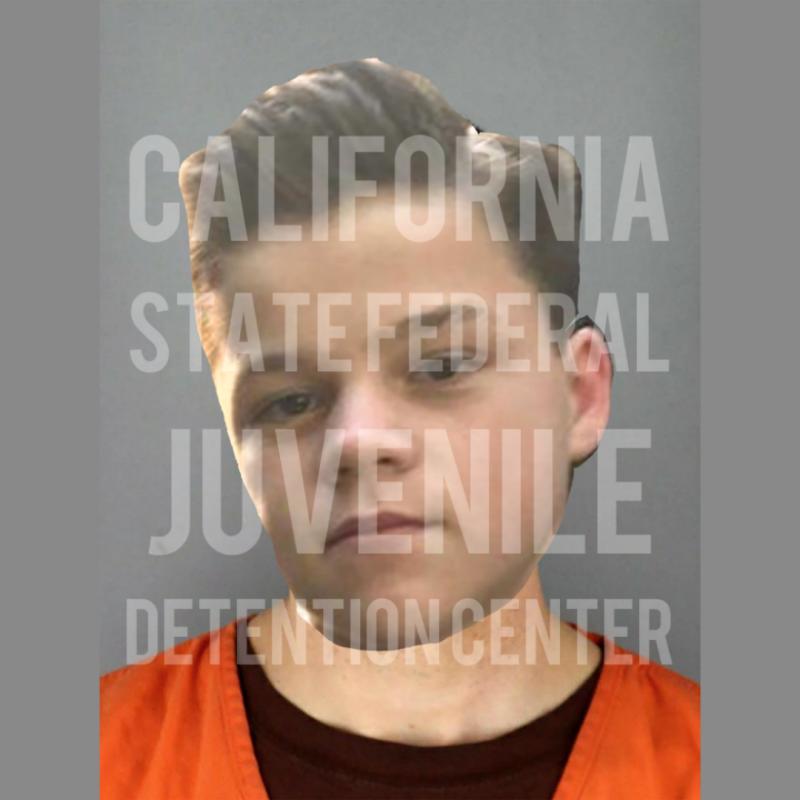
YouTuber Jack Doherty arrested for drug possession after blocking Miami Beach traffic for social media video, police say
YouTuber and prominent social media influencer Jack Doherty, aged 22, was apprehended by Miami Beach Police on Saturday morning, facing multiple charges including drug possession and resisting an officer without violence. The arrest stemmed from an incident where Doherty allegedly disrupted vehicular traffic on a busy Miami Beach street, purportedly to film content for his extensive online following. The incident has cast a spotlight on the increasing trend of social media personalities engaging in risky and disruptive behavior in public spaces in pursuit of viral content, often with little regard for public safety or legal ramifications.
Miami Beach Police Department officials confirmed Doherty’s arrest, detailing that he was taken into custody in the early hours of Saturday morning. The charges brought against him include possessing amphetamine, a Schedule II controlled substance, and marijuana, in addition to resisting an officer without violence. The department released a statement underscoring its unwavering commitment to maintaining public safety and order across the city, asserting that this commitment remains steadfast "regardless of celebrity status." They further emphasized their resolve to "continue to take proactive enforcement action against behavior that endangers residents, visitors, or officers and will hold all individuals accountable under the law." This firm stance highlights the growing frustration among law enforcement agencies with influencers who leverage public spaces for personal gain, often creating hazardous situations.
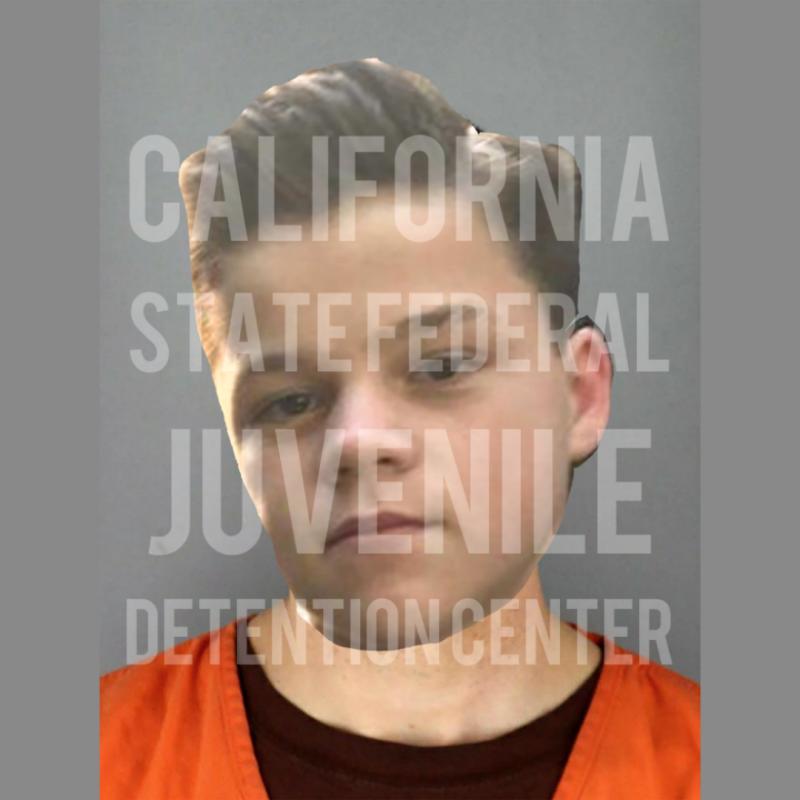
Jack Doherty has cultivated a significant online presence, primarily known for his audacious and often controversial content. According to his talent agency, Delka Talents, Doherty boasts an impressive subscriber count of over 3.2 million on YouTube and has accumulated more than 500 million views across his videos. His brand is built around "daredevil" stunts and pranks, a genre that frequently pushes boundaries and occasionally veers into areas of questionable legality or safety. His most-watched video, as reported in March 2018, garnered over 18 million views, illustrating the immense reach and potential influence he wields within the digital landscape. This incident, however, starkly demonstrates the perilous intersection where the pursuit of online virality clashes with real-world laws and public safety protocols. CBS News Miami has reportedly reached out to Doherty’s representatives for a comment regarding his arrest, though no public statement has been made yet.
The events leading to Doherty’s arrest unfolded around 3:12 a.m. on Saturday within Miami Beach’s bustling Entertainment District, specifically along the 700 block of Washington Avenue. Miami Beach Police officers were conducting a high-visibility patrol, a common measure in areas prone to late-night activity, when their attention was drawn to a group of individuals who had ventured from the east sidewalk directly into the northbound lanes of the roadway. From this group, Doherty reportedly separated himself and intentionally positioned himself in the middle of the active traffic lanes. According to the arrest documents obtained by CBS News Miami, Doherty’s actions were a deliberate attempt to "create video content" by engaging the officers, thereby creating a "significant safety hazard" amidst moving vehicular traffic.
The situation quickly escalated as Miami Beach Police officers began issuing multiple verbal commands, instructing Doherty to immediately exit the dangerous roadway. Despite these clear and repeated directives, Doherty reportedly refused to comply. Even members of his own group, witnessing the escalating tension and the imminent danger, urged him to heed the officers’ commands. However, the influencer remained defiant. Officers continued to warn Doherty that his failure to comply would result in his arrest. In a moment captured in the arrest documents that underscored his perceived prioritization of content over compliance, Doherty allegedly responded, "Once I’m done with this bet." At this point, with his persistent refusal to follow lawful orders and his continued obstruction of traffic, Miami Beach Police officers safely apprehended Doherty directly in the middle of the road. His deliberate and repeated defiance left law enforcement with no alternative but to take him into custody to ensure public and officer safety.
Following his apprehension, officers conducted a search of Doherty’s person, a standard procedure during an arrest. This search led to the discovery of illicit substances. Officers found "half of an orange oval-shaped pill with 3 imprinted on it, consistent with a Schedule II amphetamine." Schedule II substances, such as amphetamine, are classified as having a high potential for abuse and dependence, requiring strict medical oversight for legal possession. The search also yielded a "black plastic container holding three hand-rolled suspected cannabis cigarettes weighing approximately 4.0 grams combined." The discovery of these drugs added further charges to the initial counts of resisting an officer and obstructing traffic, significantly compounding the legal challenges Doherty now faces.
After the search and securing the evidence, a records check was conducted, which confirmed that Doherty had no active warrants. Subsequently, he was transported to the Miami Beach Police’s holding facility for booking procedures, which typically involve fingerprinting, taking a mugshot, and formal processing of charges. An after-hours attorney was contacted for guidance on charging specifics, a routine step to ensure due process. Doherty’s arrest serves as a stark reminder that the pursuit of online fame does not grant immunity from the law, especially when public safety is jeopardized.
This incident is not isolated but rather indicative of a broader challenge faced by urban centers, particularly popular tourist destinations like Miami Beach, where the line between permissible public performance and illegal disruption is frequently blurred by social media creators. The city has long grappled with maintaining order, especially in its vibrant entertainment districts, which attract large crowds and sometimes unruly behavior. For law enforcement, distinguishing between harmless street performance and dangerous traffic obstruction is critical, and the deliberate defiance shown by Doherty crossed a clear threshold into illegal territory.
The culture of social media influencing, driven by the relentless pursuit of virality and engagement, often incentivizes content creators to push boundaries. The pressure to produce unique, attention-grabbing content can lead individuals to undertake increasingly risky stunts, sometimes at the expense of public safety, privacy, or legal compliance. This "economy of attention" monetizes views, likes, and shares, creating a powerful incentive structure that can overshadow ethical considerations and civic responsibility. Doherty’s actions, by blocking active traffic and attempting to provoke a reaction from law enforcement for a video, exemplify the lengths to which some influencers will go to secure content that they believe will resonate with their audience and boost their online metrics.
The ethical implications of such behavior are profound. Is the potential for viral fame worth endangering motorists, pedestrians, and law enforcement officers? Critics argue that such stunts not only pose immediate physical risks but also normalize a disregard for public order and authority, potentially encouraging copycat behavior among impressionable viewers. The Miami Beach Police Department’s explicit mention of "celebrity status" in their statement directly addresses this concern, sending a clear message that no individual, regardless of their online following, is above the law. This incident forces a broader conversation about the responsibilities of content creators and the platforms that host their work, as well as the need for clearer guidelines and consequences for actions that endanger public welfare.
Doherty now faces significant legal repercussions. Possession of a Schedule II amphetamine is typically a felony charge in Florida, carrying potential penalties that could include substantial fines, lengthy probation, and even prison time, depending on the specifics and his prior record. Marijuana possession, while increasingly decriminalized in some areas, still carries legal consequences, particularly when combined with other charges. Resisting an officer without violence is generally a misdemeanor but adds to the severity of the overall case. The outcome of his court proceedings will undoubtedly be closely watched, not just by his millions of followers, but also by legal observers and those concerned with the evolving landscape of online content creation and its real-world impact. His arrest serves as a potent cautionary tale, highlighting the severe consequences that can arise when the pursuit of digital fame overshadows the fundamental principles of public safety and legal compliance.
By Hunter Geisel, Digital Producer, CBS Miami. Updated on: November 15, 2025 / 3:40 PM EST / CBS Miami