Parasocial, how you may have felt after Taylor Swift’s engagement, is Cambridge Dictionary’s word of the year.
The term "parasocial" has been chosen by Cambridge Dictionary as its 2025 Word of the Year, a selection that profoundly reflects the evolving landscape of human connection in an increasingly digital world. This decision underscores a growing awareness and widespread experience of forming one-sided, often intense, relationships with public figures, fictional characters, or even artificial intelligences. As defined by Cambridge, "parasocial" describes something "involving or relating to a connection that someone feels between themselves and a famous person they do not know, a character in a book, film, TV series, etc., or an artificial intelligence." This seemingly academic term, which has existed in psychological discourse for about 70 years, has undeniably burst into mainstream consciousness, becoming an essential descriptor for a modern phenomenon.
The lexical program manager for Cambridge Dictionary, Colin McIntosh, articulated the dictionary’s rationale for the choice, noting the dramatic surge in lookups and public discourse surrounding the term. "Millions of people are engaged in parasocial relationships; many more are simply intrigued by their rise," McIntosh stated. "The data reflects that, with the Cambridge Dictionary website seeing spikes in lookups for ‘parasocial,’ indicating a collective need to understand and label this pervasive form of connection." Indeed, if you found yourself experiencing a surge of personal emotion—joy, sadness, or even a sense of betrayal—over the life events of a celebrity you’ve never met, you are far from alone; you were likely experiencing a parasocial connection.
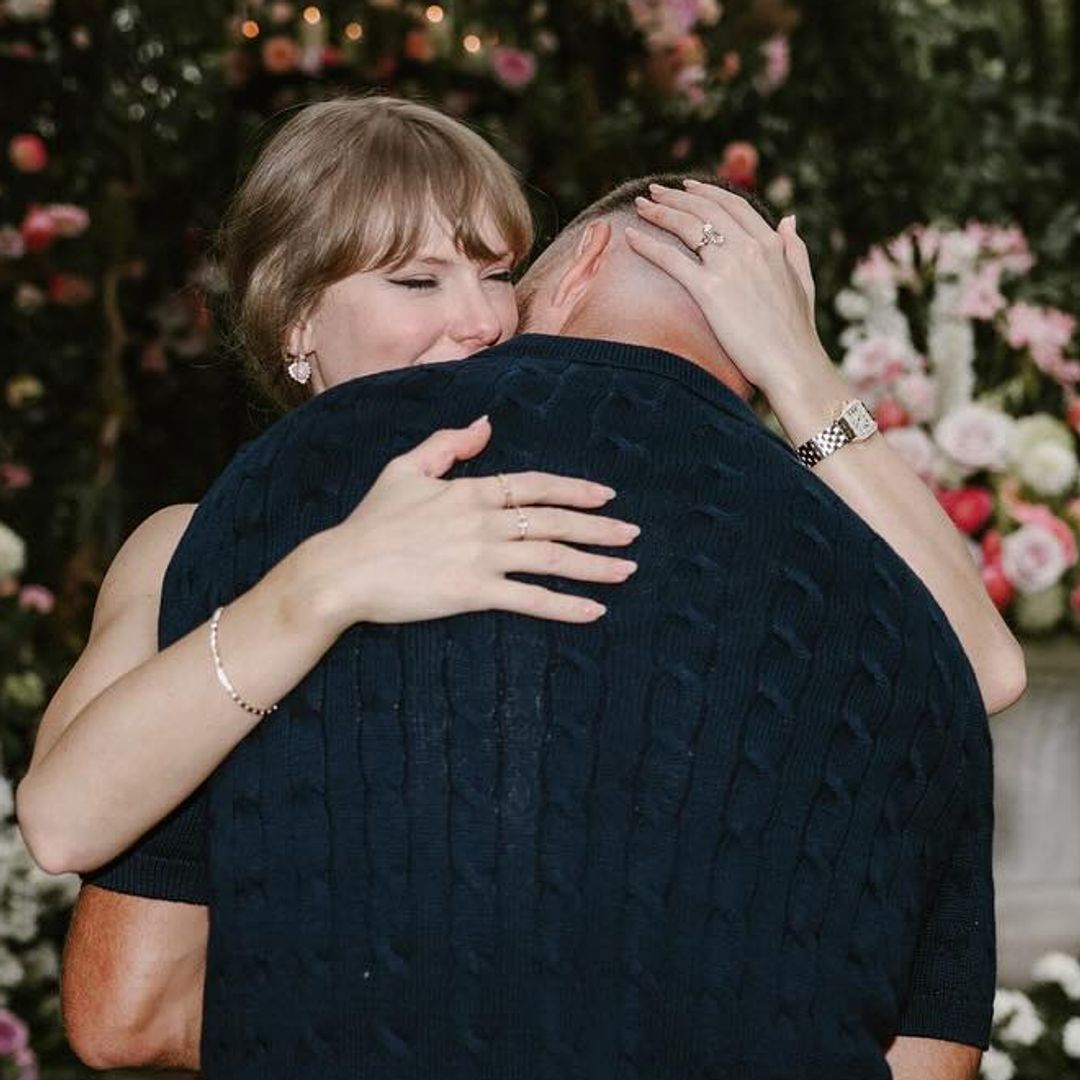
One of the most prominent and illustrative examples of this phenomenon in recent memory revolves around pop superstar Taylor Swift and NFL star Travis Kelce. When the couple announced their engagement, the news reverberated across social media and traditional news outlets, eliciting an outpouring of emotion from millions of fans globally. For many "Swifties," as her dedicated fanbase is known, Swift’s journey has been a deeply personal one, chronicled through her highly autobiographical lyrics that touch on themes of love, heartbreak, friendship, and resilience. Fans often feel as though they have grown up alongside her, witnessing her triumphs and tribulations, and celebrating her successes as if they were their own. The engagement to Kelce, a beloved figure in his own right, felt like the culmination of a long-shared narrative, a happy ending that many had emotionally invested in for years.
The collective jubilation surrounding Swift and Kelce’s engagement perfectly encapsulated the essence of a parasocial relationship. Fans celebrated with genuine enthusiasm, sharing memes, congratulatory messages, and even shedding tears of joy, despite having no personal acquaintance with either individual. Their emotional investment stemmed from years of consuming Swift’s music, following her career, and engaging with her carefully curated public persona. This feeling of intimacy, while entirely unidirectional, is incredibly powerful and demonstrates how deeply people can connect with public figures through media. The phenomenon isn’t new; people have always felt connections to movie stars or musicians. However, the advent of social media has amplified these bonds exponentially, creating an illusion of direct access and reciprocity that further blurs the lines between fan and friend. Platforms like Instagram, X (formerly Twitter), and TikTok allow celebrities to share glimpses into their daily lives, respond to comments (or appear to), and cultivate an "authentic" image, all of which deepen the perceived intimacy of parasocial relationships.
While parasocial relationships can offer a harmless source of entertainment, inspiration, and even comfort, providing a sense of community for fans, there is a darker, more complex side to this modern form of connection. Simone Schnall, a professor of experimental social psychology at the University of Cambridge, has voiced significant concerns regarding the potential pitfalls. "We’ve entered an age where many people form unhealthy and intense parasocial relationships with influencers," Schnall warned. "This leads to a sense that people ‘know’ those they form parasocial bonds with, can trust them and even to extreme forms of loyalty. Yet it’s completely one sided." This one-sided nature is precisely where the potential for harm lies. When individuals project their emotional needs and desires onto someone who cannot reciprocate, it can lead to unrealistic expectations, profound disappointment, and even a distorted sense of self.
The intensity of these bonds can become problematic when fans begin to confuse the curated public image of a celebrity with their actual personality, leading to a blurring of reality. This can manifest as an overinvestment in the celebrity’s personal life, a feeling of personal betrayal if the celebrity does something disapproved of, or even a neglect of real-world relationships in favor of an imagined one. Young people, in particular, are susceptible to these intense parasocial bonds, often looking to influencers and celebrities for guidance, validation, and a sense of belonging that can be difficult to discern from genuine support. The constant exposure to seemingly perfect lives online can also foster feelings of inadequacy or envy, creating a cycle of unhealthy comparison. The commercial aspect further complicates matters, as influencers often leverage these deep, trusting parasocial bonds to market products and lifestyles, turning emotional connection into a commodity.
Moreover, the trend of parasocial relationships is now extending beyond human celebrities and into the realm of artificial intelligence. Schnall highlighted this emerging dimension, observing, "Parasocial trends take on a new dimension as many people treat AI tools like ChatGPT as ‘friends,’ offering positive affirmations, or as a proxy for therapy. This is an illusion of a relationship and group think, and we know young people can be susceptible for this." The sophisticated conversational abilities of AI models, their capacity to remember past interactions, and their readiness to offer non-judgmental responses can create a powerful illusion of genuine connection and empathy. For individuals seeking companionship or emotional support, an AI chatbot might appear to be a convenient and accessible solution. However, mistaking these programmed interactions for authentic human connection can have profound implications for mental health and social development. It risks isolating individuals further from the messy, complex, but ultimately enriching world of real human relationships, which demand reciprocity, empathy, and shared vulnerability that AI cannot genuinely provide. The implications for the future are vast, as AI continues to evolve, creating ever more convincing simulations of interaction and potentially reshaping our understanding of what constitutes a "relationship."
Cambridge Dictionary’s selection of "parasocial" as its 2025 Word of the Year serves as a crucial cultural marker, signaling a moment when society collectively grapples with the complexities of modern connection. It highlights not just a linguistic trend but a significant shift in how we relate to the world around us, particularly in an era dominated by digital media and the proliferation of public personas. The word provides a vital vocabulary for discussing the nuances of fandom, the psychology behind celebrity worship, and the ethical considerations surrounding AI interactions. It encourages a deeper examination of the boundaries between public and private, imagined and real, and healthy engagement versus unhealthy obsession.
As we move further into the 21st century, the prevalence of parasocial relationships is only likely to grow, fueled by technological advancements and our innate human need for connection. Understanding the term "parasocial" is therefore not merely an academic exercise but a practical necessity for navigating the intricate social landscape of our time. It compels us to reflect on the nature of our relationships, both online and offline, and to critically assess the emotional investments we make. While Cambridge Dictionary’s announcement follows Dictionary.com naming "67" as its 2025 word of the year, "parasocial" arguably captures a more universally experienced and culturally significant phenomenon, inviting us all to consider the invisible threads that connect us to the world—and the figures within it—that we may never truly know.