OpenAI Hires Slack CEO as New Chief Revenue Officer
In a significant executive move that underscores the escalating competition and strategic maneuvers within the artificial intelligence sector, Denise Dresser, the current Chief Executive Officer of Slack, is set to depart from her role and join OpenAI as the company’s new Chief Revenue Officer. Multiple sources confirmed this pivotal appointment to WIRED, with Marc Benioff, the chief executive of Salesforce, which acquired Slack in 2021, having shared the news of Dresser’s departure in an internal message to staff on Monday evening. This recruitment is a clear signal of OpenAI’s intensified focus on enterprise-level monetization and its ambition to solidify its position as a dominant force in business AI solutions.
At OpenAI, Dresser will assume responsibility for managing the company’s burgeoning enterprise unit, a segment that has experienced remarkable growth throughout the current year. Her mandate will be to accelerate revenue generation, forge critical partnerships, and expand the reach of OpenAI’s advanced AI tools into businesses across diverse industries. Dresser will report directly to Brad Lightcap, OpenAI’s Chief Operating Officer, and is slated to commence her new duties next week, indicating the urgency and strategic importance of her role within the organization. Her arrival comes at a crucial juncture as OpenAI navigates the transition from groundbreaking research to sustainable commercial success, particularly within the lucrative enterprise market.
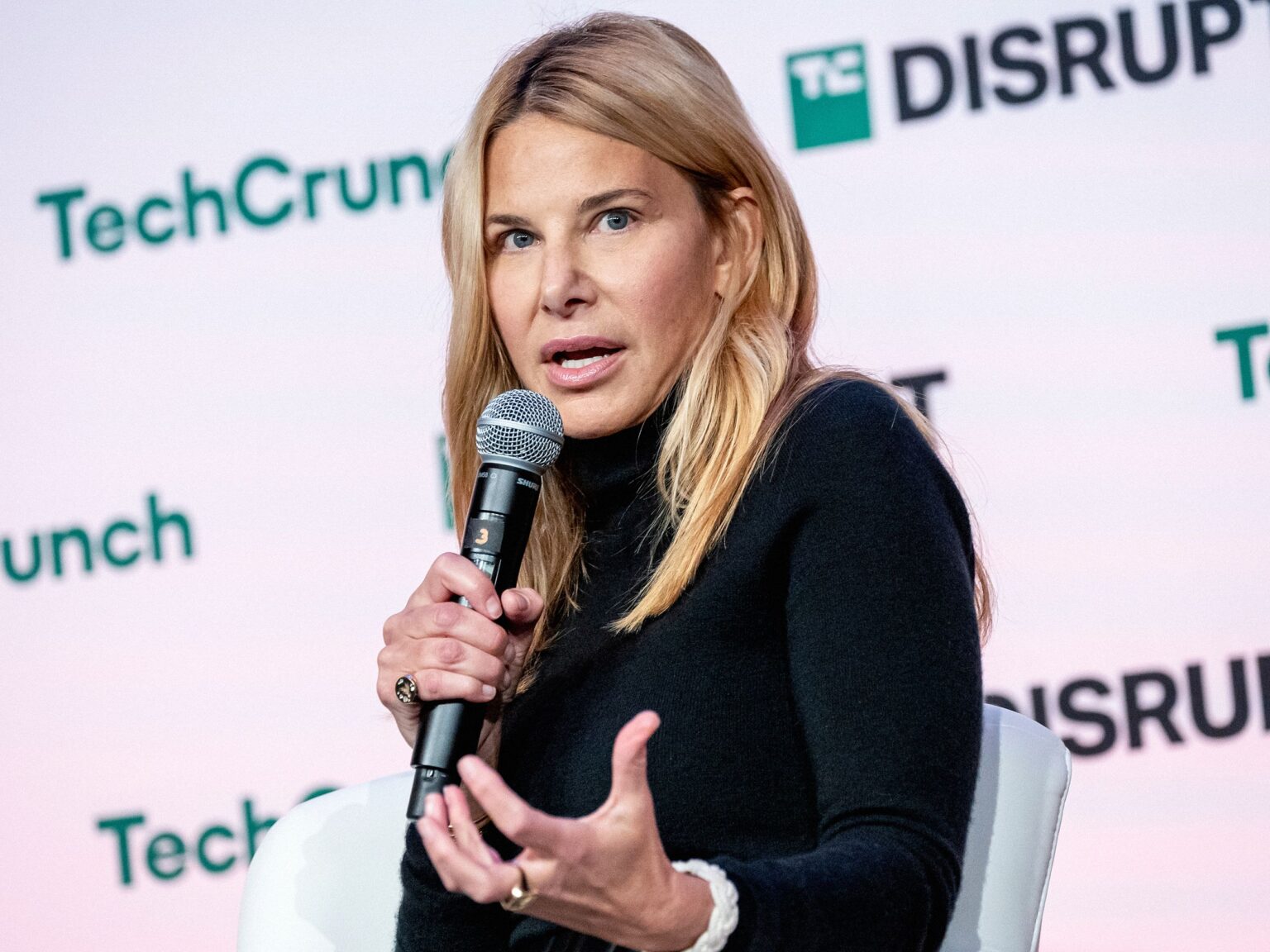
The strategic rationale behind Dresser’s appointment was articulated by Fidji Simo, OpenAI’s CEO of Applications, in a statement provided to WIRED. Simo emphasized the company’s ambitious trajectory: “We’re on a path to put AI tools into the hands of millions of workers, across every industry.” She further highlighted Dresser’s unique qualifications for this monumental task, stating, “Denise has led that kind of shift before, and her experience will help us make AI useful, reliable, and accessible for businesses everywhere.” This statement underscores OpenAI’s commitment not only to innovation but also to the practical application and widespread adoption of AI technologies, a domain where Dresser’s extensive background in enterprise sales and market penetration will be invaluable. Her proven ability to scale technology solutions within complex organizational structures is expected to be a significant asset as OpenAI aims to embed its AI capabilities deep into the operational fabric of global businesses.
Dresser’s career trajectory at Salesforce spans an impressive 14 years, a tenure detailed in Benioff’s internal communication. Prior to her elevation to CEO of Slack in 2023, she held a variety of pivotal executive roles within Salesforce’s formidable enterprise sales unit. This deep immersion in enterprise sales, working with large corporations and complex deal cycles, has equipped her with an intimate understanding of the needs and challenges faced by major businesses. Her experience in driving substantial revenue growth and managing high-value client relationships at Salesforce, a company renowned for its enterprise cloud solutions, makes her a particularly suitable candidate for leading OpenAI’s commercial expansion. She ascended to the Slack CEO position following the departure of her predecessor, Lidiane Jones, who took on the chief executive role at Bumble, after serving as Slack’s CEO for approximately a year. Dresser’s relatively swift promotion to lead Slack underscores her recognized leadership capabilities and strategic acumen within the Salesforce ecosystem.
The history of Slack itself provides crucial context for Dresser’s most recent leadership role and her transition. The company, initially founded in 2009, rapidly evolved into a leading application for workplace chat and collaboration tools by 2014, fundamentally altering how teams communicate and work together. Its innovative platform and user-friendly interface garnered a loyal following, establishing it as a formidable player in the burgeoning enterprise software market. This meteoric rise culminated in its acquisition by Salesforce in 2021 for a staggering sum of nearly $28 billion. The acquisition was a strategic move by Salesforce to bolster its position in the enterprise collaboration space, integrate Slack’s communication capabilities with its dominant CRM platform, and effectively counter the growing threat posed by Microsoft Teams.
However, the integration of Slack into the Salesforce behemoth was not without its complexities. A significant portion of Slack’s founding staff, including co-founders Stewart Butterfield and Cal Henderson, gradually departed within a few years of the acquisition, a common phenomenon when nimble startups are absorbed by large corporate entities. Over time, some of Slack’s distinct operations and cultural elements were absorbed into the broader Salesforce structure. Reports of "culture clashes" between the employees of the once-small, agile startup and the more established enterprise giant emerged, highlighting the challenges inherent in merging distinct organizational philosophies and operational styles. Navigating this post-acquisition environment, maintaining Slack’s identity while integrating it into a larger ecosystem, was a key aspect of Dresser’s leadership, providing her with invaluable experience in managing complex organizational dynamics and market shifts.
In the immediate aftermath of Dresser’s departure, Rob Seaman, Slack’s current chief product officer, will step in as interim CEO of Slack. This move, confirmed by two sources with direct knowledge of the executive changes, ensures continuity for Slack while Salesforce initiates a search for a permanent successor. At the time of publication, representatives for Slack had not yet responded to WIRED’s requests for comment regarding these significant leadership transitions, leaving further details about Slack’s long-term leadership strategy to be unveiled.
During her tenure as Slack’s CEO, Dresser played a pivotal role in overseeing the rollout of several large-scale artificial intelligence features, demonstrating her forward-thinking approach to product development and market relevance. These initiatives included the introduction of AI-generated meeting summaries, a highly anticipated feature designed to enhance productivity and information retention, and a deeper integration with Salesforce’s proprietary AI agents, aimed at streamlining workflows and improving decision-making within the CRM platform. These advancements positioned Slack at the forefront of AI-powered collaboration tools, allowing it to compete more effectively with rivals like Microsoft Teams, which has also heavily invested in AI capabilities. Her leadership in this area showcases her understanding of how AI can be leveraged to create tangible business value and improve user experience, a skill set that directly aligns with OpenAI’s strategic objectives.
Beyond her corporate achievements, Dresser has also occasionally engaged in public discourse on social media, particularly on X (formerly Twitter), where she expressed views that drew attention. Earlier this year, in a period when Elon Musk assumed a prominent role in discussions surrounding US government technology policies, Dresser publicly showed support for certain ideas. She notably agreed with the sentiment that federal employees should be required to submit bullet-pointed emails detailing their accomplishments, suggesting an emphasis on clear, concise communication and accountability. Furthermore, she sent a "thumbs up" emoji in response to a post concerning former President Donald Trump signing an executive order mandating federal agencies to collaborate with Musk’s DOGE, a reference that can be interpreted in various ways but suggests an openness to unconventional collaborations or policies. These public stances, while potentially reflecting personal viewpoints or strategic alignments, add a layer of public profile to her professional persona, a factor that could be considered as she steps into the highly scrutinized world of OpenAI, a company constantly under the microscope for its ethical AI development and governance.
The contributions of Paresh Dave and Maxwell Zeff to the original report are acknowledged. An update on December 9, 2025, at 2 PM EDT, corrected how long Dresser was employed by Slack and Salesforce, ensuring accuracy in reporting her extensive career history.
Denise Dresser’s move to OpenAI signals a critical phase for the AI giant as it pivots more aggressively towards enterprise solutions and robust revenue generation. Her deep expertise in enterprise sales, cultivated over more than a decade at Salesforce and refined during her leadership at Slack, positions her perfectly to spearhead OpenAI’s commercial ambitions. In a rapidly evolving and intensely competitive AI landscape, where companies like Google, Microsoft, Meta, and Anthropic are all vying for market share, OpenAI’s ability to effectively monetize its groundbreaking research and scale its enterprise offerings will be paramount to its long-term success. Dresser’s role will be instrumental in navigating the complexities of enterprise adoption, building a powerful sales engine, and ensuring that OpenAI’s innovative AI tools become indispensable assets for businesses worldwide, transforming the way they operate and compete in the digital age.