Should You Cold Plunge Before or After a Workout? (2025)
The practice of immersing oneself in frigid water, commonly known as cold plunging or ice bathing, has surged in popularity, transcending its niche origins in sports recovery to become a mainstream wellness trend by 2025. What once seemed like an extreme measure is now embraced by athletes, celebrities, and everyday individuals seeking myriad physical and mental benefits. However, beneath the icy allure lies a complex science, and the timing of your cold plunge relative to your workout can profoundly impact its efficacy and your overall results. Simply stripping down and braving the cold isn’t enough; understanding the optimal approach, as guided by experts, is crucial for unlocking its full potential.
As the wellness landscape continues to evolve, with new products and protocols emerging rapidly, discerning the best practices for cold plunging becomes increasingly vital. Whether you’ve invested in one of the sophisticated, temperature-controlled cold plunge pools now widely available, or you’re making do with an ice bath at your local gym, the timing of your dip can be the difference between enhanced recovery and inadvertently hindering your fitness goals. This article delves into what experts suggest to maximize the benefits of your cold-plunge practice in the year 2025.
Why Cold Plunge? The Science Behind the Chill
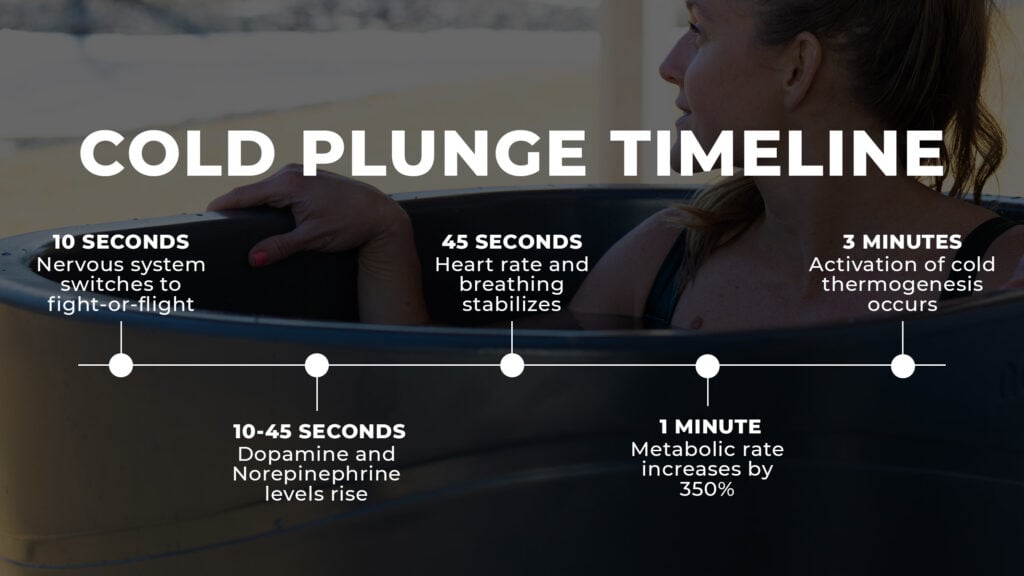
The idea of voluntarily subjecting your body to ice-cold water might seem counterintuitive, especially on a dreary winter morning. Yet, when performed responsibly—typically involving immersion in water between 10 to 15 degrees Celsius (50–60 Fahrenheit) for one to five minutes—the benefits, particularly when timed after a workout, are well-documented.
"Cold plunging can be done in a dedicated plunge pool, an ice bath, or even a cold, natural body of water," explains Dr. Mohammed Enayat, a general practitioner and founder of the longevity clinic HUM2N. "While some people try it purely for the invigorating feeling, there is now solid scientific evidence that cold-plunging offers a number of health benefits. Studies have shown that cold immersion can reduce muscle soreness, support recovery post-exercise, stimulate circulation, and boost your mood by triggering the release of endorphins and norepinephrine."
Let’s break down these benefits further:
- Reduced Muscle Soreness and Enhanced Recovery: The primary draw for many athletes, cold water immersion helps constrict blood vessels, reducing inflammation and the accumulation of metabolic waste products in muscles. Upon exiting the cold, blood flow returns, flushing these byproducts away and delivering oxygen and nutrients crucial for repair. This rapid vasoconstriction and vasodilation cycle is believed to significantly diminish Delayed Onset Muscle Soreness (DOMS).
- Stimulated Circulation: The body’s response to cold involves increasing blood flow to vital organs to maintain core temperature. This "vascular workout" can strengthen the cardiovascular system over time, improving overall circulation and potentially enhancing nutrient delivery throughout the body.
- Mood Boost via Neurotransmitter Release: The shock of cold water triggers a powerful physiological response, including a surge in endorphins (the body’s natural pain relievers and mood elevators) and norepinephrine. Norepinephrine, a stress hormone and neurotransmitter, plays a role in alertness, focus, and mood regulation. This explains the often-reported feeling of euphoria and mental clarity post-plunge.
- Metabolic Benefits (Brown Fat Activation): Dr. Enayat also notes that cold plunging may facilitate the conversion of white fat into beige or brown fat. Brown adipose tissue (BAT) is often referred to as "good fat" because it burns calories to generate heat, a process known as thermogenesis. Regular cold exposure can increase the amount and activity of brown fat, potentially contributing to improved metabolic health and weight management over time.
While these profound mind and body health benefits are undeniably enticing, the timing of your cold plunge is not a trivial matter. It can significantly affect how successfully you train and adapt. Crucially, it’s vital to acknowledge that cold plunging isn’t universally suitable. Individuals with pre-existing heart conditions, circulation issues (such as Raynaud’s disease), or uncontrolled hypertension should exercise extreme caution. The sudden stress on the heart and nervous system can be dangerous. Always consult your doctor before incorporating cold plunging into your routine if you have any health concerns or are unsure of its suitability for you.
Where to Cold Plunge: Accessibility in 2025
The beauty of cold water therapy in 2025 is its increasing accessibility and variety of options. You don’t necessarily need to be a professional athlete or possess an expensive gym membership to integrate it into your life. Many can now enjoy the benefits from the comfort and privacy of their own homes.
The market for dedicated cold plunge pools has exploded. Brands like CalmMax, Hydragun, and Sun Home Saunas offer a wide range of options, from easy-to-inflate pop-up tubs starting around $50 to more sophisticated, integrated units. These home-based solutions vary:
- Basic Portable Tubs: Affordable and convenient, these often require manual ice addition to reach desired temperatures. They are excellent for beginners or those with limited space.
- Advanced Plunge Pools: For a premium, you can find designs with dedicated chillers and filtration systems that maintain precise temperatures, eliminating the need for ice and ensuring hygienic water. These represent a significant investment but offer unparalleled convenience and consistency.
Beyond dedicated tubs, your existing indoor bathtub can serve as a simple, cost-effective ice bath. Just fill it with cold tap water and add several bags of ice to achieve the desired temperature range.
For those hesitant to fully immerse themselves, or seeking a gradual introduction, the modern bathroom industry is catching up. Shower companies like Mira have launched innovative digital showers, such as the Mira Activate with ColdBoost, which feature guided cold water modes. These systems incrementally lower the water temperature over a timed period, helping users acclimatize to cold water therapy in a controlled and comfortable way. It’s highly probable that by 2025, such "cold therapy" modes will become a standard offering in many high-end shower designs.
Public options also abound. Many modern gyms and wellness centers now include dedicated ice baths or cryotherapy chambers. Natural bodies of water like lakes, rivers, or the ocean, especially during colder months, offer an invigorating and often spiritual cold plunging experience, though safety (water quality, currents, entry/exit points) must always be paramount.
Should You End on Hot or Cold? The Nuance of Contrast Therapy
Contrast therapy, the practice of alternating between hot and cold exposures, has gained significant traction in fitness and wellness circles. It involves moving between elements like saunas, hot tubs, and then an ice bath or cryotherapy chamber, leveraging the rapid physiological shifts to elicit various physical and mental benefits. While deeply rooted in sports and physical therapy for decades, dedicated wellness centers in 2025 are now offering structured contrast therapy routines, often integrating breathwork, mindfulness, and even red light therapy sessions for a holistic experience.
But for those practicing at home or in a gym, the question remains: should you end on hot or cold? And do the benefits diminish if you immediately transition from a cold plunge to a hot tub?
Gary Brecka, founder of The Ultimate Human, offers clear guidance on this. "The rapid change in hot and cold in contrast therapy stresses the cardiovascular system in a positive way and can improve circulation, recovery, and mental resilience," he states. "But I always recommend ending on cold, as cold keeps your core temperature lower and prolongs the metabolic and hormonal effects. Going back to hot right after cancels some of that benefit."
Ending with cold ensures that the vasoconstriction initiated by the cold exposure is sustained, helping to reduce inflammation and muscle swelling more effectively. It also prolongs the activation of the sympathetic nervous system and the release of beneficial neurotransmitters like norepinephrine, which contribute to the mood-boosting and alertness effects. If you immediately jump back into heat, you counteract these prolonged cold-induced physiological responses, potentially diminishing the overall therapeutic impact. The goal is to allow the body to gradually rewarm naturally after the cold exposure to maximize these benefits.
When to Cold Plunge: Before or After a Workout?
This is the core question, and the answer, according to experts, is nuanced, depending heavily on your workout type and ultimate fitness goals. The general consensus among fitness professionals in 2025 is that cold plunging is most beneficial after specific types of workouts, or as a standalone practice first thing in the morning, but generally not before intense exercise.
1. After Cardio or Endurance Workouts:
This is where cold plunging shines. If your workout consisted of cardiovascular exercise, such as running, cycling, swimming, or high-intensity interval training (HIIT), cold plunging immediately afterward is highly recommended.
"Post-cardio plunging can help reduce soreness and support recovery," explains Brecka. Harrison Stevens, a performance specialist at Third Space gym, echoes this: "If the workout was endurance-based, then there’s no reason not to cold-plunge immediately, as it will improve recovery and your ability to go again tomorrow. After a cardio session, cold-plunging is the number one thing I want to do, as cold exposure also can spike dopamine, and it always feels great after a workout."
The rationale here is straightforward: endurance workouts cause significant muscle damage and inflammation. Cold water helps mitigate this by reducing swelling, flushing out metabolic byproducts (like lactic acid), and accelerating the repair process. The dopamine spike post-plunge also serves as a rewarding psychological reset after a grueling endurance session.
2. After Strength Training (with a caveat):
This is where timing becomes critical. For those focused on muscle growth (hypertrophy) or strength gains, cold plunging immediately after resistance training may be counterproductive.
Brecka elaborates, "Doing it after lifting or before a workout may actually hinder muscle growth. That’s because cold exposure can blunt the beneficial inflammation that triggers muscle adaptation and growth."
When you lift weights, you create microscopic tears in muscle fibers, triggering an inflammatory response. This inflammation, while causing temporary soreness, is a crucial signal for the body to repair and rebuild stronger muscles. Cold plunging immediately post-strength training can suppress this acute inflammatory response, potentially interfering with the signaling pathways necessary for muscle protein synthesis and long-term adaptation.
Stevens advises, "If the main goal is muscle growth or tendon rehab post-workout, leaving some time before cold-plunging will allow the exercise-induced inflammation to settle." He suggests waiting at least six hours after a strength training session before cold plunging. This allows the initial inflammatory and repair processes to kickstart naturally, enabling you to still reap the recovery benefits of cold water later without compromising your gains.
3. Before a Workout (Generally Not Recommended):
The experts are clear: avoid cold plunging right before your workout, especially if it’s strength-based or requires peak performance.
"Cold exposure before a workout can also reduce muscle temperature and blunt the body’s natural signals for strength and growth," Brecka states.
Plunging into cold water pre-workout can cause vasoconstriction, reducing blood flow to the muscles. This can lower muscle temperature, decrease nerve conduction velocity, and make muscles less pliable and responsive. The result can be a reduction in power output, slower reaction times, and an increased risk of injury, essentially "dulling" your muscles and preparing them for rest rather than intense activity.
4. Standalone Morning Plunge:
For those seeking general wellness, mental clarity, and an energy boost, a cold plunge first thing in the morning, independent of a workout, is highly beneficial. This practice can kickstart your metabolism, elevate mood through neurotransmitter release, and enhance alertness without interfering with specific training adaptations. It’s an excellent way to harness the physiological and psychological benefits of cold exposure as a daily ritual.
Conclusion
In 2025, cold plunging has cemented its place as a powerful tool in the pursuit of optimal health and performance. However, its effectiveness is not just about enduring the chill; it’s about intelligent application. For robust recovery after cardio or endurance workouts, an immediate post-exercise plunge is highly beneficial. If your goal is muscle growth and strength from resistance training, it’s best to delay your cold plunge by several hours to allow the crucial inflammatory response to initiate. And generally, avoid cold plunging directly before any workout, as it can hinder performance.
Always prioritize safety, consult with a healthcare professional if you have any underlying health conditions, and listen to your body. By understanding the nuanced timing and physiological impact, you can truly leverage cold plunging to enhance your fitness journey and overall well-being.