Trump administration sending 500 more National Guard troops to D.C. after shooting, Hegseth says.
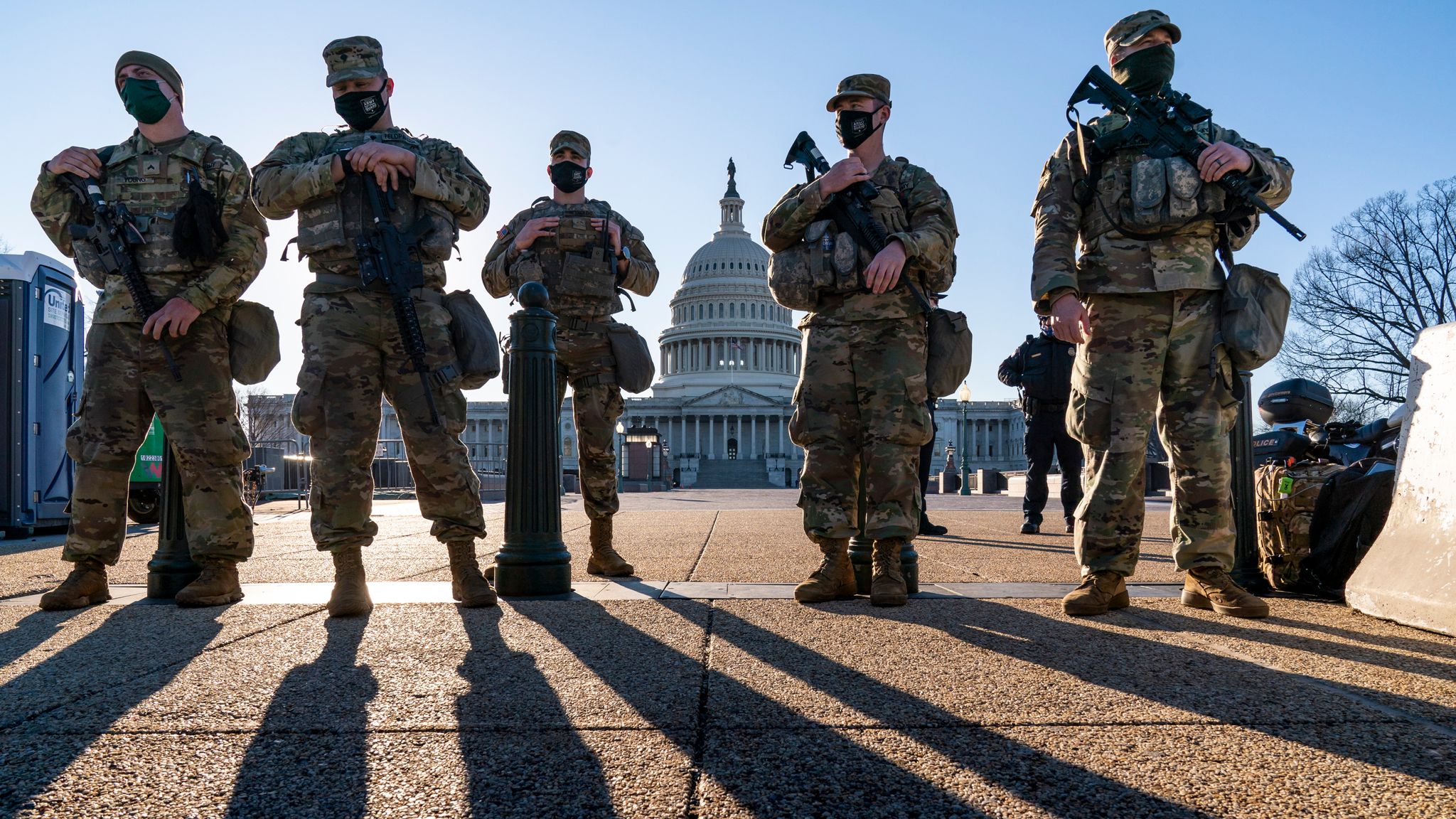
Washington, D.C. found itself under an intensified federal security posture this week, as the Trump administration announced plans to deploy an additional 500 members of the National Guard to the nation’s capital. The directive, issued by President Trump himself, came mere hours after a shocking incident on Wednesday, November 26, 2025, in which two service members were shot just a few blocks from the symbolic heart of American power, the White House. Defense Secretary Pete Hegseth, in a statement to reporters, confirmed the President’s order, signaling a swift and determined federal response to what the administration perceives as a growing security challenge in the District.
The announcement by Secretary Hegseth underscores a significant escalation in the federal government’s involvement in maintaining law and order within Washington, D.C. The shooting incident itself cast a pall over the city, particularly given its proximity to critical government buildings and the fact that the victims were members of the National Guard, deployed to protect the very community they serve. While details surrounding the attack remained under active investigation, FBI Director Kash Patel later confirmed at a briefing that the two Guard members, identified as belonging to the West Virginia National Guard, were in critical condition, fighting for their lives. Local police, working in conjunction with federal agencies, swiftly apprehended a suspect, who was also reportedly hospitalized, indicating a potentially violent confrontation.
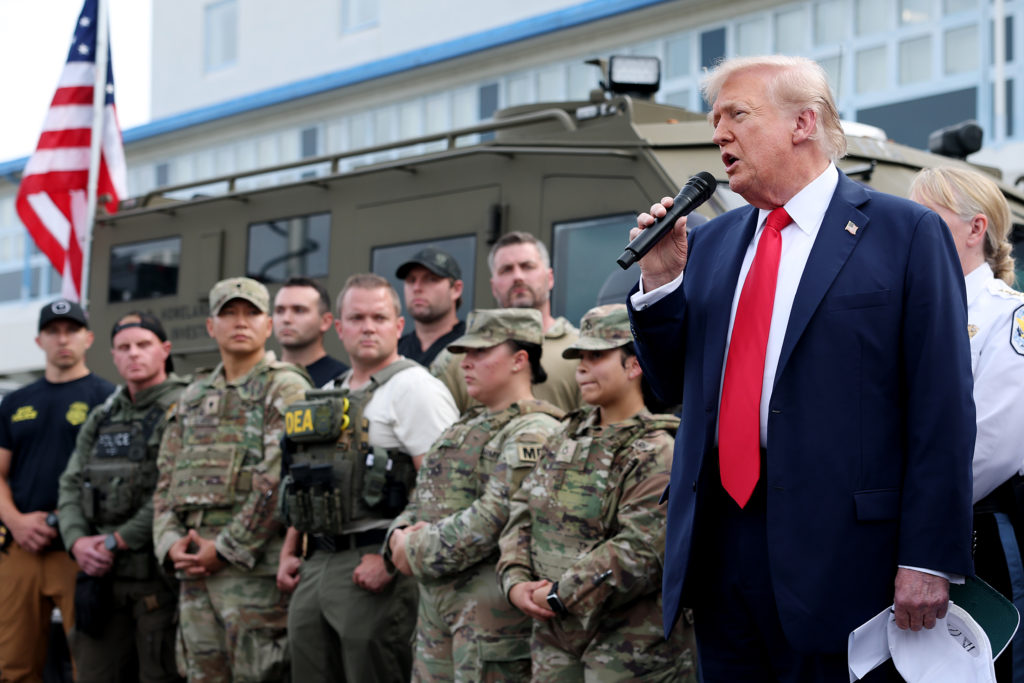
This latest deployment will augment an already substantial military presence in Washington, D.C. As of Sunday morning prior to the shooting, approximately 2,200 troops were already on the ground. This force was comprised of roughly 900 members from the D.C. National Guard, complemented by over 1,200 members drawn from various states’ Guard forces, all operating under the umbrella of the military’s Joint Task Force – District of Columbia. The additional 500 troops, once deployed, will bring the total National Guard presence to an unprecedented level for a domestic anti-crime mission in the capital. The exact timeline for the arrival of these reinforcements, and whether they will be drawn from the D.C. National Guard or from other states, remains unspecified, adding a layer of logistical complexity to an already high-stakes situation.
The genesis of this heightened military presence dates back to August, when the Trump administration initiated an "anti-crime mission" for the District of Columbia. This mission, which has seen the deployment of not only National Guard forces but also federal law enforcement officers working alongside local police, was framed by the administration as a necessary measure to combat what it described as a surge in criminal activity within the capital. The administration has consistently emphasized a "law and order" platform, and its intervention in D.C.’s municipal affairs has been a highly visible manifestation of this policy. Proponents of the deployment argue that it provides much-needed resources and a deterrent effect in areas struggling with crime, while critics often point to concerns about federal overreach and the militarization of civilian spaces.
Secretary Hegseth’s declaration, "This will only stiffen our resolve to ensure that we make Washington, D.C., safe and beautiful," encapsulates the administration’s firm stance. The phrase "safe and beautiful" not only evokes a vision of urban tranquility but also subtly reinforces the idea of restoring order and prestige to the nation’s capital, which, in the administration’s view, may have been diminished by crime. This rhetoric often resonates with a segment of the public that believes strong federal action is essential to address urban challenges. However, the deployment of military personnel for domestic law enforcement purposes invariably sparks broader debates about civil liberties, the appropriate role of the armed forces in civilian life, and the delicate balance between security and freedom.
The legality of this extensive National Guard deployment has not gone unchallenged. D.C. Attorney General Brian Schwalb has been a vocal opponent, initiating a lawsuit that contends the deployment is illegal and violates federal law. Schwalb’s legal challenge centers on the principle of local autonomy and the argument that such a significant federal military presence infringes upon the District’s self-governance and its ability to manage its own law enforcement. Last week, a federal judge issued a preliminary ruling that sided, at least in part, with Schwalb, stating that the deployment "likely violates federal law." This ruling, however, was accompanied by a 21-day delay, granting the Trump administration time to appeal the decision. This legal limbo means that while the court has questioned the fundamental legality of the deployment, the troops remain on the streets pending the outcome of the appeal process. The administration’s decision to appeal underscores its unwavering commitment to the mission, signaling a protracted legal battle that will likely define the scope of federal power in local jurisdictions.
The ongoing legal dispute adds a layer of complexity and controversy to an already sensitive situation. Should the federal judge’s ruling be upheld on appeal, it could set a significant precedent regarding the limitations of presidential authority in deploying military assets domestically without explicit local consent or a clear national emergency. Conversely, if the administration’s appeal is successful, it could embolden future federal interventions in cities perceived to be struggling with crime, potentially altering the traditional relationship between federal and local governance.
The presence of thousands of uniformed military personnel, often armed, in the heart of the capital raises questions not only about legality but also about public perception and the psychological impact on residents. While some residents might feel reassured by the increased security, others may experience a sense of occupation or unease, viewing the military presence as an overreach rather than a protective measure. The sight of armed soldiers on city streets, a common feature in conflict zones, is a stark departure from the typical urban landscape of a major American city, particularly its capital. This visual shift can subtly, yet profoundly, alter the atmosphere of the city, influencing daily life and community interactions.
Furthermore, the operational aspects of integrating state National Guard forces with the D.C. National Guard and various federal and local law enforcement agencies present significant coordination challenges. Issues such as command and control structures, rules of engagement, and jurisdictional boundaries become paramount in such a multifaceted security operation. Ensuring seamless communication and avoiding potential conflicts or misunderstandings among different agencies is crucial for the mission’s effectiveness and to prevent unintended consequences.
The shooting of the two West Virginia National Guard members represents a critical turning point in this evolving security narrative. It not only highlights the inherent dangers faced by those deployed but also intensifies the emotional and political stakes. It provides the administration with a potent argument for the necessity of an even stronger federal presence, while simultaneously fueling concerns among those who fear the escalating militarization of civilian life. The incident will undoubtedly be leveraged in the ongoing public discourse and the legal battle surrounding the deployment.
As Washington, D.C. grapples with the aftermath of the shooting and the impending arrival of additional troops, the city remains at the epicenter of a national debate concerning crime, federalism, and the limits of executive power. The coming weeks and months will undoubtedly shed more light on the legal and practical ramifications of this unprecedented federal intervention, as the Trump administration presses forward with its mission to make the capital "safe and beautiful," even as legal challenges persist and tensions remain high.
Eleanor Watson contributed to this report.