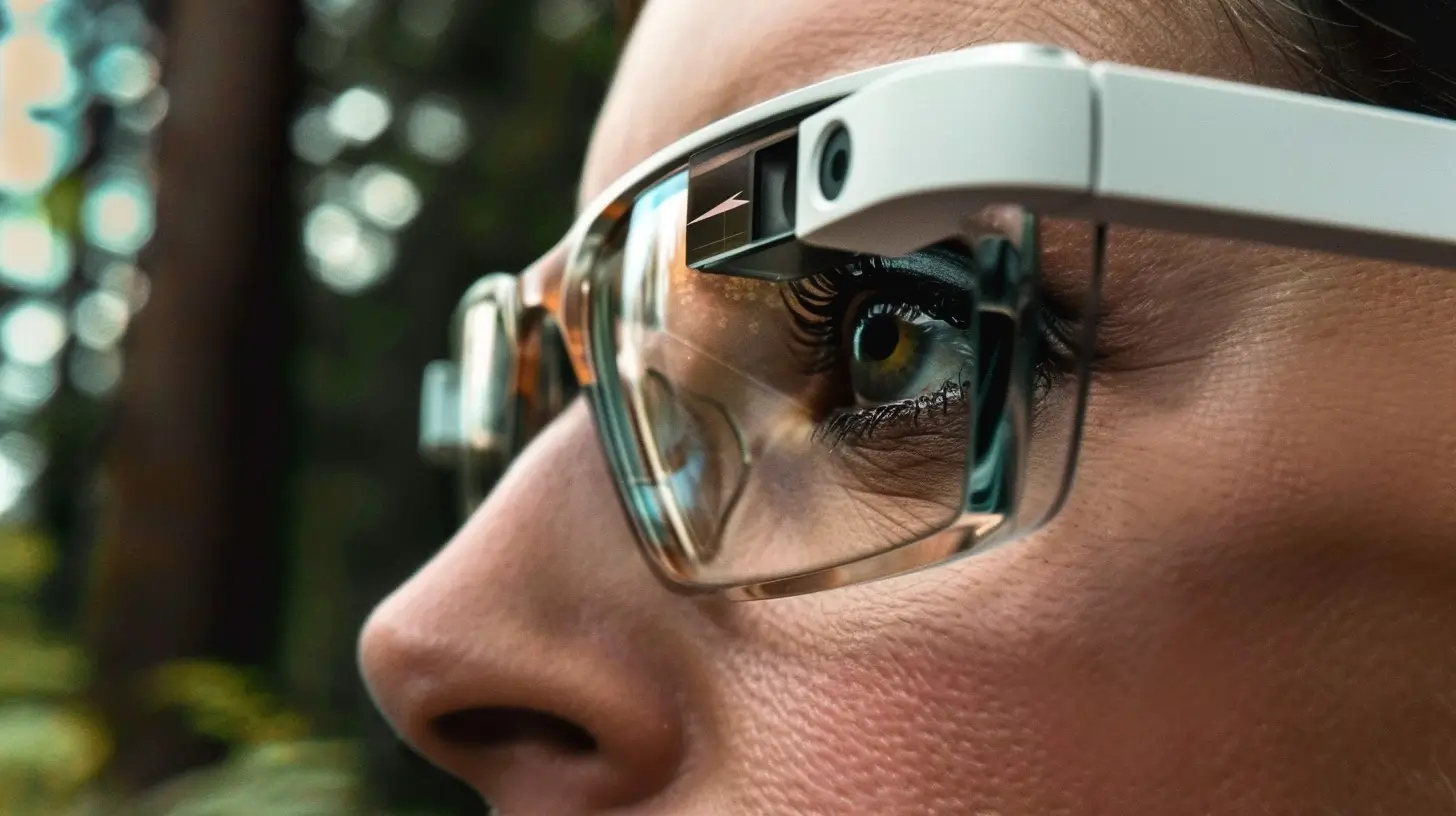
Tech giants bet consumers are finally ready to strap on smart glasses
The tantalizing vision of a computer seamlessly integrated into our daily lives, worn discreetly on our faces, has captivated technology innovators for over a decade. Yet, despite repeated attempts, the mainstream consumer market has largely remained resistant to smart glasses. Fast forward to late 2025, and a palpable shift is underway. Major technology players, from e-commerce behemoths to social media titans, are once again making a concerted push, armed with vastly improved artificial intelligence and a more sophisticated understanding of consumer behavior. They are betting that the era of truly useful, widely adopted smart glasses is finally dawning, ushering in a new paradigm of hands-free, context-aware computing.
The latest, and perhaps most indicative, entry into this reinvigorated market comes from Alibaba. On Thursday, November 27, 2025, the Chinese online retail giant began selling its Quark AI Glasses series in China, marking a significant commitment to the burgeoning smart eyewear segment. These new glasses are deeply integrated with Alibaba’s proprietary Qwen AI app, offering a suite of functionalities accessible with a mere touch of a button. For consumers, this translates into immediate access to internet searches, automatic compilation of meeting notes, convenient mobile payments, music playback, and efficient schedule management. One particularly compelling feature leverages the glasses’ built-in camera: users can snap a picture of any product and instantly receive price comparisons from Alibaba’s vast e-commerce platform, Taobao, streamlining the shopping experience like never before. Priced competitively, starting at 3,799 yuan (roughly $537), the Quark AI Glasses underscore Alibaba’s strategy to embed AI-powered utility directly into everyday accessories, initially targeting its enormous domestic market.
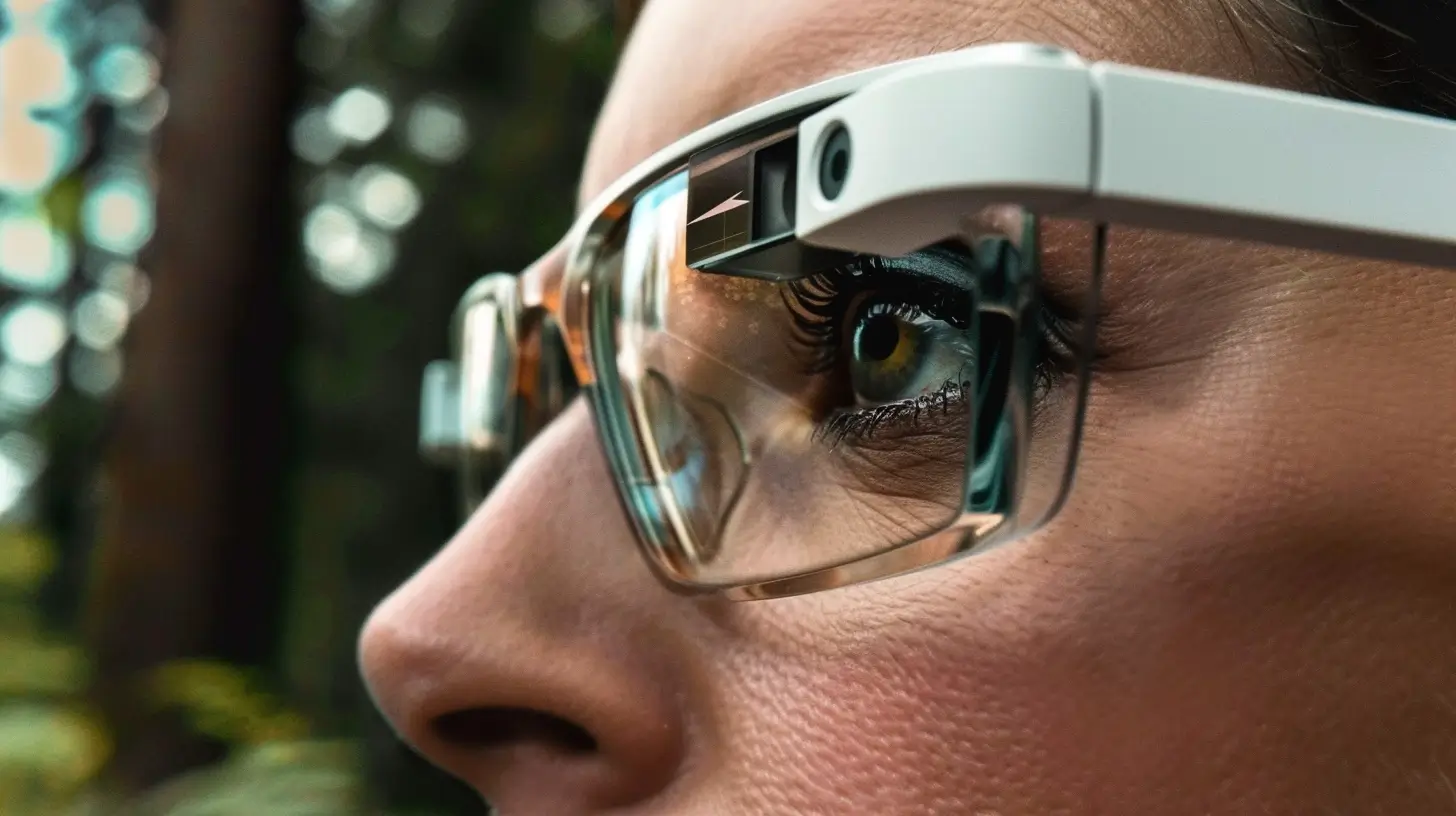
This current wave of enthusiasm, however, arrives with a distinct sense of déjà vu. The tech industry has trodden this path before, often with less-than-stellar results. The most prominent cautionary tale remains Google Glass, launched over a decade ago. Google’s ambitious foray into smart eyewear promised a future of augmented reality and instant information, allowing users to search the web, get directions, and record video with a subtle nod or voice command. Yet, the product ultimately failed to capture consumer imagination, hampered by a prohibitive $1,500 price tag and, perhaps more critically, significant social and privacy concerns. Early adopters were often dubbed "Glassholes" for their perceived invasiveness, as the device’s camera raised uncomfortable questions about recording individuals without consent. After a valiant attempt to reposition Google Glass as an enterprise tool for businesses, Alphabet-owned Google finally pulled the plug on the consumer version in 2023, leaving a lingering question mark over the viability of smart glasses.
Despite Google’s early struggles, the fundamental appeal of wearing a powerful computer on one’s face, rather than fumbling with a smartphone in a pocket, never truly dissipated within R&D labs. What’s different this time, say proponents, is the exponential leap in artificial intelligence capabilities. AI is no longer just a backend process; it’s becoming the "killer app" that transforms a niche gadget into an indispensable tool. Generative AI, real-time language processing, and sophisticated computer vision algorithms have matured to a point where they can deliver truly intelligent, contextual, and proactive assistance, overcoming the clunkiness and limited utility of earlier iterations. This technological evolution has emboldened major tech players like Amazon, Meta, and Xiaomi to roll out their own digital glasses, alongside dozens of smaller innovators, all betting on AI as the key differentiator.
In the United States, Meta has been particularly aggressive in its renewed push. This past summer, building on its existing partnership with Ray-Ban, Meta teamed up with eyewear maker Oakley to introduce a new line of AI-powered smart glasses. These devices are designed for a broader lifestyle appeal, enabling users to make calls, send and receive text messages, listen to music, and stream video. Crucially, they also offer real-time language translation and seamless internet access via Meta’s AI app, effectively acting as an extension of one’s digital life. Geared towards athletes and active users, the Oakley collaboration starts at $399, positioning them as a premium yet accessible wearable. Beyond general consumer use, Meta’s smart glasses have also found unexpected and impactful applications. For example, members of the visually impaired community are leveraging these devices to connect with volunteers for real-time assistance, facilitating tasks such as shopping or sorting through mail – a powerful testament to the practical utility that advanced AI can unlock.
The current market landscape reflects a cautious but growing optimism. While smart glasses remain a niche product compared to smartphones, market researchers are forecasting steady growth. IDC, a leading tech market intelligence firm, predicts global sales of smart glasses will climb from 9.4 million units this year to nearly 20 million units by 2029. This significant projected increase suggests a tipping point is approaching, driven by improving technology and increasing consumer awareness. Supporting this trend, data from Forrester indicates a notable surge in consumer experimentation: approximately 17% of online adults in the U.S. report having tried smart glasses, a substantial jump from just 4% in 2024. This rapid increase in trial rates signals a growing curiosity and willingness among consumers to explore this new form factor.
Several factors contribute to this renewed momentum. Beyond the advancements in AI, significant progress has been made in hardware miniaturization, battery efficiency, and display technologies, making the devices lighter, more comfortable, and capable of lasting longer on a single charge. The design aesthetic has also evolved, with many smart glasses now indistinguishable from regular eyewear, addressing a major hurdle of earlier, more conspicuous models. Furthermore, consumers are increasingly accustomed to wearables, from smartwatches to fitness trackers, making the leap to smart glasses feel less alien. The saturation of the smartphone market also prompts tech companies to seek the next major computing platform, and smart glasses, with their potential for hands-free, always-on interaction, represent a compelling candidate. The seamless integration into existing digital ecosystems – be it Alibaba’s e-commerce, Meta’s social networks, or Amazon’s voice assistant – is also crucial, offering a familiar and convenient user experience.
However, the path to mainstream adoption is not without significant obstacles. The most prominent and persistent challenge, as highlighted by security and legal experts, revolves around privacy. Smart glasses, by their very nature, are designed to capture, store, and share personal data, from visual and audio recordings to biometric information. Their capacity to discreetly record and stream video raises profound ethical and legal questions about filming people without their explicit consent, potentially eroding public trust and creating a "surveillance society." The lessons from Google Glass’s social backlash regarding "Glassholes" still resonate, underscoring the delicate balance between utility and social acceptability. Robust regulatory frameworks, clear ethical guidelines, and transparent user controls will be paramount to address these concerns and prevent misuse. Companies must prioritize privacy by design, implementing features like clear recording indicators and stringent data handling protocols to reassure both users and the general public.
Beyond privacy, other challenges persist. While prices are coming down, smart glasses still represent a significant investment for many consumers. Battery life, though improved, remains a critical consideration for devices meant to be worn all day. The user interface, while leveraging AI, must be intuitive and unobtrusive, avoiding the need for awkward gestures or constant voice commands that might disrupt social interactions. The development of a rich and diverse app ecosystem, similar to what propelled smartphones, will also be essential to provide compelling use cases beyond the core functionalities offered by the manufacturers. Fashion and personal style also play a significant role; for smart glasses to truly succeed, they must be perceived as desirable accessories, not just clunky gadgets.
In conclusion, the tech giants are unequivocally betting that consumers are finally ready for smart glasses, propelled by the transformative power of artificial intelligence. The new generation of devices, exemplified by Alibaba’s Quark AI Glasses and Meta’s collaborations with Ray-Ban and Oakley, are more sophisticated, feature-rich, and aesthetically appealing than their predecessors. Market forecasts indicate a clear growth trajectory, and consumer interest is demonstrably on the rise. Yet, the ghost of past failures, particularly concerning privacy and social acceptance, continues to loom large. The success of this renewed push will hinge not only on technological prowess but also on the industry’s ability to navigate the complex ethical landscape, foster public trust, and deliver truly indispensable value that seamlessly integrates into daily life. If these hurdles can be overcome, the vision of a connected, intelligent world seen through the lens of AI-powered smart glasses may finally become a widespread reality.