Fuzzy Zoeller, two-time major golf champion, dies at 74
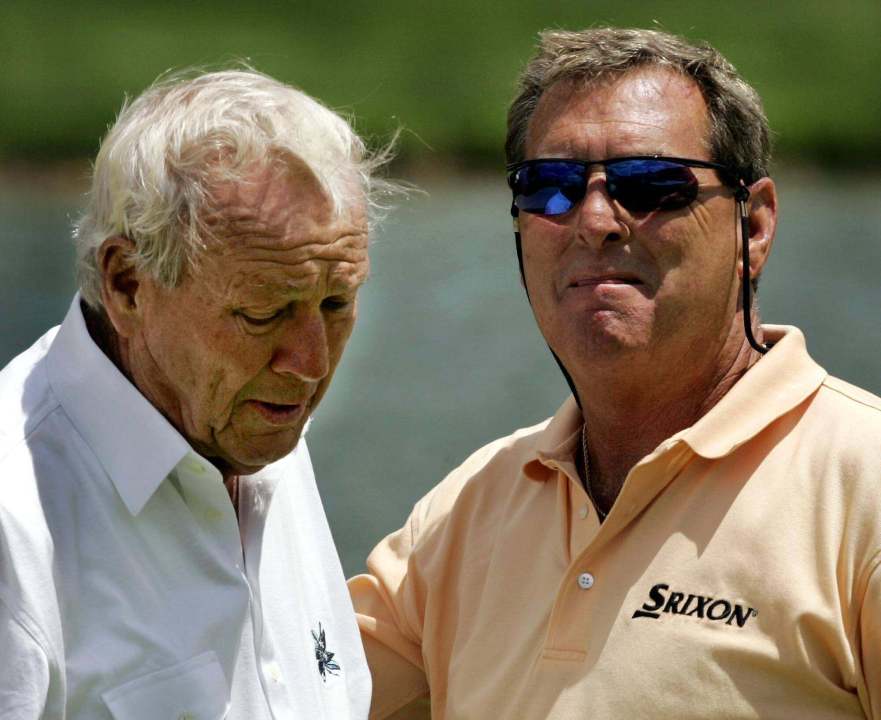
Fuzzy Zoeller, a two-time major champion and one of golf’s most colorful and gregarious characters, has passed away at the age of 74, the PGA Tour confirmed on Thursday, November 27, 2025. His death marks the end of an era for a golfer known as much for his infectious personality and on-course antics as for his formidable talent.
The news was met with sadness across the golf world. PGA Tour Commissioner Jay Monahan issued a statement, acknowledging Zoeller’s unique impact on the sport. "The PGA TOUR is saddened by the passing of Fuzzy Zoeller. Fuzzy was a true original whose talent and charisma left an indelible mark on the game of golf," Monahan said. "Fuzzy combined competitive excellence with a sense of humor that endeared him to fans and fellow players alike. We celebrate his remarkable legacy and extend our deepest condolences to his family." While a cause of death was not immediately released, Brian Naugle, the tournament director for the Insperity Invitational in Houston, informed The Associated Press that Zoeller’s daughter had conveyed the news to him on Thursday.
Born Frank Urban Zoeller Jr. in New Albany, Indiana, the golfer quickly earned the nickname "Fuzzy" – a moniker he shared with his father – that would stick with him throughout his illustrious career. His early life saw him hone his skills at a junior college in Florida before joining the powerhouse golf team at the University of Houston, a stepping stone that prepared him for the professional circuit. He turned pro in 1973, embarking on a journey that would see him capture 10 PGA Tour titles, including two majors, and later two PGA Tour Champions titles, among them the Senior PGA Championship.
Zoeller’s major championship victories were nothing short of legendary, characterized by his calm demeanor under pressure and a flair for the dramatic. His first major triumph came in his very first appearance at the Masters Tournament in 1979. In a thrilling three-way playoff, Zoeller faced off against Ed Sneed and Tom Watson. Sneed had famously bogeyed the final three holes of regulation, opening the door for Zoeller and Watson. Zoeller ultimately sealed the victory with a birdie on the second playoff hole, a moment of pure elation that saw him fling his putter high into the air in celebration. He remains one of only three players to have won the Masters on their debut, a testament to his immediate mastery of Augusta National’s notoriously challenging greens. Reflecting on this monumental achievement, Zoeller once famously quipped, "I’ve never been to heaven, and thinking back on my life, I probably won’t get a chance to go. I guess winning the Masters is as close as I’m going to get."
Five years later, in 1984, Zoeller added the U.S. Open title to his resume, conquering the formidable Winged Foot Golf Club. This victory was also steeped in drama, culminating in an 18-hole playoff against the formidable Australian, Greg Norman. The incident leading to the playoff became one of golf’s most iconic moments. On the 72nd hole, believing Norman had sealed the victory with a remarkable approach shot, Zoeller famously waved a white towel in playful surrender, a gesture of concession that simultaneously charmed and amused spectators. However, Norman subsequently bogeyed, forcing the playoff, which Zoeller dominated the following day, beating the "Great White Shark" by eight strokes. These wins solidified Zoeller’s reputation as a big-game player, capable of performing under immense pressure with a smile and a whistle, his characteristic on-course tune.
Beyond his major wins, Zoeller was celebrated for his unique approach to the game. He played at a brisk pace, often striding confidently between shots, whistling a tune, and engaging with fans and fellow competitors alike. His easygoing nature and quick wit made him a fan favorite, drawing crowds eager to witness his talent and enjoy his humor. This blend of competitive excellence and charismatic charm defined his public persona for much of his career.
However, Zoeller’s career and public image were indelibly marked by a racially insensitive joke he made at the 1997 Masters, a moment that would haunt him for the remainder of his life. The incident occurred as 21-year-old Tiger Woods was on his way to a historic and utterly dominant victory at Augusta National, shattering records and reshaping the landscape of professional golf. After finishing his own round, Zoeller, with a drink in hand under the iconic oak tree near the clubhouse, was stopped by CNN and asked for his thoughts on Woods’ performance. His response, delivered with a smile and a snap of his fingers, would ignite a firestorm: "That little boy is driving well and he’s putting well. He’s doing everything it takes to win. So, you know what you guys do when he gets in here? You pat him on the back and say congratulations and enjoy it and tell him not serve fried chicken next year. Got it?" As he walked away, he turned back and added, "Or collard greens or whatever the hell they serve."
The comments immediately sparked widespread outrage and accusations of racism. Zoeller quickly issued an apology, but the controversy festered for two weeks before Woods, who had been traveling, finally commented, stating that the remarks were "out of line." The fallout was severe; Zoeller lost sponsorship deals, including a significant one with Kmart, and faced intense public scrutiny. He later revealed the profound personal toll the incident took on him, including receiving death threats for years afterward. In a poignant essay for Golf Digest in 2008, he described the ordeal as "the worst thing I’ve gone through in my entire life." He confessed to crying "many times" and apologizing "countless times for words said in jest that just aren’t a reflection of who I am." Despite his genuine remorse and efforts to reconcile, he acknowledged, "Still, I’ve come to terms with the fact that this incident will never, ever go away." This episode undeniably cast a shadow over an otherwise celebrated career, underscoring the complexities of public figures and the lasting impact of their words.
Despite the controversy, Zoeller’s contributions to golf were recognized. In 1985, the USGA awarded him the prestigious Bob Jones Award, the organization’s highest honor, given to an individual who demonstrates distinguished sportsmanship in golf. This award, received a decade before the Masters controversy, highlights a side of Zoeller that many chose to remember – a player who embodied the spirit of the game with integrity and respect.
Tributes poured in from various corners, including from former President Donald Trump, who shared his sadness on social media. Trump wrote, "In 1979, Fuzzy won the Masters Tournament (Only 1 of 3 to win in his first appearance!) and, in 1984, he won the U.S. Open at Winged Foot Golf Club, and famously waved the white towel on the 18th Hole as he went on to beat Greg Norman in an 18 Hole playoff. A truly remarkable person and player, he will be missed!"
In his personal life, Zoeller faced challenges, including the passing of his wife, Diane, in 2021. He is survived by his three children, including his daughter Gretchen, with whom he frequently competed in the PNC Championship, showcasing his enduring love for the game and family bonds.
Fuzzy Zoeller’s legacy is a tapestry woven with threads of extraordinary golfing talent, undeniable charisma, and a deeply regrettable public misstep. He was a golfer who brought joy and excitement to the fairways with his unique style and personality, a true "original" as Monahan described him. While the shadow of the 1997 Masters lingered, his achievements, his humor, and his spirit will also be remembered by those who followed his remarkable journey in the world of golf. He leaves behind a complex but ultimately indelible mark on the sport.