Government shutdown live updates as Thune plans Senate vote amid rare Sunday session
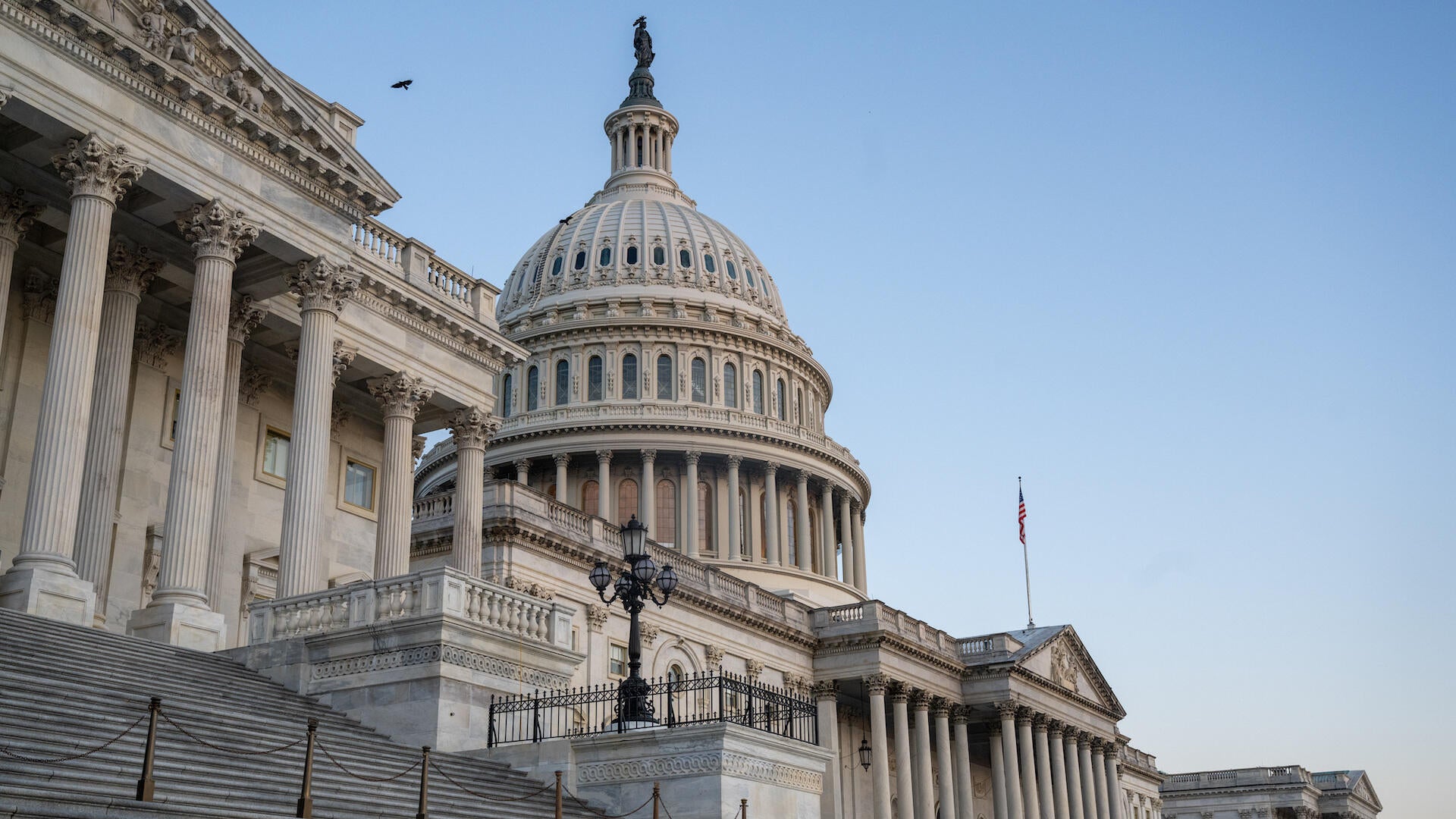
Washington D.C. — The U.S. Senate convened for a rare Sunday session, with Majority Leader John Thune signaling an intent to hold a crucial vote today to advance a House-passed continuing resolution aimed at ending the protracted government shutdown. The potential vote hinges on the release of the text for a three-bill appropriations package, commonly referred to as a "minibus," which Republicans hope will provide a path forward after weeks of stalemate.
The Senate gathered at 1:30 p.m. ET, marking only the second Sunday session this year and the 70th since 1861, underscoring the urgency and unusual circumstances surrounding the ongoing funding crisis. While no votes were immediately scheduled upon convening, Thune informed reporters, "we plan to vote today" if the appropriations package text becomes available. Sen. Mike Rounds, a Republican from South Dakota, echoed the sentiment, suggesting that appropriators were nearing the finalization of the minibus text, potentially paving the way for a vote. "There’s been a lot of negotiations and at some point, there’s not much more you can do except have a vote," Rounds commented, indicating a readiness to move forward.
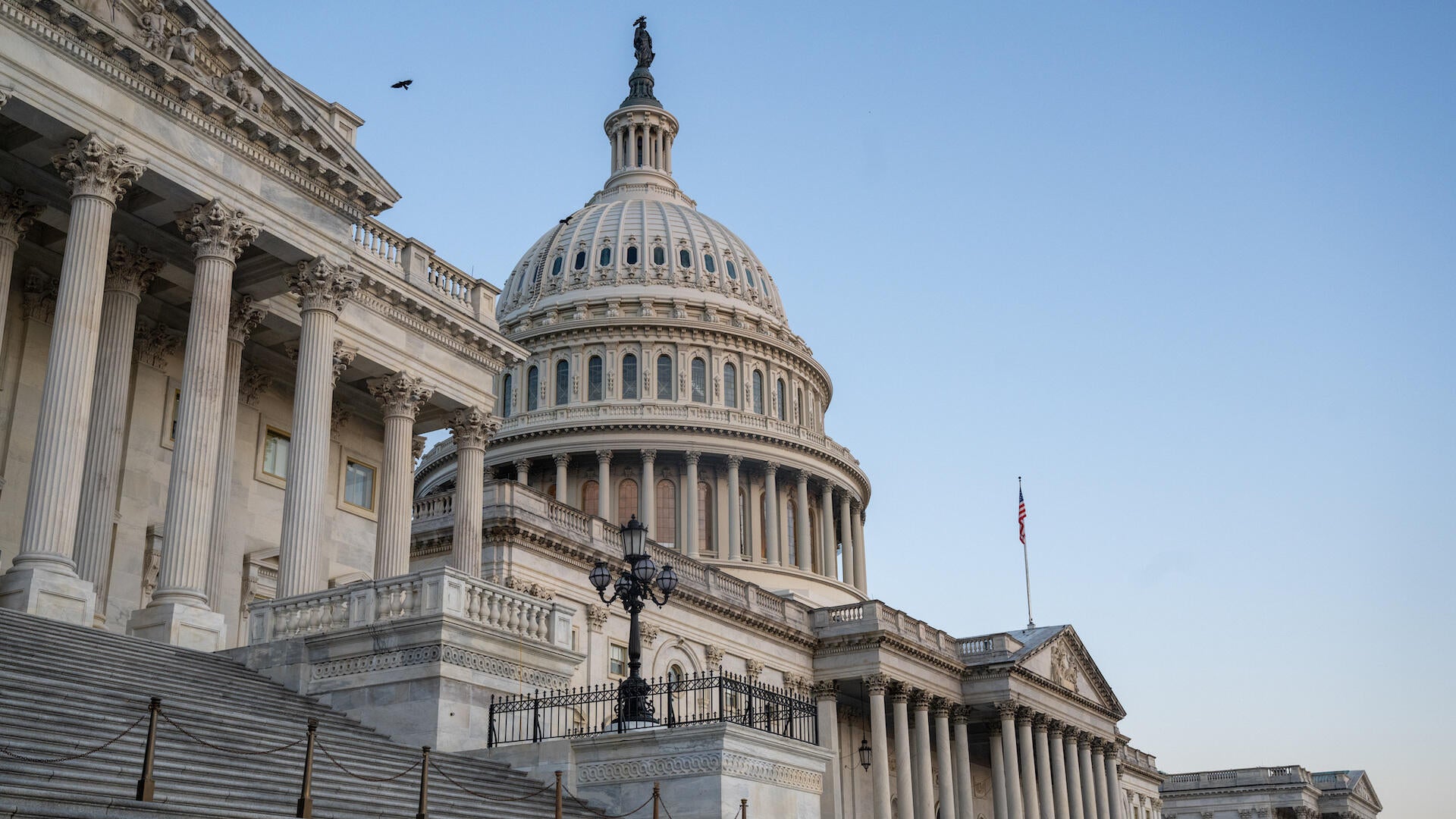
The government shutdown, now in its fifth week, continues to exert significant pressure across the nation, impacting federal workers, the economy, and critical services. The measure to advance the House-passed continuing resolution has previously failed to clear the 60-vote threshold 14 times, highlighting the deep partisan divide. This time, the resolution is expected to be amended to incorporate the three-bill appropriations package and potentially a longer extension of government funding.
The economic repercussions of the shutdown are mounting. Kevin Hassett, Director of the National Economic Council, warned on "Face the Nation" that the U.S. economy could face a "negative quarter" if the shutdown persists, particularly as the crucial Thanksgiving travel and shopping season approaches. He cited Goldman Sachs’ estimate of a 1.5% hit to GDP already and projected further disruption if the impasse continues, especially impacting air travel.
Politicians from affected states are amplifying calls for an immediate resolution. Virginia Governor-elect Abigail Spanberger, a Democrat, emphasized on "Face the Nation" that the government needs to "open immediately," urging lawmakers to vote to end the shutdown. She dismissed the idea that recent Democratic electoral victories, including her own, should be interpreted as a mandate to prolong the standoff. "Virginians need to and Virginians want to see the government reopen," Spanberger stated, highlighting the high concentration of federal workers in her state. Similarly, Maryland Governor Wes Moore, also a Democrat, stressed the severe impact on his state, arguing that reopening the government should not come at the cost of "kicking my people off of health care," referring to the Affordable Care Act (ACA) subsidies.
A significant point of contention revolves around healthcare funding. President Trump has intensified his criticism of the Affordable Care Act, using Truth Social to advocate for its termination. On Sunday morning, he reiterated his stance, declaring "OBAMACARE ‘SUCKS.’ THE WORST HEALTHCARE FOR THE HIGHEST PRICE," and urging Republicans to redirect funds from insurance companies directly to American citizens. This follows his Saturday posts suggesting that money currently funding ACA programs should instead be given to the public, rather than "money sucking Insurance Companies."
This push by the President has influenced Republican strategy. Sen. Lindsey Graham, a close Trump ally, lauded the President’s intervention, stating that Trump had "given us a pathway forward." Graham reiterated the GOP’s refusal to extend ACA health care tax credits for a year, calling it "unfair to the taxpayer" and a perpetuation of a "broken system." He invited Democrats to negotiate broader changes to the health insurance industry after the government reopens, urging them to "end this madness."
Democrats, however, remain wary. House Minority Leader Hakeem Jeffries indicated that House Democrats would be unlikely to support a mere promise for a future vote on extending health insurance tax credits. While expressing support for Senate Minority Leader Chuck Schumer’s Friday proposal—a one-year extension of ACA tax credits in exchange for reopening the government—Jeffries emphasized that Democrats were not prepared to accept a "wing and a prayer" from those who have consistently sought to undermine American healthcare.
The Senate’s weekend sessions underscore the gravity of the situation. Saturday’s session, the fourth this year, saw intense debate and a failed attempt to pass a bill proposed by Sen. Ron Johnson of Wisconsin to pay federal workers during the shutdown. This bill did not garner enough Democratic support to advance. Senate Majority Leader Thune confirmed on Saturday that the chamber would remain in session until the government is reopened, indicating a willingness to forgo the upcoming Veterans Day recess. He firmly rejected the Democrats’ healthcare offer as a "nonstarter," characterizing the requested tax credits as "Biden Obamacare bonuses" and insisting on a "clean funding extension" as the only viable path forward.
The impasse extends beyond funding. The Trump administration’s decision to appeal a lower court order requiring full SNAP payments for November to roughly 42 million Americans also drew sharp criticism from Democrats. Supreme Court Justice Ketanji Brown Jackson temporarily froze the order, allowing an appeals court more time to consider the administration’s request for emergency relief. Schumer condemned this move as "pathological levels of vindictiveness," linking it to what he described as politically motivated flight cancellations and delays that have plagued airports, causing disruptions for thousands of travelers.
As the rare Sunday session unfolds, the pressure mounts on both sides to find a compromise. With the economic clock ticking and public frustration growing, the Senate faces the daunting task of navigating deeply entrenched political positions to end a shutdown that has profoundly impacted the nation.