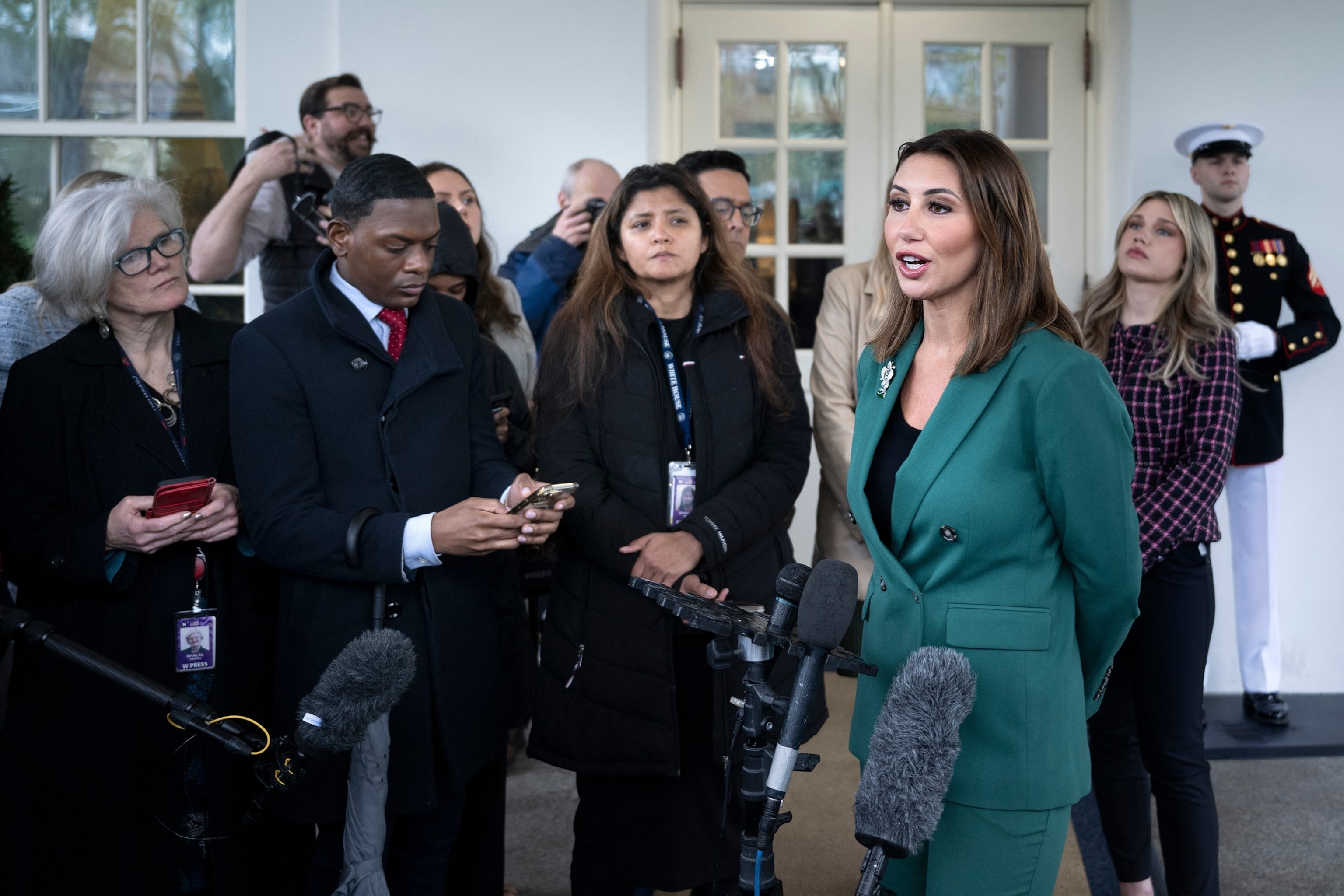
Appeals court disqualifies Alina Habba, Trump’s former personal lawyer, as acting U.S. attorney in New Jersey.
Washington – A landmark decision by a federal appeals court on Monday delivered a significant blow to the Trump administration’s efforts to circumvent Senate confirmation for key judicial appointments, upholding a lower court ruling that disqualified Alina Habba, who served as a personal lawyer to President Trump, from her role as the acting U.S. Attorney in New Jersey. This unanimous judgment from the U.S. Court of Appeals for the 3rd Circuit marks the first time a federal appeals court has definitively weighed in on the administration’s controversial strategy of installing unconfirmed lawyers into temporary U.S. attorney positions across the nation, setting a crucial precedent for future challenges.
The controversy originated from a "novel mechanism" employed by the Trump administration to place individuals in critical federal law enforcement roles without the traditional constitutional process of Senate approval. The case before the 3rd Circuit was sparked by three men facing criminal charges in New Jersey who courageously challenged the legitimacy of Habba’s appointment. They argued that her installation violated the Federal Vacancies Reform Act (FVRA) and, consequently, sought the dismissal of their indictments, contending that any legal action taken under an unlawfully appointed prosecutor was inherently invalid.
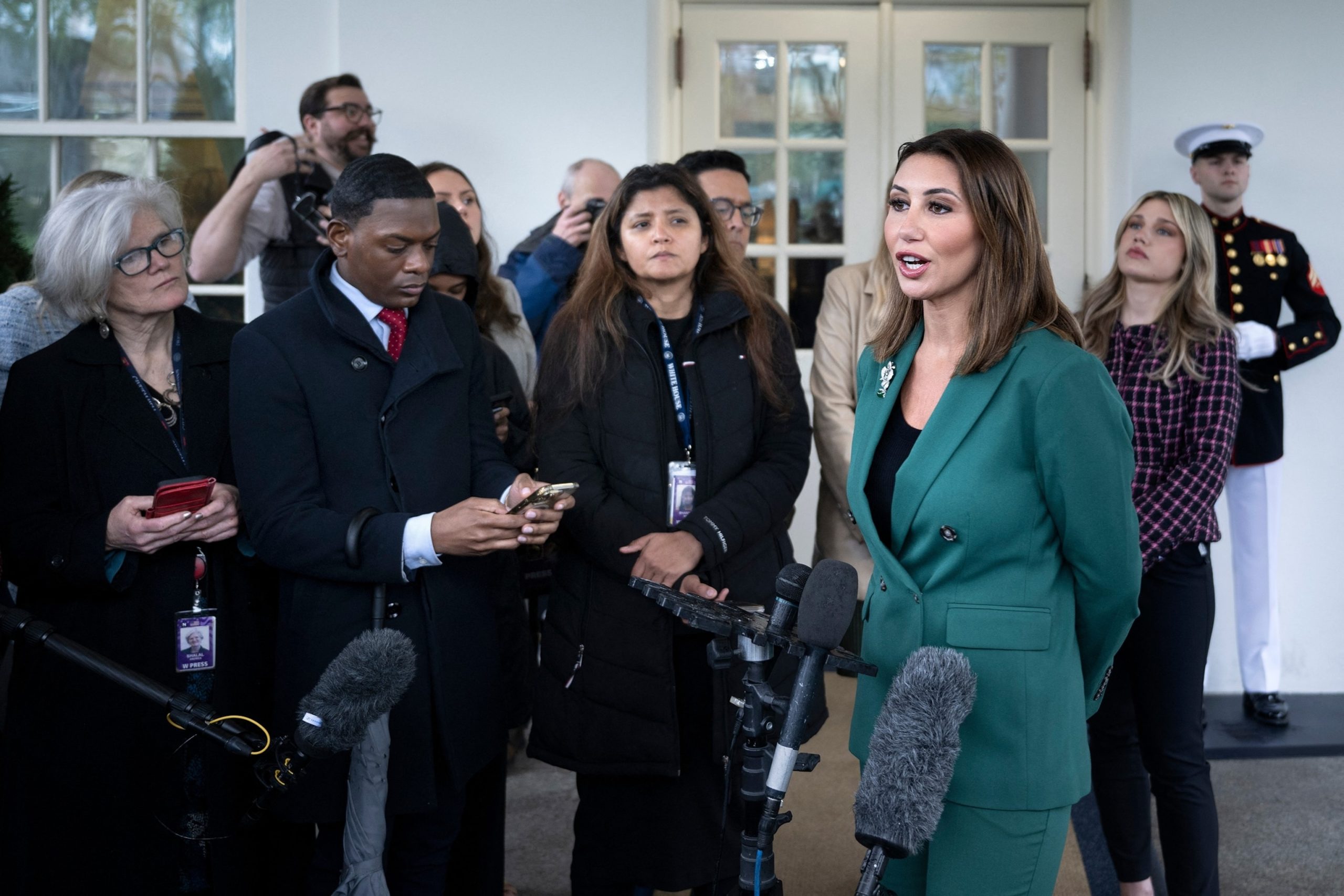
U.S. District Judge Matthew Brann had previously ruled in August that Habba had been serving without lawful authority since early July, when she was first tapped to temporarily lead the U.S. Attorney’s Office in New Jersey. Judge Brann’s decision mandated her immediate disqualification from participating in all ongoing cases, sending a clear signal about the judiciary’s commitment to upholding established legal procedures. The Justice Department, under Attorney General Pam Bondi, had promptly appealed this decision to the 3rd Circuit, hoping to validate its innovative, albeit legally dubious, appointment strategy.
Alina Habba’s initial appointment as interim U.S. Attorney in New Jersey earlier this year was always fraught with political and legal complexities. Her tenure was explicitly limited to 120 days, with provisions for extension only if the U.S. district court in New Jersey voted to prolong her service or if she secured Senate confirmation for the permanent post. However, her path to confirmation was virtually blocked from the outset, primarily due to the staunch opposition from New Jersey’s two Democratic senators, Cory Booker and Andy Kim, who voiced strong objections to her nomination, citing concerns about her qualifications and partisan ties.
As the 120-day deadline loomed, the judges of the New Jersey district court acted decisively, declining to allow Habba to continue serving as U.S. Attorney. Instead, they voted to install her deputy, Desiree Leigh Grace, into the position, adhering to the standard line of succession. This move, designed to maintain stability and adhere to established protocols, was met with swift and aggressive pushback from the Trump administration. Attorney General Pam Bondi, a vocal supporter of the president, promptly fired Grace, signaling the administration’s determination to keep Habba in the role.
What followed was a complex and unprecedented multi-step maneuver designed by Mr. Trump and top administration officials to circumvent the district court’s decision and ensure Habba’s continued presence as the top federal prosecutor in New Jersey. First, the president formally withdrew Habba’s nomination for U.S. Attorney. Immediately thereafter, Habba resigned as interim U.S. Attorney. In a seemingly calculated sequence, Attorney General Bondi then appointed Habba as a "special attorney" and simultaneously elevated her to fill Grace’s recently vacated role as First Assistant U.S. Attorney. Finally, exploiting the vacancy at the helm of the New Jersey U.S. Attorney’s Office, Habba was then re-elevated to the role of acting U.S. Attorney under a novel interpretation of the Federal Vacancies Reform Act.
The Federal Vacancies Reform Act of 1998 (FVRA) is a crucial piece of legislation designed to regulate the temporary filling of vacant federal positions that require presidential appointment and Senate confirmation. Its primary intent is to prevent the Executive Branch from bypassing the Senate’s "advice and consent" role by indefinitely placing acting officials in significant roles. The administration’s elaborate maneuver sought to exploit perceived loopholes in this act, attempting to legitimize an appointment that had been explicitly rejected by both the state’s senators and the local judiciary.
In their comprehensive decision, the judges on the 3rd Circuit meticulously dissected the administration’s arguments, ultimately finding that the Trump administration’s defense of Habba’s role "should raise a red flag." The court articulated grave concerns that accepting the government’s "delegation theory" would create a dangerous precedent, allowing the Justice Department to systematically circumvent the fundamental requirements of the Vacancies Act and, more broadly, the constitutional process for appointing federal officers. Such an interpretation, the court warned, would effectively enable anyone to hold a U.S. Attorney position indefinitely, without the critical oversight of the Senate.
Judge Michael Fisher, writing for the unanimous court, stated emphatically: "Under the Government’s delegation theory, Habba may avoid the gauntlet of presidential appointment and Senate confirmation and serve as the de facto U.S. Attorney indefinitely. This view is so broad that it bypasses the constitutional [presidential appointment and Senate confirmation] process entirely. It also essentially eliminates the requirements of the FVRA and the U.S. Attorney-specific statute." This powerful declaration underscores the court’s understanding of the profound constitutional implications at stake. Judge Fisher, a nominee of President George W. Bush, was joined in the decision by Judge L. Felipe Restrepo, appointed by President Barack Obama, and Judge D. Brooks Smith, another Bush appointee. The bipartisan consensus among the judges further amplifies the weight and significance of this ruling, suggesting a broad judicial agreement on the importance of upholding constitutional checks and balances.
At its heart, this case underscores a fundamental constitutional principle: the separation of powers and the vital role of the Senate in confirming high-level executive appointments. Article II, Section 2 of the U.S. Constitution mandates that the President "shall nominate, and by and with the Advice and Consent of the Senate, shall appoint Ambassadors, other public Ministers and Consuls, Judges of the Supreme Court, and all other Officers of the United States, whose Appointments are not herein otherwise provided for…" This provision serves as a critical check on executive authority, ensuring accountability and preventing the executive from unilaterally populating key governmental roles with unvetted or politically motivated appointees. The administration’s attempts to bypass this process represent a direct challenge to this constitutional imperative.
The ruling by the 3rd Circuit is not an isolated incident but rather part of a broader pattern of judicial resistance to the Trump administration’s appointment tactics. The administration has sought to install temporary U.S. attorneys in other jurisdictions, including Nevada and Los Angeles, using similar mechanisms to those employed for Habba, and has faced consistent pushback from federal courts. The most high-profile and consequential of these related decisions came just last week, when a federal judge ordered the criminal charges against former FBI Director James Comey and New York Attorney General Letitia James to be dismissed. The reason for this extraordinary dismissal was that Lindsey Halligan, the interim U.S. Attorney who secured their indictments, was found to have been unlawfully appointed to her role.
The implications of these rulings are profound, potentially throwing into question the validity of numerous legal actions undertaken by unlawfully appointed U.S. Attorneys. For instance, the dismissal of criminal charges against former FBI Director James Comey and New York Attorney General Letitia James in a separate, high-profile case due to the unlawful appointment of interim U.S. Attorney Lindsey Halligan serves as a stark warning. This dismissal, ordered by a federal judge just last week, illustrates the tangible consequences of the administration’s procedural gambits: not merely a slap on the wrist, but the outright invalidation of significant legal proceedings, jeopardizing the integrity of the justice system and potentially allowing serious criminal cases to unravel.
This ruling sends a clear message that the judiciary will not tolerate attempts to undermine the constitutional framework for appointments. It reinforces the importance of the Senate’s "advice and consent" role and safeguards against the executive branch’s potential for overreach. For the three men whose initial challenge initiated this legal battle, the ruling could pave the way for the dismissal of their indictments, or at least a significant re-evaluation of their cases under a lawfully appointed prosecutor. More broadly, the decision is a victory for the rule of law and the principle of separation of powers, ensuring that federal law enforcement officials are appointed through a process that maintains integrity and public trust. The long-term ramifications could extend to reviewing past actions taken by other similarly appointed "acting" officials, potentially opening a Pandora’s Box of legal challenges to cases handled under such controversial circumstances. The path forward for the Department of Justice will now require strict adherence to established legal norms, reaffirming the bedrock principles of American governance.