FBI arrests suspect in 2021 D.C. pipe bomb case, sources say, marking a monumental breakthrough in one of the most perplexing and dangerous unsolved mysteries stemming from the January 6, 2021, Capitol riot. Federal authorities made their first arrest Thursday in connection with the two viable pipe bombs that were strategically planted outside the Democratic National Committee (DNC) and Republican National Committee (RNC) headquarters on the eve of the Capitol insurrection. This development comes nearly five years after the harrowing events that shook American democracy, bringing a sense of closure and progress to a case that has long vexed the nation’s top law enforcement agencies.
Four law enforcement sources, speaking to CBS News, identified the suspect as Brian Cole, a 30-year-old resident of Woodbridge, Virginia. Cole is expected to face charges in federal court in Washington, D.C., later on Thursday, according to an FBI source familiar with the investigation. The apprehension of Cole represents a significant milestone in a probe that has consumed immense resources and commanded constant attention from the FBI’s most dedicated investigators. For years, the elusive pipe bomber remained a shadowy figure, a symbol of the lingering threats and unanswered questions surrounding the January 6 attack.
The two improvised explosive devices (IEDs) were placed outside the DNC and RNC headquarters on the evening of January 5, 2021. Federal investigators have consistently maintained that these were not mere scare tactics but genuinely dangerous devices. Each bomb was constructed from 1×8-inch galvanized steel pipes, equipped with kitchen timers, and filled with homemade black powder. Experts have repeatedly classified them as viable, meaning they possessed the destructive capability to detonate and cause severe injury or even death to anyone in their immediate vicinity. The FBI’s unwavering assessment underscored the gravity of the threat posed by these devices, which were intended to inflict harm and sow terror.

Critically, the bombs did not detonate, a circumstance that investigators have attributed to a combination of design flaws and perhaps sheer luck. However, their discovery on the afternoon of January 6 was profoundly unsettling, occurring amidst the escalating chaos as thousands of rioters stormed the U.S. Capitol building just blocks away. The sheer scale of the unfolding insurrection overwhelmed local and federal police forces, diverting critical attention and resources that might otherwise have led to an earlier discovery or apprehension. The delayed finding meant that for hours, these lethal devices lay hidden, posing an unseen but potent danger to staff, officials, and law enforcement personnel in the area.
One particularly alarming detail emerged when it was revealed that then-Vice President-elect Kamala Harris was present at the DNC headquarters when the device was discovered. She was promptly evacuated from the building shortly after the IED was located, highlighting the immediate and direct threat posed to high-ranking officials and the potential for a far more catastrophic outcome. The incident underscored the close proximity of the danger to the nation’s political leadership and further emphasized the domestic terrorism aspect of the crime.
Following the arrest, DNC Chair Ken Martin released a statement expressing profound gratitude. "We are grateful to the law enforcement officers who have dedicated years to investigating the pipe bombs planted at the Democratic and Republican National Committee headquarters on the eve of the January 6th insurrection," Martin stated. He emphasized the urgent need for justice, asserting, "Those responsible for this horrific act must be brought to justice, and political violence should never be accepted in America." His words echoed a widespread sentiment of relief and a renewed commitment to holding accountable those who seek to undermine democratic processes through violence.
The path to this arrest has been long and arduous. In the months and years following January 6, federal law enforcement embarked on one of the largest and most complex investigations in American history. Over 1,500 individuals have been tracked down, arrested, and charged in connection with their roles in the Capitol riot. Yet, amidst this unprecedented wave of prosecutions, the pipe bomb case remained a stubborn anomaly, a central piece of the January 6 puzzle that refused to yield answers. Despite thousands of tips, countless hours of forensic analysis, and exhaustive reviews of surveillance footage, the identity of the bomber remained elusive.
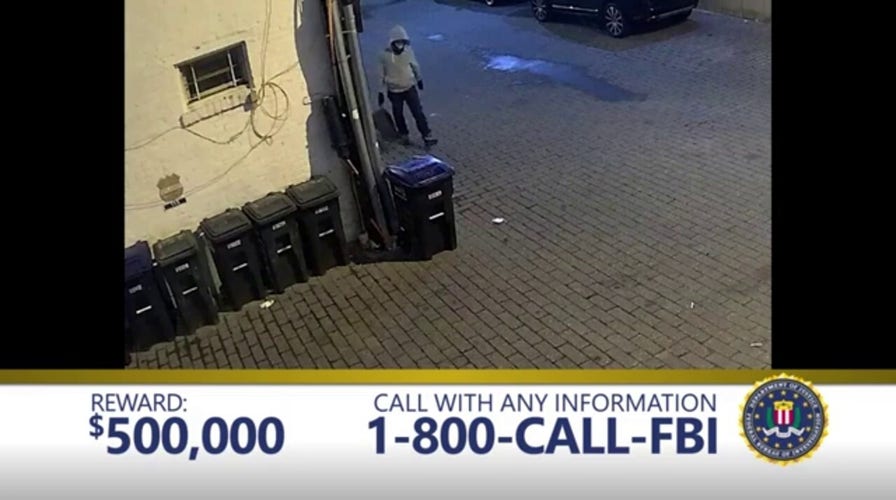
The FBI had periodically released tantalizing but frustratingly grainy images and videos of a potential suspect. These security camera snippets depicted a shadowy figure, clad in a hoodie, carrying a backpack, and walking with a distinctive gait through the D.C. streets in the hours leading up to the attack. These images became iconic representations of the unsolved mystery, shared widely across media and social platforms in the hope that someone might recognize the individual. To incentivize public assistance, the FBI had offered a substantial reward, which eventually climbed to an impressive $500,000 for information leading to the bomber’s identification and arrest. This generous reward underscored the high priority and national security implications attached to the case.
The persistent lack of progress had been a source of public frustration and a point of criticism for the FBI in some circles. However, recent statements from high-ranking officials suggested that the investigation was far from dormant. In May, Deputy FBI Director Paul Abbate (not Dan Bongino as mistakenly stated in the original article, likely a transcription error or internal reporting mix-up, as Bongino is a former FBI agent and political commentator, not a current Deputy Director) affirmed on X (formerly Twitter) that the pipe bomb investigation was among several unsolved cases that had received "additional resources and investigative attention." He conveyed that he had been receiving weekly briefings on the case, indicating that significant efforts were being made behind the scenes and that the FBI was "making progress." This public assurance, coming months before the arrest, hinted at the intensity and renewed focus that ultimately led to Thursday’s breakthrough.
The arrest of Brian Cole now opens a new chapter in this critical investigation. While details regarding how investigators finally identified and apprehended Cole remain under wraps, it is likely the result of a confluence of advanced forensic techniques, meticulous analysis of surveillance footage, potential DNA evidence recovered from the devices or the scene, and perhaps a crucial tip from the public or an informant who recognized the suspect from the widely disseminated images. The protracted nature of the investigation suggests that the evidence gathered must be robust and meticulously compiled to withstand legal scrutiny.
The charges Cole will face are expected to be severe, potentially including manufacturing and possessing an unregistered destructive device, malicious use of explosives, and other related terrorism or violence charges. The potential penalties could be substantial, reflecting the gravity of the attempted attack on American political institutions. His court appearance will be highly anticipated, as it may reveal initial details about the evidence against him, his potential motive, and whether investigators believe he acted alone or as part of a larger conspiracy.
This arrest sends a powerful message that law enforcement will not rest until justice is served, even years after an event. It reinforces the commitment to prosecuting those who engage in political violence and attempt to subvert democratic processes through terror. For the victims, for those who lived through the trauma of January 6, and for a nation grappling with the divisions and threats to its institutions, the arrest of Brian Cole offers a significant step towards accountability and a reaffirmation of the rule of law. The investigation will now shift from identification to prosecution, as federal prosecutors prepare to build a case that elucidates Cole’s role, his intentions, and the full scope of his actions on that fateful night in January 2021. The nation awaits further details, hoping that this arrest will not only bring justice but also shed more light on the dark events surrounding one of the most tumultuous days in recent American history. Kathryn Watson contributed to this report.