How President Trump is changing the pardon process, according to former pardon attorney
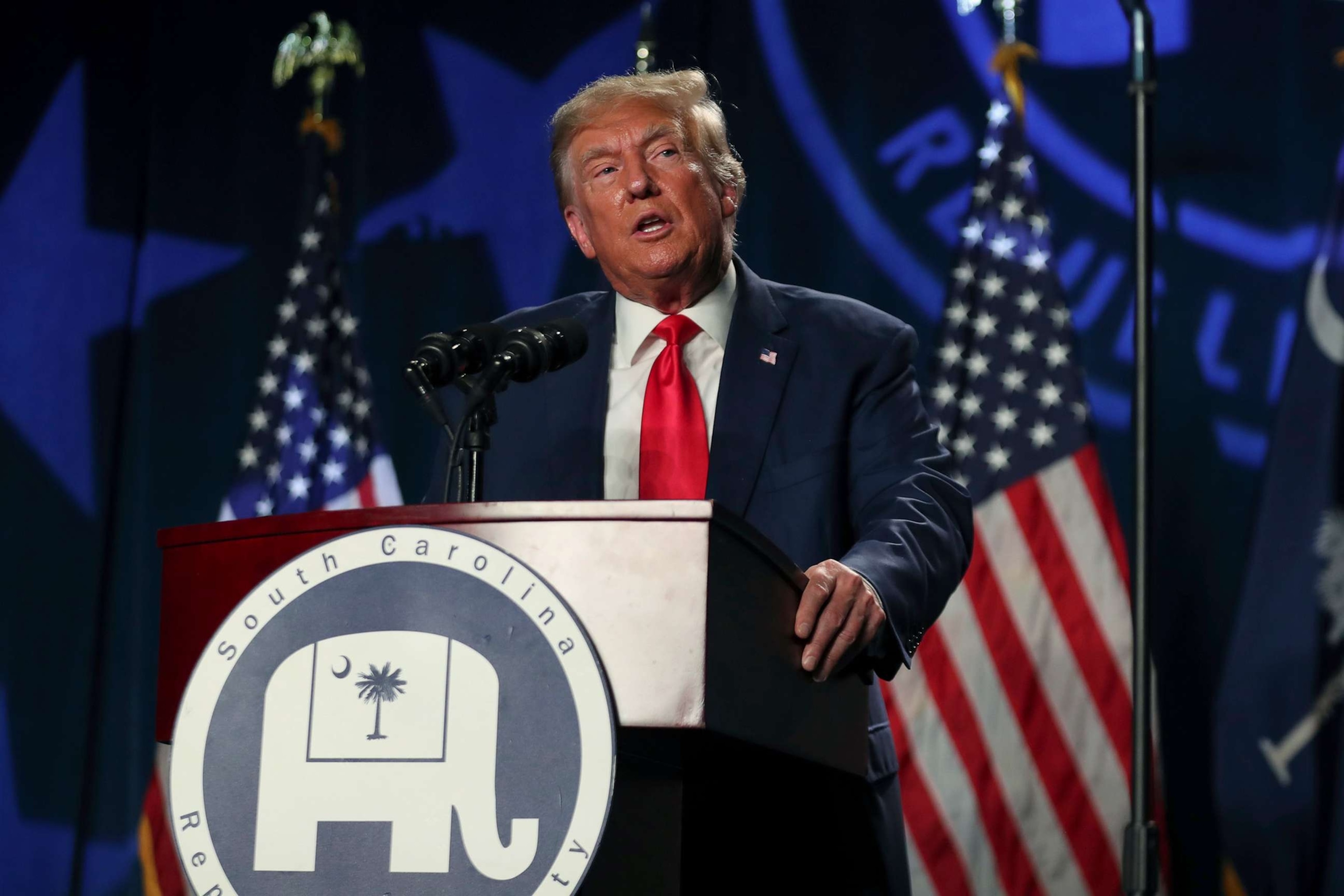
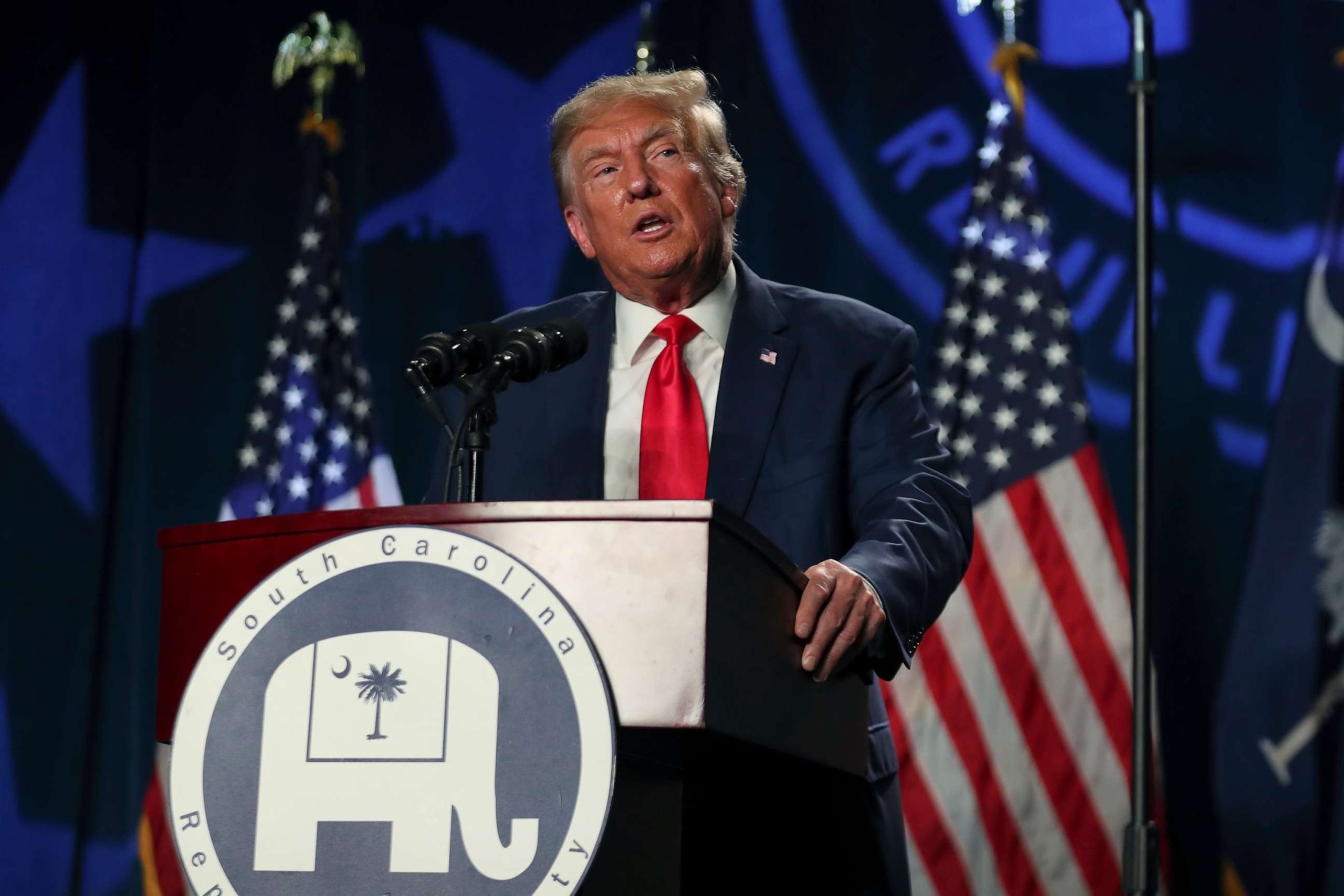
President Trump’s second term has witnessed a fundamental alteration of the presidential pardon process, a shift that, according to former Pardon Attorney Elizabeth Oyer, has dismantled long-standing traditions and raised serious questions about fairness, accountability, and the integrity of the American justice system. Oyer, who served in the Justice Department overseeing pardon applications from 2022 until this past spring, asserts that the conventional mechanisms designed to ensure judicious and equitable clemency have been effectively bypassed.
"All of the traditional rules and procedures pertaining to pardons have been thrown out the window," Oyer stated in a compelling interview with 60 Minutes correspondent Scott Pelley. Her accusation is stark: the Trump administration "appears to be working around the Justice Department rather than with the Justice Department to vet and review applications for pardons." This bypassing of established protocols, she argues, signifies a profound departure from over a century of precedent, undermining the very checks and balances intended to govern the executive power of clemency.
Traditionally, the process for seeking clemency, whether a pardon or a commutation, has been a rigorous and multi-layered endeavor. Individuals aspiring for a second chance would file formal petitions through the Office of the Pardon Attorney (OPA), an integral part of the Justice Department. The OPA, staffed predominantly by career, non-political appointees, would meticulously evaluate each application against a stringent set of standards and requirements. These criteria typically included demonstrating a significant period of good conduct following conviction, often requiring applicants to be out of prison for at least five years. Furthermore, individuals were expected to show genuine remorse, accept responsibility for their past actions, and provide tangible evidence of rehabilitation and positive contributions to their communities.
The OPA’s comprehensive review extended beyond the applicant’s personal conduct. It involved seeking critical perspectives from various stakeholders within the justice system. This included soliciting the views of the U.S. Attorneys’ offices that had originally prosecuted the cases, the judges who had imposed the sentences, and, crucially, any victims of the crime. This broad consultation ensured that a holistic picture of the case and its societal impact was considered. Only after a candidate appeared to meet the demanding criteria for a pardon would the office then initiate a thorough background investigation through the Federal Bureau of Investigation (FBI). This exhaustive vetting process, Oyer explained, was "to ensure that they were someone who was truly deserving and who could safely contribute to their community if they were granted the relief that a pardon provides." The intention was to ensure that presidential mercy was bestowed upon those who had genuinely earned it, safeguarding both individual rehabilitation and public trust.
However, according to Oyer, this meticulously constructed edifice of clemency began to crumble shortly after President Trump’s second inauguration. The established practices, refined over generations, were reportedly discarded. "I understood that clemency was going to be conducted entirely out of the White House without input from the Office of the Pardon Attorney," Oyer revealed, highlighting what she views as a unilateral and unprecedented centralization of power. This move, she contended, not only marginalized the Justice Department’s institutional expertise but also opened the door to a less transparent and potentially politicized process.
Oyer’s direct opposition to these perceived changes ultimately led to her dismissal in March. She specifically cited her resistance to restoring gun rights to actor and staunch Trump supporter Mel Gibson, who had a conviction for domestic battery, as a pivotal point. Since her departure, Oyer has emerged as a vocal and unreserved critic of the Trump administration’s approach to clemency, using her insider knowledge to expose what she describes as a fundamental subversion of the system. Further solidifying the politicization of the OPA, the office, traditionally led by non-political civil servants, is now overseen by Ed Martin, a known political ally of Mr. Trump.
The Department of Justice, however, vehemently disputes Oyer’s account. In a statement issued to 60 Minutes, a spokesperson for the Department of Justice unequivocally rejected her allegations, labeling them as "categorically false" and attributing them to a "disgruntled former employee." The DOJ’s statement maintained that "The Office of the Pardon Attorney continues to serve a key role in assisting the President with exercising his constitutional authority to grant pardons and commutations." It further asserted that applications are still "received and reviewed by the Office of the Pardon Attorney which provides recommendations to the President that are consistent, unbiased, and uphold the rule of law. There has been no departure from this long-standing process." This direct contradiction underscores the deep division and lack of consensus regarding the current state of presidential clemency.
The practical implications of these alleged changes were prominently highlighted by President Trump’s recent pardon of crypto felon Changpeng Zhao. Zhao, the founder of the massive cryptocurrency exchange Binance, had been embroiled in legal issues, and his company had reportedly taken steps to enrich a Trump family cryptocurrency firm. This pardon, coming amidst such circumstances, immediately ignited a firestorm of criticism and fueled suspicions that political and financial connections were now paramount in the clemency decision-making process. When questioned about the Zhao pardon in an interview with 60 Minutes contributor Norah O’Donnell, President Trump responded, "I know nothing about the guy, other than I hear he was a victim of weaponization by government." He then pointedly clarified, "When you say the government, you’re talking about the Biden government."
Further adding to the controversy, while the White House confirmed that it had received Zhao’s application for a pardon, his case was conspicuously absent from the Justice Department’s public database of pardon requests. Oyer attributes this omission to the likelihood that Zhao’s petition did not follow the traditional route through the OPA, suggesting it went directly to the White House. This bypass, Oyer warns, has fostered what many experts now refer to as a "pardon economy." In this emerging landscape, individuals with political connections to the president are actively leveraging these ties to establish businesses specifically dedicated to lobbying for pardons. These applications, instead of undergoing the impartial and rigorous scrutiny of the Justice Department, are allegedly being directed "straight to the president," creating a privileged pathway for the wealthy and politically influential.
White House Press Secretary Karoline Leavitt, however, countered these assertions, stating that the Zhao pardon, like all others, adhered to "normal procedure." Leavitt emphasized, "That’s why we have a very thorough review process here that moves with the Department of Justice and the White House counsel’s office. There’s a whole team of qualified lawyers who look at every single pardon request that ultimately make their way up to the president of the United States. He’s the ultimate final decision maker." Her statement sought to reassure the public that a robust internal review mechanism, involving both the DOJ and the White House counsel’s office, remains in place, even if the traditional OPA process is being circumvented.
The power of pardon, a constitutional prerogative entrusted to presidents, has a long and often controversial history in American governance. Instances of contentious pardons dot the historical landscape: Andrew Johnson’s blanket pardons for former Confederates, including Jefferson Davis, aimed at national reconciliation but sparked deep divisions. Richard Nixon’s commutation of teamster leader Jimmy Hoffa’s sentence raised eyebrows about political quid pro quos. Gerald Ford’s preemptive pardon of Richard Nixon, while intended to heal a fractured nation, remains one of the most debated executive actions. More recently, President Joe Biden faced criticism for pardoning several members of his own family, including his son Hunter Biden, leading to accusations of nepotism. Yet, Oyer contends that President Trump’s current approach distinguishes itself from these historical precedents, not merely in the individuals he chooses to pardon, but in the systematic method and rhetoric surrounding the exercise of this profound power.
Oyer finds President Trump’s unique manner of discussing pardons particularly significant. When asked about high-profile individuals such as Ghislaine Maxwell or P. Diddy, Mr. Trump, Oyer observes, consistently responds by affirming his constitutional authority to pardon them, rather than committing to or ruling out such actions. This calculated ambiguity, Oyer notes, "signals to a broad audience that the avenue for clemency is open to those who can capture his attention or wield influence." This perception, she warns, is leading "people to line up in droves," believing that direct access or political loyalty might now bypass the traditional, merit-based system, effectively "jumping the line."
The implications of these alleged changes, Oyer stresses, are profound and threaten the very foundation of the clemency system. This system was originally designed as a critical mechanism for demonstrating mercy and providing a genuine second chance to individuals who had truly reformed and perhaps been treated harshly by the criminal justice system. "There are many, many deserving candidates for clemency," Oyer laments, "who are continuing to apply through the Justice Department." These are often individuals lacking the financial resources or political connections to "go straight to the White House through the front doors, to jump the line." Oyer’s ultimate warning is that "many of them are truly deserving of these second chances that clemency can provide, and it is truly a shame, it is truly unjust that those people are now being overlooked in favor of the wealthy and well-connected." The transformation, she argues, risks corrupting a constitutional power intended for justice and mercy into a tool of political patronage, thereby eroding public trust in the fair and equitable application of the law for all citizens. The video above was produced by Brit McCandless Farmer and edited by Scott Rosann, providing visual context to these significant claims.