Indiana homeowner charged in shooting death of house cleaner who showed up at wrong address
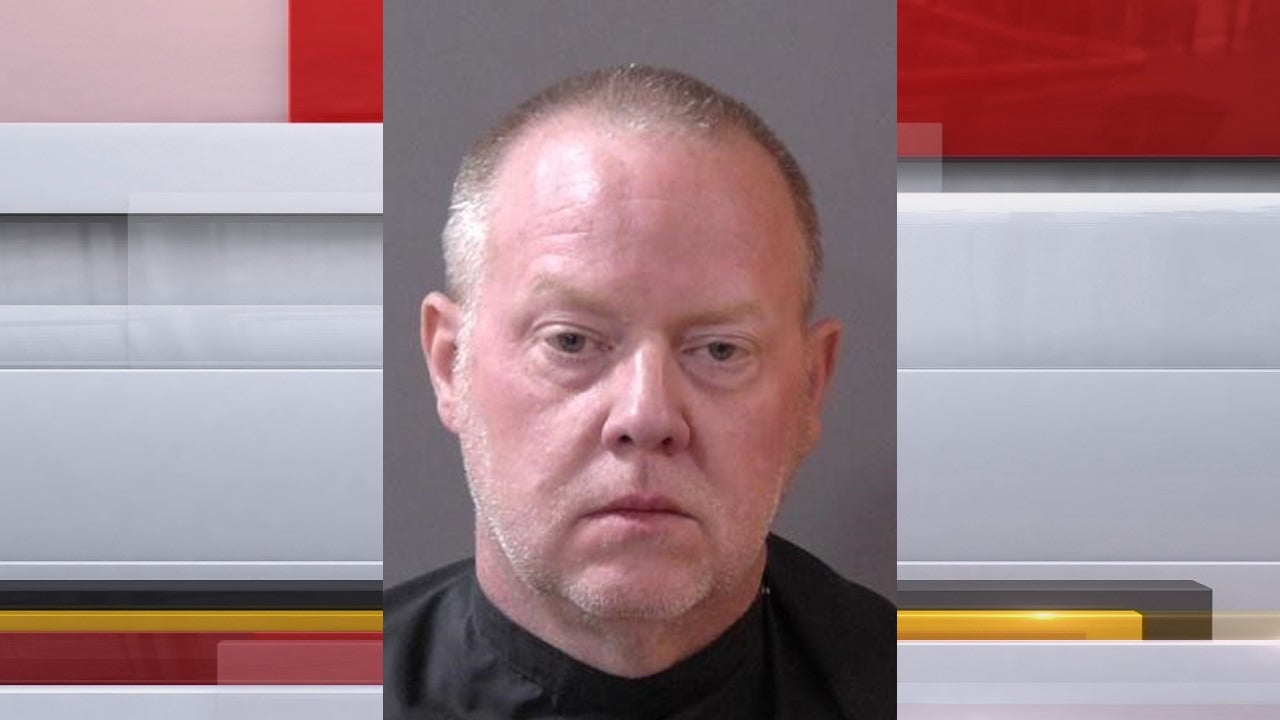
In a case that has sent shockwaves through the quiet community of Whitestown, Indiana, homeowner Curt Andersen has been formally charged with voluntary manslaughter following the fatal shooting of Maria Florinda Rios Perez de Velazquez, a house cleaner who, along with her husband, mistakenly arrived at his residence earlier this month. The tragic incident, which unfolded on the morning of November 5, 2025, approximately 20 miles north of Indianapolis, has ignited a fierce debate surrounding self-defense laws and the sanctity of one’s home versus the fundamental right to life.
Boone County Prosecutor Kent Eastwood announced the Level 2 felony charge against Andersen on Monday, underscoring a critical determination by his office: the shooting did not meet the stringent requirements for protection under Indiana’s "stand your ground" law. This statute typically permits individuals to use deadly force when they reasonably believe it is necessary to prevent serious bodily injury or death to themselves or others. However, the prosecutor’s investigation concluded that Andersen’s actions fell outside these legal boundaries, suggesting an absence of such a reasonable belief given the circumstances.
Eastwood emphasized that this decision should in no way be misconstrued as an assault on Indiana’s "stand your ground" law or an individual’s right to self-defense. Rather, he asserted, it was a judgment based solely on the specific evidence and prevailing circumstances of this particular case. The nuances of self-defense statutes often hinge on the concept of "reasonable belief," requiring an imminent threat that objectively justifies the use of lethal force. In this instance, with neither Perez nor her husband appearing to have entered the residence, the prosecution found insufficient grounds to invoke the statute’s protections.
Maria Florinda Rios Perez de Velazquez was identified by Eastwood as the victim, a dedicated house cleaner, wife to Mauricio Velazquez, and mother to four children. The couple had arrived at Andersen’s home as part of a cleaning crew, believing it to be the correct address for their scheduled work. Their attorney, Alex J. Limontes, articulated the family’s mixed emotions, expressing encouragement at the filing of charges in connection with Maria’s "tragic and preventable death." Limontes highlighted the profound loss and the family’s pursuit of accountability, truth, and justice, stating that Maria was simply "doing her job, supporting her family and contributing to her community" when her life was unjustly taken.
The events of that fateful morning began before 7 a.m. on November 5. Officers from the Whitestown Metropolitan Police Department responded to a report of a possible break-in at a subdivision. Upon their arrival, they discovered Perez deceased on the front porch of the residence, having sustained a fatal gunshot wound. Her husband, Mauricio Velazquez, who was present at the time, remained physically unharmed but was undoubtedly traumatized by the horrific scene.
Velazquez later recounted to CBS affiliate WTTV that the gunshot originated from inside the home, fired directly through the front door. Visual evidence from the aftermath of the shooting reportedly showed a bullet hole in the door, corroborating his account. Through an interpreter, Velazquez expressed his bewilderment and sorrow, questioning the homeowner’s immediate recourse to violence: "They should’ve called the police first instead of just shooting out of nowhere like that." This sentiment resonates deeply with many who believe that de-escalation and calling emergency services should precede the use of deadly force, especially when the perceived threat has not breached the home’s threshold.
The Whitestown police department promptly launched a thorough and impartial investigation into the incident, committing to interviewing all individuals involved and meticulously collecting and analyzing all relevant evidence. They pledged close cooperation with the Boone County Prosecutor’s Office, acknowledging the complexity of such cases and the need for a comprehensive understanding of all factors. In a statement released to the public, the department also made a plea for patience and responsibility, urging the community to refrain from sharing unverified information, as misinformation can be harmful to those involved and compromise the integrity of the ongoing investigation.
Indiana stands as one of 31 states with a "stand your ground" law, a legislative framework that has been the subject of considerable national debate. Critics argue that such laws can, in some instances, embolden individuals to use lethal force in situations that might otherwise be resolved without violence, or where the threat is not objectively severe enough to warrant it. Experts emphasize that the application of these laws must always be predicated on a "reasonable" assessment of danger. The Whitestown case, where the victims were merely at the wrong address and did not appear to pose an immediate threat, highlights the fine line between legitimate self-defense and unjustified aggression.
This tragic event echoes other high-profile cases across the United States where individuals have been shot after mistakenly approaching the wrong property. In 2023, a Black teenager in Missouri was shot and critically wounded after ringing the wrong doorbell; the shooter in that incident later pleaded guilty to felony assault. Similarly, in upstate New York that same year, a man was sentenced to 25 years to life in prison for fatally shooting a young woman who inadvertently pulled into his rural driveway. These incidents collectively underscore a disturbing trend and raise critical questions about heightened vigilance, fear, and the readiness to resort to deadly force in contemporary society.
The community of Whitestown, usually known for its peaceful suburban environment, now grapples with the profound implications of this incident. Residents are left to ponder the limits of self-defense, the potential for tragic misunderstandings, and the need for caution and communication. The death of Maria Florinda Rios Perez de Velazquez serves as a somber reminder of how a simple, innocent mistake can escalate into a fatal encounter, leaving behind a grieving family and a community seeking answers and justice.
As the legal proceedings against Curt Andersen move forward, the focus will remain on the detailed evidence, witness testimonies, and the precise interpretation of Indiana’s self-defense laws. Maria’s family, through their attorney, continues to advocate for a resolution that honors her memory and provides a measure of closure amidst their profound sorrow. This case is not just about a single shooting; it is a profound examination of how society balances the right to protect one’s home with the imperative to prevent needless loss of life, especially when an innocent mistake leads to such an irreparable outcome. The pursuit of justice for Maria Florinda Rios Perez de Velazquez will undoubtedly be a protracted and emotionally charged process, but one that her family and many observers believe is essential for truth and accountability.
Charlie De Mar and Kerry Breen contributed to this report.