What is the price of gold today?
Gold, the timeless precious metal, has captivated humanity for millennia, serving as a symbol of wealth, power, and stability. Far beyond its aesthetic appeal in jewelry, gold has carved out an indelible niche in global finance, frequently regarded as a form of universal currency and, more significantly, a pivotal investment commodity. Its allure intensifies particularly during periods of market volatility or economic uncertainty, cementing its reputation as a quintessential safe-haven asset and a potent hedge against inflation. Unlike fiat currencies, which can be printed at will by governments, gold’s scarcity and intrinsic value have historically allowed it to preserve purchasing power across generations. For savvy investors, understanding the intricate dynamics that govern gold’s price fluctuations is not merely an academic exercise but a critical component of making well-informed investment decisions. The ability of physical gold, such as bars and coins, to consistently retain its value makes it a compelling option for many seeking to diversify their portfolios and protect their assets against economic headwinds. However, the price of gold is not static; it is a living, breathing metric that reacts to a myriad of global forces, making real-time monitoring indispensable for optimal timing in acquisitions or sales.
As of November 17, 2025, the spot price of gold stands at an impressive $4,072.77 per ounce, a figure reported by reputable sources such as American Hartford Gold. This valuation reflects the market’s collective assessment of the precious metal’s worth at this specific moment. It is crucial for investors to recognize that this price is merely a snapshot in time. Gold prices are in a state of perpetual flux, subject to relentless shifts driven by a complex interplay of global economic indicators, geopolitical developments, and investor sentiment. Therefore, while this figure provides a current benchmark, it is a dynamic data point that necessitates continuous observation for anyone engaged in or contemplating gold investments.
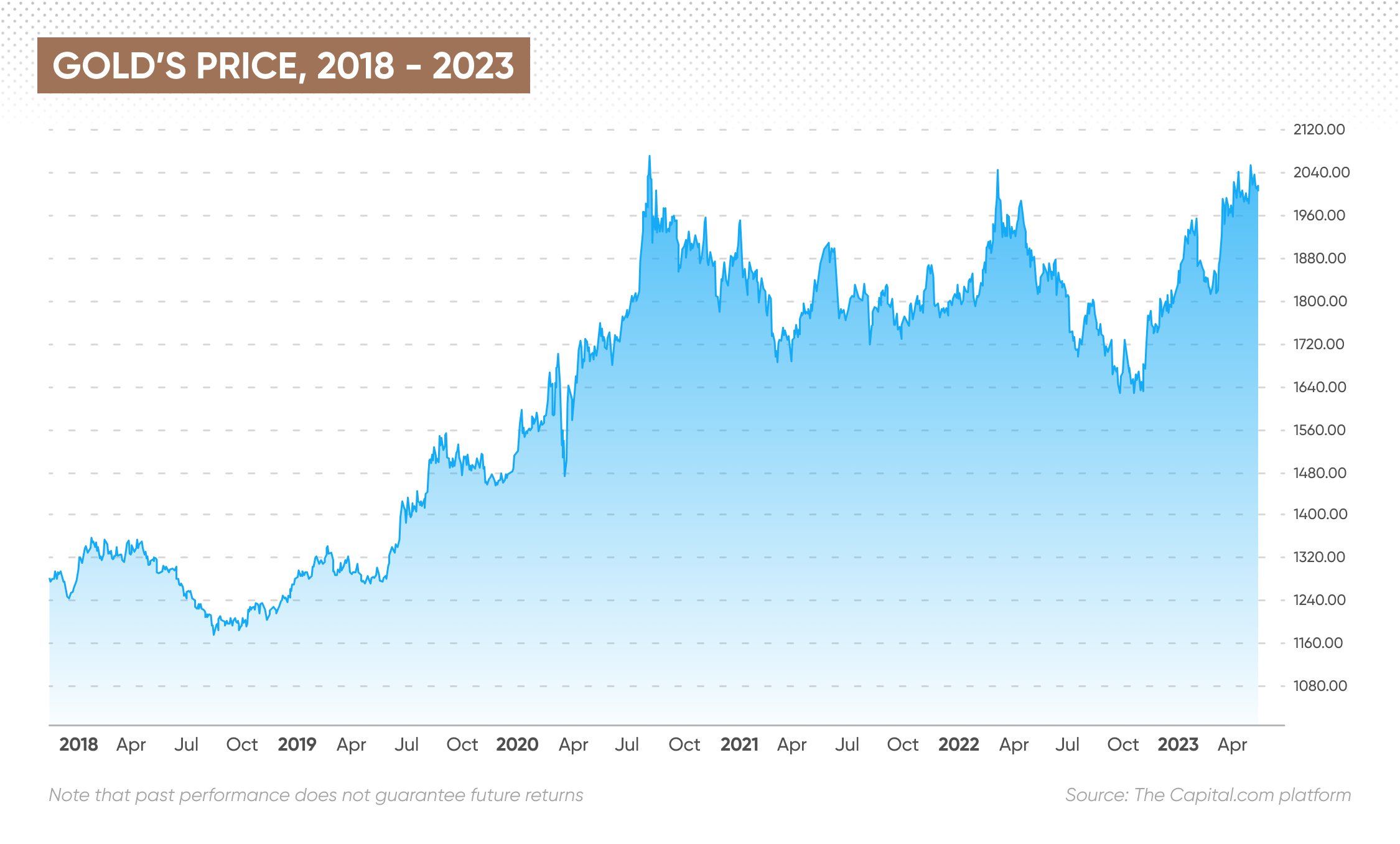
The enduring appeal of gold is deeply rooted in its historical significance and unique properties. For centuries, civilizations across the globe have utilized gold as a medium of exchange and a store of value, predating modern financial systems. Its resistance to corrosion, malleability, and striking luster made it ideal for coinage and adornment, establishing its intrinsic worth. This historical precedent contributes significantly to its modern-day perception as a "safe haven." When traditional financial markets, such as stocks and bonds, experience turmoil, investors frequently flock to gold, perceiving it as a reliable refuge where their capital can be preserved. This flight to safety is particularly evident during economic crises, political instability, or periods of high inflation. Unlike paper money, which can lose value due to inflation or government policies, gold’s finite supply and universal acceptance tend to safeguard its purchasing power. Its performance during recessions and market downturns often demonstrates an inverse correlation to other assets, making it an excellent portfolio diversifier capable of mitigating overall risk.
Numerous factors coalesce to influence the spot price of gold, creating a complex web of interactions that investors must navigate. Understanding these underlying drivers is paramount for anticipating market movements and strategizing investments effectively.
1. Supply and Demand Dynamics: At its most fundamental, the price of gold, like any commodity, is governed by the basic economic principles of supply and demand.
- Supply: This includes newly mined gold, which is influenced by discovery rates, mining costs (energy, labor), and technological advancements. Gold recycling (from old jewelry, industrial scrap) also contributes significantly to the overall supply. Any disruption to mining operations or a surge in recycling can impact supply.
- Demand: This is multifaceted, encompassing:
- Jewelry Demand: Traditionally the largest component, especially from emerging markets like India and China, where gold holds cultural significance.
- Industrial Demand: Used in electronics, dentistry, and medical applications due to its conductivity and resistance to corrosion.
- Investment Demand: This includes purchases of physical gold (bars, coins), gold-backed exchange-traded funds (ETFs), and gold mining stocks.
- Central Bank Purchases: Many central banks hold gold as part of their foreign exchange reserves, and their buying or selling activities can have a substantial impact on global demand.
2. Economic Conditions: The broader economic landscape plays a critical role in shaping gold prices.
- Inflation: Gold is widely considered an excellent hedge against inflation. When the cost of living rises and the purchasing power of fiat currencies erodes, investors often turn to gold to preserve their wealth, driving up its price.
- Deflation: While less common, periods of deflation can see gold’s price fall as the real value of cash rises, making non-yielding assets less attractive.
- Economic Growth/Recession: During robust economic growth, investors might favor riskier, higher-yielding assets like stocks. Conversely, during recessions or periods of slow growth, gold’s safe-haven appeal often increases, leading to price appreciation.
3. Interest Rates and Monetary Policy: Central bank interest rate decisions significantly impact gold.
- Rising Interest Rates: When central banks raise interest rates, the opportunity cost of holding non-yielding assets like gold increases. Higher rates make interest-bearing investments (like bonds or savings accounts) more attractive, potentially drawing capital away from gold.
- Falling Interest Rates/Quantitative Easing: Lower interest rates or expansionary monetary policies (like quantitative easing) make gold more appealing, as the return on other assets diminishes, and concerns about inflation might rise.
4. Geopolitical Events and Uncertainty: Global instability almost invariably boosts gold prices.
- Wars, Political Turmoil, Trade Disputes, Terrorism: These events create uncertainty and fear in financial markets, prompting investors to seek safe havens. Gold, with its universal acceptance and historical stability, becomes a primary beneficiary during such crises.
5. Currency Movements (Especially the U.S. Dollar): Gold is typically priced in U.S. dollars on international markets.
- Inverse Relationship with USD: A stronger U.S. dollar generally makes gold more expensive for holders of other currencies, potentially dampening demand and leading to a fall in gold prices. Conversely, a weaker dollar makes gold cheaper and more attractive, often leading to price increases.
6. Investor Sentiment and Speculation: Psychological factors and market sentiment can also influence gold prices.
- Fear and Greed: High levels of fear can drive investors to gold as a safe haven, while excessive greed might see them chase riskier assets.
- Technical Analysis: Traders often use technical indicators and chart patterns to predict future price movements, which can create self-fulfilling prophecies.
- Media Coverage: News reports and expert opinions can sway public perception and investor behavior, impacting demand.
7. Real Interest Rates: This is the nominal interest rate minus the inflation rate.
- Negative Real Rates: When inflation is higher than nominal interest rates, real interest rates are negative. In such an environment, the purchasing power of cash erodes, making gold, which offers no yield but preserves value, highly attractive.
8. Mining Production and Costs: The economics of gold mining itself play a role.
- Production Levels: If new gold discoveries decline or existing mines face operational challenges, supply can tighten, pushing prices up.
- Cost of Production: Rising costs for energy, labor, and regulatory compliance can make it more expensive to extract gold, potentially setting a floor for its market price.
9. Global Debt Levels: High levels of national debt and government deficits can erode confidence in fiat currencies, prompting a shift towards gold as a tangible asset not beholden to government liabilities.
10. Technological Advancements: While less direct, innovations in mining technology can increase supply efficiency, potentially impacting costs and, subsequently, prices. Conversely, new industrial uses for gold could increase demand.
For those considering an investment in gold, there are several avenues to explore. Physical gold, such as bullion bars and sovereign coins (e.g., American Eagles, Canadian Maples, Krugerrands), remains a popular choice for its tangibility and direct ownership. However, physical gold requires secure storage and may incur insurance costs. Alternatively, investors can opt for gold-backed Exchange Traded Funds (ETFs) or Exchange Traded Commodities (ETCs), which offer exposure to gold prices without the need for physical storage. These are easily tradable on stock exchanges. Another indirect method is investing in shares of gold mining companies, whose fortunes are closely tied to gold prices but also subject to company-specific risks. For retirement planning, specialized Gold IRAs allow investors to hold physical gold within a tax-advantaged retirement account. Each method carries its own set of advantages and disadvantages regarding liquidity, cost, and risk exposure, necessitating careful consideration based on individual financial goals and risk tolerance.
The bottom line is that the price of gold, like any other financial asset, is intricately influenced by a complex and ever-evolving interplay of supply and demand dynamics, prevailing economic conditions, inflation expectations, interest rate movements, geopolitical tensions, currency fluctuations, investor sentiment, and central bank policies. Given that gold’s spot price is subject to constant change, investors and enthusiasts alike must maintain a vigilant eye on these multifaceted factors to make informed decisions regarding their gold investments. Whether your intention is to treat gold as a steadfast store of value, a crucial portfolio diversifier, or a speculative investment, a profound understanding of the gold market’s underlying dynamics is absolutely crucial for navigating its complexities and making sound financial choices. Engaging with reputable financial advisors or top gold investing companies can provide invaluable guidance in this intricate landscape, helping to tailor strategies that align with your long-term financial objectives.