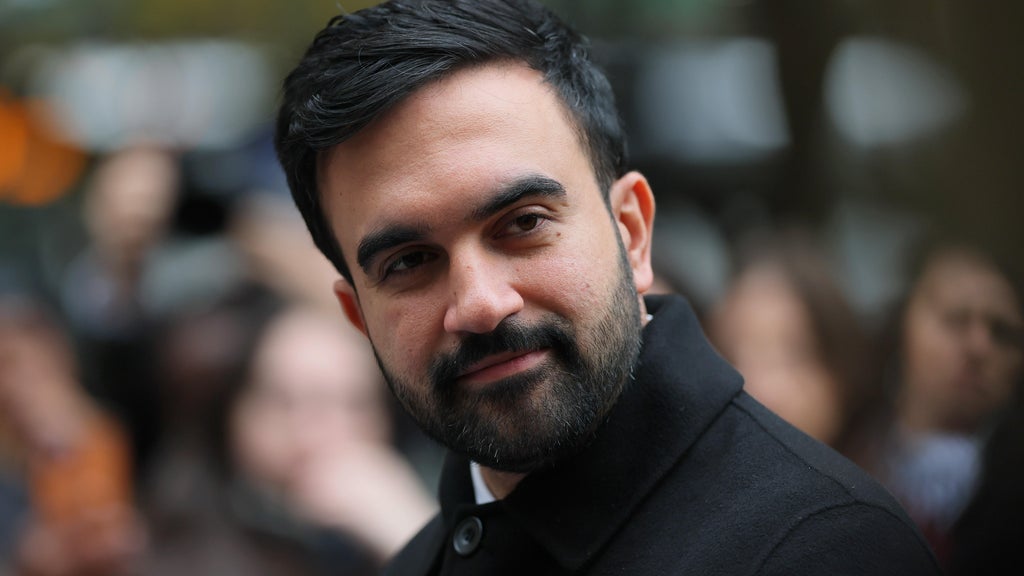
Zohran Mamdani says White House meeting with President Trump will highlight affordability concerns.
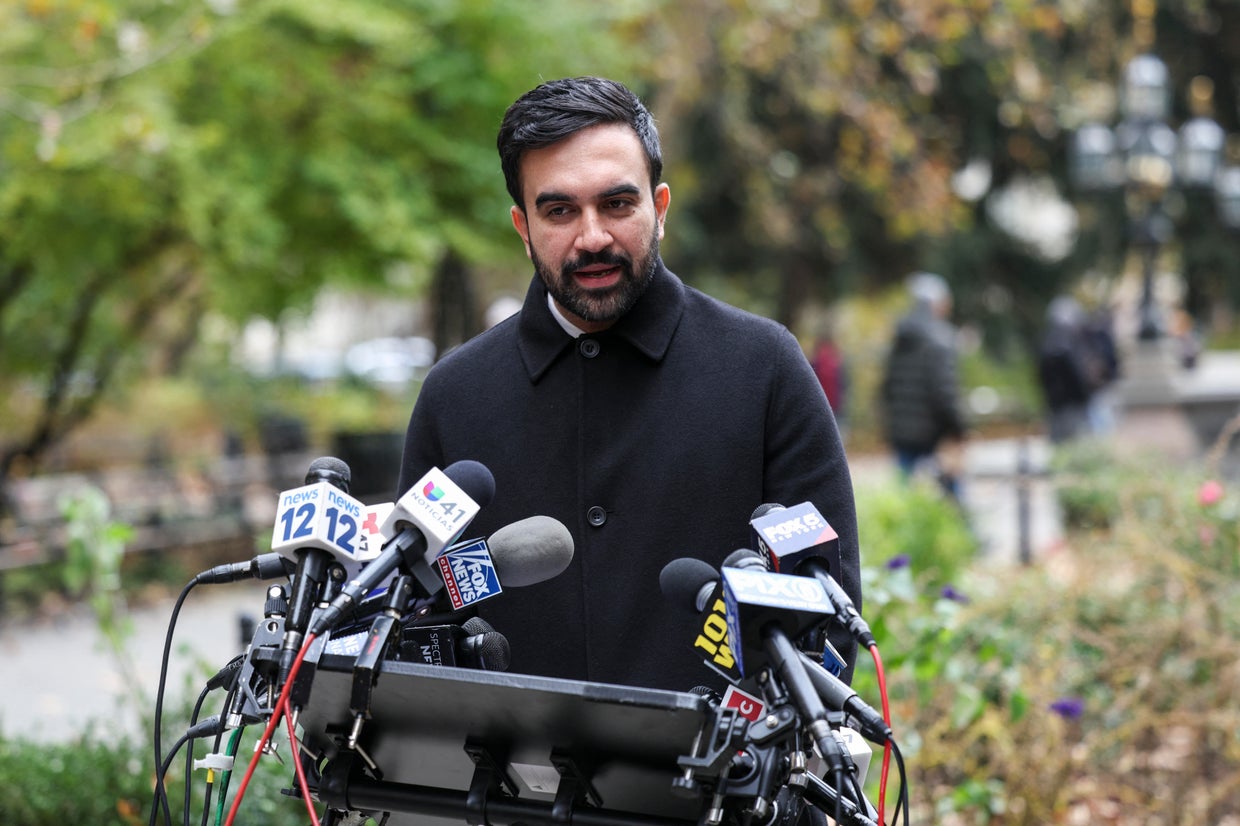
New York City Mayor-elect Zohran Mamdani is set to embark on a high-stakes visit to the White House on Friday, November 21, 2025, for a pivotal meeting with President Donald Trump. The newly elected mayor has made it unequivocally clear that his primary agenda for the 3 p.m. discussion will be the pressing issue of affordability, a challenge that reverberates deeply across New York City’s five boroughs. This encounter, confirmed by Mamdani during a news conference at City Hall Park on Thursday morning, comes a day after President Trump himself announced the upcoming dialogue, sparking widespread speculation about its potential to de-escalate the palpable tension between two leaders who have frequently exchanged public criticisms.
Mamdani framed the meeting as an "opportunity to make the case for New Yorkers," emphasizing his commitment to addressing economic security and public safety alongside the overarching affordability crisis. Despite the expected ideological clashes, he maintained a resolute stance, stating, "I’ll be ready for whatever happens." This sentiment underscores the gravity of the situation, as the relationship between New York City and the federal administration holds immense significance for the metropolis’s future.
Affordability Tops the Agenda Amidst National Crisis
At the heart of Mayor-elect Mamdani’s White House visit lies the formidable challenge of affordability. During his Thursday news conference, he articulated the critical importance of this discussion: "I will be heading to Washington, D.C. tomorrow to meet with President Trump at the White House. It is customary for the mayor of this city to meet with the White House, given their mutual reliance. It is more critical than ever, given the national crisis of affordability — one that New Yorkers know very well across these five boroughs — and the specific challenge many cities are facing with balancing public safety against steps taken by this administration."
Mamdani revealed that his team initiated the outreach to secure this meeting, driven by a pragmatic desire to collaborate across political divides. "I will work with anyone to make life more affordable for the more than 8.5 million people who call this city home," he affirmed. This willingness to engage, even with a president who has previously labeled him a "communist" and threatened to withhold federal funding, highlights Mamdani’s strategic approach to governance. He acknowledged the myriad disagreements he holds with the president but stressed the necessity of pursuing "all avenues and all meetings that could make our city affordable for every single New Yorker." His commitment is clear: "I intend to make it clear to President Trump that I will work with him on any agenda that benefits New Yorkers. If an agenda hurts New Yorkers, I will also be the first to say so."
The affordability crisis in New York City is multifaceted, encompassing soaring housing costs, increasing utility bills, and the daily struggles of residents to meet basic needs. Mamdani plans to delve into these specifics, advocating for federal support that could alleviate the financial burden on working families and vulnerable populations. This could include federal funding for affordable housing initiatives, infrastructure improvements that reduce transportation costs, and social programs designed to bolster economic security.
Seeking Common Ground in a Polarized Landscape
In a striking move to bridge ideological gaps, Mamdani suggested that New Yorkers might perceive this meeting as one between "two very different candidates who they voted for for the same reasons." He elaborated on this perspective, drawing from his post-election observations. Following President Trump’s 2024 election victory, Mamdani engaged with residents in neighborhoods that had shown significant swings toward Republican candidates, such as Hillside Avenue in Queens and Fordham Road in the Bronx.
"When I asked those New Yorkers who they voted for and why, I met many who voted for President Trump, and they told me it was the affordability crisis, it was cost of living, cost of living, cost of living," Mamdani recounted. "They said that they remembered being able to afford their rent, their child care, their Con Ed, their public transit more four years ago than they could in that moment." This shared concern over the escalating cost of living, Mamdani believes, represents a critical point of commonality between his progressive platform and President Trump’s populist appeal. He pointed to a compelling statistic: "1 in 10 New Yorkers who voted for Trump ended up voting for our campaign, and they did so because they’re looking for leaders to actually deliver on the cost of living crisis." This insight forms the bedrock of Mamdani’s strategy to find common ground, emphasizing that the fundamental economic struggles of ordinary citizens transcend partisan loyalties.
Facing the Unknown: Preparedness for Political Headwinds
CBS News New York’s Marcia Kramer pressed Mamdani on his emotional state heading into a meeting with a president who has been a vocal critic. Mamdani’s response exuded confidence and pragmatism: "This is an opportunity to make the case for New Yorkers, and it’s a case that reflects what New Yorkers are having to live through at this time." He underscored the dire statistics: one in four New Yorkers live in poverty, and one in five struggle to afford the $2.90 bus fare. "New Yorkers for whom the daily acts of life are becoming increasingly harder to afford," he continued. "And that’s an opportunity I have to make the case to President Trump, to the White House, as to what it means to have to suffer through this affordability crisis and what it means to make it even more difficult to do so."
When asked about the potential for negativity or confrontational remarks from President Trump or other Capitol Hill lawmakers, Mamdani remained unfazed. "Being a New Yorker means that you’re prepared for all situations, all kinds of comments, all kinds of commentary," he replied. "At the end of it, the focus has to be, what’s the case that you’re making, why are you there? And for me, it’s not about myself, it’s not about a relationship with an individual, it’s about a relationship between New York City and the White House, the president, the federal administration." This statement highlights Mamdani’s intention to prioritize institutional relations over personal political skirmishes, recognizing the crucial role the federal government plays in the city’s well-being.
The Indispensable Federal-City Relationship
The importance of establishing a functional relationship between the new Mayor-elect and the White House extends far beyond federal aid. As Marcia Kramer reported, several critical issues hinge on this dialogue. Federal funding is vital for a city of New York’s scale, impacting everything from infrastructure projects and social services to public housing and emergency response. Moreover, past threats from White House border czar Tom Homan to send more ICE agents into the city underscore the need for direct communication and potential de-escalation of policies that could significantly impact New York’s large immigrant population.
Perhaps less obvious but equally crucial is the requirement for a federal security clearance, which Mamdani will need to be briefed on terror threats and other sensitive law enforcement matters. The president holds the key to granting such clearance, making a cooperative relationship essential for national security and local public safety.
New York Governor Kathy Hochul, who has herself navigated a complex relationship with President Trump, expressed optimism about the meeting. She believes the two men can find common ground on practical issues. "Let’s get the Gateway Tunnel finished. Let’s work on our subway system, money that we need here in the city. And also just the conversation about how it is not necessary to send in the National Guard because crime is going down dramatically," Hochul stated, offering tangible areas for potential collaboration. CBS News New York inquired if Mamdani planned to meet with other lawmakers in Washington, with his team indicating that details would be revealed on Friday.
The White House’s Stance: A Calculated Engagement
The White House, through Press Secretary Karoline Leavitt, offered its perspective on the impending meeting, not shying away from President Trump’s past characterizations of Mamdani. "It speaks volumes that tomorrow we have a communist coming to the White House, because that’s who the Democrat party elected mayor of the largest city in the country," Leavitt stated, reiterating a familiar label. However, she quickly pivoted to underscore President Trump’s purported willingness to engage with all leaders: "I think it’s very telling, but I also think it speaks to the fact that President Trump is willing to meet with anyone, and talk to anyone, and to try to do what’s right on behalf of the American people, whether they live in blue states or red states or blue cities, and in a city that’s becoming much more left than I think the president ever anticipated in his many years of living in New York itself."
When pressed on whether Mamdani could sway the president from his past threats to cut off funding to New York City, Leavitt remained noncommittal, stating, "We’ll see how the meeting goes tomorrow, and I’ll let for the president speak for himself." This cautious response suggests that while the White House is open to dialogue, the outcome regarding federal aid remains contingent on the tenor and substance of the discussions.
Internal City Dynamics: Mamdani and NYPD Commissioner Tisch
The Mayor-elect’s remarks on Thursday also touched upon a significant development within his nascent administration: the announcement that NYPD Commissioner Jessica Tisch has agreed to remain in her leadership role. Mamdani addressed potential disagreements with Tisch, stating, "Every commissioner should be a fierce advocate for those that work for their department or their agency, and I look forward to ensuring that that is the case across the entirety of my administration — where, when I have a meeting with the commissioners, I know that they are bringing forth the concerns of those that they work with, those they represent, so we can make sure we are actually addressing them."
He framed any potential policy differences as constructive, adding that such disagreements "are actually signs of a healthy relationship." Mamdani emphasized his preference for honest counsel: "Too often mayors and leaders are looking to surround themselves with people who are characterized by the quickness with which they can say yes, as opposed to the quickness with which they can tell you their honest opinion." This approach signals a leadership style that values candid feedback and robust debate in shaping city policy.
As Zohran Mamdani’s transition team continues to take shape, he has also launched a fundraising effort, asking supporters to help secure $4 million for transition-related expenses. The Mayor-elect’s White House meeting, therefore, represents not only a critical diplomatic engagement but also a defining moment for his incoming administration, setting the tone for how New York City will navigate its complex relationship with the federal government under unprecedented political circumstances. The eyes of New Yorkers, and indeed the nation, will be on Washington as these two contrasting figures seek common ground on issues vital to millions.
Jessica Moore contributed to this report.