Israel receives remains of hostage Hamas says is Israeli soldier killed in 2014
In a significant and emotionally charged development, Israel has confirmed the reception of remains believed to be those of Hadar Goldin, an Israeli soldier whom Hamas claims was killed in Gaza in 2014 and whose body had been held in the territory ever since. This event marks a potential resolution to an agonizing 11-year saga for Goldin’s family and the Israeli nation, bringing a glimmer of closure amidst ongoing tensions in the region. The transfer was facilitated by the Red Cross, underscoring the complex humanitarian and political dimensions of the Israeli-Palestinian conflict.
Prime Minister Benjamin Netanyahu’s office promptly confirmed the arrival of the coffin carrying the fallen soldier’s remains. The transfer took place inside the Gaza Strip, where the coffin was handed over to Israeli military personnel and operatives from the Shin Bet, Israel’s domestic intelligence agency. Following the handover, the remains were transported to Israel’s National Center for Forensic Medicine for rigorous identification procedures. This meticulous process is standard practice to ensure absolute certainty regarding the identity of returned remains, especially given the sensitive nature of such cases.
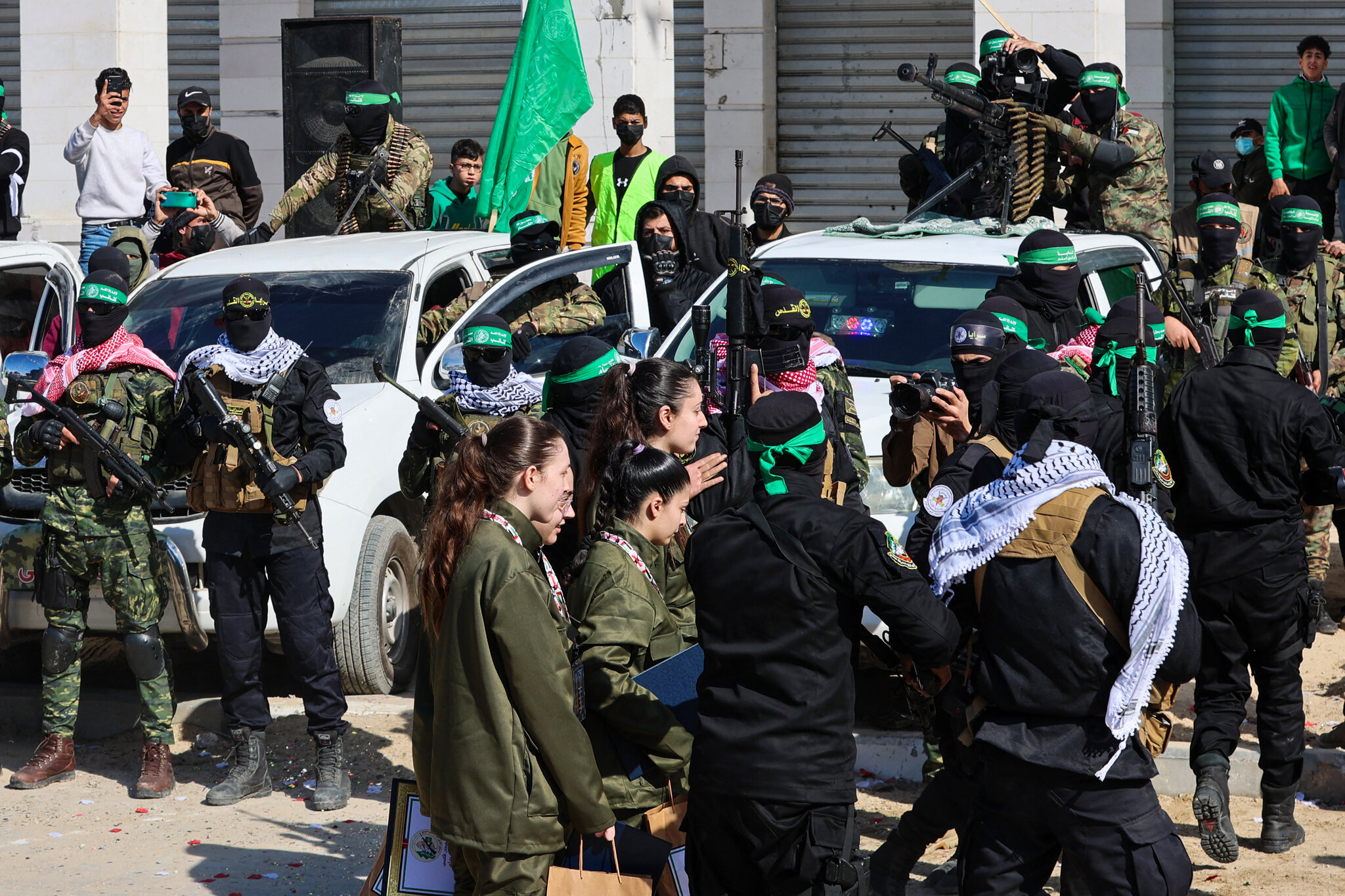
In a statement released by Netanyahu’s office, the profound impact of this development was acknowledged: "All the families of the fallen hostages have been informed, and our hearts go out to them at this difficult time." The statement also reaffirmed Israel’s unwavering commitment to its citizens, asserting, "The effort to return our hostages continues continuously and will not stop until the last hostage is returned." This pledge resonates deeply within Israeli society, where the return of captured or fallen soldiers and civilians is considered a sacred national duty.
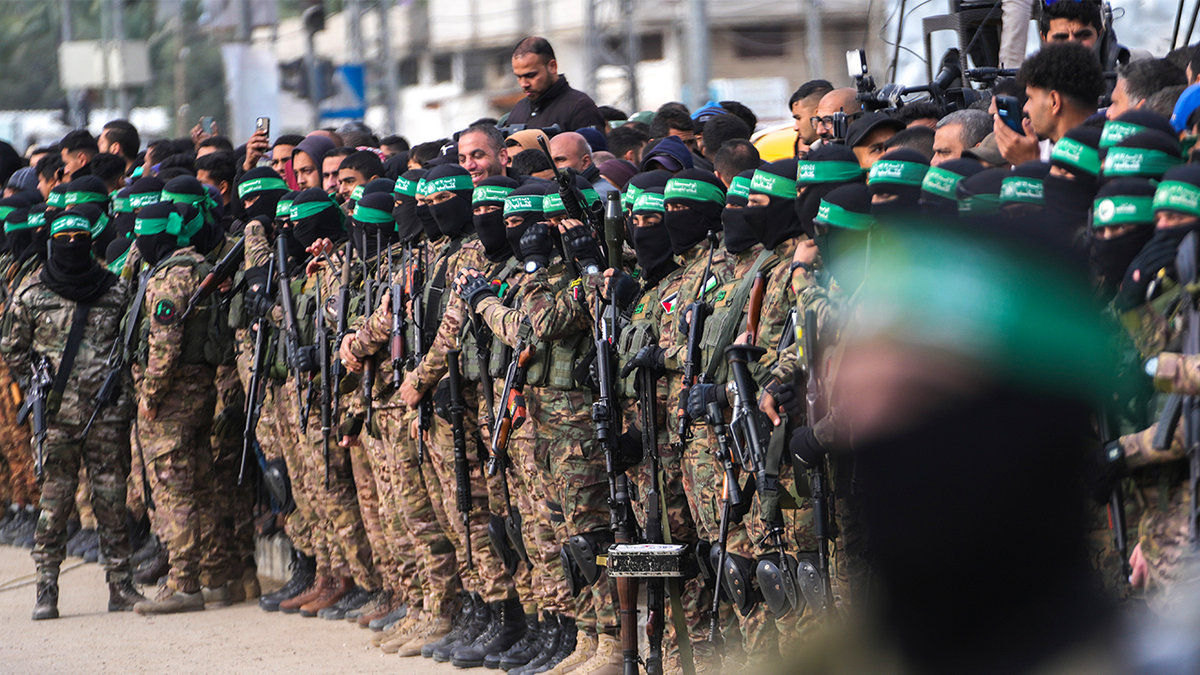
Hamas, the militant group controlling the Gaza Strip, stated that it located Hadar Goldin’s body in a tunnel within Rafah, the enclave’s southernmost city, on Saturday. Goldin’s death occurred on August 1, 2014, under tragic circumstances, merely two hours after a U.S.-brokered ceasefire was supposed to have taken effect, ending that year’s intense conflict between Israel and Hamas, known as Operation Protective Edge. The ceasefire violation and Goldin’s subsequent capture and reported death became a focal point of national grief and anger in Israel, symbolizing the fragility of any truce with Hamas.
The return of Goldin’s remains, if positively identified, represents a significant, albeit bittersweet, milestone within the broader context of the current U.S.-brokered truce. This truce, aimed at de-escalating the ongoing conflict and facilitating humanitarian exchanges, has been described by many observers as fragile and prone to faltering. The slow pace of returning the bodies of hostages, coupled with persistent skirmishes between Israeli troops and militants in various parts of Gaza, has cast a shadow of doubt over the truce’s long-term viability. For Hadar Goldin’s family, however, this development would bring an end to an excruciating 11-year wait, finally allowing them to provide their son with a proper burial. Goldin, along with another soldier, Oron Shaul, had become a potent national symbol in Israel, representing the ultimate sacrifice and the enduring pain of those left behind.
If the forensic identification confirms the remains are indeed Goldin’s, it would mean that the bodies of four other Israeli hostages would still remain in Gaza. The effort to retrieve all these remains continues to be a top priority for the Israeli government and a source of constant anguish for the affected families.
Speaking at the start of a weekly Cabinet meeting, Prime Minister Netanyahu articulated the profound relief and historical significance of the potential return. He acknowledged the "great agony of his family, which will now be able to give him a Jewish burial." In Jewish tradition, a proper burial is of immense religious and emotional importance, providing closure and honoring the deceased. The inability to bury a loved one, especially a fallen soldier, has been a source of immense national and personal suffering for over a decade.
The Goldin family, alongside the family of Oron Shaul, another soldier whose body was taken during the 2014 conflict, had spearheaded a very public and tenacious campaign to bring their sons home for burial. Their tireless advocacy, marked by numerous protests, media appearances, and diplomatic efforts, kept the issue alive in the national consciousness. Earlier this year, Israel successfully recovered the remains of Oron Shaul, offering a precedent and renewed hope for Goldin’s family. These campaigns highlight the deep cultural and religious imperative within Israel to recover and properly bury its fallen, regardless of the time elapsed or the political complexities involved.
Netanyahu further emphasized that the government’s commitment extends beyond the current conflict, pledging to continue efforts to bring home the bodies of other Israelis killed while serving the country. Among the prominent cases he cited was that of Eli Cohen, a legendary Israeli spy who was publicly hanged in Damascus in 1965. Cohen’s exploits, which were dramatized in "The Spy," a 2019 television series, cemented his status as a national hero. The quest to retrieve his remains from Syria symbolizes Israel’s enduring dedication to its heroes and its refusal to leave anyone behind, regardless of the historical context or geographical barriers.
Israeli media, often citing anonymous officials privy to the sensitive negotiations, had previously reported on the intricate dynamics surrounding the release of Goldin’s body. These reports suggested that Hamas might have been delaying the transfer, potentially hoping to leverage the remains as a bargaining chip. The alleged aim was to negotiate safe passage for over 100 militants believed to be surrounded by Israeli forces and trapped in the so-called "yellow zone" in Rafah. This "deal within a deal" scenario illustrates the complex and often cynical nature of such exchanges, where human remains become objects of negotiation.
Gila Gamliel, the Minister of Innovation, Science and Technology and a prominent member of Netanyahu’s Likud party, publicly addressed these reports on Army Radio. She firmly rejected the notion of negotiating a "deal within a deal," stating, "There are agreements whose implementation is guaranteed by the mediators, and we shouldn’t allow anyone to come now and play (games) and to reopen the agreement." Her comments reflect the Israeli government’s position that any exchange should adhere strictly to the terms of existing agreements, without allowing for new demands or renegotiations that could complicate or derail the broader truce. Hamas, for its part, did not issue any official comment regarding a possible exchange for its fighters trapped in the "yellow zone," though the group did acknowledge the ongoing clashes in that area, confirming the underlying tension and military activity that fuel such bargaining positions.
The somber period of returns also included the funeral for Staff Sgt. Itay Chen, an American-Israeli soldier whose body was returned last week. Chen was tragically killed during Hamas’ devastating terrorist attack on October 7, 2023. His funeral was held on Sunday in Tel Aviv, drawing hundreds of mourners. Chen, 19, from the 77th Battalion of the 7th Brigade, was abducted by Hamas after falling from a tank during the initial assault. His death was officially confirmed on March 10, 2024, after months of agonizing uncertainty for his family, who had tirelessly campaigned for his return.
Hundreds gathered to pay their last respects at his funeral at Kiryat Shaul Cemetery in Tel Aviv. The ceremony was a poignant reminder of the human cost of the conflict and the international dimensions of the tragedy. U.S. envoy Steve Witkoff delivered a moving eulogy, highlighting the profound impact Chen’s story had on people worldwide. "I did not know Itay in body, but I came to know him through the strength of those who loved him. His family’s courage, their refusal to let this world forget him, became a beacon not only for myself, but for so many others worldwide," Witkoff said. He added, "They reminded us that even in the darkness, light is not extinguished. It waits to be carried by those who refuse to give up." His words underscored the universal themes of grief, resilience, and the enduring hope for peace.
Since the current ceasefire began last month, militants in Gaza have released the remains of 23 Israeli hostages. This ongoing process is a crucial component of the truce deal, which stipulates that the militants are expected to return all of the remains of hostages held in Gaza. In a reciprocal arrangement, for each Israeli hostage’s remains returned, Israel has been releasing the remains of 15 Palestinians. Ahmed Dheir, director of forensic medicine at Nasser Hospital in the southern Gaza city of Khan Younis, provided an update on this exchange, stating that the remains of 300 Palestinians have now been returned to Gaza, with 89 of them successfully identified. This exchange of remains is a grim but necessary aspect of conflict resolution, allowing families on both sides to mourn and bury their dead.
The current conflict was ignited by the Hamas-led attack on southern Israel on October 7, 2023. That devastating assault resulted in the deaths of approximately 1,200 people, the vast majority of whom were civilians, and led to the kidnapping of 251 individuals, both soldiers and civilians. In response, Israel launched a large-scale military operation in Gaza. On Saturday, Gaza’s Hamas-run Health Ministry reported that the number of Palestinians killed in Gaza had risen to 69,176. The ministry, which operates under the Hamas-run government and is staffed by medical professionals, maintains detailed records of casualties, which are generally viewed as reliable by independent experts, though specific figures are often debated and updated. The ongoing returns of remains, while offering a measure of closure, serve as a stark reminder of the immense human toll of this protracted and tragic conflict.