Best Merino Wool Clothing (2025): Base Layers, Hoodies, Jackets & More
Merino wool stands as a true marvel in the world of textiles, a super fiber seamlessly blending performance with natural comfort. It possesses the remarkable ability to regulate temperature, offering coolness in scorching 95-degree heat and unparalleled warmth in sub-freezing conditions through its expertly designed base layers. Unlike synthetic alternatives derived from petroleum, merino wool is a sustainable, natural, and renewable resource. Its inherent versatility has led to a vast and sometimes overwhelming array of blends and options available on the market. Our selections below are the result of rigorous, real-world testing—worn and washed (typically in cold water and air-dried, though we’ve also machine-dried some to assess durability) over many months, and in some cases, years. This updated guide for November 2025 includes exciting new additions like T-shirts from Huckberry’s Proof and Taylor Stitch, a Minus33 base layer for extreme cold, Ridge Merino’s innovative Cloudripper merino-grid fleece blend, Wool&’s Roam Convertible Wrap Bra, and Proper Cloth’s exquisite dress shirt. For a broader look at performance apparel, don’t miss our other guides, including the Best Merino Wool T-Shirts, Best Base Layers, Best Puffer Jackets, Best Hoodies, and Best Hiking Boots.
Why Is Merino Wool So Great?
The extraordinary properties of merino wool stem from nature’s own engineering: you’re essentially harnessing a sheep’s innate ability to thermoregulate, keeping itself comfortable across a wide spectrum of temperatures. If your only experience with wool is the scratchy sweaters your grandmother might have knitted, prepare for a revelation. Merino sheep produce exceptionally thinner, softer fibers that have evolved to provide comfort directly against the skin. Beyond comfort, wool is an inherently sustainable material. A single merino sheep can produce between 4 to 5 pounds of wool annually, making it a highly renewable resource. While it’s a playful thought that merino sheep drink only the purest alpine waters and train with "stuck-up Pashmina goats" for their softness, the reality is that their unique breed naturally yields this luxurious, fine wool that has become a cornerstone of my personal wardrobe.
Merino wool garments are often categorized by their weight, typically expressed as "grams per square meter" (gsm or g/m²). Understanding this scale is crucial for selecting the right garment. For instance, lightweight items like T-shirts and underwear usually fall into the 150 gsm range, though some can be as low as 120 gsm. These lighter weights are ideal for base layers or casual wear in milder conditions. Mid-layers, offering more warmth, are generally found between 200 to 300 gsm. Anything above 300 gsm signifies a heavier garment, akin to a robust outer layer or a very warm mid-layer. For those familiar with synthetic fleece ratings, a rough comparison can be helpful: 120–160 gsm merino wool is comparable to 100-weight fleece, 160–200 gsm merino to 200-weight fleece, and anything above 200 gsm merino rivals 300-weight fleece. In nearly all cases, merino wool offers superior warmth due to its exceptional heat-trapping capabilities, particularly in windy conditions. However, synthetic fleece still has its niche, especially when extreme lightness is the primary concern.
Nuyarn represents an innovative hybrid weave, combining the best of merino wool with synthetic durability. It involves wrapping fine merino wool fibers around a high-strength nylon core. This ingenious construction aims to deliver the superior temperature regulation and natural comfort of merino, while significantly enhancing the garment’s lightness and overall longevity, thanks to the nylon core. In our extensive testing, Nuyarn consistently performs well, particularly shining as a top choice for demanding base layers where durability is paramount. For more casual wear, however, many still prefer the pure, unadulterated feel of 100 percent merino wool.
How to Care for Merino Wool
Proper care is essential to maximize the lifespan and performance of your merino wool garments. Always refer to the specific care instructions provided with each product, but general guidelines often include washing in cold water and laying flat to dry. Laying flat is crucial, as the water weight can stretch delicate wool garments if hung. While most merino labels permit machine washing on a gentle cycle, our experience suggests that hand-washing, especially for very lightweight (150 gsm) base layers and T-shirts, will significantly extend their life. It’s also advisable to use a wool-specific detergent. A notable exception is Minus33’s Microweight Raglan short sleeve T-shirt, which has proven exceptionally durable even with regular machine washing and tumble drying over a year of use, without shrinking or losing its shape or color.
For long-term storage, proactive measures against moths are vital, as these pests are notorious for causing irreparable damage to wool. To avoid the strong scent of mothballs, several effective alternatives exist. First, ensure all garments are thoroughly washed and completely dry before storage. Then, seal them in an airtight compression bag, like this one, or wrap them in cotton and place them in a plastic storage bin. Absolute dryness is paramount to prevent musty odors and mold growth. Other natural deterrents include cedar chests, which naturally repel moths, or the use of moth traps and lavender sachets for added protection and a pleasant scent. Regularly airing out your wool garments can also help deter pests.
100 Percent Merino vs. Blends
The choice between 100 percent merino wool and a merino blend often boils down to the garment’s intended use, your personal preferences, and the specific performance characteristics desired. The best approach is to experiment with both to discover what suits you. Blends typically offer enhanced stretch, making them particularly well-suited for active pursuits like hiking, rock climbing, and other high-movement activities where flexibility is key. They often incorporate a small percentage of synthetic fibers like nylon or spandex to boost durability and elasticity without significantly compromising merino’s core benefits. Conversely, 100 percent merino often excels in heavier mid-layers such as hoodies or jackets, where its pure insulating properties and luxurious softness are most valued. Generally, for layers worn closest to the skin, a blend—especially Nuyarn—is often preferred for its improved durability and performance in high-sweat situations.
Furthermore, the market offers intriguing alpaca blends, which are exceptionally soft. Brands like Paka and Arms of Andes produce excellent alpaca items. If you find merino wool irritating, it might be due to a sensitivity to lanolin, a natural oil found in sheep’s wool. Alpacas, however, do not produce lanolin, and their fibers are even finer and softer than merino, offering superior warmth and a luxurious feel, though often at a higher price point. Alpaca is also known for its excellent breathability and moisture-wicking properties, making it another fantastic natural fiber choice.
Merino vs. Synthetic Fibers
When comparing merino wool to synthetic fibers (such as polyester, nylon, polypropylene, rayon, or their blends, excluding cotton and linen), the answer, frustratingly, often remains ‘it depends’ – but usually, merino holds the advantage for comfort and odor control.
Synthetics generally outperform merino in rapidly wicking away sweat and drying quickly, leading to a drier feel. This characteristic makes them a common choice for items like socks and underwear, where even "merino" options frequently contain over 50 percent synthetic material to enhance moisture management and reduce drying time. This fast-drying capability can be crucial in extremely wet environments or for multi-day trips where quick drying is essential.
However, the significant drawback of synthetics is their propensity to retain odors. Synthetic fibers, being plastic-based, provide a fertile breeding ground for bacteria that cause body odor. While some chemical treatments attempt to mitigate this, no synthetic fabric we’ve tested has matched merino wool’s natural, long-lasting odor resistance. Merino wool’s complex fiber structure and natural antibacterial properties actively inhibit odor-causing bacteria, allowing garments to be worn for days, or even weeks, without needing a wash, a huge advantage for travelers and outdoor enthusiasts.
Merino truly excels in breathability, a department where synthetics are merely passable. Its natural crimp creates small air pockets that insulate and allow air to circulate, keeping you cool when it’s hot and warm when it’s cold. In scenarios like ascending an exposed slope into direct sun and then descending into a cool, shaded forest, merino’s superior breathability minimizes sweat accumulation, preventing a chilling effect when temperatures drop. This dynamic thermoregulation is a key differentiator, adapting to your body’s needs more effectively than most synthetics. The impact of this depends on individual body physiology and activity level.
Durability is another consideration. In certain high-abrasion contexts, such as bushwhacking or rock climbing, synthetics may offer greater resistance to snags and tears and potentially outlast pure merino. This factor reinforces the argument for merino blends in activewear, providing a balance of wool’s benefits with enhanced resilience, especially for activities where garments endure significant wear and tear. However, for everyday wear and most outdoor activities, well-constructed merino wool garments are surprisingly robust.
To really see how remarkable merino wool is, start at the bottom, with the clothes next to your skin. Merino really shines as a base layer. It’s warmer for the weight, wicks moisture well, and unlike synthetic fabrics, merino stays stink-free for days of wear. Be sure to read our layering guide for more on how to put it all together and stay comfortable in any weather. We also have a separate guide to the best base layers if you want to know all your options, but here are our top merino picks from that guide.
Best Lightweight Base Layer
Ibex Woolies Pro Tech Crew
Ibex Woolies Pro Tech base layer crew is the best lightweight merino base layer we’ve tested. If you want a hard-wearing shirt for active pursuits, this is it. Woolies are crafted from Nuyarn (see above), which is 85 percent merino wool and 15 percent nylon—the merino wool is wrapped around a nylon core, significantly increasing warmth while maintaining a lighter weight (5 oz for the men’s large) and superior durability. This is my top pick for all things technical; it’s what I bring hiking, backpacking, and reviews editor Adrienne So’s choice for running, climbing, and other high-aerobic activities in cold weather. I also highly recommend the matching Woolies Pro Tech Bottoms ($115), which are indispensable for backpacking in all but the warmest conditions. There’s also a quarter-zip version of the shirt if you prefer adjustable ventilation. Aside from comfort and warmth, a big part of the reason we recommend Woolies is their legendary longevity. Ibex, founded in 1997, is a heritage company in this space. Adrienne’s parents bought her two sets of Ibex base layers in 2001 that she still wears today, in the year of our Lord 2025, a true testament to their enduring quality. Properly cared for, Woolies will keep you comfortably warm for years to come.
Best Heavyweight Base Layer
Smartwool Merino Classic Long-Sleeve
When I need something a bit warmer than the lightweight Ibex Woolies, I consistently reach for Smartwool’s Classic long sleeve base layer. These are arguably the most popular merino shirts available, and for excellent reasons: they’re incredibly comfortable, offering a slightly looser fit than technical base layers, and feature heavy-duty flatlock seams that prevent chafing, especially under a pack. The shoulder seams are also strategically offset for enhanced comfort when carrying a backpack. Composed of 87 percent merino wool blended with nylon, these shirts are exceptionally durable while remaining relatively lightweight (10.3 oz for a men’s large). This Smartwool shirt, along with the matching pants ($115), is perfect for chilly winter days, providing substantial warmth without excessive bulk.
Unbound Long-Sleeve Merino Crew
The picks above all have what my wife calls "that sporty look," which the industry refers to as "technical." This 100 percent merino shirt from Unbound is the opposite: it just looks like a versatile, long-sleeve crew shirt. It’s incredibly soft and, while it does pill a bit if you run it through the dryer (so don’t!), it has proved itself plenty durable—I’ve been wearing it constantly for over a year now, and it still looks as good as the day I got it. It’s the long-sleeve, base layer twin to our favorite T-shirt (see below). It’s on the thinner side for a traditional base layer, which makes it perfect for those cool weather mornings in the shoulder seasons or as a comfortable layer indoors. It’s exceptionally versatile too; it can be used as a primary base layer, but it also works perfectly as a standalone T-shirt when it’s not too chilly. The fit runs true to size, and if your preferred color or size is sold out, be patient; Unbound frequently updates its stock.
Here’s a few more excellent base layer options to consider, but for a comprehensive overview, really, go read the base layer guide.
Ridge Merino Aspect High Rise Base Layer Bottoms
These are another fantastic option for women seeking base layer bottoms that transition seamlessly from outdoor adventures to casual wear around town. Made with a comfortable merino blend, they offer excellent thermoregulation and odor resistance. My daughter has even worn them under shorts for no-gi jiu-jitsu, and they’ve held up remarkably well, a true testament to their durability and resilience against rigorous activity.
Minus33 Heavyweight Yukon Thermal Long Sleeve
If you’re preparing for extreme cold, New Hampshire-based Minus33 is the company to trust. Where I live, winter temperatures regularly dip well below 0°F, and the Yukon truly comes into its own. The impressive 400 gsm weave of 100 percent merino wool feels more like a substantial sweatshirt than a typical base layer. This robust construction provides exceptional warmth, making it an absolute necessity if you reside in colder northern climates or plan expeditions into frigid environments. It’s designed to keep you insulated and comfortable when lesser layers would fail.
Merino Mid Layers
Fleece certainly has its place in outdoor apparel, but I rarely wear it these days for mid-layers. I consistently prefer merino for its superior ability to help the body regulate its temperature across varying conditions. The one area where fleece still holds a slight advantage for me is in backpacking, where it’s almost always lighter for comparable warmth, making it a go-to for minimizing pack weight.
Ibex Mammoth Hoodie
Like the Northern Lights or the McRib, the thickest Ibex wool hoodie appears irregularly and with some fanfare. The Mammoth Hoodie is indeed a big, furry beast of a garment—it’s basically the weight of the classic American Giant hoodie but made of 85 percent wool cut with 15 percent nylon for added warmth, stretch, and resilience. Ibex confidently states it’s the warmest hoodie they’ve ever made, and in my week of testing, I’ve used it effectively in place of a jacket in mid-30s Fahrenheit temperatures. It boasts an athletic cut, complete with zippered pockets to secure essentials and thumb holes to keep sleeves in place and provide extra hand warmth. I do find myself wearing a stocking hat with it in very cold conditions, as the scuba hood is designed for a snug fit under a helmet, meaning it’s too small to provide sufficient warmth for my large, shaved head on its own. —Martin Cizmar
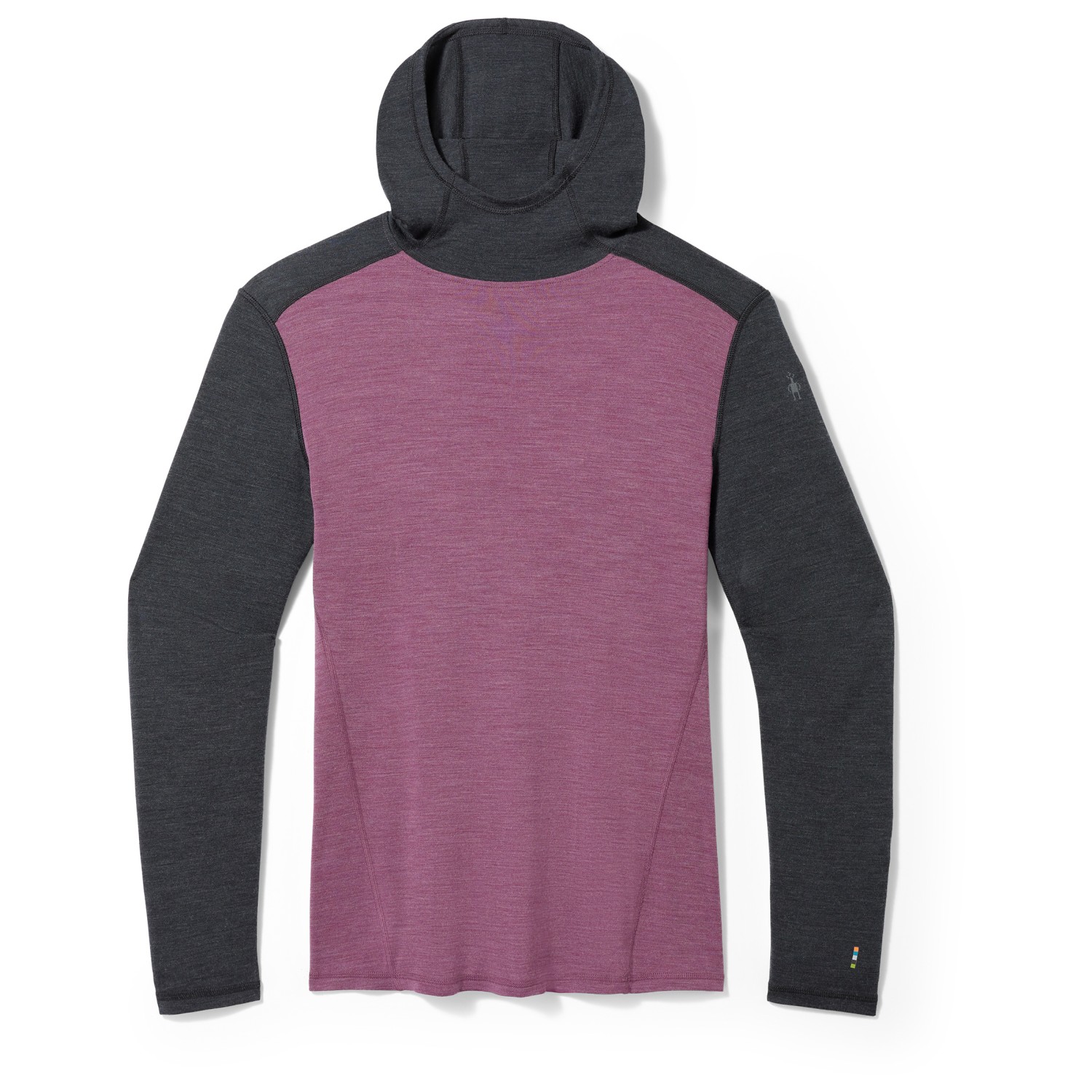
Ibex Indie Hoodie
WIRED’s commerce director, Martin Cizmar, tested this midweight wool hoodie and enthusiastically says it’s now one of his "absolute favorite pieces of clothing." See what good wool does for you? Makes you a fan. The cut on this one is sporty but not overly tight, allowing for