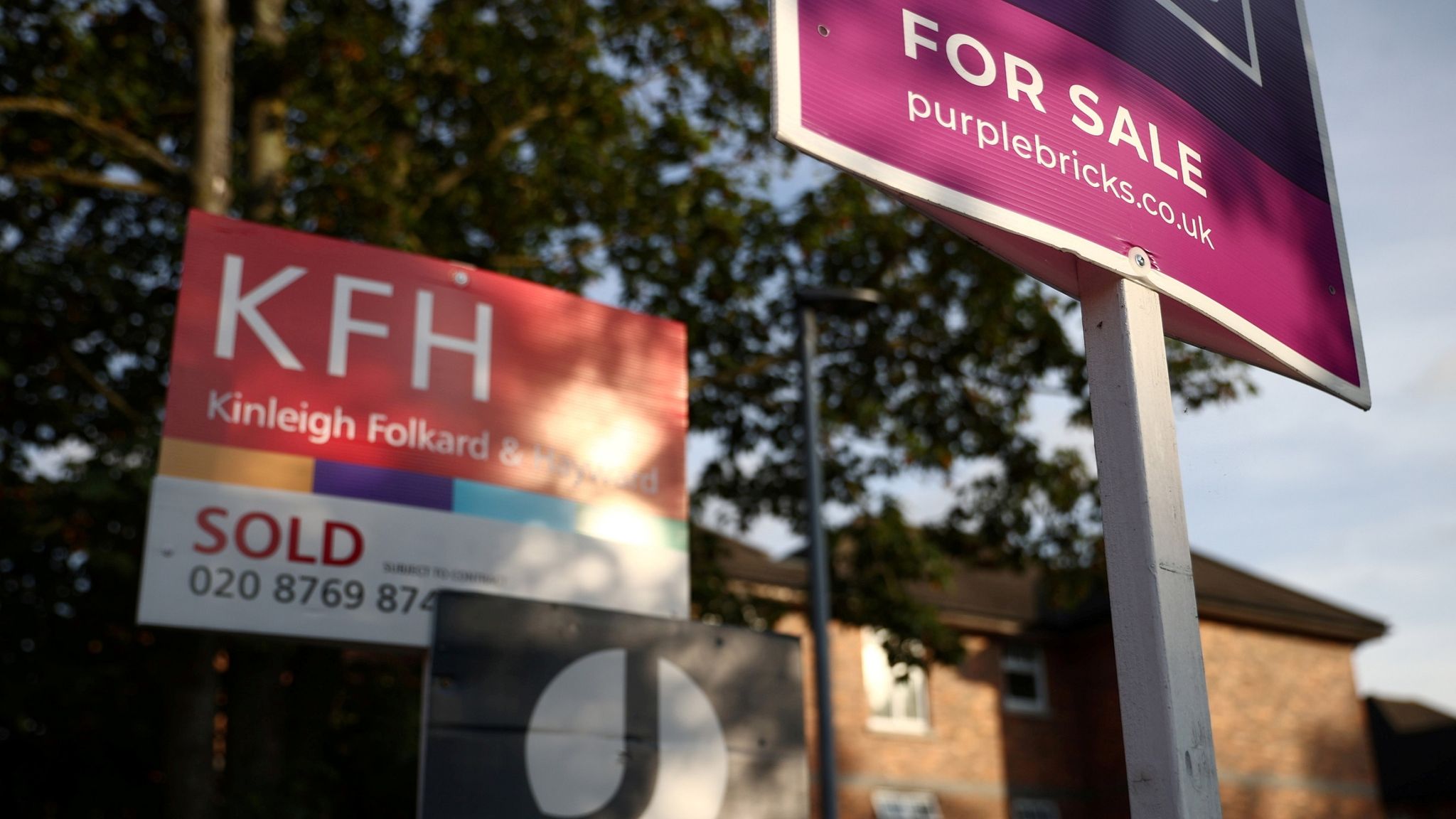
What the Trump administration’s 50-year mortgage plan could mean for homebuyers
The Trump administration is actively exploring a groundbreaking proposal for a 50-year mortgage, a plan that Federal Housing Finance Agency Director Bill Pulte has heralded as "a complete game changer" and a "potential weapon in a WIDE arsenal of solutions that we are developing right now." This initiative, confirmed by Pulte over a recent weekend, aims to address the persistent challenges of housing affordability in the United States, offering a dramatically extended repayment period compared to the conventional 30-year term. While the prospect of lower monthly payments might initially appeal to many struggling to enter the housing market, experts are quick to point out significant financial implications, primarily a dramatic increase in the total cost of the loan and a substantially slower pace of equity accumulation.
The core premise behind a half-century mortgage is to reduce the burden of monthly payments by spreading the principal and interest over a much longer duration. Kate Wood, a lending expert at NerdWallet, elaborated on this, stating, "Borrowers might be able to pay less monthly principal and interest, since the loan would be spread out over half a century." This immediate relief on a household’s monthly budget is the primary draw for potential homebuyers facing record-high home prices and elevated interest rates. However, Wood quickly cautioned about the long-term trade-off: "But the total interest paid over the life of the loan would be staggering, since even with a low rate, you’re looking at 50 years’ worth of interest."
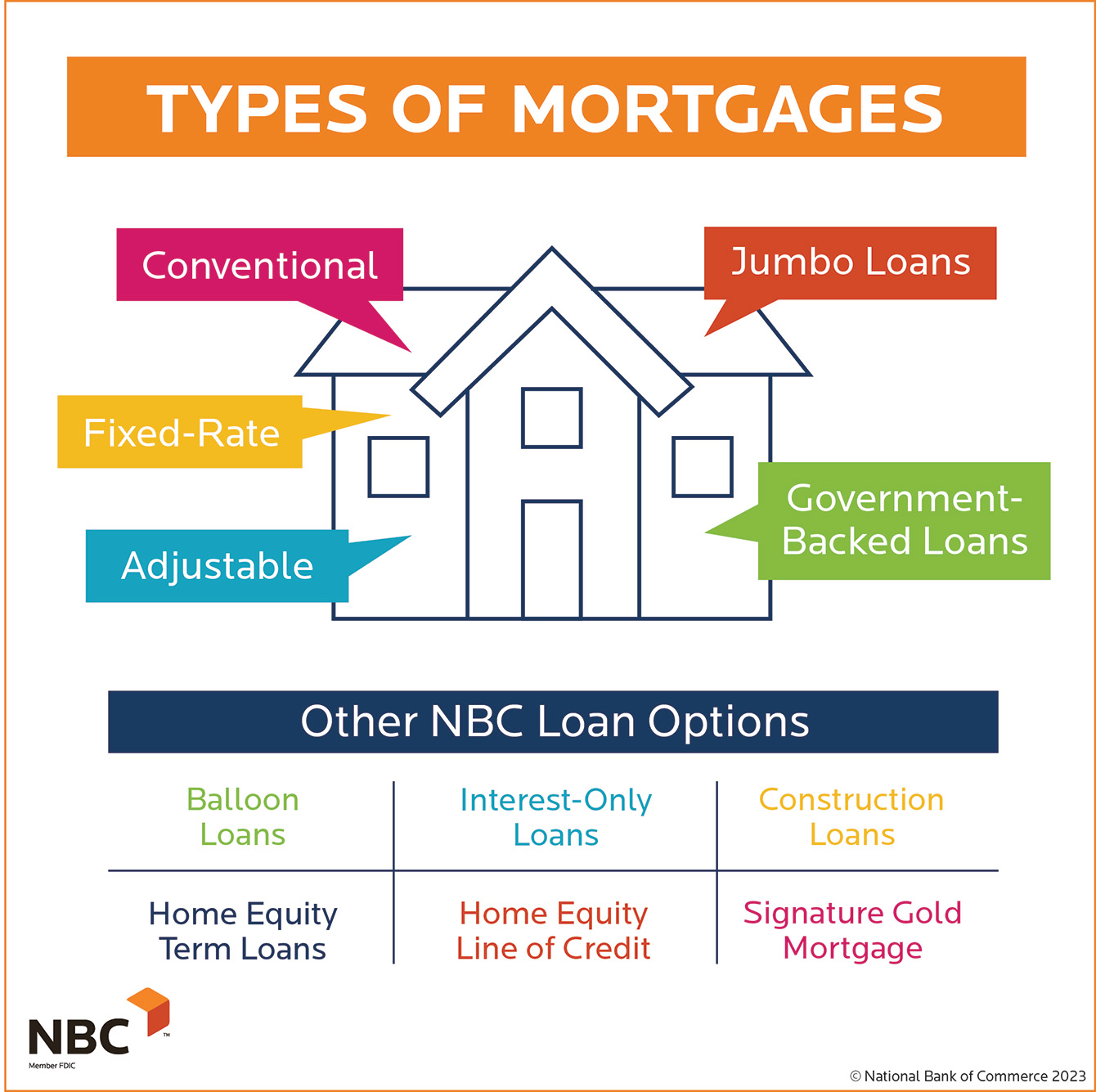
To illustrate the financial implications, consider a hypothetical scenario: a homebuyer looking to purchase a $400,000 home with a 10% down payment, requiring a $360,000 loan. Joel Berner, a senior economist at Realtor.com, provided a compelling analysis for CBS News. Assuming, for a moment, that both a 30-year and a 50-year loan carried the same interest rate of 6.25% (a highly unlikely scenario, as Berner notes), borrowers opting for the 50-year term would see their monthly payments reduced by only about $250. While any saving is welcome, this figure is relatively modest when considering the overall magnitude of a home purchase.
The real financial shock comes when examining the total interest paid over the life of the loan. For the $360,000 loan at 6.25%, the total interest accrued over a 50-year term would balloon to approximately $816,000. This is nearly double the $438,000 in interest that would be paid over a standard 30-year term for the same loan amount and interest rate. This staggering difference highlights the immense cost of spreading payments over an additional two decades. The power of compounding interest means that while individual monthly payments are smaller, the sheer duration allows interest to accumulate to an almost overwhelming degree, effectively turning the dream of homeownership into a lifelong debt obligation with significantly diminished long-term financial benefits.
Beyond the sheer volume of interest, another critical drawback of a 50-year mortgage is the incredibly slow rate at which borrowers would build equity. Equity, the portion of your home that you truly own outright, is a vital component of personal wealth accumulation and financial security. In the early years of any mortgage, a larger portion of each monthly payment goes towards interest rather than reducing the principal balance. With a 50-year loan, this "interest-heavy" period is dramatically extended. As Wood explains, "Paying down the loan over so much time could also mean building equity at an incredibly slow pace." This means homeowners would take far longer to accumulate substantial equity, limiting their ability to leverage their home for future financial needs, such as refinancing, taking out a home equity loan, or having a significant asset to sell if they need to move. It also prolongs the period during which a homeowner might be "underwater" on their mortgage, owing more than the home is worth, particularly in a volatile market.
A key factor that would likely further diminish the attractiveness of 50-year mortgages is the interest rate itself. Berner points out that it is "unlikely" that 50-year loans would carry the same rate as 30-year loans, predicting that rates on the longer-term products would "probably run higher." This expectation is rooted in how lenders assess risk. Lenders view longer repayment periods as inherently riskier. A loan spanning five decades increases the likelihood of unforeseen economic downturns, changes in the borrower’s financial stability (job loss, health issues, retirement), and general market volatility over such an extended timeframe. To compensate for this heightened risk, lenders typically charge higher interest rates. This is why 15-year mortgages, seen as less risky due to their shorter duration, generally have lower interest rates (around 5.6% today, compared to 6.25% for 30-year loans, according to Bankrate). If 50-year mortgage rates are indeed higher, the already modest monthly savings compared to a 30-year loan would shrink even further, potentially erasing any perceived benefit.
The proposal from the Trump administration comes at a time when the American housing market is in a critical state. A White House official confirmed that "President Trump is always exploring new ways to improve housing affordability for everyday Americans." The Federal Housing Finance Agency (FHFA) is "evaluating all options to address housing affordability," including novel approaches like making mortgages assumable or portable, which could allow a new buyer to take over an existing loan’s interest rate.
The underlying motivation for such a radical proposal is the severe lack of affordability currently plaguing the housing market. High mortgage rates and soaring home values have priced out a significant portion of potential buyers. Mortgage rates, while having eased somewhat this year, remain stubbornly above 6%, more than double the historic lows observed during the pandemic era. Concurrently, home prices, despite a slight dip from their peak, averaged $410,800 in the second quarter, marking an approximate 25% increase since early 2020, as per data from the Federal Reserve Bank of St. Louis. This combination of expensive homes and costly financing has created an unprecedented barrier to homeownership. Redfin reports that the typical homeowner now allocates a staggering 39% of their income to housing expenses, significantly exceeding the 30% affordability threshold widely recommended by financial experts. It’s in this challenging environment that ideas like the 50-year mortgage gain traction as desperate measures for a desperate problem.
While 15-year mortgages offer lower total interest and faster equity build-up, most homebuyers traditionally opt for 30-year loans. This preference is primarily driven by the ability to spread payments over a longer timeframe, thereby lowering the monthly costs and making homeownership more accessible on a cash-flow basis, according to personal finance website Bankrate. The 50-year mortgage would take this concept to an extreme, further reducing monthly outlays but at a profound long-term cost.
However, many experts, including Joel Berner, express strong skepticism about the efficacy of a 50-year mortgage in genuinely solving the housing affordability crisis. His primary concern is that extending loan terms, while superficially lowering monthly payments, could inadvertently stimulate buyer demand without addressing the fundamental issue of insufficient housing supply. If more buyers are enabled to enter the market without a corresponding increase in available homes, the inevitable outcome would be even higher home prices. This would effectively negate any benefit derived from lower monthly payments, as buyers would simply be paying more for the property itself, potentially leading to a vicious cycle of escalating housing costs. "This is not the best way to solve housing affordability," Berner concluded, underscoring the sentiment that such a plan might be a short-term palliative that exacerbates long-term problems.
In conclusion, the Trump administration’s exploration of a 50-year mortgage plan presents a complex and contentious proposition for American homebuyers. While it offers the immediate appeal of reduced monthly payments, potentially making homeownership accessible to a wider demographic in the face of crippling affordability challenges, the long-term financial ramifications are significant. The prospect of nearly doubling the total interest paid over the life of the loan, coupled with an agonizingly slow pace of equity accumulation and potentially higher interest rates, raises serious questions about the true benefit to the consumer. Furthermore, without a concerted effort to increase housing supply, experts fear that such a plan could merely inflate home prices further, undermining its stated goal of improving affordability. As the debate continues, the fundamental challenge remains: finding sustainable and equitable solutions to ensure that the dream of homeownership remains within reach for everyday Americans.