Man charged in violent Santa Monica attack avoids jail time through diversion program
Santa Monica, CA – November 18, 2025 – For Christian Hornburg, the scars run deeper than the physical wounds inflicted more than two and a half years ago. What began as a routine day at a Santa Monica train station morphed into a nightmare, leaving him with life-altering injuries and an enduring sense of injustice. His assailant, Job Taylor, charged with attempted murder, assault with a deadly weapon, and hate crime enhancements, was initially spared a trial and potential prison time through a controversial mental health diversion program. However, a recent appellate court ruling has dramatically reversed that decision, thrusting Taylor back into the spotlight to face justice, and reigniting a fierce debate over the balance between rehabilitation and public safety in California’s criminal justice system.
The unprovoked assault on Hornburg in early 2023 was brutal and chillingly premeditated. As Hornburg stood at the train station, he was suddenly set upon by Taylor, who wielded a metal pipe. The attack escalated with terrifying speed, as Taylor allegedly stomped on Hornburg’s head, all while spewing racial slurs. The ferocity of the assault left Hornburg in critical condition, his life irrevocably altered. He now navigates daily life in a wheelchair, a constant reminder of the violence he endured. His injuries are extensive and debilitating: a brain bleed, multiple lumps where he was struck and kicked, persistent vertigo, weakened legs, impaired balance, and damaged muscles in his wrists. "I’ve got vertigo," Hornburg recounted, his voice tinged with the weariness of chronic pain. "I guess from not walking, my legs have gotten weak, and my balance is off. I have constant headaches every day." The physical toll is matched only by the psychological trauma, a silent battle fought long after the visible wounds begin to heal.
Los Angeles County District Attorney Nathan Hochman vehemently asserted that Taylor’s actions were unequivocally a hate crime. He pointed to damning evidence, including police body camera footage that captured Taylor continuing his racist tirade even after his arrest. Moreover, court records revealed Taylor’s explicit admission during an interview that he harbored a "particular issue with Black people." Hochman further revealed that Taylor had attacked two other Black individuals on the very same day, underscoring a pattern of racially motivated violence.
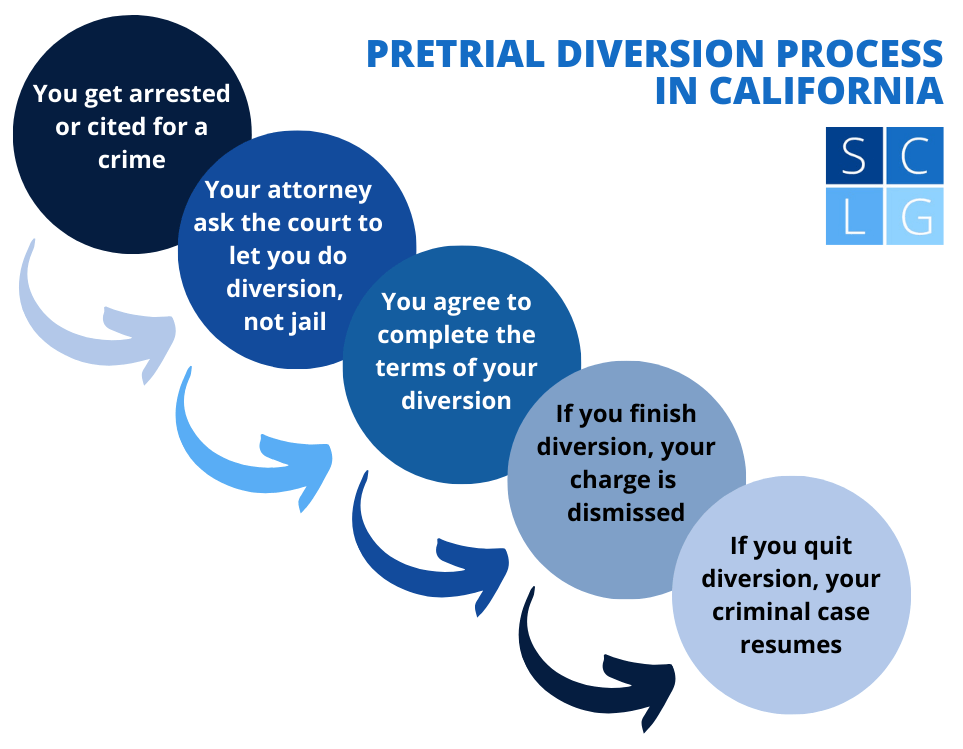
Despite the gravity of the charges and the clear evidence of a hate crime, Judge Lana Kim made a startling decision in March 2025. She granted Taylor mental health diversion, a program designed to offer treatment and education as an alternative to incarceration. Judge Kim justified her decision by stating, "The whole reason this diversion was created was in essence to treat people who have a mental health diagnosis." Taylor had indeed been diagnosed with a complex array of mental health issues, including schizoaffective disorder, bipolar disease, and an opiate use disorder.
The ruling sent shockwaves through the victim’s family and the District Attorney’s office. While Christian Hornburg himself expressed a general understanding and even support for the concept of diversion for individuals genuinely seeking rehabilitation, he drew a firm line at its application in his case. "I support the idea of diversion," Hornburg affirmed, "but not for the man who threw me to the ground and nearly took my life." To Hornburg and DA Hochman, allowing a defendant accused of such a violent, racially motivated assault to bypass trial and prison felt like a profound miscarriage of justice. Hochman minces no words, stating, "These cases should have resulted in years of prison time. The whole point of the criminal justice system is that it needs to deliver justice to victims like Mr. Hornburg. But, in this case, it absolutely didn’t."
Mental health diversion programs in Los Angeles County, overseen by the Office of Diversion and Reentry (ODR), aim to provide supportive housing and therapeutic interventions for eligible defendants. The philosophy behind these programs is rooted in the belief that addressing underlying mental health issues and addiction can reduce recidivism more effectively than traditional incarceration, while also alleviating the burden on overcrowded jails. Proponents, such as Troy Vaughn, who runs the non-profit Los Angeles Regional Reentry Partnership, argue that diversion is a more enlightened approach. "Diversion is intended to address the root causes like trauma, mental health, and poverty," Vaughn explained. "It’s not about avoiding accountability. It’s about accountability that works." Studies lend some credence to these arguments; a Rand study found that participants in Rapid Diversion Programs were three times less likely to be rearrested than those incarcerated, and the Vera Institute of Justice reported that people who complete diversion are 43 percent more likely to gain employment.
However, the efficacy and appropriate scope of diversion programs, particularly for violent offenses, remain subjects of intense debate. DA Hochman highlighted a significant concern: the non-secure nature of ODR facilities. "This is not a locked facility. This is a facility at any moment of any day that he can walk out of and they won’t stop him," Hochman warned, raising serious questions about public safety when dealing with violent offenders. The ODR itself struggles with tracking participants; in 2024, out of an estimated 2,700 to 2,800 people in the program, they lost track of approximately 400 to 500 individuals, and between 100 to 200 returned to jail. While ODR estimates a failure rate of about 17%, Hochman’s assessment is higher, closer to 24%. "That is a failure rate that is incredibly serious in our society," he contended, emphasizing the potential danger to the community.
The legal battle over Job Taylor’s diversion quickly escalated. Hochman’s office lodged a forceful appeal, challenging Judge Kim’s decision. Taylor’s public defender argued that his client did not harbor animosity towards Black people, noting that he was housed with Black inmates and even had a Black bunkmate. However, the DA countered this assertion by citing Taylor’s own medical records, which documented a jail psychologist’s observation of his "hostile and aggressive behaviors towards custody staff." This internal record painted a very different picture of Taylor’s disposition and potential risk.
The California Court of Appeals ultimately sided with the prosecution, granting the DA’s petition to vacate Judge Kim’s diversion order. The appellate court found that there was "no evidence" to suggest that Taylor would not pose an "unreasonable risk of danger to public safety" if granted diversion. This ruling underscored a critical legal threshold: while mental health is a factor, it does not automatically override the paramount concern for public safety, especially in cases involving extreme violence and hate crime allegations. Mental health diversion statutes explicitly exclude defendants charged with certain egregious crimes, such as murder and rape, recognizing that some offenses inherently pose too great a risk to the community for diversion to be appropriate. The Appeals Court effectively ruled that Taylor’s case, given its violent and hateful nature, fell into a similar category of unacceptable risk.
For Christian Hornburg, the appellate court’s decision represents a crucial step towards justice. While he continues his arduous journey of recovery, living in a care facility and grappling with the lasting physical and neurological damage from the attack, there is now a renewed hope that his assailant will be held fully accountable. "I had a little tendon and it damaged the muscles in my wrists. I’ve got vertigo," he reiterated, his daily struggles a stark testament to the brutality he endured.
Job Taylor will now face trial on the original, severe charges, including attempted murder with a hate crime enhancement. His pretrial hearings are scheduled for December 2025. If convicted, he faces the prospect of life in prison, a stark contrast to the diversion program that once offered him a path away from incarceration. This case has not only brought a measure of relief to Christian Hornburg but has also served as a critical test case, forcing a reevaluation of how California’s criminal justice system balances the progressive goals of rehabilitation with the fundamental need to protect its citizens from violent offenders. The legal reversal in Taylor’s case will undoubtedly shape future discussions and decisions regarding the eligibility and oversight of mental health diversion programs across the state.