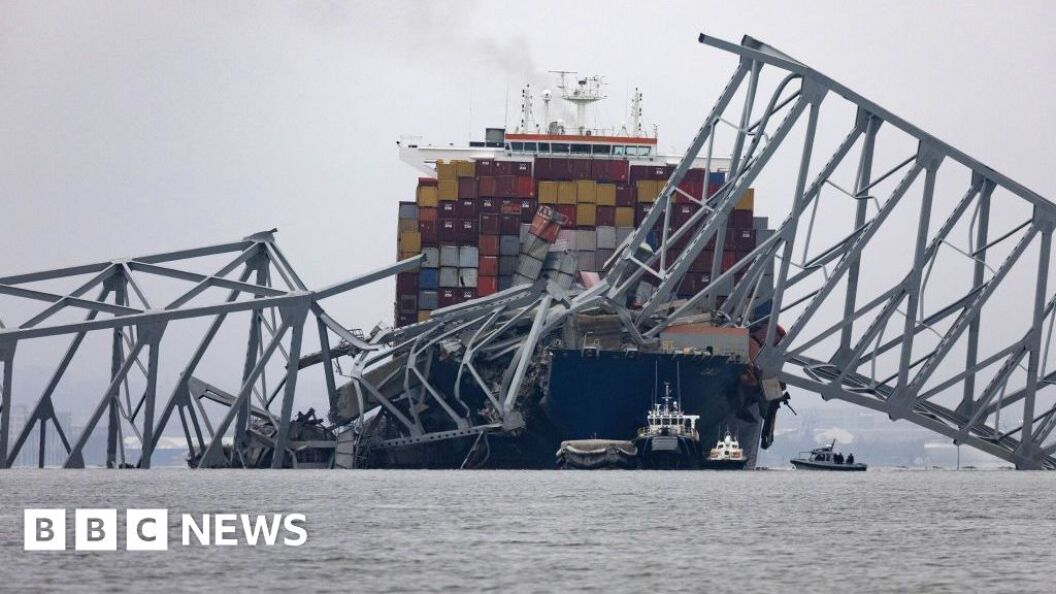
Loose wire on ship may have led to Baltimore Key Bridge collision and collapse, NTSB finds. The catastrophic collapse of Baltimore’s Francis Scott Key Bridge in 2024, a tragedy that claimed the lives of six construction workers, has been meticulously investigated by the National Transportation Safety Board (NTSB), which concluded in its final report that a seemingly minor defect – a loose wire on the cargo ship Dali – was the probable cause, initiating a cascade of failures. This critical finding, presented during a hearing in Washington, D.C., on Tuesday, November 18, 2025, underscores the NTSB’s commitment to not only identifying the immediate cause of accidents but also understanding the systemic issues that contribute to them, with a view to preventing future tragedies.
The NTSB’s exhaustive inquiry, which involved marine and engineering experts, zeroed in on a specific anomaly aboard the Dali: a misplaced, thick, white label at the end of a small cable. This seemingly innocuous label, rather than the cable itself, was found to have prevented a secure connection, pushing the cable just enough out of its proper seating. This subtle displacement was identified as the root cause of the initial power outages experienced by the vessel, which subsequently triggered a series of operational malfunctions, ultimately rendering the ship uncontrollable as it veered into a support pier of the Francis Scott Key Bridge.
Jennifer Homendy, the NTSB Chair, highlighted the extreme difficulty in pinpointing such a minute flaw within a vast and complex system. "It just didn’t fit, so it became disconnected. It backed out," Homendy explained, describing how the label sometimes made contact with the face of the spring clamp, leading to significant issues. She likened the investigation to finding a "needle in a haystack," emphasizing the meticulous nature of her team’s work to uncover such a subtle yet catastrophic defect. This discovery points to potential vulnerabilities in manufacturing quality control or maintenance protocols, as the investigation also revealed that thermal scanners, which might have detected such a loose connection, were not part of the routine maintenance checks performed on the Dali’s myriad wires and cables. This absence of proactive diagnostic measures left a critical flaw undetected until it was too late.
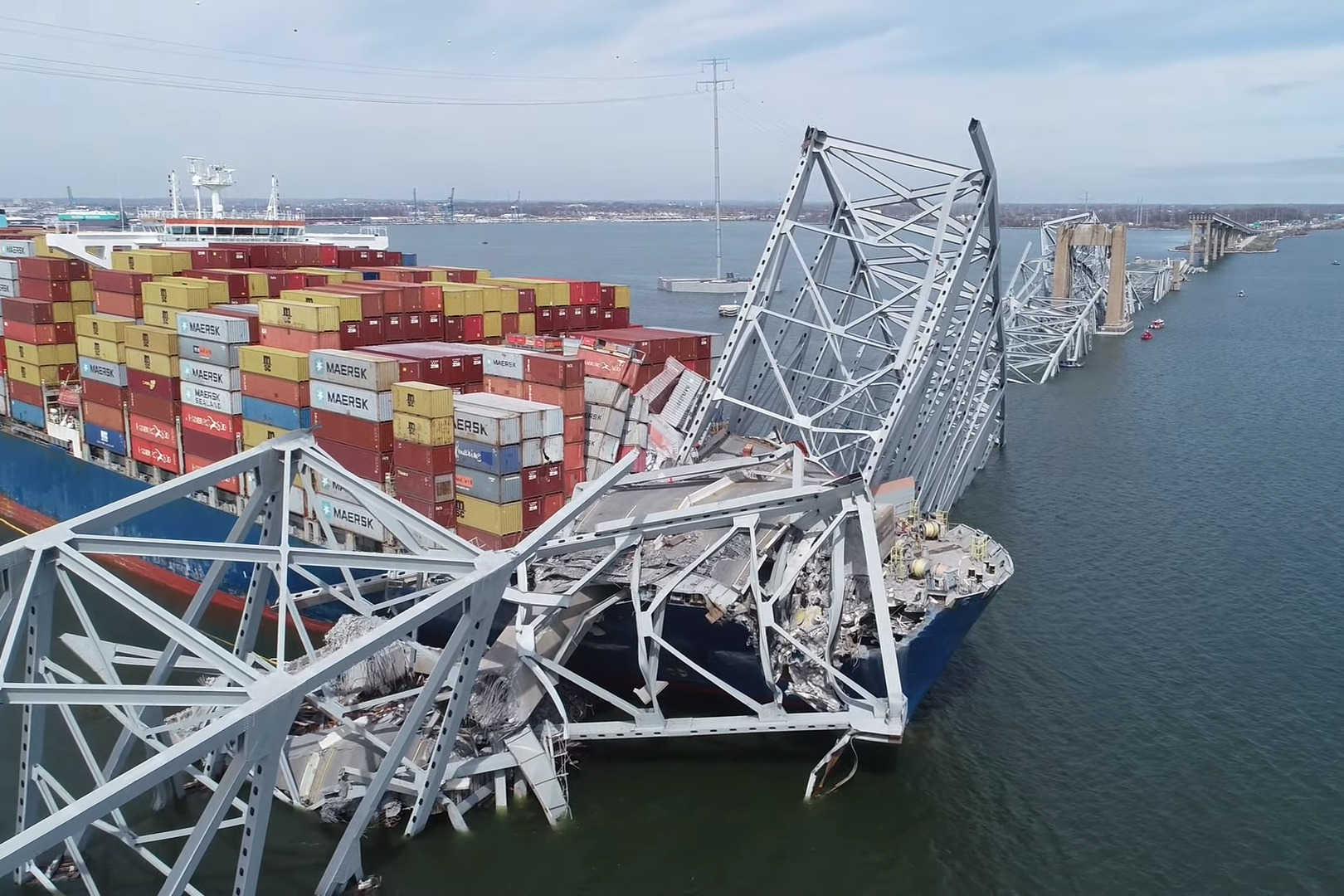
Further compounding the issue, the NTSB’s findings revealed systemic shortcomings in the Dali’s design and operational readiness that exacerbated the initial power failure. The ship’s mechanical and electrical systems were configured in a manner that cost precious time, preventing the crew from quickly restarting emergency generators. In a high-stakes situation where every second counted, the lack of immediate, automatic restart capabilities for critical systems proved fatal. Specifically, the Dali’s flushing pump, essential for maintaining engine operation, could not restart automatically once power was briefly restored, necessitating a manual restart that the crew was unable to execute swiftly enough to avert disaster. This highlights a critical absence of redundant safety systems and automated recovery protocols that are often considered best practice in modern maritime engineering, especially for vessels of the Dali’s size and operational scope. The NTSB explicitly stated that the crew was not found at fault, underscoring that the tragedy stemmed from design and maintenance deficiencies rather than human error in the moment.
The discovery of the loose wire also sheds light on ongoing legal battles. Grace Ocean Limited, the owner of the Dali, had already initiated a lawsuit against Hyundai Heavy Industries, alleging that the vessel was designed as a "dangerous" ship. This lawsuit specifically referenced an incident where a similar cable had detached, causing a circuit breaker to open, suggesting a pattern of electrical vulnerabilities that may have been overlooked or inadequately addressed prior to the Key Bridge collision. Homendy’s comparison of locating the single loose wire among thousands on a nearly 1,000-foot-long vessel to finding a loose bolt in the Eiffel Tower underscores the immense complexity and scale of the problem, yet also points to the criticality of ensuring every component, no matter how small, is impeccably secure.
Beyond the immediate technical failure on the Dali, the NTSB hearing brought to light broader systemic issues, particularly regarding the preparedness and vulnerability of the Francis Scott Key Bridge itself. Chair Homendy delivered a poignant opening statement, declaring, "None of us should be here today. This tragedy should have never occurred. Lives should never have been lost. As with all accidents we investigate, this was preventable." This statement serves as a powerful indictment, shifting the narrative from an unavoidable accident to a preventable catastrophe rooted in a series of missed warnings and inadequate safety measures.
The investigation revealed that Maryland officials had failed to conduct a proper vulnerability assessment of the bridge, despite warnings. The NTSB found that the risk of the Key Bridge’s collapse due to a vessel strike was an alarming 30 times higher than what was considered acceptable under modern engineering standards. Crucially, this was not a new concern; investigators noted that as early as 2006, an MDTA representative had identified that the bridge’s pier protection was inadequate, yet no meaningful action was taken to address this critical vulnerability in the intervening years. This oversight left the bridge exposed to the very type of catastrophic impact it ultimately suffered, highlighting a profound failure in infrastructure management and risk assessment.
The NTSB also criticized the state for failing to properly warn the six construction workers who tragically lost their lives during the collapse, proposing new regulations to ensure workers on critical infrastructure are alerted more effectively in such emergencies. While commending the swift actions of Maryland Transportation Authority (MDTA) officers who managed to stop traffic and "saved lives" by preventing more vehicles from entering the collapse zone, the report highlighted the broader systemic shortcomings in worker safety protocols.
The aftermath of the Key Bridge collapse extends far beyond the immediate investigation, encompassing the monumental task of rebuilding. Maryland officials have now significantly revised the estimated cost for the replacement bridge, escalating it to between $4.3 billion and $5.2 billion. This represents a sharp rise from the initial estimates of $1.7 billion to $1.9 billion, reflecting the complexities of modern engineering, increased material and labor costs, and the implementation of enhanced safety features to prevent future incidents. The timeline for completion has also been pushed back, from an initial target of late 2028 to late 2030, further impacting regional logistics and the local economy.
The escalating costs and construction delays have drawn attention and concern from federal levels, with the Trump administration specifically raising questions about the financial management and project execution. Bruce Gartner, the MDTA’s executive director, acknowledged the concerns, stating, "You have costs that are higher than we initially projected. It’s a concern. We just want to work as closely with the federal government as we can to help them understand what we understand now." This sentiment reflects the intricate balance between rebuilding vital infrastructure, ensuring robust safety standards, and managing public funds transparently.
In response to the NTSB’s findings, the Maryland Transportation Authority reiterated its position, emphasizing that "The collapse of the Francis Scott Key Bridge and the tragic loss of life were the sole fault of the Dali and the gross negligence of its owners and operators." The MDTA maintained that the original Key Bridge had been "approved and permitted by the federal government and complied with those permits." However, crucially, the MDTA also affirmed its commitment to incorporating a "rigid fender pier protection system" into the design of the new bridge, explicitly stating that it will meet "today’s American Association of State Highway and Transportation Officials design standards." This commitment signals a proactive measure to address the structural vulnerabilities highlighted by the NTSB and to safeguard against similar catastrophic events in the future.
The NTSB’s final report on the Francis Scott Key Bridge collapse paints a complex picture of a disaster rooted in a seemingly minor technical defect on a vessel, exacerbated by systemic failures in ship design and maintenance, and tragically compounded by long-standing, unaddressed vulnerabilities in critical infrastructure. It serves as a stark reminder of the intricate interdependencies in modern transportation systems and the profound consequences of overlooking even the smallest details or warnings. The lessons learned from this tragedy will undoubtedly inform future regulations and engineering practices, striving to ensure that such a preventable loss of life and infrastructure never recurs.