Amazon Prime refunds are going out after $2.5 billion settlement. Here’s when your refund could arrive.
Amazon has officially begun the process of issuing payments to eligible Prime members, marking a significant milestone in a $2.5 billion settlement reached following federal allegations that the e-commerce giant misled its customers. This substantial payout addresses claims that Amazon employed deceptive practices to enroll consumers into its Prime membership program and subsequently made it unduly difficult for them to cancel their subscriptions. The settlement underscores a broader effort by regulatory bodies to protect consumers from "dark patterns" and manipulative interfaces in online services.
The online retail behemoth formally agreed to these extensive payouts in September, aiming to resolve a 2023 Federal Trade Commission (FTC) lawsuit. This lawsuit laid out a detailed case against Amazon, alleging that the company utilized various tactics to trick customers into signing up for Prime, often during unrelated purchase processes, and then created significant hurdles for those wishing to terminate their memberships. These alleged practices, the FTC argued, violated federal consumer protection laws designed to ensure transparency and fairness in business transactions.
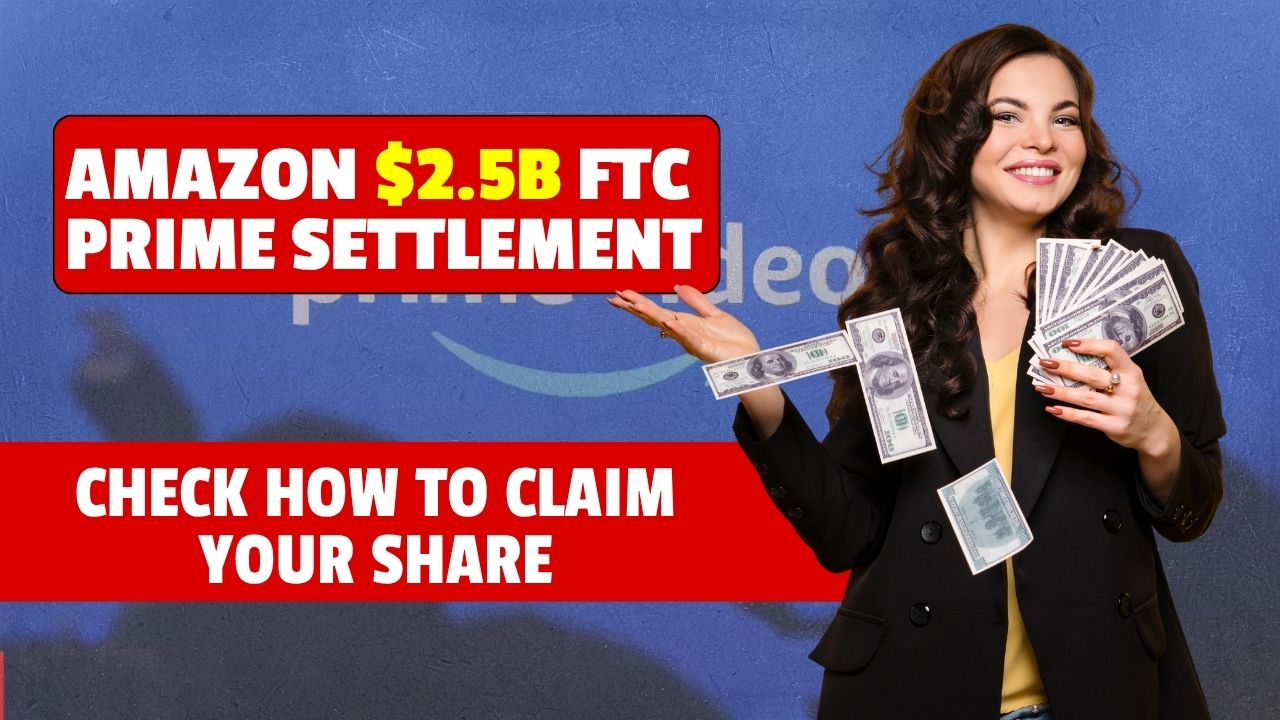
Under the terms of the comprehensive settlement, Amazon committed to allocating a substantial $1.5 billion specifically for customer refunds. This portion of the settlement is directly aimed at compensating those consumers who were adversely affected by the company’s alleged deceptive enrollment and cancellation practices. It’s important to note, however, that while Amazon agreed to the settlement, it neither admitted nor denied the FTC’s allegations. In a public statement issued at the time the agreement was reached, the company maintained its position, asserting that "Amazon and our executives have always followed the law." This nuanced stance is typical in large settlements, allowing companies to resolve legal disputes without formally admitting wrongdoing.
This landmark case highlights the increasing scrutiny faced by large tech companies over their user interface designs and subscription models. The FTC’s focus on "dark patterns" — design choices that manipulate users into making unintended decisions — signals a growing commitment to consumer advocacy in the digital age. For millions of Amazon Prime members, this settlement translates into tangible relief and a potential refund, making it crucial to understand the eligibility criteria and payment distribution schedule. Here’s a comprehensive guide to navigating the Amazon refund process, including how to determine if you qualify and when you can expect your payment.
When Are Payments Going Out?
Amazon commenced the distribution of settlement refunds to eligible Prime members with automatic payments initiated between November 12 and December 24. This initial phase targets individuals who have been clearly identified by the FTC and Amazon as qualifying for a refund without requiring any proactive steps from the consumer. Christopher Bissex, deputy director of public affairs at the FTC, clarified this process, stating, "Our settlement required Amazon to pay those people who clearly qualify without them having to do anything. So those people are getting the automatic payments." This streamlined approach aims to ensure that a significant portion of affected customers receive their compensation promptly and with minimal effort.
However, the refund process doesn’t conclude with these automatic payments. For Prime members who do not receive an automatic refund during this initial window, there is still an opportunity to claim their share of the settlement. These customers will be able to submit a claim starting on December 24. To facilitate this, eligible customers who need to file a claim will receive a specific notice about the claim submission process no later than January 26, 2026, according to Bissex. This extended timeline ensures that all potentially affected individuals have ample opportunity to ascertain their eligibility and submit a claim if they don’t receive an automatic payment. It’s imperative for Amazon Prime users during the specified period to keep an eye on their email and physical mail for any official communication regarding the settlement, as these notices will contain vital instructions and deadlines.
How Do I Know If I Qualify?
Determining eligibility for the Amazon Prime refund is based on specific criteria established by the settlement. Only customers who signed up for Amazon Prime during a defined six-year period, specifically between June 23, 2019, and June 23, 2025, are eligible to receive a refund. This timeframe is critical as it directly corresponds to the period during which Amazon’s alleged deceptive practices were under scrutiny by the FTC.
Beyond this enrollment window, customers qualify for an automatic payment if they either signed up for Prime or unsuccessfully attempted to cancel their membership through what the settlement terms refer to as Amazon’s "challenged enrollment flow." This term encompasses several specific interfaces identified in a September court order, including "any version of the Universal Prime Decision Page, the Shipping Option Select Page, Prime Video enrollment flow, or the Single Page Checkout." These are pages where, according to the FTC, Amazon allegedly used design elements or processes that could confuse or mislead users into subscribing to Prime without their full, informed consent, or hinder their attempts to cancel. For instance, the Universal Prime Decision Page might have presented Prime sign-up as a default option, while the Single Page Checkout could have integrated a Prime trial enrollment in a way that wasn’t immediately obvious to a user trying to complete a purchase. The FTC’s investigation likely identified these specific user journeys as problematic "dark patterns."
Furthermore, the FTC stipulated an additional condition for automatic payment eligibility: these customers must have used no more than three "Amazon Prime Benefits" within a 12-month period. This condition is designed to identify individuals who might have inadvertently signed up for Prime but did not significantly utilize its core services, suggesting their enrollment might not have been fully intentional or desired. Prime benefits include a wide array of services such as free two-day shipping, access to Prime Video, Prime Music, Prime Reading, exclusive deals, and more. By setting a low threshold for benefit usage, the FTC aims to target those consumers who were most likely to have been affected by the alleged deceptive enrollment practices, rather than those who actively and extensively used their Prime membership. Customers who believe they meet these criteria but do not receive an automatic payment should prepare to file a claim when the window opens.
How Do I Get My Payment?
For those identified as automatically eligible, Amazon is primarily issuing refunds through digital payment platforms: PayPal or Venmo. If you receive a notification for a refund via either of these services, it is crucial to act promptly. The FTC advises that eligible customers must accept the PayPal or Venmo payment within 15 days of its issuance. Failing to accept the digital payment within this timeframe will trigger an alternative refund method.
If a customer prefers a physical check or simply misses the 15-day window to accept the PayPal or Venmo refund, they don’t need to take immediate action to request a check. The system is designed to automatically transition to a physical check. "Once you do not claim the PayPal or Venmo payment, Amazon will mail you a check to your default shipping address listed on your Prime subscription," the FTC clarified on its dedicated refunds website. This means that if you wish to receive a check, you should deliberately ignore or decline the digital payment. Once the check is mailed, it’s equally important to be vigilant: "If you get a check, please cash it within 60 days." Missing this 60-day window could result in the forfeiture of your refund. Therefore, recipients should ensure their default shipping address on their Amazon Prime account is up to date to guarantee the timely delivery of any physical check. It’s also vital to be wary of potential scams; official communications regarding these refunds will come directly from Amazon or the FTC, not from unsolicited third parties asking for personal information or payment details.
How Much Money Will I Receive?
Eligible Amazon Prime customers who qualify for a refund under this settlement could receive up to $51. This amount is significant, as it closely aligns with or exceeds the cost of a typical monthly or a portion of an annual Prime membership fee. For context, an annual Prime membership currently costs $139, while a monthly subscription is $14.99. The "up to $51" figure suggests that the refund might be designed to cover several months of an unwanted subscription, or perhaps a full quarter of an annual membership, depending on the specifics of each customer’s enrollment and usage history.
The exact amount each individual receives could vary slightly based on how long they were unknowingly subscribed, the specific fees they incurred, and their limited use of benefits. While the FTC states "up to $51," this maximum amount serves as a strong indication of the compensation level. For many, this refund represents not just monetary compensation but also a validation of their experience with what they perceived as an unfair or confusing subscription process. It’s a clear signal that regulatory bodies are paying close attention to how online services engage with their users, particularly concerning recurring charges and membership enrollments. This amount, while perhaps not life-changing, is a tangible benefit for consumers who felt exploited by opaque digital practices.
Broader Implications of the Settlement
This $2.5 billion settlement, with $1.5 billion dedicated to consumer refunds, is more than just a financial payout; it carries significant broader implications for consumer protection in the digital economy. Firstly, it underscores the Federal Trade Commission’s assertive stance against "dark patterns" – deceptive user interface designs that manipulate consumers into making choices they might not otherwise make. This case serves as a powerful precedent, sending a clear message to other online businesses that employing such tactics for subscription enrollments or other financial commitments will not be tolerated. Companies are now under increased pressure to ensure their sign-up and cancellation processes are transparent, straightforward, and truly user-friendly.
Secondly, the settlement highlights the importance of consumer vigilance. While regulatory bodies like the FTC are crucial, individual consumers play a vital role in reporting suspicious or misleading practices. This collective action helps bring such issues to light and ensures accountability for large corporations. The focus on specific "challenged enrollment flows" like the Universal Prime Decision Page and the Single Page Checkout illustrates how deeply regulators are scrutinizing the granular details of user interaction design. This could lead to a wave of redesigns across various online platforms, as companies seek to avoid similar legal challenges and hefty fines.
Finally, this case may prompt Amazon itself to re-evaluate and simplify its subscription management systems. While the company stated it has "always followed the law," the settlement necessitates a review of their practices to ensure future compliance and rebuild consumer trust. This could result in clearer opt-in mechanisms, more prominent cancellation options, and enhanced transparency regarding Prime benefits and costs. The long-term impact could be a more ethical and user-centric approach to digital subscriptions across the industry, benefiting consumers far beyond the current pool of eligible Prime members. As digital services become increasingly intertwined with daily life, such settlements are crucial for maintaining a fair and transparent online marketplace. Consumers are encouraged to remain informed and exercise their rights, knowing that regulatory bodies are actively working to protect their interests against potentially manipulative business practices.