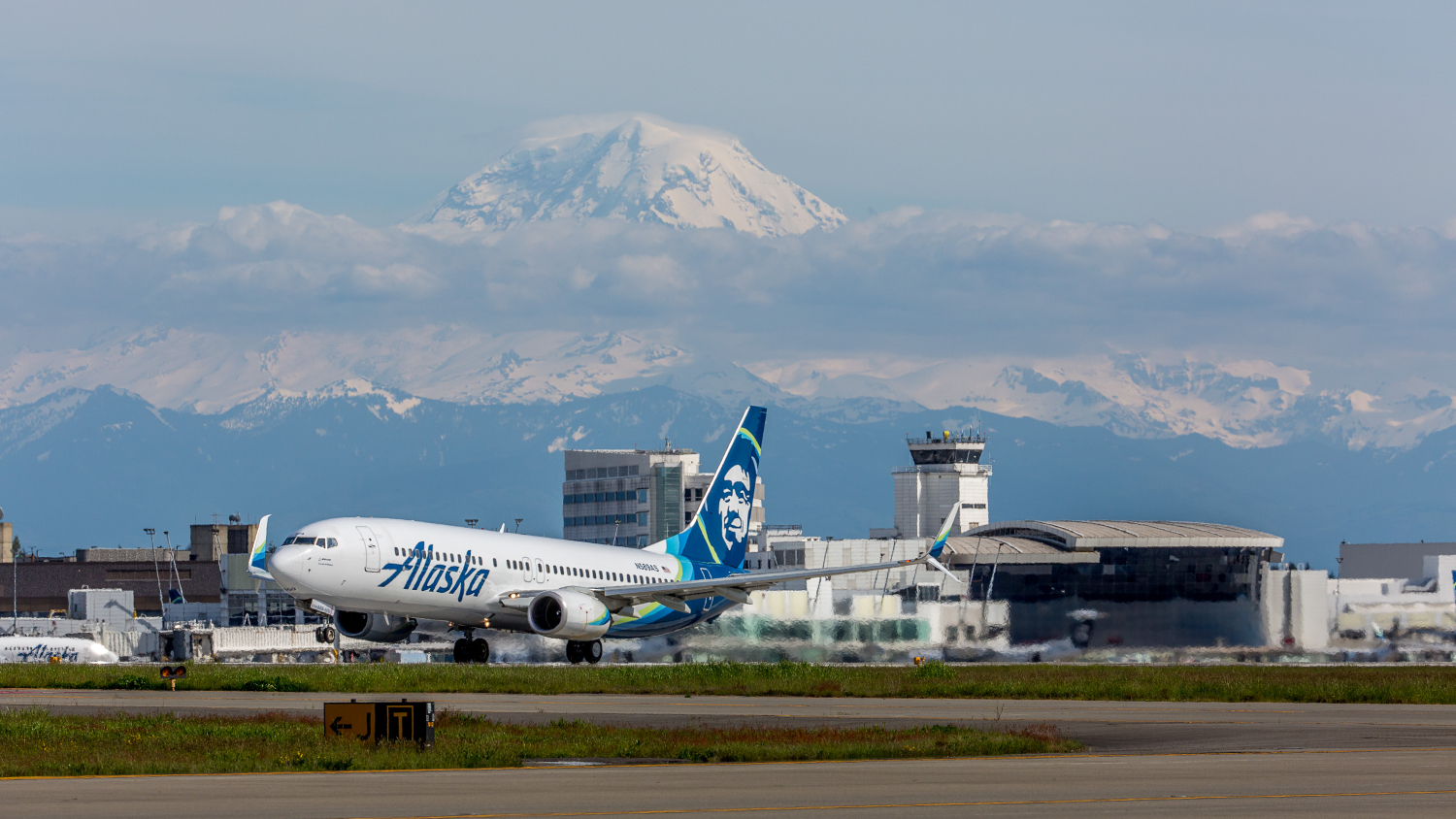
Shutdown of major pipeline threatens fuel supplies to Seattle-Tacoma airport, prompting an emergency declaration from Washington state’s governor amidst concerns over significant disruptions to air travel and broader regional energy security. Governor Bob Ferguson on Wednesday, November 20, 2025, declared a state of emergency to ensure a steady supply of jet fuel to Seattle-Tacoma International Airport (Sea-Tac), following the prolonged shutdown of the critical Olympic Pipeline. This move underscores the severe logistical challenges and potential economic fallout stemming from the pipeline’s incapacitation, which has left the Pacific Northwest’s busiest airport operating on dwindling fuel reserves and scrambling for alternative supply methods.
The emergency order, issued at 4:40 AM EST, temporarily waives and suspends state regulations that limit the number of hours commercial vehicle operators can drive when transporting jet fuel. This crucial measure aims to expedite the delivery of fuel by tanker trucks, allowing drivers to extend their shifts beyond typical safety mandates, while still ensuring essential safe-driving protocols remain in place. Governor Ferguson emphasized the necessity of the proclamation, stating, "This declaration will help the airport maintain its fuel supply while the pipeline is offline and limit disruptions to travelers." The governor’s office further clarified that without such an intervention, the airport’s operations would face severe curtailment, potentially impacting thousands of passengers and a significant portion of the region’s air cargo movement.
The crisis began on November 11, when the 400-mile-long Olympic Pipeline was shut down due to a leak detected north of Seattle, specifically between the cities of Everett and Snohomish. Operators of the pipeline, BP Pipelines North America, Inc., promptly notified state and federal agencies of the incident and initiated containment, cleanup, and repair efforts. However, nearly two weeks later, there remains no clear estimate for when the pipeline will resume normal operations. This prolonged outage has amplified fears within the aviation industry and among state officials, with the governor’s office warning that if the pipeline doesn’t restart by Saturday, November 23, airport operations would be "significantly affected." While the specifics of this impact were not detailed, industry analysts suggest it could involve widespread flight cancellations, severe delays, and potentially even temporary closures of certain airport facilities.
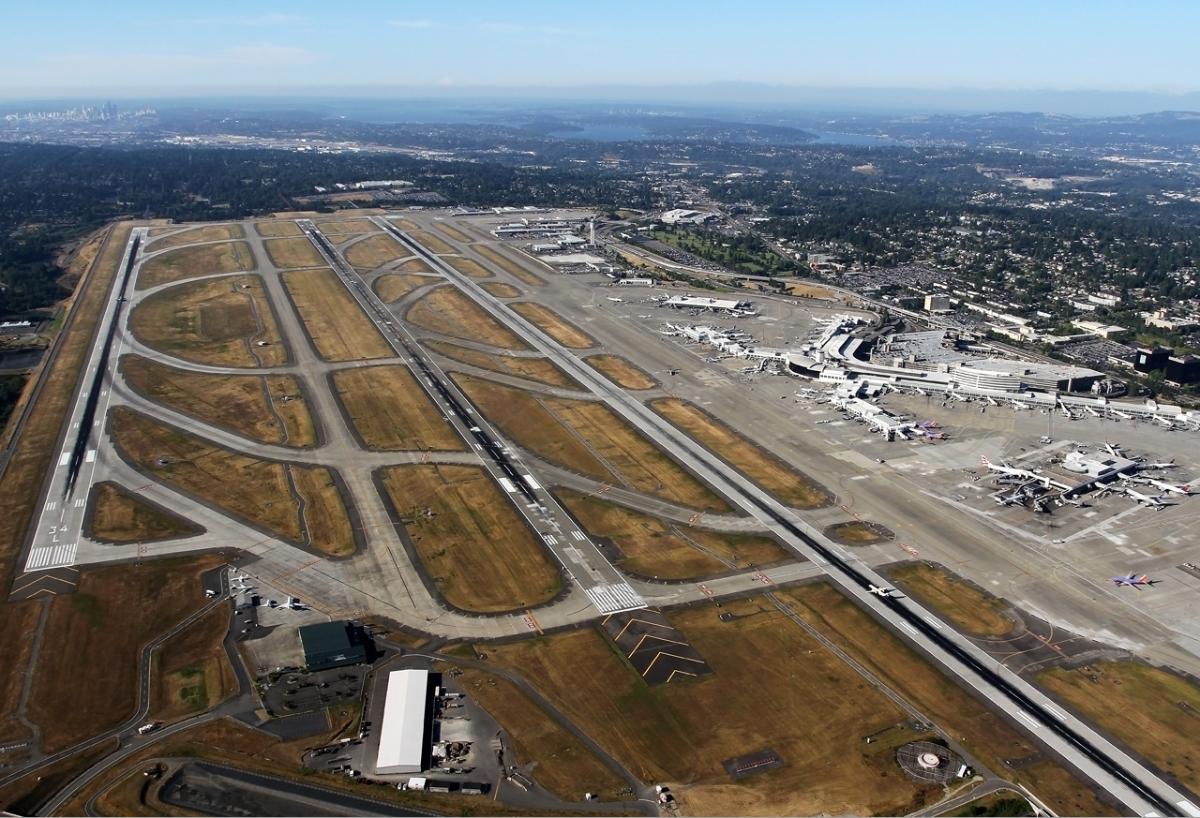
Sea-Tac Airport, a vital hub connecting the Pacific Northwest to domestic and international destinations, typically handles an average of 130,000 passengers and over 1,000 flights daily. The airport "has limited fuel on hand to sustain operations," according to the governor’s office, a situation that has forced airport officials to implement extraordinary measures. Since the pipeline shutdown, airlines operating into Sea-Tac have been advised to "ferry fuel" — a practice where incoming flights are instructed to fill their tanks to maximum capacity before arriving. This allows them to carry enough fuel for their return journey or subsequent legs, reducing their reliance on the airport’s diminishing local supply. While "ferrying fuel" is a recognized contingency strategy, it comes with significant drawbacks, including increased operational costs for airlines due to the heavier load, reduced cargo capacity, and a potential decrease in fuel efficiency. If the situation persists, these costs could eventually translate into higher ticket prices for travelers.
The Olympic Pipeline is an indispensable piece of infrastructure for the Pacific Northwest. Operated by BP Pipelines North America, Inc., it transports a diverse range of petroleum products, including gasoline, diesel, jet fuel, and other refined products, from refineries in northwest Washington to various distribution points across Washington and Oregon. Crucially, it serves as the primary conduit for petroleum delivery to fuel distribution terminals located west of the Cascades, a region encompassing major population centers like Seattle, Tacoma, and Portland. The pipeline’s disruption, therefore, extends beyond just jet fuel for Sea-Tac, potentially hinting at broader implications for ground transportation and industrial operations if the outage continues for an extended period. While the current focus remains on aviation fuel, the ripple effects on other fuel markets are a growing concern for regional planners and economists.
Environmental concerns also loom large following the leak. State and federal agencies, including the Washington Department of Ecology and the U.S. Environmental Protection Agency, are closely monitoring the cleanup efforts. The specific volume and type of product leaked, as well as the extent of environmental contamination, have not been fully disclosed, but initial reports suggest the leak occurred in a sensitive area. Environmental experts warn that even minor spills can have significant impacts on local ecosystems, potentially affecting water quality, soil, and wildlife habitats. BP Pipelines North America is working in conjunction with these agencies to contain the spill, remediate affected areas, and investigate the root cause of the leak to prevent future occurrences. The company has publicly committed to a thorough and responsible cleanup, though the timeline for complete environmental restoration often extends far beyond the immediate repair of the pipeline.
The reliance on a single, aging pipeline system highlights a broader vulnerability in the nation’s energy infrastructure. Experts in energy logistics and infrastructure management have long pointed to the need for redundancy and modernization of critical pipelines. "Incidents like these underscore how interconnected our energy supply chains are and how vulnerable they can be to single points of failure," noted an independent energy analyst, speaking on background. "While emergency measures can buy time, they are not sustainable long-term solutions. Investment in resilient infrastructure and diversified transport options is paramount." The Olympic Pipeline, like many others across the country, has been in operation for decades, and while subject to regular inspections and maintenance, the risk of leaks and operational disruptions naturally increases with age.
The economic ramifications of a sustained pipeline shutdown for Sea-Tac and the surrounding region could be substantial. Beyond direct travel disruptions, a significant reduction in air cargo capacity could impact supply chains for businesses reliant on air freight, from high-tech components to perishable goods. Tourism, a major economic driver for Washington state, could also suffer from decreased flight availability and increased travel costs. Businesses located near the airport, such as rental car agencies, hotels, and airport concessionaires, would undoubtedly experience a downturn in revenue. The governor’s emergency declaration, therefore, is not just about keeping planes flying; it’s about safeguarding a critical economic artery for the entire state.
Looking ahead, officials are exploring all possible avenues to mitigate the crisis. While tanker trucks are the immediate solution, their capacity is limited, and the logistics of significantly increasing truck traffic for fuel delivery pose their own set of challenges, including increased road congestion and potential safety risks. Other options, such as transporting fuel by rail or barge, are typically more complex and time-consuming to implement on an emergency basis, requiring specialized infrastructure and logistical coordination. The Port of Seattle, which operates Sea-Tac, is reportedly working closely with airlines, fuel suppliers, and state agencies to manage the crisis, exploring every contingency to maintain operations and minimize inconvenience to the traveling public. However, without the Olympic Pipeline, the region’s fuel supply chain operates under immense strain, a stark reminder of the delicate balance that underpins modern infrastructure and its profound impact on daily life and economic stability.