The US Will Prioritize Visa Processing for Fans With World Cup Tickets
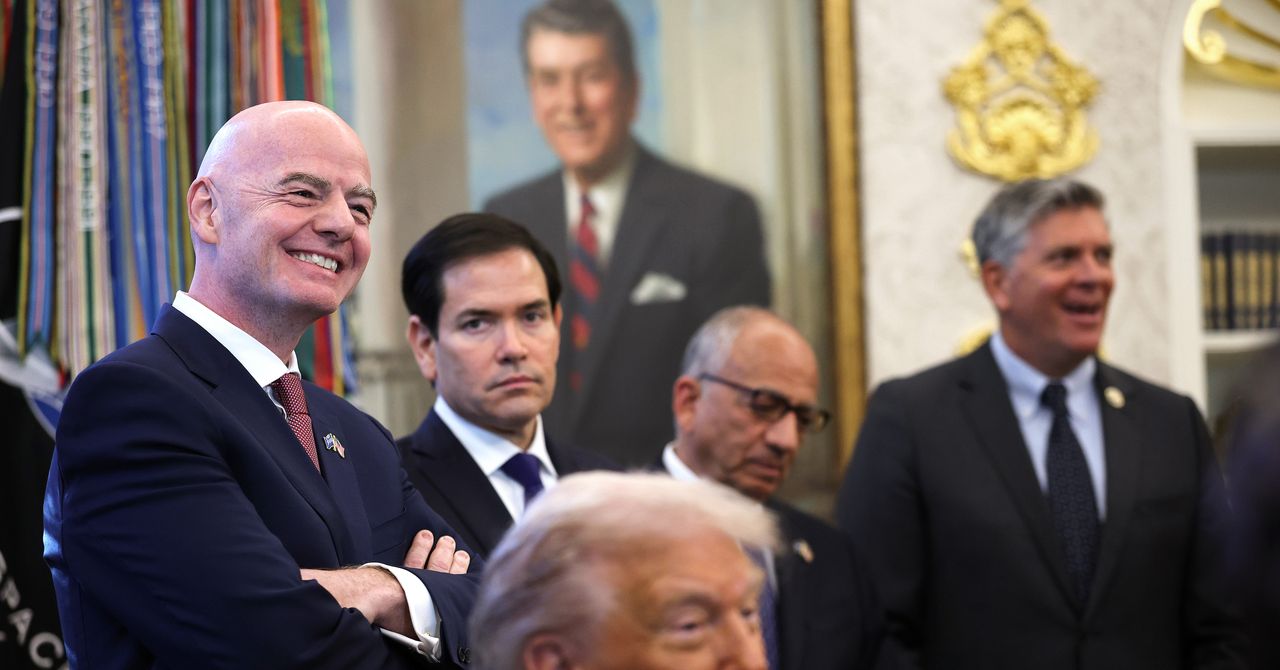
In a significant move aimed at streamlining international travel for the upcoming 2026 FIFA World Cup, FIFA President Gianni Infantino recently visited the White House to announce a groundbreaking initiative alongside then-President Donald Trump. This collaborative effort is designed to prioritize visa processing for fans who have secured tickets to the highly anticipated global football tournament, which will be co-hosted by the United States, Mexico, and Canada. The initiative, aptly named "FIFA Pass," is poised to alleviate potential logistical bottlenecks and ensure a smooth entry process for millions of football enthusiasts from around the globe.
During the announcement made from the iconic Oval Office, Infantino detailed the core function of the FIFA Pass. "FIFA Pass is a prioritized appointment scheduling system," he stated, emphasizing the direct benefit to ticket holders. "So if you have a ticket for the World Cup, you can have a prioritized appointment to get your visa. Because, you said it the first time we met, Mr. President, America welcomes the world." This sentiment underscores a desire to present the United States as an open and accessible host nation, despite a period characterized by more stringent travel policies.
The decision to implement such a system stems from the immense scale of the World Cup and the anticipated influx of international visitors. FIFA’s chief estimated that between 5 and 10 million people are expected to arrive in the United States for the tournament. Such numbers represent an unprecedented challenge for standard visa processing mechanisms, especially considering the heavy travel restrictions that the US government had imposed during Trump’s second term. These restrictions, which included enhanced vetting procedures and specific travel bans for citizens from certain countries, had significantly complicated international travel to the US. The FIFA Pass initiative, therefore, represents a targeted effort to carve out an exception and facilitate entry for a specific, large-scale event.
Infantino further elaborated on the rationale behind the initiative, stating, "With this FIFA Pass we can make sure that those who buy a ticket that are legitimate soccer fans, they can come attend the World Cup in the best condition, starting from getting their visa." This highlights FIFA’s commitment to ensuring a seamless experience for fans and maximizing attendance, which is crucial for the success and atmosphere of the tournament. The initiative aims to remove one of the most significant barriers for international spectators: the often lengthy and unpredictable visa application process.
Present at the press conference was also then-US Secretary of State Marco Rubio, who provided crucial clarification regarding the initiative’s scope and limitations. Rubio reassured the public and international community that while the process would be expedited, security protocols would not be compromised. "We’re going to do the same vetting as anybody else would get," he affirmed. "The only difference here is that we’re moving them up in the queue." This distinction is vital: holding a FIFA Pass does not guarantee visa approval, nor does it reduce the mandatory visa application fees. It solely prioritizes the scheduling of the interview with a consular officer, a critical step in the US visa application journey. Rubio estimated that FIFA Pass holders could expect to wait a significantly reduced period of six to eight weeks for that all-important interview to take place, a stark contrast to the months or even years of waiting that some applicants face under normal circumstances.
How Does the FIFA Pass Work?
Accessing the privileges of the FIFA Pass is designed to be a straightforward process, albeit one that requires adherence to official channels. The initial step for any aspiring World Cup attendee is to purchase a ticket through FIFA’s official sales platforms to attend matches scheduled to be played in the United States. This emphasis on official channels is crucial to prevent fraud and ensure that only legitimate ticket holders can benefit from the expedited visa processing.
Once a ticket has been secured, the user must then navigate to a dedicated FIFA portal. This portal serves as the gateway to the FIFA Pass system, providing clear, step-by-step instructions on how to proceed with the visa application. It is expected that this portal will link directly with the US Department of State’s visa application system, creating an integrated pathway for prioritized scheduling. Fans will likely need to input their ticket details, personal information, and then follow the standard procedures for completing the DS-160 online nonimmigrant visa application form, paying the necessary fees, and submitting any required documentation. The key difference lies in the backend processing, where their application will be flagged for expedited interview scheduling.
To effectively manage the anticipated surge in demand for tourist visas, the State Department has undertaken significant preparatory measures. Secretary Rubio highlighted the deployment of more than 400 additional consular officers around the world. This substantial increase in staffing is a direct response to the logistical challenge posed by millions of potential visitors and is aimed at expanding the capacity of US embassies and consulates globally. Rubio expressed confidence that, with these enhanced resources, it would be possible to obtain an appointment within 60 days at approximately 80 percent of consulates and embassies worldwide. This commitment underscores the US government’s dedication to making the World Cup accessible to international fans while maintaining robust security and immigration standards.
The economic implications of hosting the World Cup and facilitating visitor entry are substantial. The estimated 5 to 10 million visitors would inject billions of dollars into the US economy through tourism, hospitality, transportation, retail, and other sectors. This economic boon provides a strong incentive for the government to ease travel for legitimate fans. The initiative also serves as a form of "soft power," showcasing the United States as a welcoming and capable host on the global stage, enhancing its international image and fostering goodwill.
However, the announcement also came with a striking juxtaposition, underscoring the complexities of the administration’s foreign policy. Minutes after discussing the FIFA Pass and the welcoming message for World Cup fans, President Trump indicated at the same press conference that he was prepared to launch attacks against Mexico and Colombia to curb drug trafficking. He also stated that the option of deploying troops on Venezuelan territory was not yet ruled out. This stark shift in tone from welcoming international sports fans to discussing potential military action against neighboring countries highlights the multifaceted and often contradictory nature of international relations and domestic priorities. While the FIFA Pass initiative aimed to open doors for a specific global event, the broader foreign policy stance of the administration remained firm and assertive on other critical issues.
The FIFA Pass represents a unique confluence of sports, diplomacy, and immigration policy. It is an acknowledgment of the global appeal and economic power of the FIFA World Cup and a pragmatic solution to the logistical challenges of hosting such an immense international event. While it offers a significant advantage to ticket holders by reducing visa interview waiting times, it is crucial for fans to understand that it is not a guarantee of entry. The standard rigorous vetting processes remain in place, ensuring national security while striving to fulfill the promise that "America welcomes the world" for the grand spectacle of the 2026 FIFA World Cup. The success of this initiative will be a critical factor in determining the overall experience for millions of fans and the legacy of the tournament itself.
This story originally appeared in WIRED en Español and has been translated from Spanish, with additional context and detail added for this expanded report.