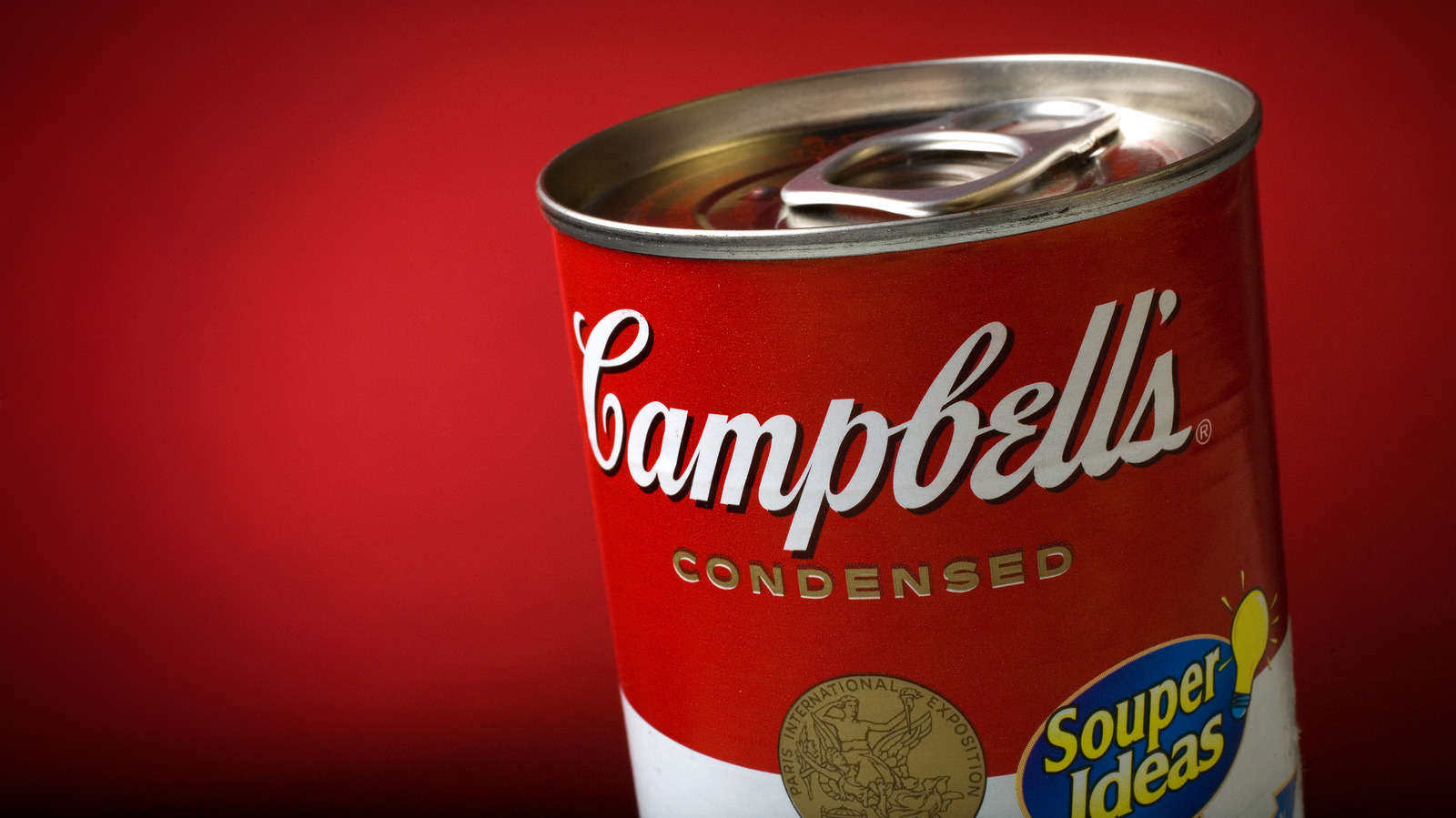
Campbell Soup executive called its products food for "poor people," lawsuit claims, marking the latest flashpoint in corporate accountability as a former employee sues the iconic food giant, alleging discriminatory remarks and the disparaging of the company’s own product line by a senior executive. The lawsuit, filed in a Michigan court last week, casts a shadow over Campbell Soup Company, a venerable institution in the American food landscape, revealing accusations that could significantly impact its public image, employee morale, and potentially trigger broader regulatory scrutiny.
At the heart of the controversy is Robert Garza, who joined Campbell’s as a cybersecurity analyst in September 2024, tasked with safeguarding the company’s digital infrastructure. Just two months into his tenure, in November 2024, Garza found himself in a meeting that would ultimately lead to his termination and the filing of this high-profile lawsuit. The meeting, ostensibly convened to discuss Garza’s salary, allegedly veered into deeply problematic territory when Martin Bally, a Vice President and Chief Information Security Officer (CISO) at Campbell’s, reportedly made a series of offensive comments.
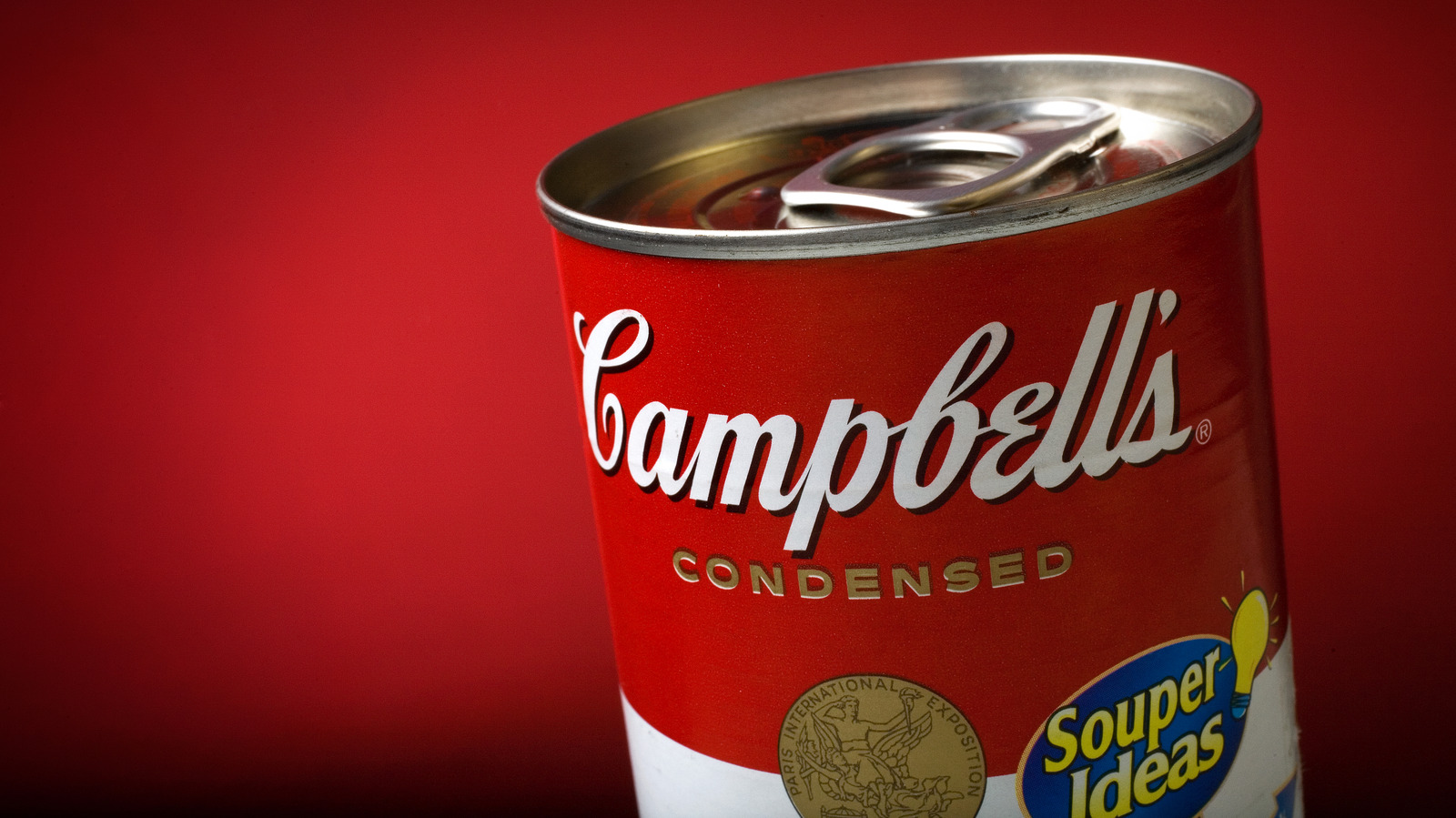
According to the lawsuit, Bally allegedly made disparaging remarks concerning Indian workers, creating an immediate sense of unease and a potentially hostile work environment. More alarmingly for a consumer-facing brand, Bally is accused of stating that Campbell’s products were "highly [processed] food" intended for "poor people." This alleged declaration, coming from a high-ranking executive, directly undermines the company’s brand integrity, its marketing efforts, and its perceived value to a broad consumer base, many of whom rely on Campbell’s products as affordable and accessible staples.
Garza, profoundly disturbed by these alleged comments, took the critical step of informing his direct manager, J.D. Aupperle, about the incident on January 10. However, the lawsuit claims that Aupperle did not encourage Garza to formally report the matter to human resources, a move that could be interpreted as a failure to uphold corporate policy or a deliberate attempt to downplay the severity of the allegations. Following this report, Garza was "abruptly terminated from employment" just weeks later. The lawsuit strongly implies that his termination was a retaliatory act for reporting Bally’s misconduct, a claim that, if proven, would constitute a serious violation of employment law and whistleblower protections.
Crucially, the contentious discussion between Garza and Bally was recorded, a detail that lends significant weight to Garza’s claims. The existence of this recording was brought to public light when Detroit television station WDIV aired segments of it, thrusting the internal dispute into the national spotlight and escalating it from an internal HR matter to a full-blown public relations crisis for Campbell’s. The legality of such a recording in Michigan, a "one-party consent" state, means that Garza was within his rights to record the conversation without Bally’s knowledge, making the recording admissible as evidence in legal proceedings.
Campbell’s spokesperson, James Regan, responded to the burgeoning scandal by stating that the company was not aware of the recording prior to its broadcast on WDIV and could not immediately verify its legitimacy. Regan confirmed Bally’s position as one of many vice presidents within the company, with his LinkedIn profile specifying his role as Vice President and Chief Information Security Officer. In an immediate consequence of the public exposure, Campbell’s announced that Martin Bally has been placed on temporary leave while the company conducts a thorough internal investigation into the allegations.
In its official statement to CBS News, Campbell’s condemned the alleged remarks, stating, "If the comments were in fact made, they are unacceptable." The company also vehemently defended the quality and integrity of its food products, directly refuting Bally’s alleged characterization. "The comments heard on the recording about our food are not only inaccurate — they are patently absurd," the statement declared. Campbell’s further sought to distance Bally’s alleged comments from the company’s core operations, emphasizing that "The person alleged to be speaking on the recording works in IT and has nothing to do with how we make our food." This distinction aims to mitigate the damage by portraying Bally’s alleged remarks as uninformed personal opinions rather than reflections of company values or product reality.
However, the fallout extended beyond internal investigations and public statements. On Monday, James Uthmeier, the Attorney General of Florida, announced on a social media platform that the state’s Consumer Protection division is launching its own investigation into the quality of Campbell’s products. This development significantly amplifies the stakes for Campbell’s, transforming a personnel dispute into a broader regulatory challenge. An investigation by a state attorney general’s office carries the potential for significant fines, mandates for product testing, and reputational damage far exceeding the scope of the initial lawsuit. It underscores the power of social media and public perception in influencing governmental action, demonstrating how an executive’s alleged off-hand remarks can trigger a ripple effect across multiple jurisdictions and governmental bodies.
The Runyan Law Group, representing Robert Garza, has yet to issue further public statements beyond the lawsuit filing. Garza’s legal action seeks comprehensive compensation for the emotional distress, reputational harm, and economic losses he allegedly incurred as a result of the incident and his subsequent termination. He is also seeking attorneys’ fees, indicating a determined pursuit of justice.
This unfolding saga presents a multifaceted challenge for Campbell Soup Company. On one front, it must navigate the legal complexities of Garza’s lawsuit, which involves allegations of discrimination, disparagement of product, and wrongful termination. The existence of a recording, if authenticated, provides compelling evidence that could significantly strengthen Garza’s position. On another front, Campbell’s faces a formidable public relations battle to restore trust and reassure consumers, particularly those who identify with the "poor people" demographic allegedly targeted by Bally’s comments. The brand, deeply ingrained in American culture as a symbol of comfort and affordability, now finds its core values questioned.
Furthermore, the company must address the internal ramifications, including the findings of its investigation into Martin Bally’s conduct and the broader implications for its corporate culture. Allegations of offensive remarks about specific ethnic groups raise serious questions about diversity, equity, and inclusion within the company’s leadership ranks. The Florida Attorney General’s investigation adds a third, governmental layer of scrutiny, forcing Campbell’s to defend its product quality not just to consumers, but to state regulators. This situation highlights the critical importance of executive conduct and ethical leadership in maintaining not only a healthy workplace but also a resilient and trusted brand in the public eye. The coming months will undoubtedly test Campbell Soup Company’s ability to manage this complex crisis and reaffirm its commitment to its employees, its products, and its vast customer base.