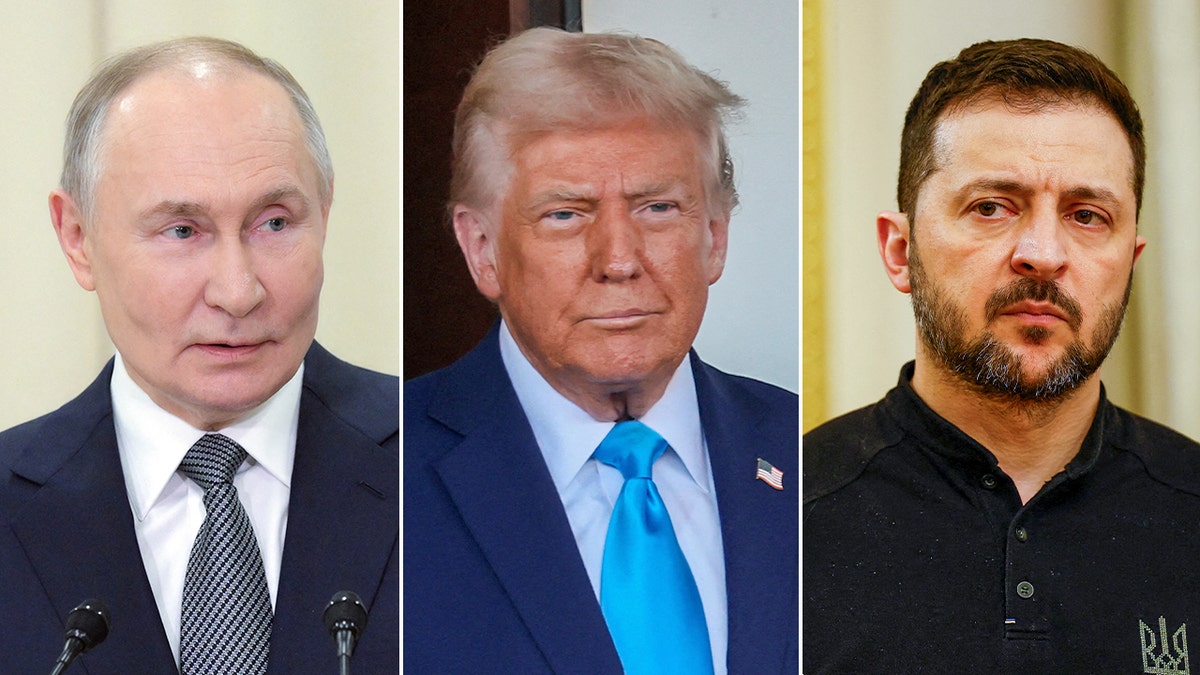
Army Secretary Driscoll Meeting with Russians in UAE as Trump Administration Presses for Ukraine Peace Deal
U.S. Army Secretary Dan Driscoll is currently engaged in high-stakes discussions with Russian officials in Abu Dhabi, United Arab Emirates, as the Trump administration intensifies its efforts to broker a ceasefire and secure a comprehensive peace deal in the nearly four-year-long Russia-Ukraine war. The covert nature of these meetings, confirmed by two U.S. officials and two diplomatic sources speaking anonymously due to lack of authorization, underscores the delicate and critical phase of these negotiations. Secretary Driscoll’s presence in the UAE signifies a direct and robust military-to-military channel being leveraged for diplomatic purposes, an unusual but perhaps necessary approach given the complexity and entrenched positions of the conflict.
The initial round of talks, held Monday night, extended for several hours, with a follow-up session scheduled for Tuesday, focusing explicitly on advancing the peace process. A U.S. official elaborated to CBS News, "Secretary Driscoll met with members of the Russian delegation [Monday night] for several hours in Abu Dhabi. He is scheduled to meet with them again throughout the day [Tuesday] to discuss the peace process and rapidly move the peace negotiations forward." The composition of the broader U.S. delegation in Abu Dhabi remains undisclosed, adding to the air of discretion surrounding these sensitive discussions. Driscoll’s role as Army Secretary in these negotiations is particularly notable, typically a position focused on the Department of the Army’s administration, training, and equipping, rather than frontline international diplomacy. However, his direct engagement points to the administration’s resolve to use all available avenues, including military channels, to de-escalate the conflict and find a resolution. His presence lends significant weight to the discussions, signaling a serious commitment from the U.S. defense establishment to the peace initiative.
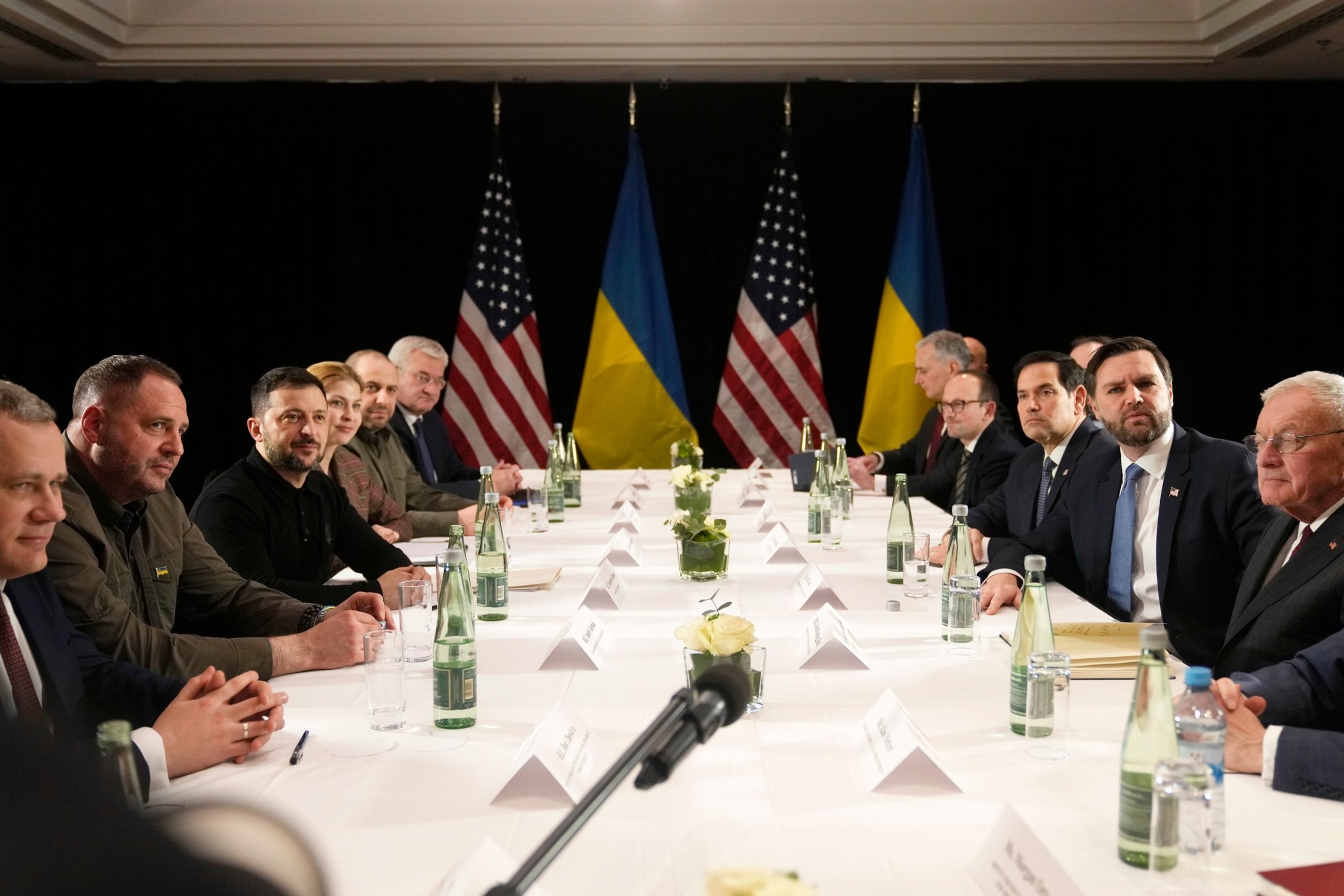
These meetings in the neutral territory of Abu Dhabi represent a pivotal moment in the Trump administration’s concerted push for a resolution to the protracted conflict. President Trump has personally championed an "intensifying push" for a ceasefire, engaging envoys from both Ukraine and Russia in a multi-pronged diplomatic offensive. This current round of talks follows closely on the heels of other high-level diplomatic engagements. Just over the past weekend, a significant gathering took place in Geneva, Switzerland, involving a broad U.S. delegation including Secretary Driscoll, Secretary of State Marco Rubio, President Trump’s special envoy Steve Witkoff, and the President’s son-in-law, Jared Kushner. They were joined by diplomats from Ukraine and key European allies, all converging to discuss various peace proposals and strategies. The very inclusion of such a diverse array of senior U.S. officials, from defense to diplomacy and presidential advisors, highlights the whole-of-government approach being deployed.
The Geneva talks, though not directly involving Russian representatives, were crucial in consolidating a unified Western approach and refining the peace framework that would then be presented to the Russian side. Driscoll’s current engagement with Russian officials in Abu Dhabi is a direct continuation of these efforts, building upon the groundwork laid in Geneva. His journey to the UAE was immediately preceded by a visit to Kyiv, Ukraine’s capital, last week. During his time in Ukraine, Driscoll met with Ukrainian defense officials and political leaders, reportedly to discuss military technology needs and to explore the Ukrainian perspective on potential peace efforts. This sequence of visits – Kyiv, then Geneva, and now Abu Dhabi – illustrates a carefully orchestrated diplomatic strategy, aiming to bridge the gap between the warring parties and to present a unified, albeit evolving, peace proposition.
Despite the intense diplomatic activity, the path to a comprehensive deal remains fraught with challenges, and it is still unclear how close the two sides are to reaching a definitive agreement. A major point of contention stems from a draft of a Trump administration-backed peace proposal, obtained by CBS News last week. This 28-point plan contained several provisions that Ukrainian President Volodymyr Zelenskyy has consistently rejected in the past, signaling deep-seated disagreements that could derail any potential breakthrough. Among the most contentious points are proposals for territorial concessions by Ukraine and an end to the country’s aspiration to join NATO. For Ukraine, ceding territory, especially regions currently occupied by Russia, is seen as a violation of its sovereignty and territorial integrity. Furthermore, abandoning its pursuit of NATO membership would be perceived by many Ukrainians as sacrificing their long-term security guarantees and leaving the nation vulnerable to future Russian aggression.
The international community’s reaction to this proposed plan has also been mixed. On Saturday, a coalition of NATO members and other U.S. allies issued a joint statement, cautiously describing the plan as "a basis which will require additional work." This diplomatic phrasing suggests a lack of full endorsement, indicating that while the allies acknowledge the need for peace, they harbor reservations about certain aspects of the proposal, particularly those that might be seen as rewarding Russian aggression or undermining international law. These concerns reflect a broader geopolitical apprehension within Western capitals about setting a precedent that could embolden other revisionist powers. The nuanced reaction from allies underscores the complexities involved in forging a unified international front on a peace deal, particularly when key provisions touch upon fundamental principles of national sovereignty and security architecture.
Following the extensive discussions in Geneva, the White House released a statement on Sunday night, indicating that U.S. and Ukrainian officials had "drafted an updated and refined peace framework." While the specifics of these revisions were not immediately disclosed, it suggests an acknowledgment of the allies’ and Ukraine’s concerns regarding the initial proposal. The hope is that this "refined framework" addresses some of the more contentious points, making it more palatable for Ukraine and its Western partners, while still offering a pathway for Russia to consider. However, the core disagreements, particularly over territorial integrity and Ukraine’s geopolitical alignment, remain formidable obstacles.
Adding to the urgency, President Trump has reportedly pressed President Zelenskyy to reach a deal by Thanksgiving. This self-imposed deadline, while perhaps intended to inject momentum into the negotiations, has also been described by Secretary Rubio as "flexible," acknowledging the inherent difficulties in setting rigid timelines for such complex diplomatic undertakings. The pressure to achieve a deal within a specific timeframe could either catalyze progress or lead to rushed decisions that do not fully address the underlying causes of the conflict. The Thanksgiving deadline, if indeed a firm one, would put immense pressure on both sides to make significant concessions in a short period.
The significance of these Abu Dhabi meetings extends beyond the immediate goal of a ceasefire. They represent a critical test of the Trump administration’s capacity for high-level diplomacy and its approach to resolving international conflicts. The choice of the UAE as a venue is strategic; Abu Dhabi has increasingly positioned itself as a neutral ground for international dialogue, capable of hosting sensitive negotiations away from the direct glare of Western capitals. This discreet setting allows for more candid exchanges, potentially fostering an environment conducive to breaking impasses.
For the international community, the outcome of these talks carries profound implications. A successful peace deal could re-establish a semblance of stability in Eastern Europe, potentially leading to a re-evaluation of sanctions against Russia and a recalibration of geopolitical alliances. Conversely, a failure to reach an agreement could prolong the conflict, exacerbate humanitarian crises, and further entrench the division between Russia and the West, with long-lasting consequences for global security. The stakes could not be higher, not just for Ukraine and Russia, but for the entire international order. The world watches with bated breath as Army Secretary Driscoll and his Russian counterparts engage in these crucial discussions, hoping that the intense diplomatic efforts will finally yield a tangible path towards peace. The complexity of the issues at hand, combined with the deep mistrust built over years of conflict, means that even with the most dedicated efforts, a definitive resolution remains an elusive, yet intensely pursued, goal.