
The US Military Wants to Fix Its Own Equipment. Defense Contractors Are Trying to Shoot That Down.
The ongoing battle over the "right to repair" has reached a critical juncture within the corridors of Washington D.C., specifically concerning the National Defense Authorization Act (NDAA) which will secure crucial funding for the US military in 2026. Despite enjoying widespread bipartisan support, provisions designed to empower servicemembers to repair their own equipment are now facing a significant threat of being entirely struck from the final language of the bill. Sources familiar with the intense, behind-the-scenes negotiations tell WIRED that these vital clauses are likely to be replaced by a "data-as-a-service" subscription plan, a move that would primarily benefit defense contractors and cement their control over military maintenance.
For years, the right to repair has been a thorny, increasingly complex issue for the US military. Unlike consumers who might struggle with a broken smartphone, the stakes for the armed forces are immeasurably higher. When a sophisticated drone malfunctions in a combat zone, a fighter jet develops a critical fault, or even a basic yet essential stove on a Navy vessel fails, US servicemembers on the ground or at sea frequently find themselves in an untenable position. They cannot simply open the device, consult a manual, and fix it. In a vast number of cases, existing contracts and proprietary restrictions dictate that they must instead summon a qualified repair person, specifically approved by the manufacturer, to travel to the site, often across continents, to address the problem. This not only incurs massive costs but also introduces debilitating delays, potentially compromising operational readiness and national security.
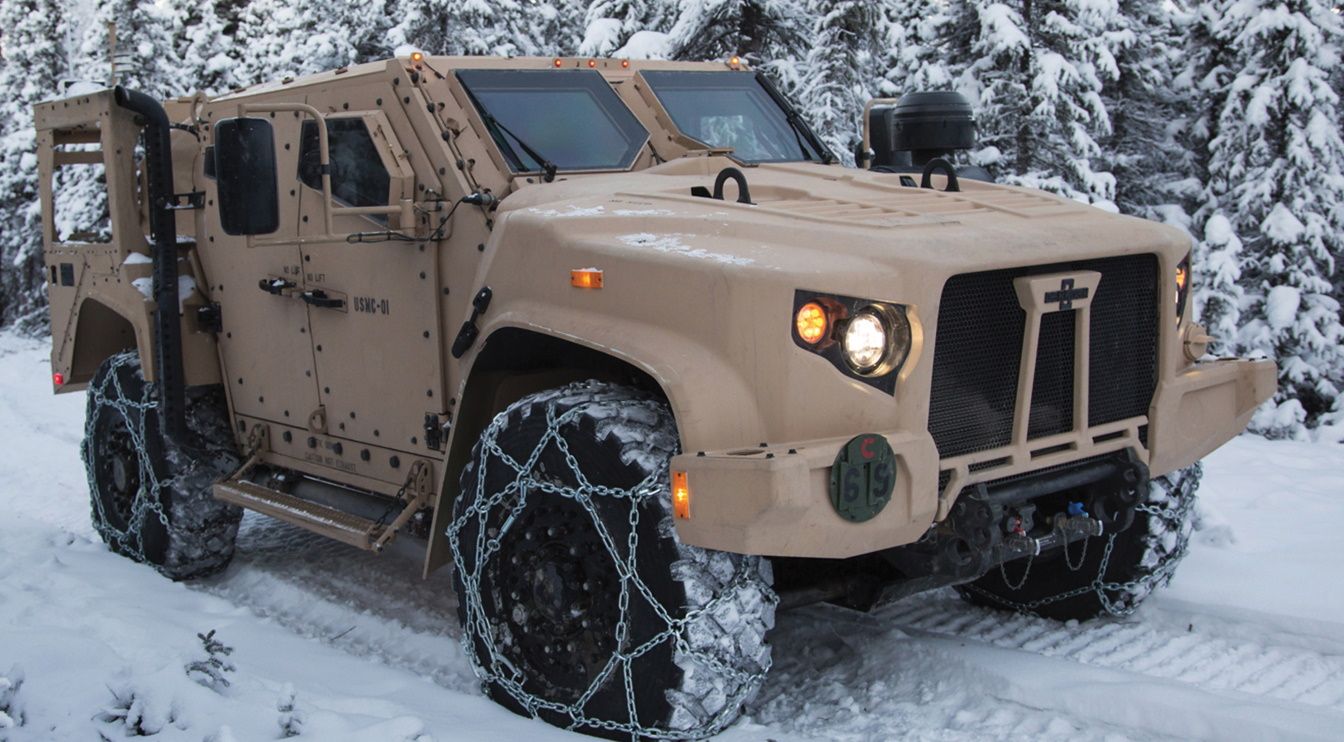
The military leadership, acutely aware of these limitations, has repeatedly expressed a strong desire to circumvent this bureaucratic and logistical nightmare. Their objective is clear: equip their personnel with the necessary tools, manuals, parts, and diagnostic information to perform repairs in the field, efficiently and independently. This capability would not only save billions in taxpayer money but, more importantly, drastically improve the responsiveness and self-sufficiency of units deployed globally. However, these aspirations have been met with fierce resistance from powerful defense contractor groups. These behemoths of industry, who profit handsomely not only from selling the military its high-tech equipment but also from providing the exclusive means to maintain and repair it, are aggressively lobbying to neuter any proposed right-to-repair provisions. Their financial interests are directly threatened by a military empowered to perform its own repairs.
The legislative process for the NDAA is currently in a critical "conferencing phase," where differing versions passed by the Senate and the House are being reconciled into a single, cohesive bill. The final language is anticipated within the coming week, after which it will face votes in both chambers before being sent to President Donald Trump’s desk for signature into law.
Momentum for the right to repair had been building steadily. Democratic Senator Elizabeth Warren of Massachusetts, a long-standing advocate for repairability legislation across various sectors, successfully introduced Sec. 836 into the Senate’s version of the NDAA. This provision drew direct inspiration from her "Warrior Right to Repair Act," which she had introduced in July. It explicitly called for defense contractors to be legally mandated to furnish the US Department of Defense with "the rights to diagnose, maintain, and repair the covered defense equipment." This was a significant step towards intellectual property access for the military.
Mirroring this effort, a similar provision, Sec. 863, was also incorporated into the House’s version of the NDAA. This was championed by Representative Mike Rogers, a Republican from Alabama and the influential chairman of the House Armed Services Committee, with support from ranking member Adam Smith of Washington. This section aimed for a "requirement for contractors to provide reasonable access to repair materials." In essence, both provisions sought to liberate servicemembers from their dependence on manufacturers, thereby fostering greater autonomy, reducing repair times, and ultimately preserving taxpayer funds.
The broad, bipartisan consensus behind these initiatives underscores their perceived importance. "Military leaders, service members, the White House, and hundreds of small businesses all agree these bipartisan right to repair reforms are desperately needed," Senator Warren powerfully articulated to Roll Call last week. Her statement sharply criticized the opposition: "The giant defense contractors fighting these reforms are more interested in innovating new ways to squeeze our military and taxpayers than strengthening our national security." This sentiment highlights the tension between corporate profit motives and national strategic interests.
What has right-to-repair proponents deeply concerned, and what appears to be the contractors’ preferred alternative, is another provision embedded within the House Act: Sec. 1832, titled "Data-as-a-service solutions for weapon system contracts." If the original right-to-repair provisions are indeed removed, the Department of Defense would then be compelled to negotiate and pay contractors for access to a subscription service whenever it procures new weapons and equipment. This subscription would grant access to highly detailed information, including "detailed manufacturing or process data relating to how contractors or subcontractors design, develop, produce, test, certify, diagnose, maintain, repair, or otherwise support such weapon system (or component thereof)."
This shift represents a fundamental change in the relationship between the military and its suppliers. The military has historically relied on private companies for cutting-edge weapons and technology. However, many of these procurement contracts have long included warranty provisions and usage restrictions reminiscent of consumer electronics, where tampering with a device, even for repair, could void its warranty, or where limited access to proprietary software stifles independent maintenance. While problematic for a consumer, such restrictions become an existential threat when units require urgent repair amidst active military operations. The "data-as-a-service" model would institutionalize this dependency, transforming what should be an outright purchase of ownership and operational autonomy into a perpetual lease of information.
The right to repair in the military has indeed garnered wide bipartisan support, transcending typical political divides. Defense Secretary Pete Hegseth, known for his ambitious "no fatties" plans to reshape the military, has been a vocal proponent, pushing for right-to-repair provisions in all Army contracts. Other members of the Trump administration have echoed this stance. Servicemembers, both current and former, including Navy Secretary John Phelan, have testified in hearings about the critical importance of repairability for readiness. Even former Trump "drone guy" Dan Driscoll, a prominent advocate for the "warrior right to repair," has bluntly stated that defense manufacturers have "conned the US military" into purchasing overly expensive equipment with built-in dependencies. This broad consensus from both political and military leadership underscores the practical necessity of these reforms.
However, powerful defense lobbying groups have vigorously pushed to dismantle the repairability provisions in favor of the House’s "data-as-a-service" framework. In September, the National Defense Industrial Association (NDIA), a leading industry group, published a white paper arguing that compelling contractors to provide the DoD with access to their intellectual property – essentially, the information needed for repairs – would "limit innovation." Their argument posits that sharing company data and IP would disincentivize future research and development. (When contacted by WIRED, the NDIA simply referred to this white paper.) Similarly, Eric Fanning, CEO of the Aerospace Industries Association (AIA), contended that allowing servicemembers to fix their own equipment could "threaten the backbone of US defense" by chilling the incentive for companies to develop new technologies.
Margaret Boatner, AIA’s vice president of national security policy, further articulated this concern in an email to WIRED: "Our real concern is that the proposed legislative language amounts to an eminent domain push by the federal government. It extends well beyond just supporting in-house maintenance and repair for the military; it requires defense contractors to disclose a substantial amount of proprietary IP just to compete for contracts. Moreover, it would grant the government the authority to share this sensitive information with competitors." This argument frames the military’s request as an overreach that could undermine the competitive advantage and proprietary knowledge of defense firms.
These lobbying efforts appear to have been highly effective. A person with direct knowledge of the conference negotiations, who requested anonymity due to fears of political reprisal, stated, "The House Armed Services Committee chair [Rogers] and ranking member [Smith] are sympathetic and pushing to replace the right to repair provision with this idea of data as a service, which is basically renting the military what they already sold them." This stark assessment suggests a significant victory for the contractors.
Right-to-repair advocates are profoundly dismayed by this potential outcome. "If right to repair is replaced by data-as-a-service, it will be a direct undermining of policy outlined by the Trump White House, Defense Secretary Pete Hegseth, Army Secretary Dan Driscoll, and Navy Secretary John Phelan," another individual familiar with the NDAA negotiations, unauthorized to speak to the press, told WIRED. This source also leveled strong criticism against the lawmakers involved: "Adam Smith and Mike Rogers are case studies on what the revolving door in Congress looks like." Data from Open Secrets, a watchdog site tracking political donations, reveals that both Smith and Rogers have received hundreds of thousands of dollars in contributions from defense companies, raising concerns about potential conflicts of interest influencing their legislative decisions.
Rogers did not respond to requests for comment. Smith’s office, in an email response to WIRED’s inquiries about the NDAA language, stated, "Ranking Member Smith and the HASC minority staff don’t talk about amendments and provisions in the House and Senate bills during final conference negotiations," a standard response that avoids addressing the specific allegations.
Consumer advocate groups, such as the United States Public Interest Research Group (PIRG), have also weighed in on the military’s plight, highlighting the broader implications for taxpayers. PIRG has explicitly called for the military to secure the right to repair the equipment it procures. Nathan Proctor, senior director of PIRG’s campaign for the right to repair, articulates the power imbalance: "At the point of sale, they have some leverage. But once they have the product, there is no competition at all if the manufacturer can make the repairs a proprietary process." This lack of competition post-purchase translates directly into inflated costs for maintenance, all ultimately borne by taxpayers.
The gravity of this potential policy shift was recently underscored by right-to-repair advocate and popular YouTuber Louis Rossmann, who drew attention to the donations received by Smith and Rogers and the proposed changes in the NDAA in a recent video. Rossmann critically compared the potential switch to a "data-as-a-service" policy for military equipment to BMW’s controversial subscription model for features like heated car seats – a comparison that highlights the absurdity of paying for access to functionality or information for something already owned. More profoundly, Rossmann pointed to the historical role of the military in driving technological advancement. "Most of the innovation that occurred in the technological sector for over 40 years occurred in the military back when the repair was standard," Rossmann told WIRED. "I think the argument would be a good one to engage with in a vacuum. But the counterpoint is just reality." His assertion suggests that a culture of proprietary control, rather than fostering innovation, could stifle it by removing the hands-on engagement that historically led to breakthroughs.
Ultimately, the outcome of these NDAA negotiations will have far-reaching consequences beyond mere financial implications. It will define the operational autonomy of the US military, its readiness to respond to global threats, and the balance of power between national security imperatives and the commercial interests of defense contractors. If the right to repair is indeed sacrificed for a subscription model, it risks entrenching a system of perpetual dependency and escalating costs, potentially undermining the very security it purports to protect.