Officials instructed to pause all asylum decisions in wake of National Guard shooting. The Trump administration, on a Friday in late November 2025, issued an immediate and sweeping directive to U.S. Citizenship and Immigration Services (USCIS) officers, ordering an indefinite halt to all asylum decisions. This dramatic move came in the immediate aftermath of a tragic shooting incident in Washington, D.C., where two National Guard soldiers were targeted, one fatally. The internal directive, obtained by CBS News and corroborated by two anonymous sources familiar with the order, signifies the administration’s most recent and aggressive step to significantly tighten the American immigration system, particularly in response to perceived national security threats.
The catalyst for this unprecedented policy shift was the arrest of Rahmanullah Lakanwal, an Afghan national, who is the primary suspect in the National Guard shooting. According to officials, Lakanwal had been granted asylum by U.S. immigration authorities earlier in 2025. This detail immediately fueled a narrative within the administration that existing asylum processes posed unacceptable security risks, prompting a swift and robust reaction. USCIS asylum officers, who operate under the umbrella of the Department of Homeland Security (DHS), were explicitly instructed to cease all actions related to the approval, denial, or closure of any asylum applications currently before the agency. The internal notice underscored the gravity of the situation, signaling a comprehensive freeze on adjudications that would impact thousands of pending cases across the country.
This directive builds upon a series of increasingly stringent immigration measures unveiled by the Trump administration in the days following the Wednesday attack. On Thursday, just hours before the asylum decision pause, the administration had already declared its intention to initiate a thorough review of all asylum approvals made under the preceding Biden administration. This review was directly linked to the National Guard shooting, with officials citing the incident as undeniable proof of potential vulnerabilities within the system. The fact that Lakanwal, the alleged shooter, had entered the U.S. in September 2021 during former President Joe Biden’s tenure through the humanitarian parole policy – part of "Operation Allies Welcome" designed to resettle tens of thousands of Afghans evacuated after the Taliban takeover – and subsequently received asylum under the second Trump administration, added layers of complexity and political urgency to the situation. It raised questions about the efficacy of vetting processes across different administrations and underscored the administration’s determination to re-evaluate every facet of the immigration framework.

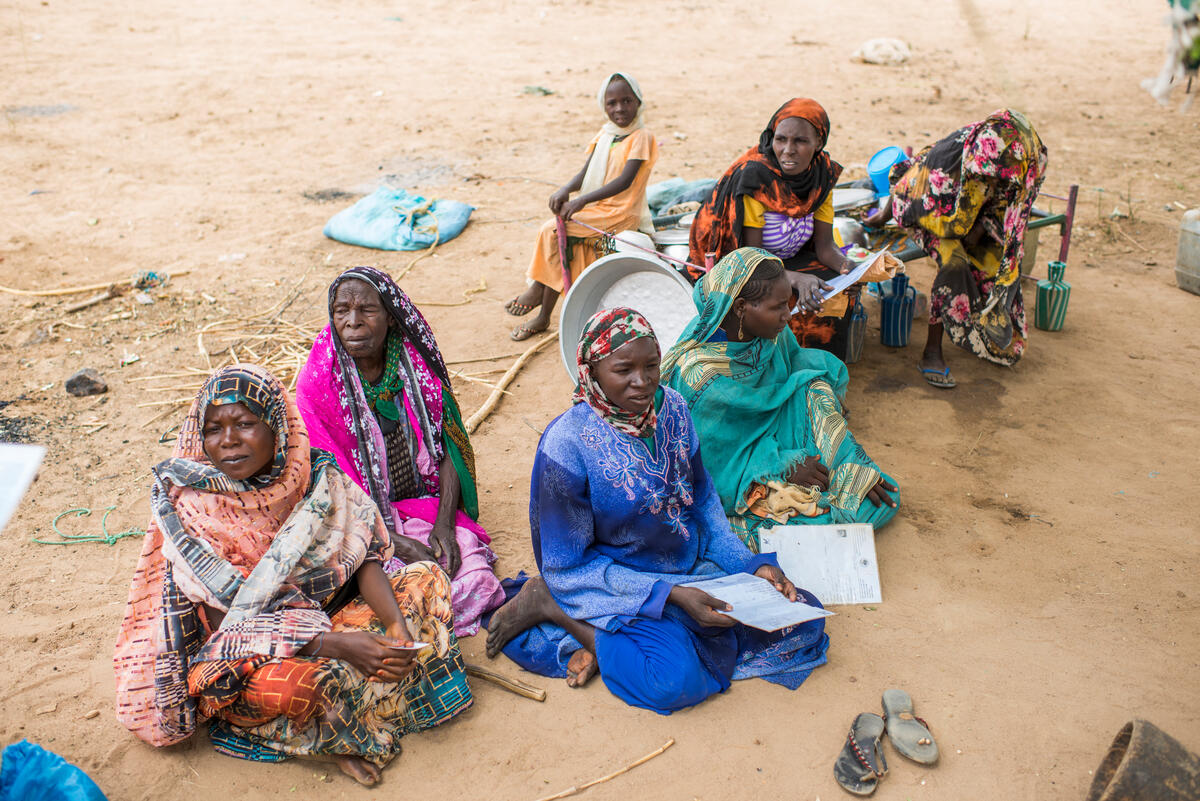
The Friday order, conveyed internally to USCIS asylum officers, represents an indefinite suspension of asylum adjudications for individuals of all nationalities. Asylum cases, by their very nature, involve foreigners seeking protection in the U.S., claiming they face persecution if repatriated to their home countries due to factors such as their race, nationality, religion, or political views. The impact of such a broad pause is far-reaching, leaving countless individuals in a state of prolonged uncertainty and anxiety. "Do not enter any decision information for affirmative cases," a USCIS notice circulated to asylum officers in one office explicitly stated. This instruction specifically targets "affirmative" asylum cases, which are those filed proactively by individuals not currently in deportation proceedings and are overseen directly by USCIS. "Defensive" asylum applications, on the other hand, are filed by individuals facing deportation and are adjudicated by federal immigration judges within the Department of Justice, making them a distinct category.
The guidance further clarified that the pause extends to all USCIS asylum cases, encompassing those filed by Afghan nationals who arrived under the Biden administration’s "Operation Allies Welcome" initiative. Furthermore, the immediate ramifications included the cancellation of in-person appointments for asylum applicants scheduled to receive decisions on their cases, at least for the upcoming Monday. While officers were permitted to continue conducting asylum application interviews and reviewing cases up to the point of decision-making, the critical final step was to be withheld. "Once you’ve reached decision entry, stop and hold," the directive mandated, effectively creating an enormous bottleneck in the adjudication process.
In a formal statement provided to CBS News on Friday, USCIS Director Joe Edlow unequivocally confirmed the reporting, solidifying the official stance. "USCIS has halted all asylum decisions until we can ensure that every alien is vetted and screened to the maximum degree possible," Edlow stated. He underscored the administration’s primary justification, adding, "The safety of the American people always comes first." This declaration signaled a fundamental shift in priority, where national security concerns, amplified by the shooting, now supersede the timely processing of humanitarian claims. The implication is that the existing vetting mechanisms are deemed insufficient, necessitating a complete overhaul or at least a temporary suspension until confidence in their robustness can be restored.
Beyond the immediate pause on asylum decisions, the Trump administration has rolled out a series of other aggressive immigration policies in the wake of Wednesday’s shooting. Officials initially announced an indefinite suspension on the processing of all legal immigration applications – a remarkably broad category encompassing citizenship petitions, green card applications, requests for work permits, and indeed, asylum claims – specifically for applicants from Afghanistan. This measure alone is expected to impact thousands of Afghan nationals who have sought refuge or a new life in the U.S.
Subsequently, USCIS Director Joseph Edlow announced, under the direct instruction of President Trump, an order for a "full scale, rigorous reexamination" of green card cases. This reexamination targets nationals affected by a specific presidential proclamation that had previously imposed a full or partial suspension of travel and immigration from 19 designated countries. This list, which the White House previously referred to as a "travel ban" when it was initially released in June, includes Afghanistan alongside other nations in Asia and the Middle East such as Iran, as well as African countries like Somalia and Sudan. The presidential order also extends its reach to nationals from Cuba, Haiti, and Venezuela, significantly broadening the scope of individuals whose immigration status could now be retroactively reviewed.
To operationalize this review, USCIS published a new policy on Thursday. This guidance explicitly empowers adjudicators to cite concerns about the government’s inability to properly vet and identify green card applicants from the aforementioned group of 19 countries as a legitimate reason to deny their cases. The policy elaborated on these concerns: "Certain countries (including but not limited to Afghanistan, Eritrea, Libya, Somalia, Sudan, Yemen, and Venezuela) lack a competent or central authority for issuing passports and civil documents among other concerns, which directly relates to USCIS’ ability to meaningfully assess eligibility for benefit requests including identity, and therefore whether an alien warrants a favorable exercise of discretion." This policy essentially creates a presumption of risk for applicants from these nations, making it significantly harder for them to obtain legal permanent residency.
Further escalating the rhetoric and policy proposals, President Trump took to Truth Social late Thursday, publicly vowing to "permanently pause migration from all Third World Countries." In his post, he also stated that his administration would move to revoke the citizenship of those deemed to "undermine domestic tranquility" and promised to deport any foreigner identified as a "public charge, security risk, or non-compatible with Western Civilization." While the White House had not yet provided public clarification on the specific actions or legal frameworks that would be used to execute these sweeping pronouncements, the president’s statements signal an intent to pursue an even more restrictive and ideologically driven immigration agenda.
The cumulative effect of these measures is profound, marking one of the most significant overhauls of U.S. immigration policy in recent history. The indefinite pause on asylum decisions, coupled with the review of past approvals and the expanded scrutiny of green card applications from numerous countries, signals a hardened stance that prioritizes perceived national security above all else. Legal experts anticipate immediate and robust challenges to these directives, citing potential violations of due process and international humanitarian law. Humanitarian organizations have voiced deep concerns about the fate of thousands of asylum seekers who will be left in prolonged limbo, facing immense psychological distress and uncertainty about their future. The extensive bureaucratic backlog, already a chronic issue within the immigration system, is expected to swell dramatically, further delaying resolutions for countless individuals. Internationally, these policies are likely to be met with criticism, particularly from countries whose nationals are disproportionately affected, potentially straining diplomatic relations. The administration’s actions underscore a fundamental belief that the existing immigration system is inherently flawed and vulnerable, requiring drastic measures to ensure what it terms "the safety of the American people."