
Rep. Mike Turner Says "You Can’t Be America First and Pro-Russia" As Negotiators Seek to Broker End to War in Ukraine
Washington – In a sharp rebuke that underscores the deep divisions within American foreign policy circles regarding the ongoing conflict in Ukraine, Republican Representative Mike Turner of Ohio declared on Sunday that genuine adherence to an "America First" philosophy is fundamentally incompatible with a pro-Russia stance. His comments came as high-stakes negotiations unfolded in Miami, aiming to forge a peace agreement to end the devastating war in Ukraine, a process that has drawn both cautious optimism and profound skepticism.
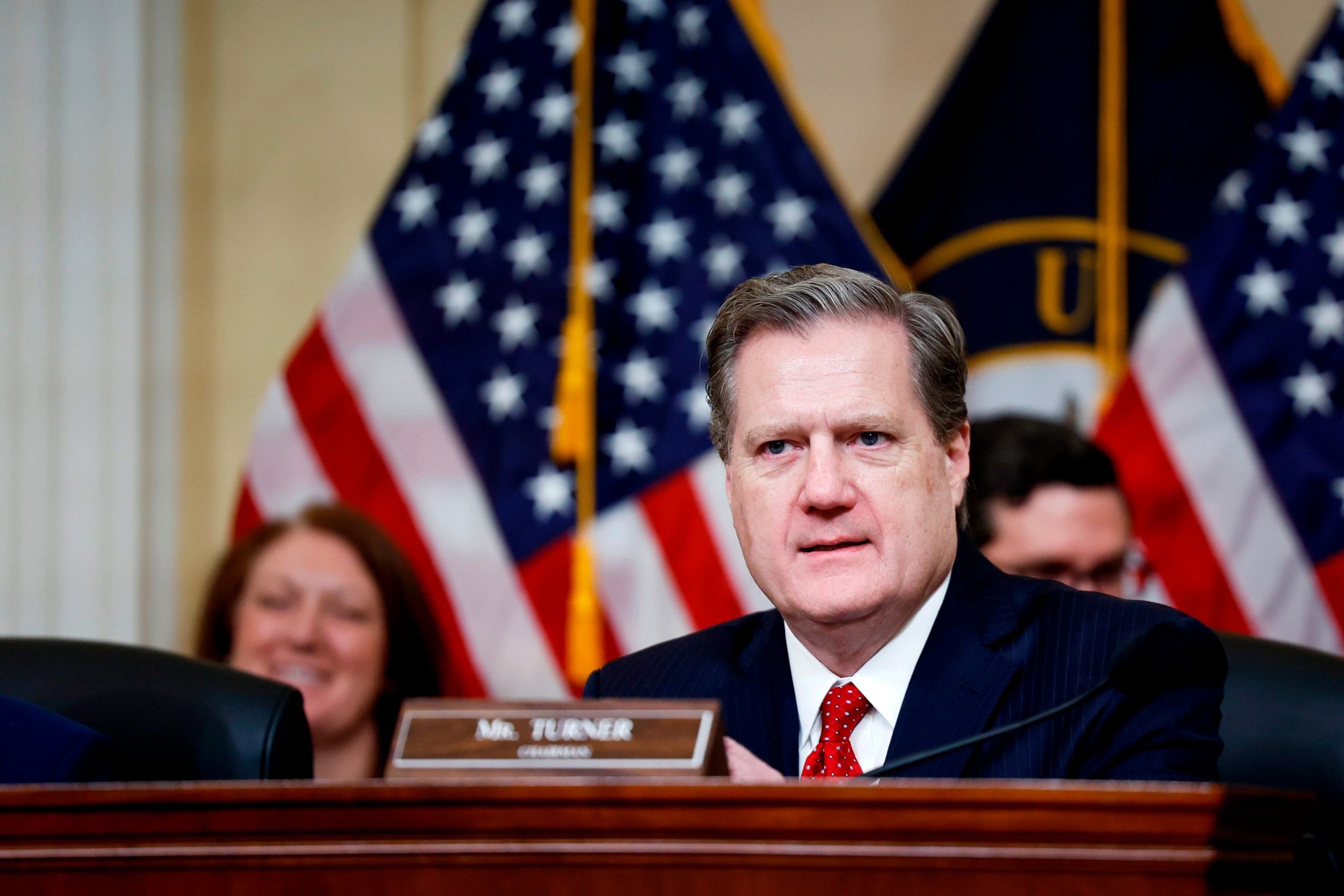
Speaking on "Face the Nation with Margaret Brennan" on November 30, 2025, Rep. Turner voiced significant apprehension regarding the White House-backed peace proposal, suggesting it might lean too heavily in Russia’s favor. Turner, a prominent voice on national security as a member of the House Armed Services Committee and former chairman of the House Intelligence Committee, stressed the imperative for any peace arrangement to treat Russia as a "skeptical adversary," a nation whose intentions and actions demand constant vigilance.
The critical discussions began Sunday morning in Miami, bringing together a team of Ukrainian negotiators with key American figures: Secretary of State Marco Rubio, Special Envoy Steve Witkoff, and Jared Kushner, President Trump’s son-in-law. This meeting marks a crucial juncture in a conflict that has ravaged Ukraine for years, claiming countless lives and destabilizing global security. The diplomatic efforts are set to intensify, with Witkoff slated to travel to Moscow later in the week, signaling the complex, multi-faceted nature of the peace process.
Secretary Rubio, addressing the press as the Miami talks commenced, articulated the administration’s overarching objective. He emphasized that the "end goal is obviously not just the end of the war," but rather "securing an end to the war that leaves Ukraine sovereign and independent and with an opportunity at real prosperity." This declaration aimed to reassure allies and critics alike that Ukraine’s long-term viability remains a central tenet of U.S. policy, even amidst the pursuit of peace.
Rubio’s statements arrived in the wake of a contentious period during which the White House had initially introduced a peace proposal earlier in November. That original plan had faced considerable backlash, with critics arguing it contained several provisions that seemed to favor Russia and had previously been rejected by Ukrainian President Volodymyr Zelenskyy. These initial proposals reportedly included contentious elements related to territorial concessions or Ukraine’s future security alignment, sparking concern among Kyiv’s allies. However, President Trump has since acknowledged that the plan has undergone revisions, citing "progress on both sides" as a testament to evolving diplomatic engagement.
When pressed by CBS’ chief White House correspondent Nancy Cordes about his persistent concerns regarding the plan’s potential pro-Russia bias, Turner was unequivocal. "I think we all have those concerns," he admitted, reflecting a broader unease among hawkish lawmakers. He then elaborated on his central argument, drawing a clear line in the sand for American foreign policy: "One thing that I think everybody understands is that you can’t have, you can’t be America first and pro-Russia, because Russia is a self-declared adversary of the United States."
Turner meticulously detailed his reasoning, outlining Russia’s aggressive posture and its direct threats to U.S. national security. He highlighted Russia’s development and deployment of "new, advanced nuclear weapons that are specifically targeting the United States," a stark reminder of the enduring strategic competition. Furthermore, he pointed to Russia’s relentless "offensive cyber" attacks against the U.S., which continually probe and exploit vulnerabilities in American infrastructure and institutions. He also underscored Russia’s consistent identification of both NATO and the broader Western alliance, including the United States, as its primary adversaries, cementing its role as a hostile power. "You have to understand that the balance of this peace arrangement has to be one where you have to look at Russia as a skeptical adversary," Turner asserted, advocating for a pragmatic and cautious approach rooted in realism rather than wishful thinking.
Adding another layer of controversy to the delicate negotiations, Turner was questioned about a transcript published by Bloomberg earlier in the week. The transcript reportedly detailed a conversation in which Special Envoy Steve Witkoff appeared to be "coaching" a Kremlin aide on how best to negotiate with President Trump. This revelation ignited fears of a back-channel influence operation designed to manipulate the U.S. president’s perspective. Turner expressed profound concern over this alleged orchestration, specifically highlighting the timing. "The part that concerned me most is that there appeared to be an orchestration of giving Putin an opportunity to speak to Trump before President Zelenskyy was on his way to the White House," he explained.
Turner emphasized the profound human cost of the conflict, reminding viewers that "this is not a military against military action, they are bombing into Ukraine and murderously killing civilians in Ukraine." He painted a grim picture of the Ukrainian people enduring relentless attacks, asserting that "President Trump needs to be able to hear Zelenskyy’s voice clearly, and not just the authoritarian, murderous Putin." For Turner, ensuring Zelenskyy’s direct access to Trump, unmediated by potentially biased intermediaries, is paramount to safeguarding Ukraine’s interests and upholding moral clarity in the peace process.
Despite his strong criticisms, Turner acknowledged the complexity of diplomatic efforts when asked about Witkoff’s role. "I think you can’t take just one slice of someone’s conversation during the long, stretched out aspects of negotiations as reflective," he conceded. However, he quickly reiterated the crucial need for caution and concern to be voiced at every opportunity. "But I think it’s certainly important that when we do get that opportunity, that our voices are heard of caution and concern," he added, circling back to his core apprehension about the perceived bias in the preliminary stages of the peace talks.
The congressman concluded his remarks on this specific point by restating his alarm: "The orchestration of inserting Putin’s voice before Zelenskyy’s is very concerning. Because Ukraine’s sovereignty and security needs to be preeminent. And we heard that this morning from Rubio, and that needs to be the focus." This statement underscored a perceived disconnect between the stated goals of the administration and the alleged machinations occurring behind the scenes, highlighting a persistent tension in the U.S. approach to the conflict.
Later on Sunday afternoon, Secretary Rubio provided an update following the conclusion of the Miami meeting. He characterized the session as "another very productive session," reaffirming the administration’s dual objectives: to bring an end to the war while simultaneously working to "help Ukraine be safe forever." Rubio described this as a "shared vision," signaling a degree of consensus among the American and Ukrainian negotiators on the ultimate goals.
However, Rubio also tempered expectations, acknowledging the arduous path ahead. "But there’s more work to be done," he stated, emphasizing the inherent challenges. "This is delicate, it’s complicated, there are a lot of moving parts, and obviously there’s another party involved here that will have to be a part of the equation, and that will continue later this week when Mr. Witkoff travels to Moscow." His remarks served as a reminder that despite progress, the most difficult phase of negotiations, involving direct engagement with the Russian government, still lies ahead.
Turner’s intervention serves as a powerful reminder that while the desire for peace is universal, the path to achieving it is fraught with ideological and strategic disagreements within Washington. His assertion that "you can’t be America First and pro-Russia" challenges a segment of the Republican party that has at times appeared sympathetic to Moscow, framing support for Ukraine as a core tenet of American national security and values. As Witkoff prepares for his trip to Moscow, the delicate balance between securing a lasting peace and safeguarding Ukrainian sovereignty, all while navigating the complexities of U.S. domestic politics and Russia’s adversarial posture, remains the paramount challenge for President Trump’s administration. The coming days and weeks will reveal whether these high-stakes diplomatic maneuvers can bridge the divides and bring an end to a war that has reshaped the global order.