
Children who have smartphones by age 12 are at increased risk of health problems, new study finds.
A groundbreaking study published recently in the esteemed peer-reviewed journal Pediatrics has unveiled concerning insights, indicating that the mere ownership of a smartphone by children younger than 12 years old is significantly associated with an elevated risk of developing a range of health problems. The research, which offers a stark warning to parents and policymakers alike, specifically pinpointed higher incidences of mental health issues, including depression and insufficient sleep, alongside an increased likelihood of obesity among young adolescents who acquired these devices early in life, compared to their peers who did not.
The comprehensive investigation, a collaborative effort by researchers from the Children’s Hospital of Philadelphia, the University of California at Berkeley, and Columbia University, meticulously analyzed data from over 10,000 adolescents across the United States. These participants were drawn from the Adolescent Brain Cognitive Development Study (ABCD), a monumental, federally funded initiative by the National Institutes of Health, recognized as the nation’s largest long-term study dedicated to understanding brain development and child health. The data, spanning from 2018 to 2020, provided a robust foundation for the study’s conclusions, offering a longitudinal perspective on the impact of early smartphone adoption.
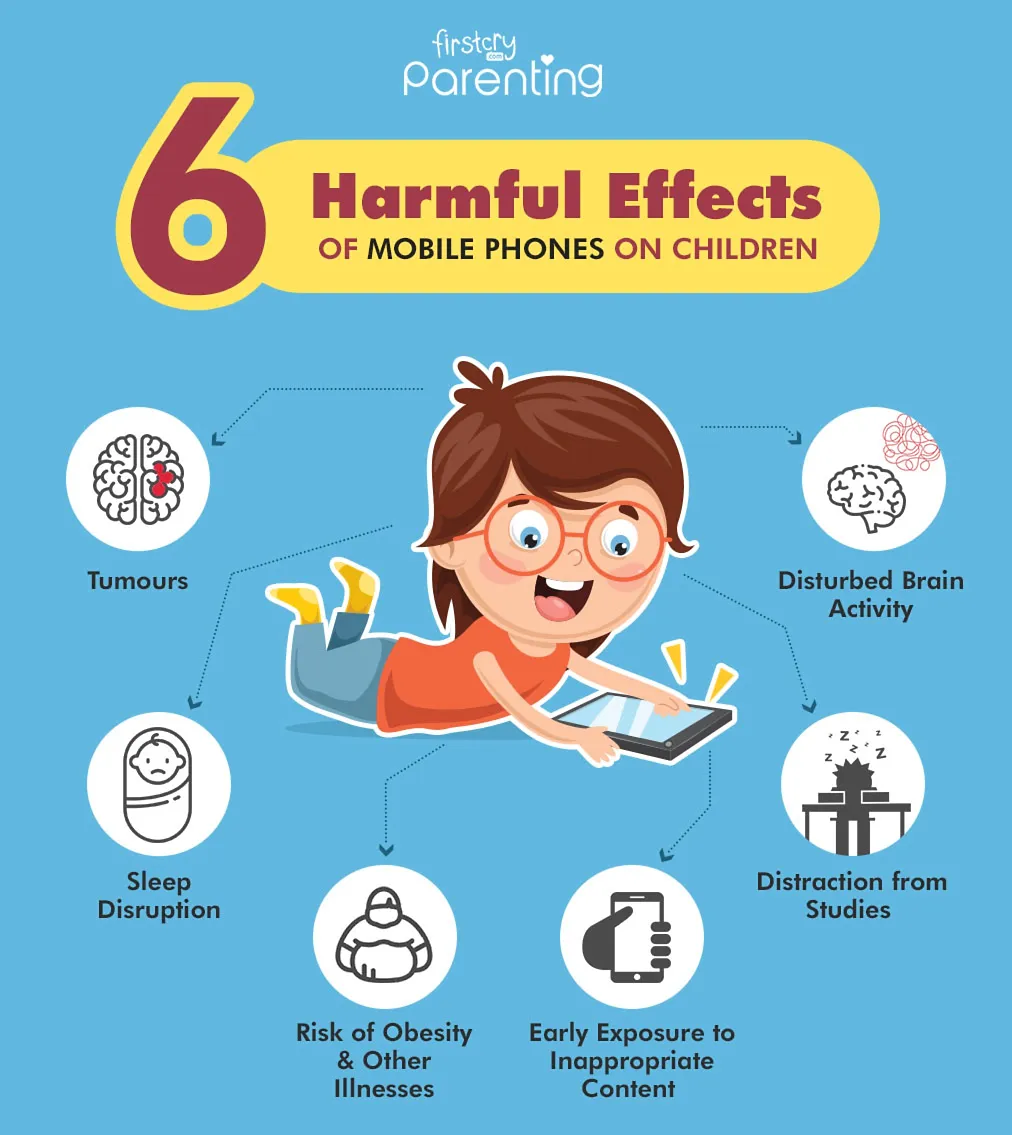
The findings from the Pediatrics study revealed that a substantial 63.6% of the ABCD study participants were smartphone owners, with the median age of acquisition standing at a concerning 11 years old. A critical aspect of the researchers’ analysis was the direct correlation between the age of smartphone acquisition and the severity of adverse health outcomes. They determined that younger children, particularly those receiving their first smartphone at age 12 or below, faced demonstrably greater risks of experiencing poor sleep quality and obesity when compared to older participants. This trend suggested a dose-response relationship, where the younger the child at the point of receiving their first smartphone, the more pronounced the negative health impacts observed.
Dr. Ran Barzilay, the lead author of the study and a distinguished child psychiatrist affiliated with the Youth Suicide Prevention, Intervention and Research Center at the Children’s Hospital of Philadelphia, underscored a crucial aspect of their methodology. "We didn’t even look at what the kids did on the phone," Barzilay explained in an interview with CBS News. "We basically asked one simple question: does the mere factor of having one’s own smartphone at this age range have anything to do with health outcomes?" This approach highlights that the study focused not on the content consumed or the duration of screen time, but on the intrinsic impact of smartphone ownership itself during a critical developmental phase.
Further reinforcing these findings, the Pediatrics study conducted a comparative analysis between two groups: children who had obtained a smartphone by age 12 and those who had not. The results, observed a year later, showed a clear divergence in well-being. Children who had remained without smartphones exhibited significantly better mental health trajectories than their counterparts who had acquired the devices. This longitudinal comparison strengthens the causal inference that early smartphone ownership is a distinct risk factor for psychological distress. Dr. Barzilay also noted, "We did account for the fact that the kids may have had other technological devices like tablets or iPads, and it did not change the results," affirming that the observed risks were specifically attributable to smartphones, not merely general screen exposure. This distinction is vital, as smartphones offer a unique blend of constant connectivity, personal ownership, and access to a vast array of potentially stimulating or distressing content that other devices may not replicate in the same manner.
In a separate statement issued by the Children’s Hospital of Philadelphia, Barzilay emphasized that these findings compel parents to view smartphones not just as a convenience or a tool for communication, but as a "significant factor in teen health." He urged parents to approach the decision of when and whether to provide a child with a smartphone with profound care and consideration. While acknowledging the potential pitfalls, Barzilay also offered a balanced perspective, recognizing that smartphones "can play a constructive role" in adolescents’ lives. He highlighted their utility in strengthening social connections, facilitating learning through educational applications, and offering a means of communication for safety purposes, such as in emergencies or for coordinating after-school activities. This dual nature of smartphones presents a complex challenge for families navigating the digital age.
Looking ahead, Dr. Barzilay outlined the research team’s commitment to delving deeper into this critical area. Future studies will aim to dissect which specific aspects of smartphone use and ownership are most strongly correlated with negative health effects for young people. Researchers intend to expand their focus to even younger cohorts, specifically children who acquired smartphones before the age of 10, to identify who among them is most vulnerable to detrimental impacts and who might benefit most from smartphone integration. Ultimately, the overarching goal of this continued research is to develop evidence-based strategies and guidelines that can effectively protect children and adolescents from the potential adverse consequences outlined in their initial findings, while still harnessing the constructive potential of these ubiquitous devices.
The findings of this study resonate with a growing chorus of concern from experts regarding the pervasive increase in screen time and its multifaceted effects on children and teenagers. In 2023, former U.S. Surgeon General Dr. Vivek Murthy issued a comprehensive advisory on social media use and youth mental health, where he strongly advocated for the creation of "tech-free zones" within homes and communities. His recommendations underscored the importance of encouraging children to "foster in-person friendships" as a counterbalance to the digital world. This advice reflects a broader societal recognition of the need to prioritize real-world interactions and healthy developmental environments.
In response to these mounting concerns, governmental bodies at various levels have begun to implement policy changes. Several states across the U.S. have taken proactive steps to ban or severely restrict cellphones in schools, recognizing the potential for distraction, cyberbullying, and negative impacts on academic performance and social development within educational settings. These bans aim to reclaim classroom focus and encourage face-to-face interaction among students. The rationale behind such measures aligns with the study’s findings, suggesting that a reduced presence of these devices, particularly during formative years and in structured environments, can contribute to improved well-being.
The sheer scale of smartphone adoption among youth is illustrated by data from the Pew Research Center. Their 2024 report revealed that a staggering 95% of teenagers between the ages of 13 and 17 already owned a smartphone. The penetration extends significantly into younger age groups as well: more than half of parents with children aged 11 and 12 reported that their kids owned smartphones. Even younger demographics are heavily affected, with nearly 30% of parents of 8-to-10-year-olds, 12% of parents of 5-to-7-year-olds, and even 8% of parents with children younger than 5 years old indicating smartphone ownership for their offspring. These statistics underscore the urgency and relevance of the Pediatrics study, highlighting a widespread phenomenon that demands careful scientific scrutiny and informed parental guidance.
In light of these realities, Dr. Barzilay offered concluding advice that acknowledges the inevitability of smartphone integration into most adolescents’ lives. "Most probably, all teens will eventually have a smartphone," he stated. Given this widespread adoption, his recommendation shifts from outright prohibition to proactive management. "Once this happens, it is advisable to monitor what our children do on their phones, ensuring they’re not exposed to inappropriate content and that smartphones don’t disrupt sleep." This guidance extends beyond mere screen time limits, advocating for a holistic approach to digital parenting that includes active supervision of content, setting clear boundaries around device usage, particularly before bedtime, and fostering open communication with children about their online experiences. The study ultimately serves as a crucial call to action, urging parents, educators, and healthcare providers to engage in a thoughtful dialogue about the profound implications of early smartphone ownership on the health and development of the next generation.