National Park Service to Hike Entrance Fees for Foreign Visitors to Certain Popular Sites
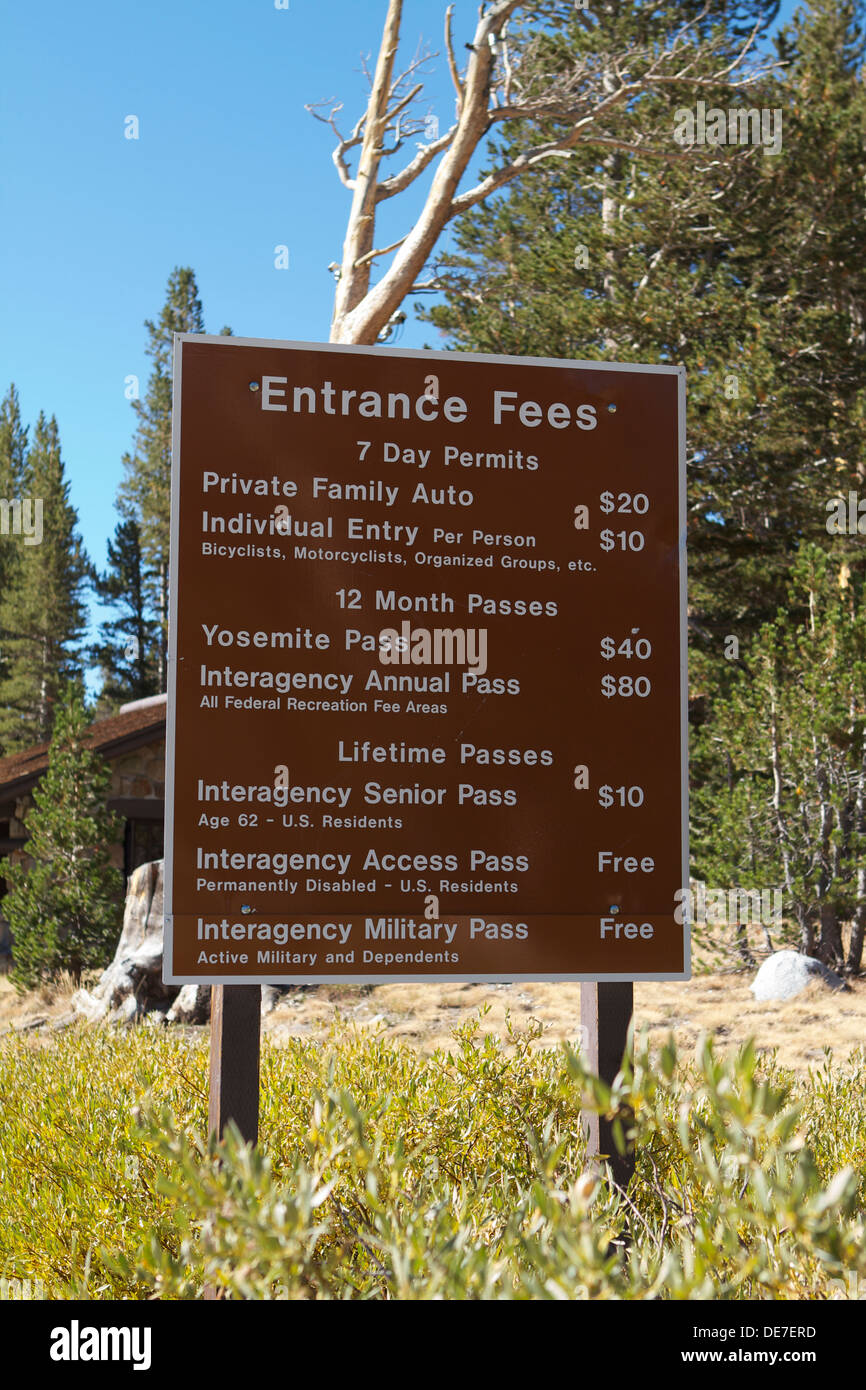
The United States Interior Department announced a significant policy shift on Tuesday, revealing that the National Park Service (NPS) will soon implement substantially higher entrance fees for international tourists visiting some of the nation’s most iconic natural treasures. Beginning January 1, foreign visitors will face a per-person entry fee of $100 at 11 select national parks, a stark contrast to the existing fee structure. Furthermore, these international guests will be excluded from fee-free days, which will now be exclusively reserved for U.S. residents.
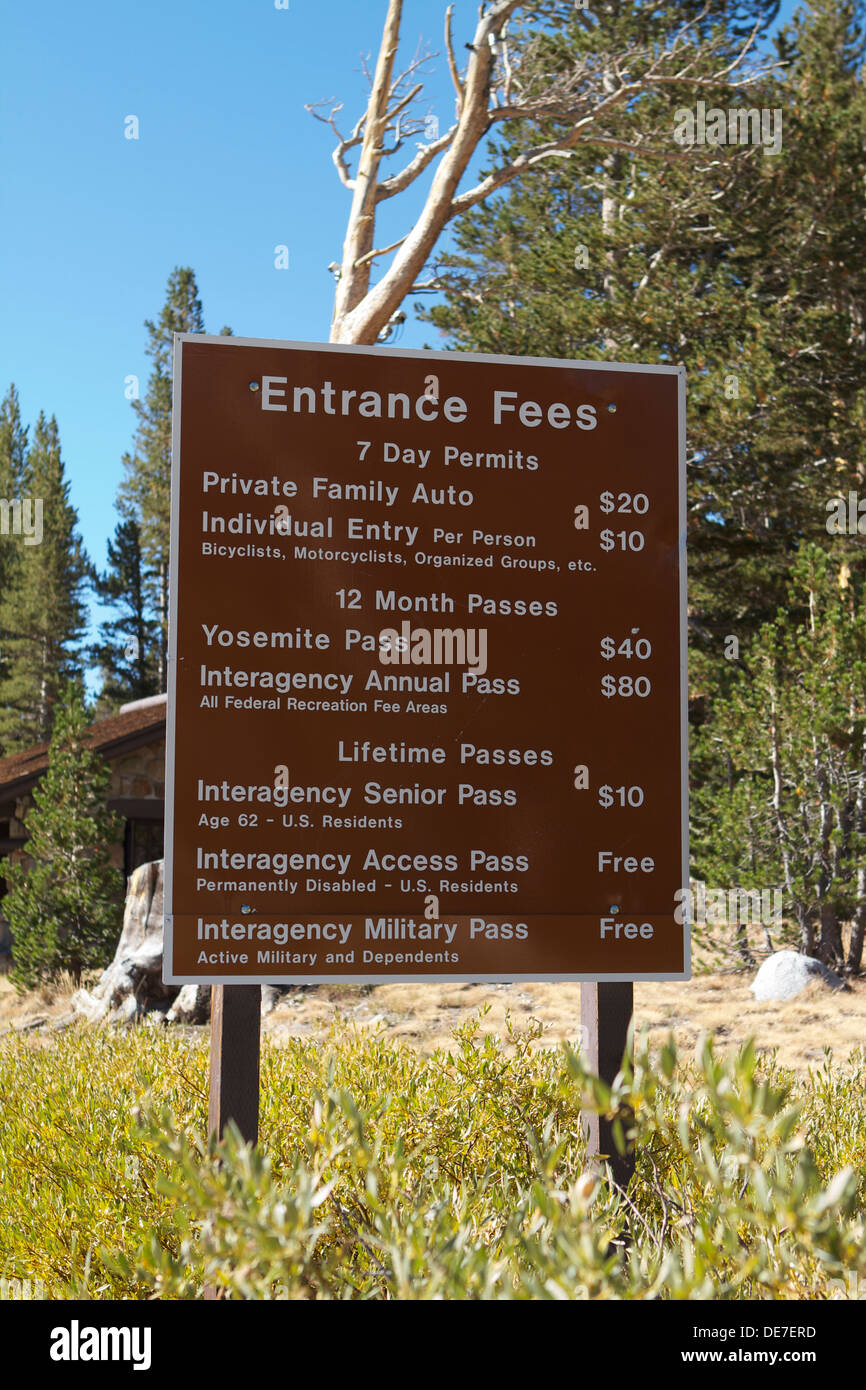
This overhaul of the fee system is set to impact a roster of the most frequented national parks, including the awe-inspiring Grand Canyon, the geothermally active Yellowstone, and the majestic Yosemite. These sites, known globally for their breathtaking landscapes and unique ecosystems, attract millions of visitors annually, a considerable portion of whom travel from abroad. The Interior Department’s statement outlined that the annual parks pass for foreign tourists will also see a dramatic increase, rocketing to $250, while U.S. residents will continue to pay an $80 annual fee. This creates a considerable financial disparity, clearly prioritizing domestic visitors.
The move comes amidst a backdrop of increasing strain on the National Park Service. The department cited major staff reductions, severe budget cuts, and the lingering effects of a recent government shutdown as primary drivers for the new policy. The shutdown had a particularly detrimental impact, leading to the furloughing of well over half of the NPS staff and substantial lost revenue due to uncollected fees. The new "America-first entry fee policies," as the Interior Department termed them, are designed to alleviate these financial pressures and generate much-needed funds for park maintenance and operations.
Interior Secretary Doug Burgum publicly endorsed the changes, posting on the social platform X (formerly Twitter) that the adjustments ensure U.S. taxpayers, who are the primary financial supporters of the park service, "continue to enjoy affordable access, while international visitors contribute their fair share to maintaining and improving our parks for future generations!" This sentiment was echoed by a White House social media post detailing the increased fees, which concluded with the unambiguous phrase, "AMERICANS FIRST." This rhetoric underscores the administration’s nationalist approach to public land access and funding.
This policy is not a sudden development but rather a direct consequence of a July executive order issued by President Donald Trump. That order specifically directed the Interior Department to increase entry fees for foreign tourists and to give U.S. residents "preferential treatment" over foreign visitors regarding "recreational access rules, including permitting or lottery rules" that parks might have in place. The administration’s fiscal year 2026 budget proposal, released in May, had already projected that such a surcharge on international visitors could generate more than $90 million annually, a figure that highlights the significant financial implications of this new strategy.
The announcement, while framed as a solution to funding woes, has already begun to raise questions and concerns among conservation groups and tourism industry stakeholders. Kati Schmidt, a spokesperson for the National Parks Conservation Association (NPCA), remarked in an email, "There’s a lot to unpack in this announcement, including many questions on its implementation — all which NPCA will raise with the Department of Interior." Her statement reflects the complexity of such a broad policy change and the potential for unforeseen challenges in its execution. These concerns likely revolve around the practicalities of distinguishing between domestic and international visitors at park entrances, the administrative burden of implementing dual fee structures, and the potential for negative diplomatic repercussions.
The economic implications for the U.S. tourism industry also warrant consideration. The U.S. Travel Association estimated that in 2018, national parks and monuments collectively welcomed more than 14 million international visitors. While specific numbers vary by park, Yellowstone National Park reported that nearly 15% of its visitors in 2024 were from outside the country, a notable decrease from 30% in 2018. This decline, which predates the new fee hike, suggests a sensitivity to travel costs or other global factors. A substantial increase in entry fees could further deter international visitors, potentially impacting local economies that rely heavily on tourism dollars generated by foreign travelers, from accommodation providers to local shops and restaurants. The delicate balance between generating revenue and maintaining accessibility for all visitors, regardless of origin, becomes a central point of contention.
Only approximately 100 of the more than 400 parks within the national park system currently collect an entrance fee, meaning this new policy will concentrate its impact on a specific, high-profile subset of parks. The revenue generated from these new fees is explicitly earmarked to support the national parks, with a focus on upgrading visitor facilities and essential maintenance. This includes addressing deferred maintenance backlogs, which have been a persistent challenge for the NPS for many years. Proponents argue that international visitors, who benefit from these world-class facilities, should contribute more directly to their upkeep, especially given the existing support from U.S. taxpayers.
A particularly contentious aspect of the new policy is the alteration of "fee-free days." Historically, the NPS has offered several days throughout the year when all visitors, regardless of nationality, could enter parks without charge. These days were often promoted as opportunities to ensure "everyone, no matter their zip code, can access and enjoy the benefits of green spaces and our public lands." However, under the new directive, these fee-free days will become "resident-only patriotic fee-free days" starting next year. Veterans Day, which was one of the eight free days open to everyone in 2025, will now be restricted to U.S. residents. This change fundamentally shifts the philosophy behind fee-free access, moving from universal encouragement to a more nationalistic approach.
In conclusion, the National Park Service’s decision to dramatically increase entrance fees for international visitors at its most popular sites marks a significant departure from previous policies. Driven by financial pressures, an "America First" political agenda, and a desire to ensure U.S. taxpayers’ contributions are prioritized, the policy aims to generate substantial revenue for park maintenance and improvements. While addressing critical funding needs, it simultaneously raises questions about accessibility, the global perception of U.S. national parks, and the potential impact on international tourism and related industries. As the implementation date approaches, the long-term effects of this "America-first" approach on one of the nation’s most cherished public resources will undoubtedly be closely watched by domestic and international observers alike.