BBC’s director and head of news resign amid Trump speech edit controversy
The British Broadcasting Corporation (BBC), a global titan of public broadcasting, has been rocked by the simultaneous resignations of its Director-General, Tim Davie, and its head of news, Deborah Turness. Both high-profile figures announced their departure on a Sunday, November 9, 2025, following a cascade of criticism regarding the broadcaster’s controversial editing of a speech delivered by former U.S. President Donald Trump. The controversy, which has escalated into a full-blown crisis of confidence for the venerable institution, centers on allegations of misleading journalistic practices that have ignited fierce debates about the BBC’s cherished impartiality.
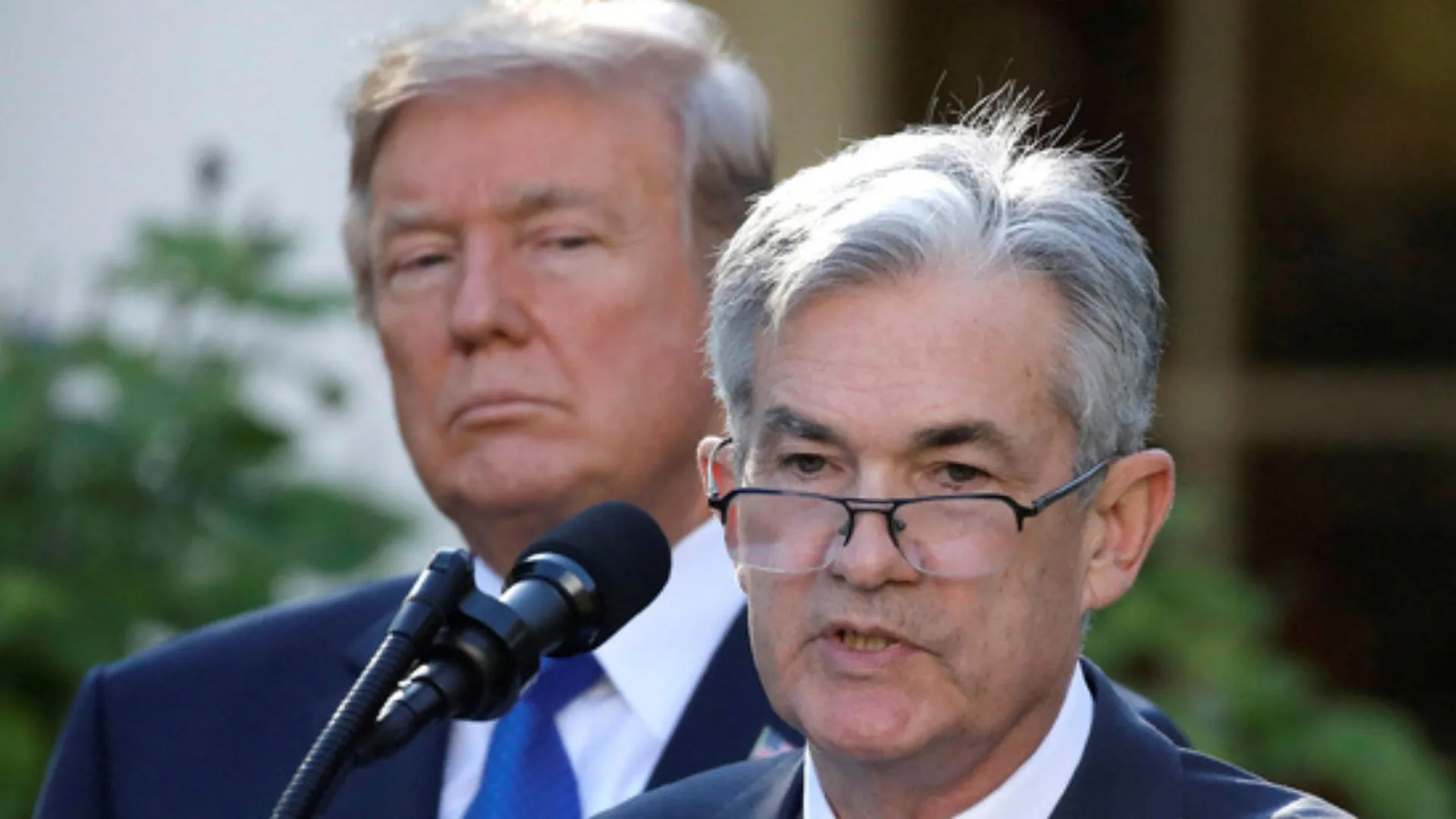
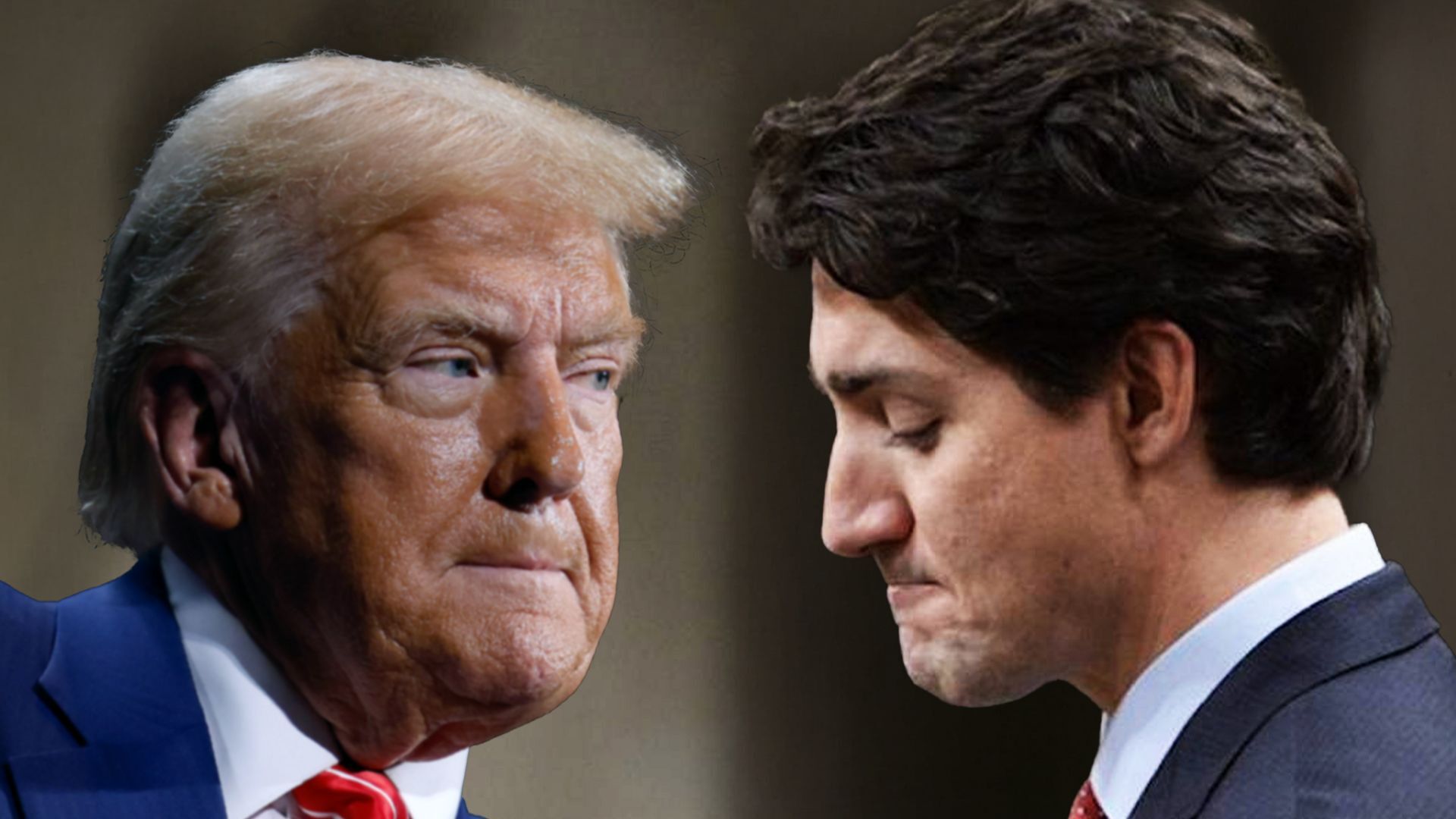
At the heart of the storm is a segment featured in the BBC’s long-running and highly respected investigative documentary series, Panorama. The program included excerpts from a speech made by then-President Trump on January 6, 2021, just hours before a mob of his supporters stormed the U.S. Capitol in Washington D.C. Critics, spanning political commentators, media watchdogs, and members of the public, accused the BBC of presenting a skewed narrative by omitting a crucial section of Trump’s address. Specifically, the edited version failed to include a moment where Mr. Trump explicitly urged his supporters to demonstrate "peacefully." This omission, many argued, fundamentally altered the perception of Trump’s message, portraying him as solely inciting violence without acknowledging his call for peaceful protest, thereby raising serious questions about the BBC’s editorial judgment and commitment to balanced reporting.
The resignations represent a significant upheaval at the top echelons of an organization that prides itself on being a beacon of trusted news globally. Tim Davie, who had served as Director-General for five years, articulated his decision in a letter addressed to staff. He stated that his departure was "entirely my decision," a phrasing often used in such high-pressure corporate exits to signal a degree of agency amidst intense scrutiny. While acknowledging that "overall, the BBC is delivering well," Davie admitted that "there have been some mistakes made and as director-general I have to take ultimate responsibility." This statement underscored the principle of accountability that public broadcasters are expected to uphold, especially when facing allegations that threaten their core values. He further indicated that he was working with the BBC Board to ensure an "orderly transition to a successor over the coming months," suggesting a managed handover rather than an immediate void.
Deborah Turness, in her capacity as CEO of BBC News and Current Affairs, also tendered her resignation, echoing Davie’s sentiment of accountability. Her statement highlighted the severe impact the ongoing controversy was having on the institution she served: "The controversy about the Trump documentary has reached a stage where it is causing damage to the BBC — an institution that I love. As the CEO of BBC News and Current Affairs, the buck stops with me." Turness, however, staunchly defended the integrity of BBC News against broader accusations of systemic bias. "While mistakes have been made, I want to be absolutely clear recent allegations that BBC News is institutionally biased are wrong," she asserted. This distinction between acknowledged "mistakes" in a specific instance and a rejection of "institutional bias" suggests an internal struggle within the BBC to differentiate between isolated editorial missteps and a more profound, systemic problem that critics have long alleged.
The pressure on the BBC’s leadership had been steadily mounting even before these resignations. It intensified dramatically with the publication by Britain’s Daily Telegraph newspaper of excerpts from a confidential dossier. This critical document had been compiled by Michael Prescott, an advisor specifically hired by the BBC to provide guidance on standards and guidelines. The dossier, far from focusing solely on the Trump speech edit, painted a broader picture of alleged editorial failings across several key areas, amplifying the gravity of the situation.
Beyond the Trump controversy, Prescott’s dossier reportedly criticized the BBC’s coverage of highly sensitive transgender issues. These critiques often revolve around accusations that the BBC has struggled to maintain a neutral stance, with some segments of the audience and external observers perceiving a lean towards specific viewpoints within the complex and often polarizing debate surrounding gender identity. Such allegations are particularly damaging for an organization mandated to be impartial on all matters of public interest.
Furthermore, the dossier raised serious concerns about alleged anti-Israel bias within the BBC’s Arabic service. This specific accusation has been a recurring point of contention for years, with various groups and individuals claiming that the service’s reporting on the Israeli-Palestinian conflict often disproportionately favors the Palestinian narrative or uses language that is perceived as hostile towards Israel. The inclusion of these allegations in an internal standards review document underscored the depth of the challenges faced by the BBC in maintaining perceived impartiality across its diverse global output. The public disclosure of such an internal document by a major national newspaper turned what might have been an internal review into a significant public scandal, placing immense pressure on the BBC’s senior leadership to act decisively.
The political reverberations of these resignations were immediate. Lisa Nandy, the United Kingdom’s Culture Secretary, issued a statement acknowledging the gravity of the situation. She thanked Davie "for his service to public broadcasting over the years," recognizing his tenure through a period of considerable change and challenges. Nandy’s statement also emphasized the crucial role of the BBC: "Now more than ever, the need for trusted news and high quality programming is essential to our democratic and cultural life, and our place in the world." Her remarks highlight the unique and indispensable position the BBC holds within British society and its global influence, underscoring why any perceived failing in its impartiality draws such intense public and political scrutiny.
The BBC occupies a singular place in the media landscape, not just in the UK but globally. Unlike commercial broadcasters, it is funded primarily through an annual license fee, currently standing at 174.50 pounds (approximately $230), which is mandatory for all households owning a television set in Britain. This funding model bestows upon it the unique status of a national institution, but it also subjects it to a level of scrutiny far greater than that faced by its commercial rivals. Its Royal Charter, a constitutional document, legally binds the BBC to uphold strict standards of impartiality, accuracy, and independence in all its output. Consequently, critics, from across the political spectrum and various interest groups, are quick and often vocal in pointing out any instance where they believe the BBC has fallen short of these stringent requirements.
The resignations of Tim Davie and Deborah Turness, therefore, are more than just a leadership change; they signify a profound moment of reckoning for the BBC. They underscore the immense pressure faced by public broadcasters in an increasingly polarized media environment, where allegations of bias, even if vehemently denied, can quickly erode public trust and necessitate decisive action from the highest levels. As the BBC now embarks on the search for new leadership, the challenge will be not only to navigate the immediate aftermath of this controversy but also to reaffirm its foundational commitment to impartiality and regain the full confidence of its diverse audience both in the UK and around the world. The events serve as a stark reminder of the delicate balance required to maintain a trusted public service broadcaster in the 21st century.