U.S. travelers face thousands of flight delays, hundreds of cancellations, over busy Thanksgiving weekend
The United States aviation system, a critical artery for holiday travel, was plunged into chaos over the bustling Thanksgiving weekend, leaving thousands of travelers stranded, frustrated, and facing significantly altered plans. A potent combination of a severe winter storm sweeping across the Midwest and Great Lakes regions, coupled with a mandatory software update for thousands of popular Airbus A320 series aircraft, created a perfect storm of disruptions that saw inbound and outbound flight delays soar to 1,815 and cancellations reach 490 by Sunday morning alone. This widespread operational breakdown underscored the fragility of modern air travel in the face of both natural phenomena and unforeseen technical requirements, casting a long shadow over what should have been a joyful conclusion to the holiday period.
The initial wave of disruption emanated from the skies and ground as a powerful winter storm gathered strength and barreled across the heartland of the nation in the days following Thanksgiving. National Weather Service offices issued a flurry of winter storm warnings and advisories stretching from Montana all the way to Ohio, painting a grim picture for post-holiday travelers. Forecasters warned of treacherous conditions, anticipating not only significant airport delays but also slow-moving traffic on highways, especially in areas where snowfall rates were projected to exceed one inch per hour. These warnings proved prescient, as the storm delivered a heavy blow to critical transportation hubs.
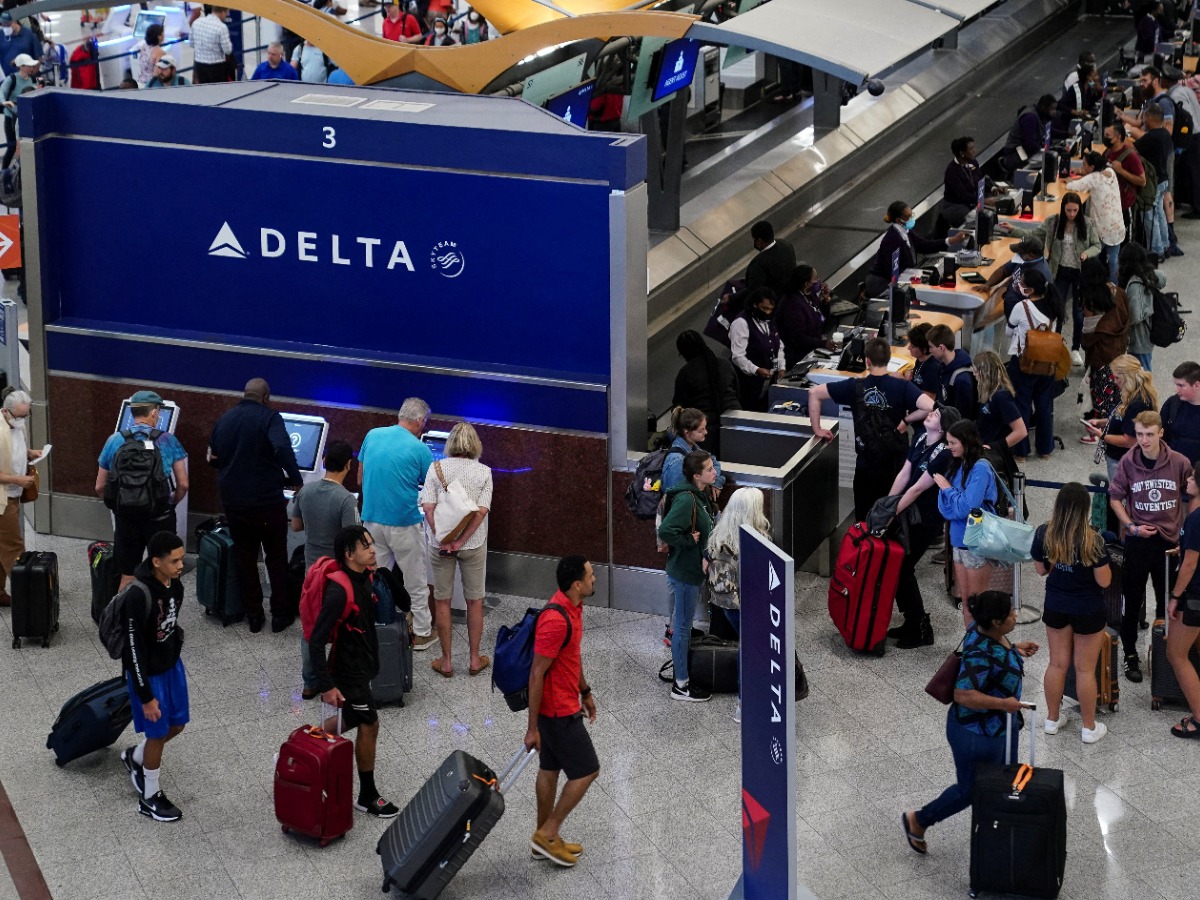
Northern Iowa was among the first regions to feel the storm’s wrath, with initial reports indicating upwards of 8 inches of snow blanketing the area. However, the true epicenter of the weather-related aviation crisis quickly shifted to Chicago, a pivotal nexus in the U.S. air travel network. By Saturday night, the city’s major airports, O’Hare and Midway, were grappling with more than 1,400 flight cancellations as the winter storm intensified, threatening to dump as much as 10 inches of snow on the metropolitan area. The sheer volume of cancellations in Chicago alone had a cascading effect across the entire national system, impacting connecting flights and aircraft repositioning for days to come.
As the storm progressed eastward, similar scenes of disruption unfolded in other major travel corridors. Parts of Illinois, Indiana, Michigan, and Wisconsin were bracing for comparable accumulations, further exacerbating the challenges. Detroit Metro Airport, another vital Great Lakes hub, reported over 300 flight delays and dozens of cancellations by Saturday night as the storm enveloped the region. Travelers at airports in New York City, Boston, Des Moines, and Minneapolis also experienced significant setbacks, illustrating the broad geographical impact of the adverse weather. The ground operations at these airports were severely hampered by the need for continuous de-icing, reduced visibility, and challenges in managing ground crews and baggage handling in blizzard-like conditions. Airlines, already operating on tight schedules during peak travel periods, found their logistical chains strained to the breaking point, leading to a domino effect of delays and further cancellations as crews timed out and aircraft were stuck in the wrong locations.
Compounding the weather-induced chaos, a less visible but equally disruptive factor emerged: a mandatory software update for thousands of Airbus A320, A321, and potentially A319 airliners worldwide. The Federal Aviation Administration (FAA) had flagged these popular narrow-body aircraft as requiring immediate software patches, a directive that sent airlines scrambling to ground planes and implement the updates. This technical glitch highlighted the intricate complexities of modern aviation and the FAA’s unwavering commitment to safety. Even high-profile individuals were not immune; remarkably, the very aircraft carrying Pope Leo XIV on his travels around the Middle East was among those identified for the necessary software upgrade, underscoring the global reach and urgency of the directive.
Among the airlines most significantly impacted by the Airbus mandate was JetBlue. The carrier was forced to cancel approximately 70 flights on Sunday, representing about 7% of its entire schedule, as it worked diligently to perform the required software installations on a substantial portion of its Airbus A320 and A321 fleet. By Sunday morning, JetBlue reported that updates had been completed for nearly 120 aircraft, but roughly 30 more still awaited the critical patch. In a statement, the airline acknowledged the profound impact on its customers, especially during such a critical holiday travel period, and assured the public it was doing everything possible to minimize disruptions. JetBlue sources, speaking to CBS News senior transportation correspondent Kris Van Cleave, indicated that the airline was "working as quickly as possible" to complete the updates, though additional cancellations remained a distinct possibility extending into Monday. The challenge lay not just in the technical application of the update, but in coordinating maintenance schedules, crew availability, and gate access across a vast network.
Other carriers operating Airbus A320 family aircraft, including Frontier Airlines and Spirit Airlines, also confirmed that some of their planes required the FAA-mandated updates. However, these airlines appeared to manage the situation with less public-facing disruption. Frontier Airlines stated that it had successfully completed all necessary updates as of Sunday morning, with "no impact to customers." Similarly, Spirit Airlines had anticipated completing the updates on its affected aircraft by Saturday, expressing confidence in its ability to "minimize any impact to our operation and Guests’ travel plans." The difference in impact among airlines likely stemmed from varying fleet sizes, maintenance scheduling capabilities, and the proactive measures taken in anticipation of such directives. The incident served as a stark reminder of the continuous need for vigilance and adaptation in an industry heavily reliant on complex technology.
Beyond the major air travel disruptions, the holiday weekend also saw isolated incidents on other transportation modes. In Providence, Rhode Island, a fire broke out beneath three Amtrak train cars carrying passengers. The Providence Fire Department swiftly responded, extinguishing the blaze and safely relocating the train cars. Thankfully, no injuries were reported in the incident. While Amtrak was contacted for information regarding wider delays stemming from the fire, an immediate response was not received. This event, though contained, added to the general sense of travel uncertainty and the challenges faced by various public transportation systems during high-demand periods.
The confluence of severe winter weather and a critical technical mandate created an unprecedented level of strain on the U.S. air travel infrastructure during one of the busiest periods of the year. For countless American families, the promise of a smooth return home after Thanksgiving festivities was replaced by hours of uncertainty, uncomfortable airport waits, and the disheartening news of canceled flights. The ripple effects extended far beyond the immediate delays, impacting connecting flights, baggage handling, and even the mental well-being of stressed travelers. Airlines, while working diligently to mitigate the issues, faced immense pressure to re-accommodate passengers and restore operational normalcy.
As the travel weekend drew to a close, the focus shifted to recovery and the lessons learned. The dual nature of the disruptions—both natural and technical—highlighted the multifaceted vulnerabilities of modern air travel. It underscored the critical importance of robust infrastructure, agile airline operations, and clear communication channels to manage such complex challenges. While the immediate chaos began to subside, the memory of thousands of holiday plans derailed served as a stark reminder of the delicate balance required to keep the nation’s skies open and its travelers moving, even in the face of the most challenging circumstances. Emily Mae Czachor reported on this developing story, with contributions from Kris Van Cleave, providing essential insights into the widespread disruptions faced by millions.