Trump Wants to Trade Fuel Economy for Cheaper Cars. But It Might Not Work
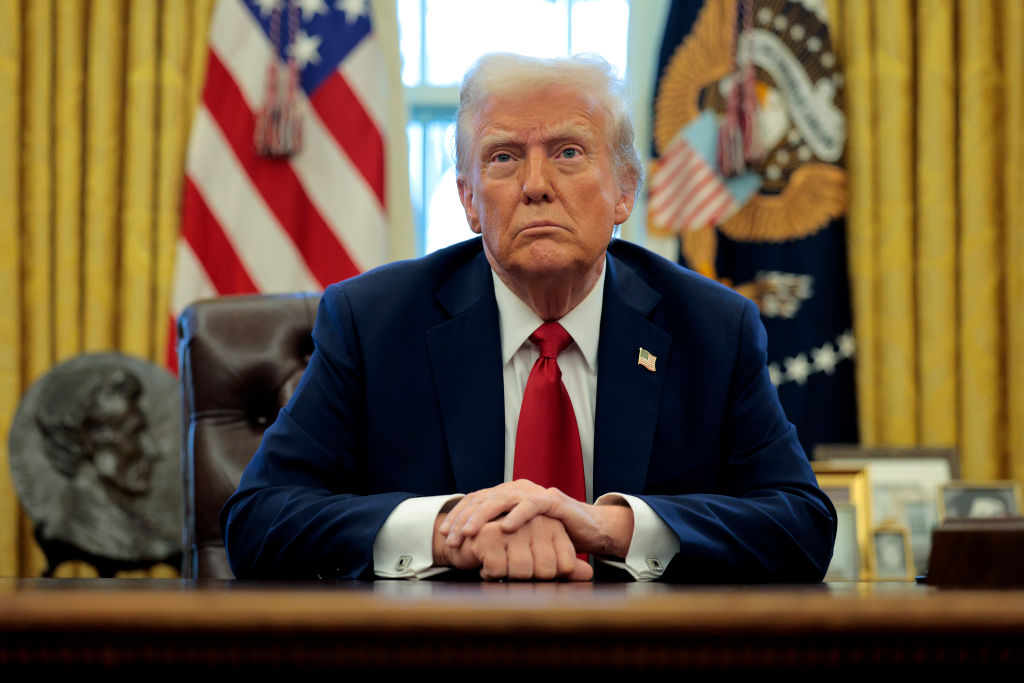
The Trump administration has once again signaled its intent to significantly alter the trajectory of the American automotive industry, proposing a dramatic rollback of vehicle fuel economy standards. Unveiled officially from the Oval Office, this initiative is framed as a direct effort to alleviate the escalating financial burden on American consumers by making new cars more affordable. However, a closer examination reveals a complex web of economic, environmental, and industrial factors that suggest this proposal might not deliver its promised benefits and could, in fact, impose greater costs on Americans in the long run.
The core of the Department of Transportation’s proposal mandates that automakers achieve a fleet-wide average of 34.5 miles per gallon (MPG) by the model year 2031. This represents a substantial departure from the standards set by the previous Biden administration, which aimed for a more aggressive 50.4 MPG benchmark by the same year, following an earlier target of 49 MPG by 2026. Proponents of the rollback estimate that this change could translate into savings of approximately $1,000 per car for US buyers, accumulating to a staggering $109 billion over the next five years across the fleet. Given that the average price of a new vehicle has soared to over $49,000, according to Edmunds, the allure of such immediate savings is undoubtedly strong for many households. The public comment period for this proposal is set to close in mid-January, with a final decision potentially emerging sometime next year.
However, the promised immediate price reductions are likely to be elusive for consumers. The automotive industry operates on lengthy product planning schedules, often stretching five to seven years from initial concept to showroom floor. Vehicles currently in development or already slated for production for the coming model years have largely been designed and engineered with the stricter, existing fuel economy targets in mind. Automakers have invested billions in research and development, retooling factories, and securing supply chains to meet these higher efficiency demands, particularly for electric vehicle (EV) components and advanced internal combustion engine (ICE) technologies. Reversing course now would not instantly reduce the cost of these vehicles; rather, any potential savings from less stringent requirements would only materialize over several years, as new product lines are conceived and manufactured under the relaxed rules.
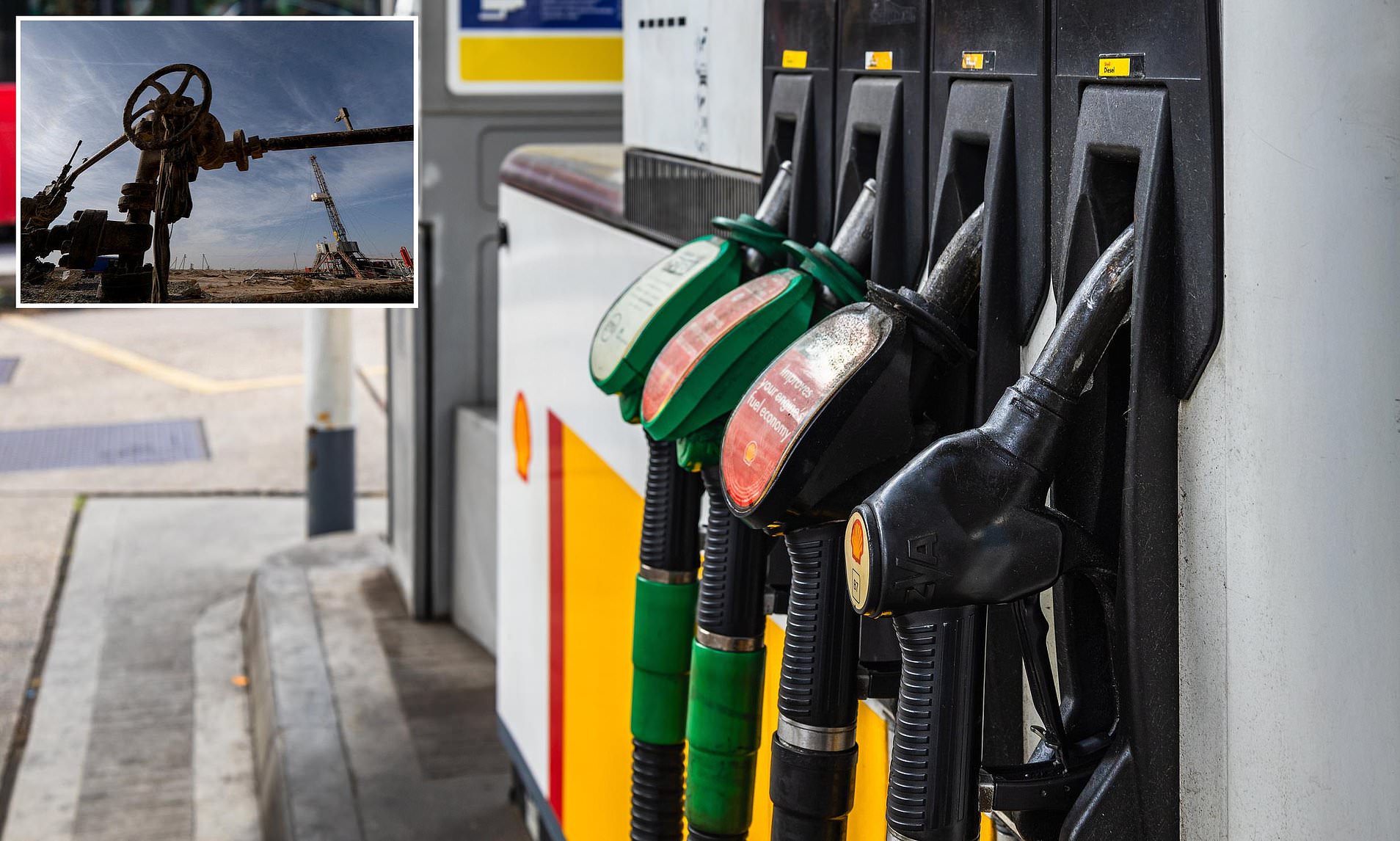
Furthermore, critics argue that any short-term savings on the sticker price would be quickly overshadowed by increased long-term costs at the fuel pump. Less fuel-efficient vehicles, by their very nature, consume more gasoline over their lifespan. This translates directly into higher operating costs for consumers, particularly in a market prone to volatile fuel prices. While a $1,000 saving on a new car might seem significant upfront, the cumulative cost of extra fuel purchases over a decade or more of vehicle ownership could easily negate and even surpass that initial discount, forcing Americans to pay more at a place they visit far more frequently than a car dealership: the gas station. This hidden cost factor is a central point of contention for environmental groups and consumer advocates alike.
This proposed rollback is not merely an isolated policy adjustment; it signifies a broader federal shift in both automotive regulation and the government’s stance on climate change. The Biden administration had adopted a comprehensive "carrot-and-stick" approach to tackle vehicle emissions, which are a significant contributor to greenhouse gases. According to the US Environmental Protection Agency, light-duty cars and trucks alone account for roughly 15 percent of US greenhouse gas emissions. Biden-era policies sought to accelerate electric vehicle adoption through a combination of generous tax subsidies for consumers purchasing EVs and incentives for manufacturers investing in fuel-efficient technologies and battery production. Concurrently, penalties were imposed on automakers that failed to meet the increasingly stringent environmental standards, with the underlying logic that the industry could achieve these ambitious goals by rapidly scaling up EV sales.
However, the transition to EVs has proven to be more complex and slower than initially anticipated. While EV sales have grown steadily, they have not reached the projected exponential rates, encountering hurdles such as higher upfront costs, concerns about charging infrastructure availability, range anxiety, and a polarized political environment surrounding the technology. Automakers, while publicly committing to electrification, have voiced growing concerns about the feasibility of meeting the aggressive fuel economy targets given the current market dynamics. John Bozzella, president and CEO of the Alliance for Automotive Innovation, a leading auto trade organization, articulated this sentiment, stating that the previous administration’s rules were "extremely challenging for automakers to achieve given the current marketplace for EVs." This industry pressure has undoubtedly played a role in the Trump administration’s decision to propose a relaxation of the standards.
Yet, analysts and environmental advocates remain skeptical that the new proposal will offer a quick or effective solution for consumers seeking price relief. Jessica Caldwell, head of insights at Edmunds, highlights the "stop-and-start" nature of the regulatory landscape as a major impediment. The previous Trump administration also rolled back fuel economy standards, only for them to be tightened again under Biden. This constant policy oscillation creates immense uncertainty for automakers, who require long-term stability to make massive investment decisions in product development and manufacturing. Such regulatory unpredictability adds complexity and cost, rather than reducing it. Moreover, the administration’s continued wavering on auto tariffs further complicates the financial landscape for automakers, forcing them to consider not only where vehicles are manufactured but also the origin of parts and raw materials, all of which inflate production costs.
Beyond fuel economy, automakers face a multitude of other cost pressures. The relentless march of technological progress demands significant investment in developing new features, particularly in automated driving systems and advanced safety technologies. Companies are simultaneously tasked with maintaining profitability from their traditional gas-powered vehicle lines while pouring billions into the development of future EV platforms, battery technology, and charging solutions. This delicate balancing act is made even more challenging by diverging global market trends, where many countries are rapidly accelerating their transition to EVs, potentially leaving the US market behind if it de-emphasizes efficiency. Caldwell notes that while easing fuel economy requirements might "help at the margins," it is "unlikely to dramatically alter the broader commitments [automakers] have already made" towards electrification and advanced technologies due to global competition and long-term strategic planning.
Should the proposal be finalized, one clear beneficiary would be the fossil fuel industry. Albert Gore, executive director of the Zero Emission Transportation Association, an organization representing companies across the electric vehicle supply chain, starkly summarizes the potential outcome: "Weakening fuel economy standards won’t do much to make cars more affordable but is certain to make Americans buy a lot more gasoline." Increased consumption of gasoline would translate into higher demand for oil, benefiting oil and gas companies directly. Conversely, it would likely dampen the growth of the nascent electric vehicle industry in the US, potentially slowing down investments in charging infrastructure, battery production, and EV manufacturing jobs.
The broader implications extend to national energy policy and global competitiveness. A rollback could impede the US’s progress towards energy independence by maintaining a higher reliance on imported oil. It also risks making the American automotive market an outlier in a world increasingly moving towards cleaner, more efficient vehicles. If US manufacturers are allowed to produce less efficient cars for their domestic market, they might struggle to compete globally against companies that have honed their expertise in advanced, fuel-efficient, and electric powertrains to meet stricter international standards. This could ultimately undermine the long-term competitiveness and innovation of the American auto industry.
In conclusion, the Trump administration’s proposal to roll back fuel economy standards, while framed as a measure to make cars cheaper, presents a complex trade-off. It offers the theoretical promise of modest upfront savings on new vehicle purchases, but these benefits are uncertain to materialize quickly and are likely to be offset by higher fuel costs for consumers over the lifetime of their vehicles. This policy shift also carries significant environmental consequences, potentially increasing greenhouse gas emissions and hindering climate goals. For the automotive industry, it introduces further regulatory instability, complicating long-term planning and potentially slowing down crucial technological advancements necessary for global competitiveness. While the proposal aims to provide immediate relief, many experts contend that it might ultimately burden American consumers with higher costs at the pump and leave the nation lagging in the global race for sustainable transportation. The public now has an opportunity to weigh in, before a final decision shapes the future of American driving for years to come.