Government shutdown live updates as House passes funding bill in 222-209 vote.
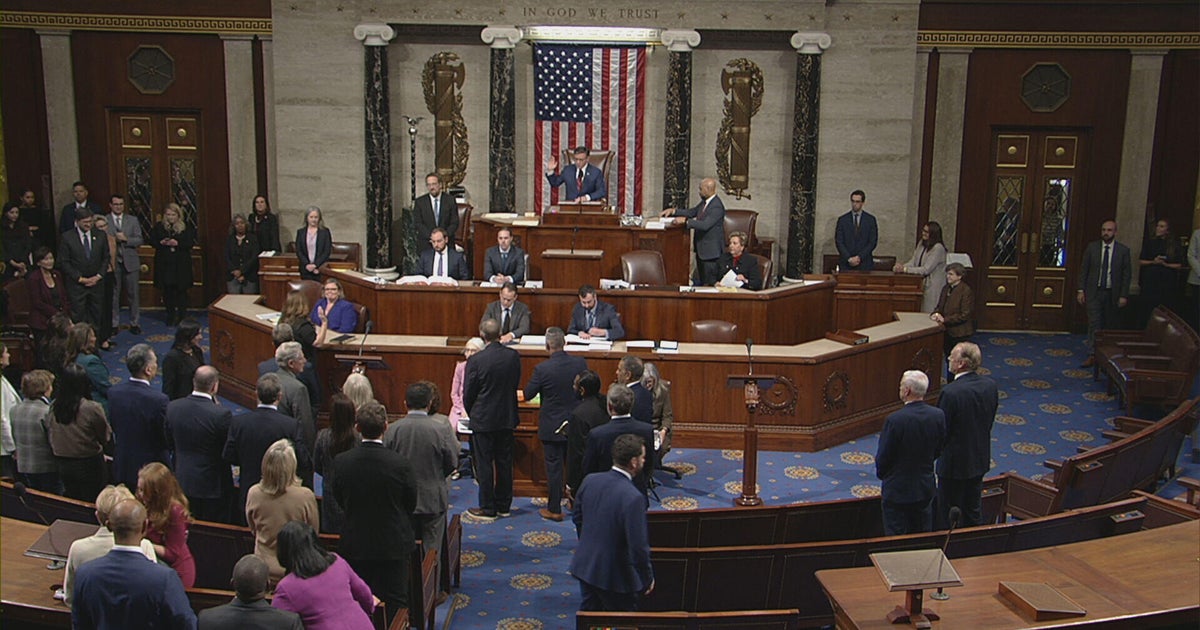
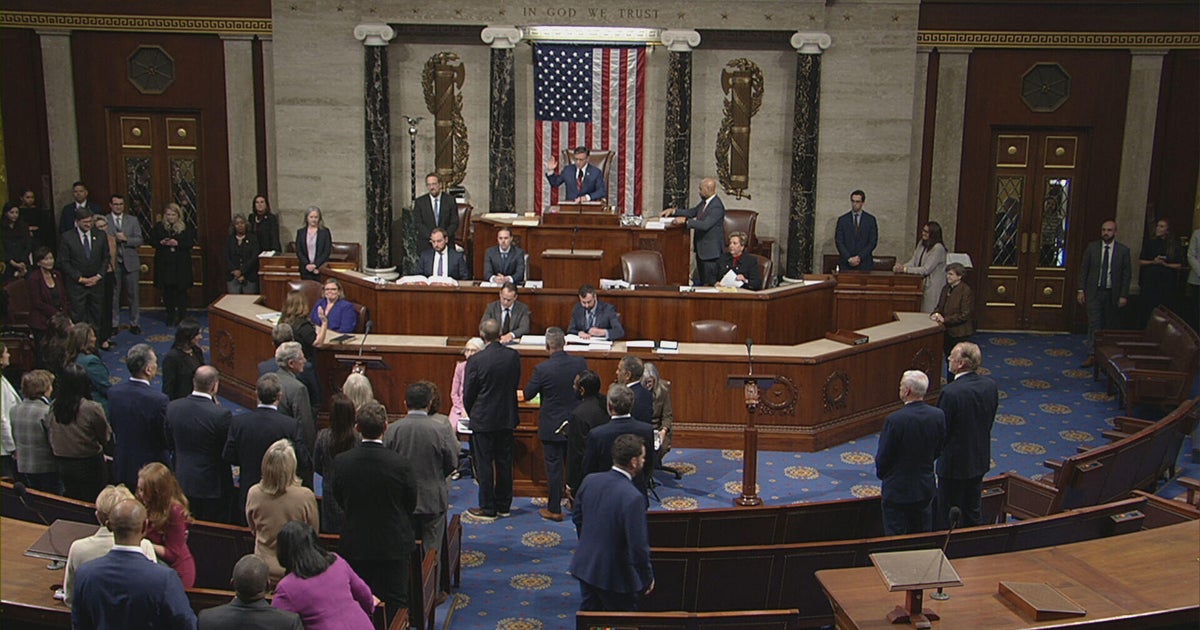
The U.S. House of Representatives late Wednesday passed a crucial funding package, voting 222 to 209, to finally end a protracted 43-day government shutdown, marking the longest such impasse in modern history. The bill, which had previously cleared the Senate, now heads to President Trump’s desk, who is expected to sign it around 9:45 p.m. in the Oval Office, bringing an end to the fiscal gridlock that has paralyzed federal operations and cast a shadow over the nation’s economy.
The vote demonstrated a rare moment of bipartisan deviation, with six Democrats crossing the aisle to support the funding bill alongside a majority of Republicans. These Democratic Representatives included Jared Golden, Adam Gray, Marie Gluesenkamp Perez, Don Davis, Henry Cuellar, and Tom Suozzi. Notably, all six represent swing districts, and Golden, who is not seeking re-election, had previously been the sole Democrat to back a GOP-led funding package in September. Conversely, two Republicans, Reps. Thomas Massie and Greg Steube, voted against its passage.
The legislative package includes three full-year appropriations bills, providing essential funding for several government agencies. However, it only extends the remainder of government funding until January 30, thereby setting the stage for yet another contentious budget battle early next year, indicating that the underlying fiscal disagreements between the parties remain unresolved.
Before the final vote, the House floor was a stage for intense political rhetoric, with both parties continuing their blame game over the shutdown’s duration and impact. House Speaker Mike Johnson excoriated Democrats, labeling the entire exercise "pointless," "wrong," and "cruel." He asserted that Democrats knowingly inflicted pain on Americans by refusing to compromise, stating, "They knew that would cause pain, and they did it anyway." Johnson also extended an apology to Americans affected by flight cancellations, delays, and federal employees and troops who faced uncertainty regarding their paychecks, squarely placing the blame on Democrats. He expressed optimism about the vote tally, predicting the "long national nightmare will be over tonight."
On the other side, House Minority Leader Hakeem Jeffries delivered a fiery speech, declaring, "This fight is not over. We’re just getting started." He vowed that Democrats would continue their fight for affordable health care and to reduce the cost of living. Jeffries accused Republicans of a "consistent unwillingness" to find common ground during the shutdown and reiterated his assertion that Mr. Trump is the "real speaker" due to his influence over the House Republican conference and Speaker Johnson. He also warned Republicans that if they did not extend the Affordable Care Act (ACA) tax credits, American voters would "throw Republicans out of their jobs next year."
Indeed, the expiring Affordable Care Act tax credits were a central point of contention for Democrats throughout the shutdown. Jeffries later filed a discharge petition aimed at forcing a floor vote to extend these credits for three years. Such a petition requires 218 signatures to bypass House GOP leadership, meaning if all Democrats sign, at least four Republicans would need to join. Jeffries emphasized that this three-year extension would provide "a level of certainty" for working-class Americans, aligning with previous extensions passed in 2021 and 2022. He criticized Senate Republicans for rejecting a "very reasonable" one-year extension proposal, accusing them of having "zero interest in fixing the health care crisis that they created."
Beyond the immediate fiscal relief, the funding bill and the day’s proceedings were laden with other significant political developments. House Speaker Johnson unexpectedly announced that the House would vote next week on whether to compel the release of documents related to Jeffrey Epstein. This decision expedites a timeline that was initially expected to stretch into early December, prompted by newly sworn-in Democratic Rep. Adelita Grijalva’s signature on a discharge petition to force such a vote. Grijalva signed the petition on the House floor immediately after being sworn in, where she also criticized Johnson for delaying her swearing-in for seven weeks, calling it "an abuse of power." However, President Trump, in a post on Truth Social, dismissed the Epstein issue as a "hoax" and a Democratic attempt to "deflect on how badly they’ve done on the Shutdown," urging Republicans to focus solely on reopening the government.
Another controversial provision tucked into the Senate-passed funding package drew bipartisan criticism: a measure allowing senators to sue for up to $500,000 if their data is seized or subpoenaed by federal law enforcement without prior notification. This provision was widely seen as a response to senators’ phone records being collected by FBI investigators during special counsel Jack Smith’s investigation into President Trump and the 2020 election. While several House Republicans, including Rep. Chip Roy of Texas, denounced the provision as damaging to public trust, they acknowledged that amending the bill to remove it would prolong the shutdown by sending it back to the Senate. Speaker Johnson, however, pledged that House Republicans would introduce standalone legislation next week to repeal this controversial clause, fast-tracking it for a vote.
An unexpected consequence of the deal to end the shutdown is a provision that would effectively ban most THC hemp products nationwide. The bill limits THC content to 0.4 milligrams per container, a fraction of the amount found in many popular products like THC-infused drinks. The Hemp Industry & Farmers of America warned that this provision could lead to the "devastation of an entire industry," impacting products such as Delta-8 and THCA flower. While the ban would not be implemented for a year, businesses, particularly craft breweries in states like Minnesota that have diversified into THC beverages, expressed serious concerns about the future of their operations.
Economically, the White House, through press secretary Karoline Leavitt, blamed Democrats for the shutdown, stating it had cost the economy "billions and billions of dollars in economic activity," hurt consumer sentiment, and crushed the travel and hospitality industries. Leavitt cited a Congressional Budget Office (CBO) estimate suggesting the shutdown could decrease fourth-quarter economic growth by two percentage points. She also warned that crucial October inflation (Consumer Price Index) and jobs data might "likely never" be released due to staffing shortages caused by the shutdown, potentially leaving the Federal Reserve "flying blind at a critical period" for monetary policy decisions.
The House’s return to session on Wednesday marked its first full gathering since September 19, nearly two months after its last vote, making it the chamber’s longest absence in recent memory. Speaker Johnson had previously cancelled weeks of votes and committee hearings, arguing the House had fulfilled its duty after passing its initial Republican funding measure. Upon reconvening, the first order of business was the swearing-in of Rep.-elect Adelita Grijalva, who finally took her oath seven weeks after winning a special election in Arizona. Her delayed swearing-in had been a point of contention, with Johnson’s justifications for the delay shifting over time.
Despite the bipartisan nature of the final vote, the political maneuvering highlighted deep divisions. The conservative House Freedom Caucus, in an internal messaging document, hailed the Senate-passed funding package as "a complete and total win." They celebrated successfully blocking a "massive omnibus spending bill," locking in "disciplined, flat spending levels," and preserving President Trump’s policy priorities and ability to cancel projects, signaling their satisfaction with the outcome and their leverage for future budget negotiations.
As the government prepares to reopen, the underlying political battles over spending, healthcare, and the balance of power in Washington are far from over, merely postponed until the next funding deadline in January.