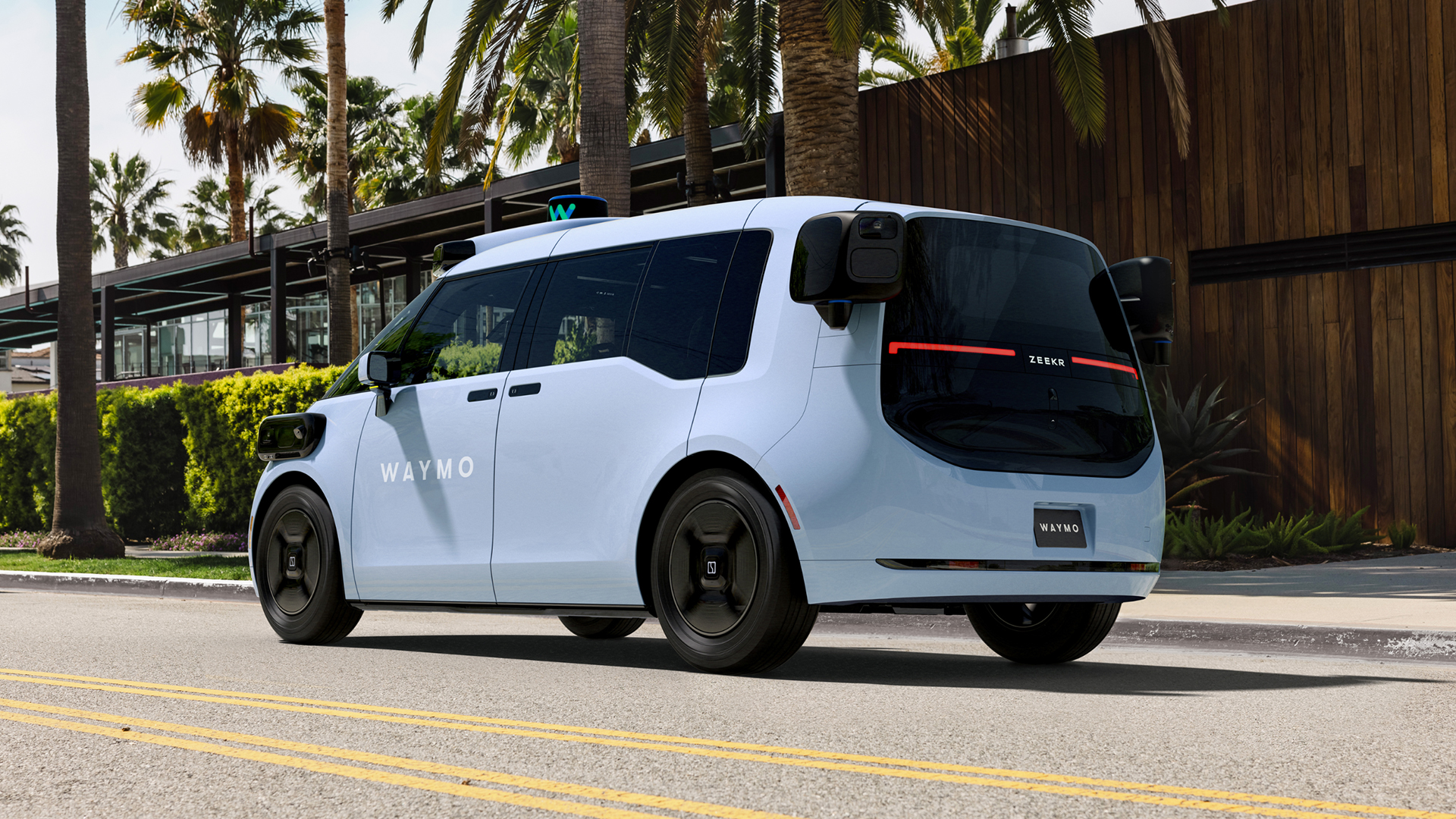
Waymo’s Robotaxis Can Now Use the Highway, Speeding Up Longer Trips
Waymo, the pioneering autonomous vehicle subsidiary of Alphabet, has announced a significant expansion of its robotaxi service, enabling its self-driving cars to operate on freeways across the San Francisco Bay Area, Los Angeles, and Phoenix. This strategic move marks a pivotal moment, returning the company’s focus to the high-speed corridors where its journey began over 15 years ago, and promises to dramatically enhance the efficiency and reach of autonomous transportation for longer journeys.
The genesis of Google’s self-driving car project, the precursor to Waymo, dates back to 2009. From its inception, engineers deliberately chose highways, specifically Interstate 280 running through the heart of Silicon Valley, as their initial testing grounds. These early sensor-laden vehicles were tasked with navigating the predictable yet challenging environment of freeway driving, laying the foundational data and algorithms for what would become a revolution in mobility. After years of intensive development, refinement, and a strategic pivot to mastering complex urban environments first, Waymo’s vehicles are now returning to the freeway, this time operating entirely autonomously, without human safety drivers. This progression highlights a full-circle evolution, demonstrating the maturity and robustness of the Waymo Driver system.
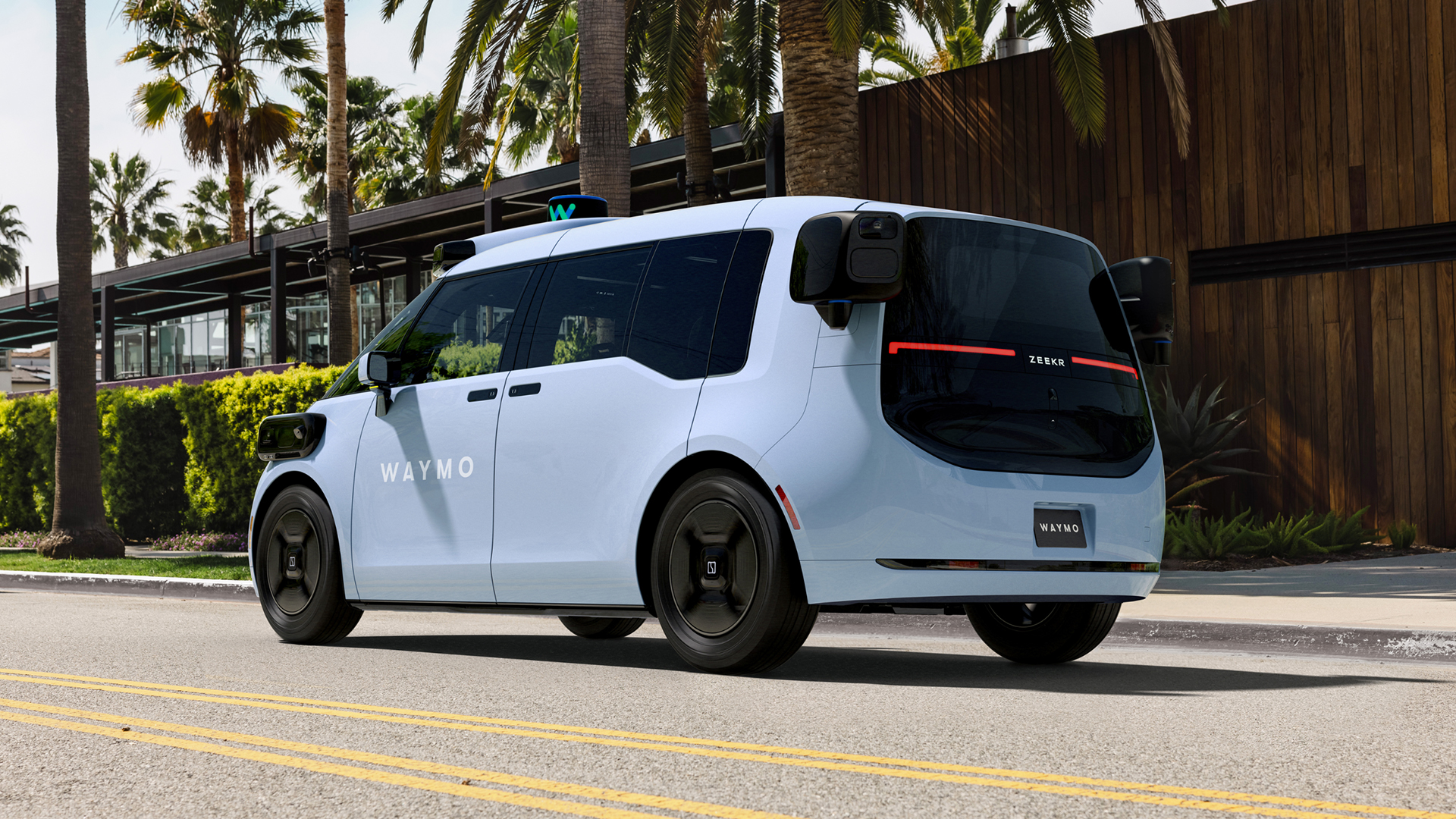
This latest announcement represents not merely an incremental improvement but a substantial technical leap for Waymo. While the company’s robotaxis have successfully navigated the intricate and often chaotic streets of five major US metropolitan areas—Atlanta, Austin, Los Angeles, Phoenix, and the San Francisco Bay Area—the transition to freeway operations introduces a new dimension of complexity and capability. Highways, despite their seemingly simpler structure of clear lanes and fewer unpredictable elements like pedestrians or cyclists, demand an entirely different set of skills from an autonomous system. High speeds mean shorter reaction times, longer braking distances, and significantly higher stakes in the event of an error. Waymo’s ability to confidently deploy its robotaxis in these environments underscores years of advancements in sensor fusion, prediction algorithms, and decision-making capabilities.
The immediate benefits for users are profound. The integration of freeway travel into Waymo’s service areas will dramatically reduce travel times for longer trips, making inter-city journeys within a metropolitan region significantly faster and more convenient. For instance, the company has announced curbside pickup and drop-off service at San Jose Mineta International Airport, theoretically allowing passengers to travel autonomously across a vast 260-square-mile service area from San Francisco to San Jose. Waymo user experience researcher Naomi Guthrie notes that this new freeway service could halve the time it takes for a robotaxi to travel from San Francisco to Mountain View, a route frequently traversed by tech professionals. This efficiency gain transforms robotaxis from a last-mile solution into a comprehensive mobility option for broader regional travel, enhancing accessibility and connectivity across sprawling urban landscapes. Looking ahead, Waymo is not slowing down; the company plans to launch in several other US and international cities next year, including Dallas, Miami, Nashville, Las Vegas, Detroit, and notably, London, signaling an ambitious global expansion strategy.
Waymo co-CEO Dmitri Dolgov aptly summarized the challenge of freeway driving, stating, "Freeway driving is one of those things that’s very easy to learn, but very hard to master." This paradox lies at the heart of autonomous vehicle development. While highways offer a more structured environment with mostly clear signs, well-defined lane lines, and a limited set of vehicle types (trucks, cars, motorcycles, trailers) for the software to recognize and predict, the speeds involved elevate the risk profile considerably. Safety emergencies, though relatively rare on highways compared to complex urban settings, are far more severe when they occur due to the laws of physics at high velocities. This reality meant that Waymo’s team faced a unique challenge: a year of extensive highway testing with employees and guests provided valuable data, but the infrequency of critical incidents meant insufficient real-world data was collected for every possible high-stakes scenario.
To bridge this crucial data gap and ensure unparalleled safety, Waymo engineers employed a sophisticated, multi-faceted approach. Beyond real-world driving data, they extensively supplemented their training with data collected on private, closed courses, meticulously designed to simulate specific highway challenges and edge cases. Crucially, vast amounts of data were generated through advanced simulations, allowing the Waymo Driver to experience and learn from millions of virtual miles, including rare and dangerous scenarios that would be impractical or unsafe to replicate in the physical world. This combination of real-world, closed-course, and simulated data creates an incredibly robust and comprehensive training regimen. Furthermore, the vehicles are equipped with two onboard computers, creating critical system redundancies. This means that if one computer system encounters an issue, a backup is immediately available, ensuring continuous safe operation. The vehicles have also been specifically trained to execute emergency maneuvers, such as safely exiting highways or pulling over to the shoulder, should the situation demand it.
Beyond the technological safeguards, Waymo executives emphasize the critical importance of human collaboration. They have committed to working closely with law enforcement and first responders, including highway patrols, to develop comprehensive procedures for vehicles and riders stranded on highway shoulders. This proactive engagement is vital, acknowledging the grim statistics: hundreds of Americans are tragically killed every year in incidents on highway shoulders. By establishing clear communication protocols and response strategies with emergency services, Waymo aims to ensure that any unforeseen roadside events are managed safely and efficiently, further enhancing the overall safety ecosystem of their autonomous service. This collaborative approach underscores Waymo’s holistic commitment to safety, extending beyond the vehicle’s internal systems to encompass the broader public safety infrastructure.
At launch, Waymo’s freeway operations will be limited to specific, pre-mapped portions of certain highways. In Phoenix, this includes US Route 60, Interstates 10 and 17, and Loop 202. For the San Francisco Bay Area, the service will cover US Route 101, Interstates 80, 280, and 380, and State Routes 85, 92, and 237. In Los Angeles County, the initial freeways are Interstates 5, 10, 105, 110, and 405, and State Routes 2, 60, 90, and 187. This phased rollout ensures controlled deployment and continued data collection. Initially, freeway trips will only be accessible to Waymo riders who actively opt-in to this feature within the app. This allows Waymo to gather feedback and gradually introduce the service, eventually rolling it out to all riders as confidence and data continue to grow. This cautious and iterative approach is characteristic of Waymo’s development philosophy, prioritizing safety and reliability above all else.
The expansion to freeways represents a profound shift in urban mobility, moving beyond localized point-to-point travel to enable seamless, longer-distance journeys within and between major urban centers. This capability has significant implications for commuting patterns, business travel, and even tourism, potentially reducing congestion on surface streets and offering a more relaxed, productive travel experience for passengers. The ability to autonomously cover greater distances at higher speeds makes Waymo’s service more competitive with traditional ride-hailing and personal car ownership for a wider range of trips. This integration of freeway driving essentially transforms the robotaxi from a localized service into a true end-to-end transportation solution, capable of navigating the entire spectrum of urban and suburban road networks.
Looking ahead, Waymo’s long-term vision is clear: to build the world’s most experienced driver and make autonomous mobility ubiquitous. The expansion into new cities like Dallas and London, coupled with the enhanced freeway capabilities, showcases a strategic drive towards scaling its operations globally. Each new city and each new operational domain, such as highways, brings unique challenges—from diverse regulatory frameworks and road infrastructures to varying driving cultures and weather conditions. However, with each successful deployment, Waymo gathers more invaluable data, refines its Waymo Driver, and moves closer to a future where autonomous transportation is not just a novelty but a reliable, safe, and integral part of daily life for millions worldwide. This milestone on the highway is not just about faster trips; it’s about accelerating the future of mobility itself.
As the autonomous vehicle industry continues to evolve, Waymo’s move to highways solidifies its position as a leader, demonstrating a commitment to tackling increasingly complex driving scenarios. While public perception and regulatory landscapes remain dynamic, the continuous, rigorous testing and transparent safety protocols employed by Waymo are crucial for building trust. This advancement provides a compelling glimpse into a future where autonomous vehicles don’t just navigate city streets but seamlessly connect entire regions, making travel safer, more efficient, and ultimately, more accessible for everyone. The robotaxi revolution is picking up speed, quite literally, on the open road.