Don’t Donate Torn, Stained Clothes and Sheets—Send Them to Trashie
We all cherish certain possessions, hoping they’ll defy time and last indefinitely. Perhaps it’s a beloved fuzzy blanket, a cherished piece of clothing, or an old electronic gadget laden with memories. However, even the most treasured items have a lifespan. Bed sheets and feather pillows, for instance, typically last only two to three years before they begin to show significant wear and tear, necessitating replacement. Similarly, electronic devices, while seemingly robust, become obsolete or dysfunctional, presenting a complex disposal challenge, especially since batteries cannot simply be discarded in regular trash bins. The dilemma of how to ethically and efficiently dispose of these worn-out items is a common modern struggle.
In the past, I wholeheartedly embraced the "reuse, reduce, recycle" mantra, stretching the utility of my old belongings as much as possible. Tattered sheets and towels were repurposed into cleaning rags, and a worn-out pillow found new life as a makeshift dog bed. Yet, despite these efforts, a significant portion of these items eventually reached their end-of-life. A major hurdle I faced was the limited scope of local recycling programs, which often do not accept textiles. Consequently, these items, no longer fit for any purpose, inevitably ended up in the trash, destined for a landfill, a disheartening outcome for anyone conscious of their environmental footprint.
The sheer volume of textile waste generated globally is staggering and deeply concerning. In 2017, the UN Environment Programme reported an astounding 92 million metric tons of textile waste produced worldwide annually. The United States alone contributed a significant portion, accounting for 17 million metric tons in the same year, according to data from the Environmental Protection Agency. These figures paint a bleak picture, highlighting a rapidly escalating environmental crisis that demands innovative solutions. The problem, as experts confirm, is only worsening, driven by modern consumption patterns.
A primary culprit behind this surge in textile waste is the rise of fast fashion. This industry model encourages rapid production of inexpensive, trend-driven clothing, leading to shorter product lifespans and increased consumer disposal rates. Andre West, director of the Zeis Textile Extension (ZTE) at North Carolina State University’s Wilson College of Textiles, corroborates these grim statistics, noting that the amount of waste in the USA is higher than ever before and shows no signs of slowing down. The complex nature of textile waste—comprising various materials, buttons, zippers, and linings—makes accurate tracking and efficient recycling a monumental challenge. West explains that waste streams diverge into numerous avenues: some items are discarded, some incinerated, and others compacted and shipped to other countries, making comprehensive data collection incredibly difficult. This fragmentation underscores the need for a streamlined and effective solution.
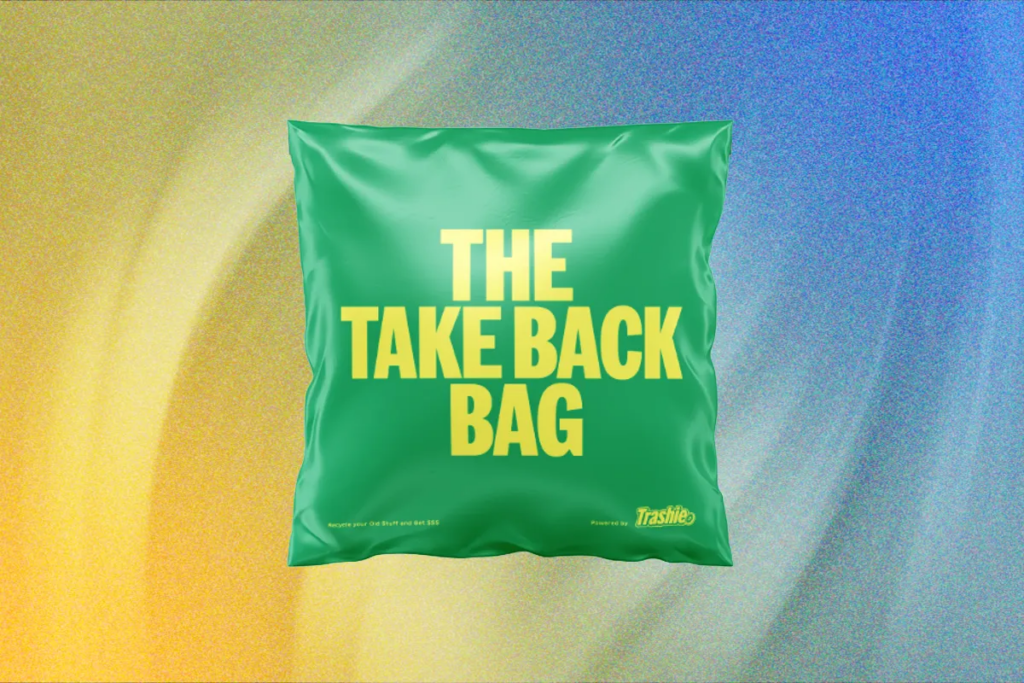
It was amidst this disheartening reality that I stumbled upon a truly revolutionary service: Trashie. A targeted social media ad introduced me to this textile-recycling subscription, which immediately struck me as the answer I had been searching for. Trashie offers a practical and rewarding way to tackle both textile and electronic waste. Their "Take Back Bag," priced at $20, allows users to send in clean, used, even torn or stained clothing, bedsheets, shoes, and old Halloween costumes. These bags are available in packs of one or three, catering to varying disposal needs. For electronic waste, Trashie provides the "Take Back Tech Box" for $25, enabling the responsible disposal of old gadgets and charging cords that have long accumulated dust in drawers.
The convenience of Trashie extends beyond just providing a means for disposal; it also incorporates an enticing rewards system. In return for sending in items, users earn points that can be redeemed for discounts or gift cards at major retailers and sustainable brands such as Cozy Earth, Nuuly, and Parachute. This innovative approach not only facilitates responsible recycling but also incentivizes consumers to participate, creating a win-win scenario for both the environment and their wallets. The process itself is remarkably straightforward: fill the bag or box with acceptable items (ensuring they are clean), seal it using the attached adhesive strips (adding extra tape for good measure), and then scan a QR code. After signing up for an account and entering a numerical code, the package can be dropped off at the nearest UPS location. Points are then automatically added to the Trashie account, unlocking access to exclusive "Premium Deals" and further discounts.
Andre West emphasized the critical role such a service plays in addressing the complexities of textile recycling. He highlighted that the technology for sorting textile products is still in its infancy. Even if sorted by color, items are often made from different materials and include various components like buttons and zippers, each requiring distinct processing. Furthermore, items are frequently mislabeled, complicating the recycling process. This intricate and time-consuming task of breaking down and separating diverse fibers makes Trashie’s service a potential game-changer. By handling this complex sorting and processing, Trashie effectively removes a major barrier to textile recycling for the average consumer.
Kristy Caylor, CEO and founder of Trashie, brings a wealth of experience from the fashion industry, where she witnessed firsthand the immense water consumption and textile waste generated, particularly by fast fashion. Her vision for Trashie is rooted in creating a circular economy, and the operational model reflects this commitment. Once a bag or box is shipped, it arrives at one of Trashie’s recycling centers. Caylor explains, "Our material recycling happens after the sorting process and through a network of certified partners primarily in the United States. These partners work according to the Global Recycled Standard. We prioritize working with partners that are geographically close to our domestic sorting operations to minimize shipping and reduce our carbon footprint." This strategic approach ensures transparency and minimizes the environmental impact associated with transportation.
The sorting process is meticulously executed, akin to separating paper, plastic, and glass recyclables. Take Back bags and Tech Boxes undergo precise sorting to determine the best course of action for each item. Items that still have usable life are designated for reuse and donated to charity or redistributed. Trashie states, "Reusable items are redistributed through a network of global partners, ensuring they reach the right people at the right time." Caylor further elaborates that items are sorted by product type and condition to ensure the right match, maximizing reuse and significantly reducing landfill waste. This category-based approach allows them to supply seasonally relevant products to meet local needs, as demonstrated by their outreach to communities affected by the LA wildfires, providing not only recycling services but also essential clothing resources. This commitment to both domestic and international community support reinforces Trashie’s founding mission: to keep materials out of landfills, embodying the very essence of a circular process.
For items not suitable for reuse, Trashie’s recycling process transforms them into new resources. I was particularly curious about the fate of my dog-chewed duvet cover. Caylor revealed that "These products can be cut into materials and repurposed into products like pet bed filling, insulation, carpet padding, industrial rags, or even respun into new yarns." She offered a specific example: "cotton sheets might be turned into the soft fill used in pet bedding." The irony was not lost on me, imagining my dog Randy, the original destroyer of the duvet, potentially benefiting from a new bed made from his previous destruction. This transformative process diverts waste from landfills and gives materials a second, valuable life.
Regarding e-waste, Trashie maintains strict security measures. All e-waste recycling and data purging are handled domestically and in-house, eliminating the involvement of outside parties and thus controlling access to devices and personal data. Old devices are thoroughly wiped of personal information before being either refurbished for continued use or shredded to extract valuable metal and plastic components. This comprehensive approach ensures both environmental responsibility and data security.
The Trashie rewards system, known as TrashieCash, offers a compelling incentive for sustained participation. With a single TakeBack Bag, you earn 30 TrashieCash points. These points can then be applied to various deals found on Trashie’s platform, which features two main categories: "Premium" deals that deduct points for exclusive discounts, and "freebies" that offer coupon codes without point deduction. For example, five TrashieCash points can unlock a $20 discount on a $60 or more purchase at Cozy Earth, while 20 points might yield a $20 discount at Andie Swim. Users can browse these deals daily, and Trashie also offers a Chrome extension to help tally points and discounts when shopping at partner sites. While points cannot directly purchase another TakeBack Bag from Trashie’s site, a clever workaround involves using them to buy bags from partner sites that offer them. For even greater convenience and savings, a subscription option is available, delivering a bag every month, three months, or six months at a 15 percent discount, reducing the cost to $17 per bag.
In an era saturated with streaming and other digital subscriptions, adding a recycling service like Trashie to the roster is a tangible and impactful way to reduce environmental impact while simultaneously enjoying personal benefits. It transforms the often-tedious task of waste disposal into a rewarding experience. For me, the prospect of getting a replacement duvet cover with my earned points, perhaps from a Cozy Earth deal, signifies the perfect circularity—my old, destroyed bedding contributing to a new, comfortable one. This innovative model demonstrates that saving the Earth and saving money can indeed go hand-in-hand, creating a powerful double-whammy win-win for everyone involved.