Billy Bob Thornton on the Return of "Landman"
Billy Bob Thornton, a figure known for his compelling blend of irreverence and deep Southern charm, once again takes center stage as the highly anticipated second season of "Landman" prepares for its debut next Sunday. His unique ability to deliver lines with a sincerity that borders on the mocking, exemplified even by his unconventional portrayal of a not-so-saintly St. Nick, underscores a career built on authenticity rather than calculated risks. "A brave choice is to see someone being attacked in a park and go intervene; that’s a brave choice," Thornton mused, dismissing the notion that an actor’s on-screen eccentricities constitute bravery. "It’s not a brave choice to do some weird thing in the middle of a scene, you know what I mean?"
For his current role in the Paramount+ series "Landman," Thornton finds himself making choices that largely involve simply being himself. "Well, I mean I pretty much am playing myself if I were a landman," he admitted, highlighting the organic connection he feels to his character. The show peels back the curtain on the often-unseen world of the oil business in West Texas, a setting that resonates deeply with Thornton. He draws parallels to classic cinema, stating, "I mean, the movie ‘Giant,’ one of my favorites, I mean, that took place in the oil business of West Texas." With a characteristic wink, he adds a contemporary twist, telling people, "this is kind of like ‘Giant,’ with cursing!" This candid description perfectly encapsulates the series’ gritty, realistic portrayal of the high-stakes world of oil and gas.
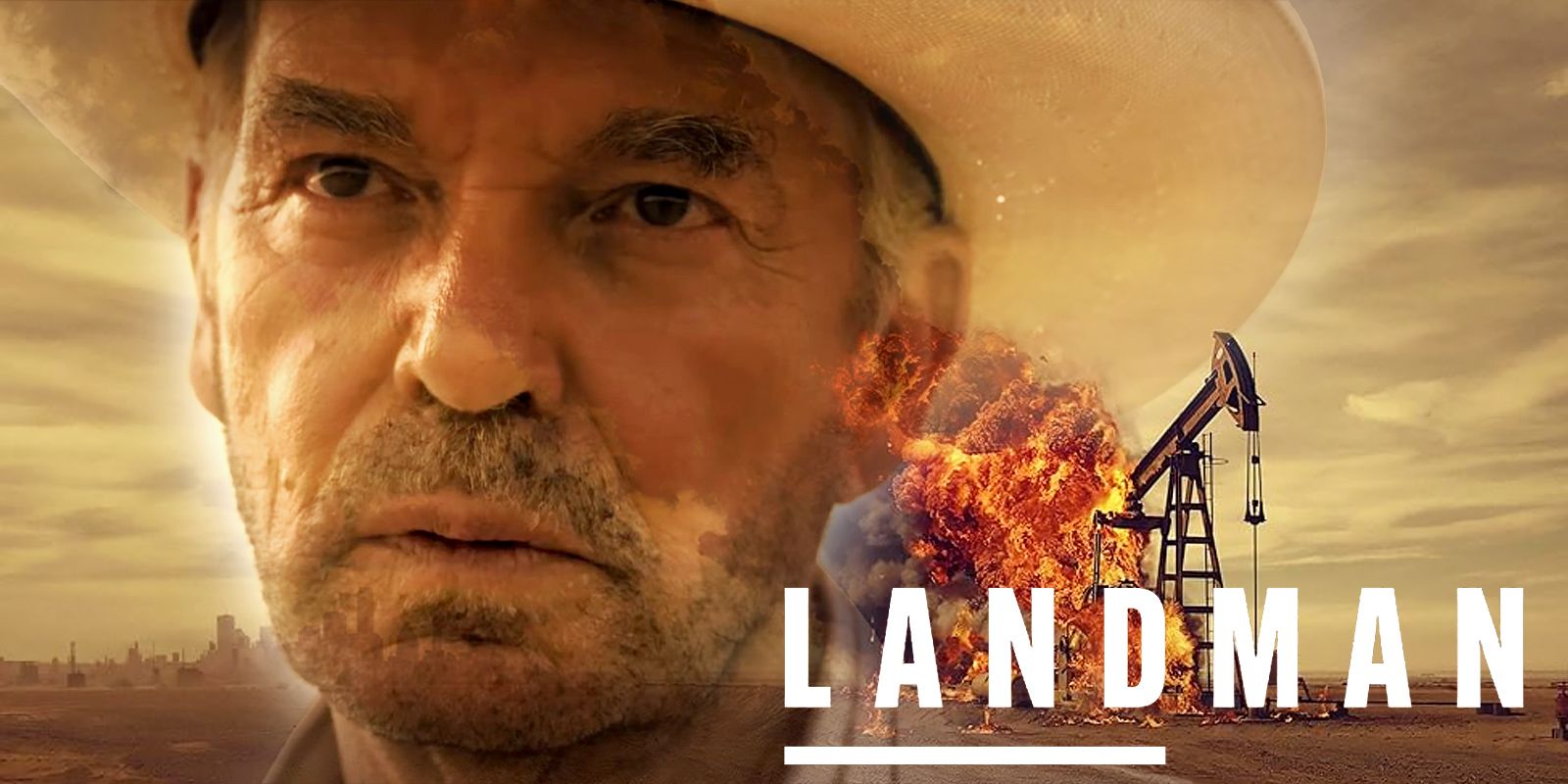
Fans have endured a considerable wait for the second season of "Landman," and the excitement is palpable as its premiere approaches. The series offers a raw, unfiltered look at the individuals who navigate the complex legalities and negotiations of land acquisition for drilling, a role known as a "landman." Thornton’s portrayal is expected to be as compelling and unvarnished as the industry itself.
His co-star, Ali Larter, offers insight into Thornton’s distinctive approach to his craft, revealing that he has a strong aversion to rehearsal. "You have to be ready to go," she shared, emphasizing the spontaneity he brings to the set. "Fresh. Like, whatever happens is going to happen." This improvisational style allows for moments of raw, unscripted brilliance, aligning perfectly with Thornton’s naturalistic acting philosophy and further blurring the lines between the actor and his character.
Thornton’s genuine "hillbilly vibe" is far from an act. He proudly identifies as a Tex-Arkansan, a product of the myriad rural locales that even the railroads bypassed, leaving their indelible mark on his character. Growing up in such a small town, far removed from the glitz of Hollywood, instilled in him a grounded perspective that he cherishes. "You know, I keep my upbringing in my back pocket all the time," he affirmed, "You never forget it." This background informs much of his work, lending an authentic gravitas to his roles, particularly in stories rooted in the American South.
While he never personally toiled on an oil rig, Thornton experienced his share of dangerous jobs in his youth, where the line between safety and peril was often razor-thin. "Machine shops and sawmills are both not exactly the safest places to work, especially when you’re a dumb little skinny hippie kid with hair to your waist," he recounted, painting a vivid picture of his early working life. He even shared a dark, humorous anecdote common among sawmill workers: "We always had a joke about sawmill workers, which was, do you know what this is? [He holds up three fingers.] It’s a sawmill worker ordering five beers." This anecdote, delivered with his signature dry wit, underscores the harsh realities and gallows humor prevalent in such industries.
His journey from the dust and danger of sawmills to the allure of Hollywood fairy dust was anything but conventional. Academics were not his strong suit. "I only took drama ’cause I thought I gotta get a C in something, you know, because I was not good in school," he confessed, highlighting his accidental entry into acting. Despite this casual beginning, his passion for performance blossomed, fueled by admiration for acting legends like Robert Duvall, Bruce Dern, and Sam Elliott, who embodied the kind of authentic, character-driven performances he aspired to deliver.
A pivotal moment in his nascent career occurred in Los Angeles, at a cocktail party where Thornton was working as a busboy. There, he encountered the legendary screenwriter and director Billy Wilder, who offered him some brutally honest, yet ultimately transformative, advice. "He said, ‘Forget about it. You’re too ugly to be a leading man,’" Thornton recalled, the memory still vivid. "And he said, ‘You’re too pretty to be a character actor.’ I said, ‘What do I do?’ He said, ‘Can you write?’ I said, ‘Yeah, I do write.’ He goes, ‘Write your own stories, create your own characters, don’t stand in line with everybody else.’" This blunt assessment, rather than deterring him, became the blueprint for his extraordinary career.
Thornton took Wilder’s advice to heart, writing and directing his own story, and in doing so, creating an unforgettable character. The result was the critically acclaimed 1996 film "Sling Blade," a powerful Southern Gothic drama that garnered him an Academy Award for Best Adapted Screenplay and an Oscar nomination for Best Actor. It was a testament to his unique vision and the power of crafting one’s own narrative.
Despite this monumental success, Thornton expresses skepticism about returning to the director’s chair or writing screenplays. "You know, I don’t know that anybody wants to see what I have to say as a director or writer, ’cause all my stuff is based on Southern literature," he mused, a hint of melancholy in his voice. "And I don’t think that those stories would really be relevant to anyone right now. So, I doubt I ever do it again." This sentiment reflects a humble self-awareness, perhaps underestimating the enduring appeal of his distinct voice and perspective.
Letting go of things he loves, or things that once brought him unburdened joy, has proven difficult for Thornton. He revealed a poignant truth: he hasn’t felt truly carefree since the short-lived TV show "The Outsiders," more than three decades ago. "I had no responsibility," he reminisced. "I was making $2,500 an episode. Never thought I’d see that kind of money." The carefree period, however, was tragically cut short. "Then, my brother Jimmy died, and changed my life. He was my best friend." This profound loss cast a long shadow, shaping his outlook and imbuing his performances with a deeper emotional resonance. When asked if this was what he meant by "carrying it around in your back pocket," he simply replied, "Yeah, yeah, yeah," acknowledging the perpetual presence of that grief and its impact on his life.
Both brothers shared a deep love for music, having grown up playing in bands. To this day, Billy Bob openly idolizes his late brother’s musical talent. "He played every instrument, except drums," Thornton recalled with a slight chuckle. "He looked like he had a disorder when he tried to play drums." This shared passion for music became a lasting legacy, a way to honor Jimmy’s memory.
Thornton never abandoned his own love for music. His band, The Boxmasters, stands as a testament to this enduring passion, having recorded an impressive 19 albums. This past summer, they even had the extraordinary experience of opening for The Who, a monumental achievement for any musician. With characteristic humility, Thornton downplayed their role: "We’re just there to waste 45 minutes while they’re getting ready, ya’ know? So hopefully the fans will be with us." This self-effacing humor belies the significant dedication and talent required to maintain a successful musical career alongside a prominent acting one.
Approaching a significant milestone, Thornton doesn’t shy away from discussing the passage of time, though with a touch of his usual playful defiance. "Any thoughts on turning 70?" he was asked. "What did you say?" Thornton replied, raising an eyebrow, feigning deafness before continuing. "But uh, no, You know what, it’s so funny you’re scared of every milestone. But this one actually did affect me in a way that I had to, you know, have a few meetings with myself late at night." These "meetings" underscore a period of reflection, an honest confrontation with aging and mortality that many experience.
Ultimately, Billy Bob Thornton has found profound wisdom in the shared journey of his generation of actors. He observes that he and many of his older contemporaries, including his dear friend Sam Elliott, who continues to act at 81, are still defined by the quality and integrity of their work. "We’ve all seen each other get older," Thornton acknowledged, recognizing the visible signs of time on his peers. "And when I see that wisdom and see the respect that people have for them, it just kind of makes everything melt away somehow." For Thornton, success is not merely about accolades or fame, but about the sustained respect earned through consistent, meaningful contributions. "I mean, I’m in a successful band and I’m in a successful show. Every day when I wake up, I just say I’m blessed. That’s really it." This profound sense of gratitude and contentment, rooted in his work and his authentic self, defines Billy Bob Thornton as he continues to captivate audiences with his unique blend of talent and truth.