Transcript: New Jersey Gov.-elect Mikie Sherrill on "Face the Nation with Margaret Brennan," Nov. 9, 2025
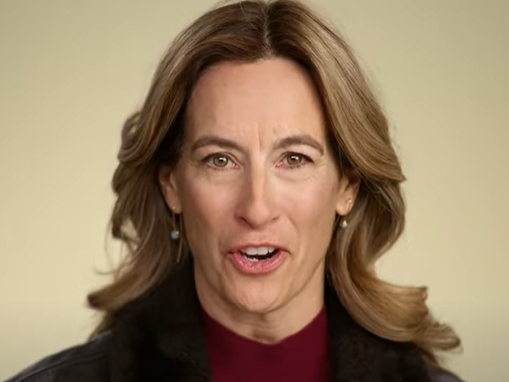
On November 9, 2025, New Jersey Governor-elect Mikie Sherrill, a Democrat and sitting member of Congress, appeared on CBS News’ "Face the Nation with Margaret Brennan" to discuss her recent electoral victory and the pressing national and state issues facing her as she prepares to assume the governorship. The interview delved into the ongoing government shutdown, the contentious debate over healthcare subsidies, New Jersey’s unique economic challenges, and the broader political climate. Sherrill, fresh off a significant win, offered a candid assessment of the current political gridlock and outlined her priorities for her upcoming term.
Margaret Brennan initiated the conversation by addressing the elephant in the room: the federal government shutdown. She pressed Sherrill on whether, as the incoming chief executive of a state severely impacted by the shutdown, she would endorse the Democratic Party’s strategy of withholding government funding until Obamacare subsidies were extended. Sherrill firmly articulated the Democratic position, emphasizing the critical importance of continuing the fight for these subsidies. She highlighted the alarming prospect of healthcare costs skyrocketing by an estimated 175% if Republicans failed to address what she termed a "healthcare crisis." This potential increase, she stressed, would be devastating for New Jersey residents, many of whom already face high living costs. Sherrill also pointed to the "One Big, Beautiful Bill" – a legislative package that, in her view, had already inflicted "huge cuts" to people’s access to healthcare, further exacerbating the situation.
Sherrill did not mince words when attributing much of the current crisis to former President Donald Trump. She accused him of deliberately withholding SNAP (Supplemental Nutrition Assistance Program) funding despite court orders, effectively "slow walking it" and making it challenging for states to comply legally. Furthermore, she criticized his administration’s handling of air traffic control issues, particularly at Newark Airport, which had experienced significant problems over the summer, leading to a 25% reduction in capacity. The ongoing shutdown, she noted, was causing an additional 10% of flights to be derailed, alongside persistent delays. For Sherrill, the message was clear: "it’s time that the government – that the Trump administration, that Republicans in the House and the Senate, get serious about opening up government." Her remarks underscored a deep frustration with what she perceived as a deliberate obstructionism by the Republican-controlled branches of government.
Brennan then challenged Sherrill on the economic ramifications of the shutdown, citing recent polling that indicated a majority of Americans were concerned about its negative impact on the overall economy. Brennan asked how Democrats could justify the damage. Sherrill unequivocally stated that the damage could not be justified, but redirected the responsibility squarely onto the President, the Senate, and the Republican majority in the House. She argued that they bore the onus of reopening the government in a manner that would cease "punishing the American people." Sherrill framed her recent election victory as a clear mandate from the populace, demanding a federal government that operates without inflicting economic harm on its citizens. She reiterated her campaign focus on affordability, pledging to fight in Trenton to streamline regulations and permitting processes to lower costs. Beyond state-level actions, she vowed to continue advocating in Washington for federal policies to address issues like the tariff program, which she claimed was driving up prices on everyday goods, and the "One Big Beautiful Bill," which she believed was escalating costs in education, innovation, housing, and healthcare. For Sherrill, the immediate priority was to end the government shutdown to effectively tackle New Jersey’s healthcare needs.
The discussion then pivoted to the accusation that Democrats were themselves being "heartless" by using the shutdown as leverage. Brennan highlighted Leader Thune’s criticism of Democrats for withholding their votes on a short-term funding bill, citing the struggles of military personnel and families. She specifically referenced House Democratic leadership, including Katherine Clark, who had justified withholding votes as one of the few pieces of leverage Democrats possessed. Sherrill, a veteran herself, vehemently rejected the "heartless" label. She countered that with Republicans holding the presidency, the majority in the Senate, the majority in the House, and, in her view, even exerting undue influence over the court system, the primary responsibility to open the government rested with them. She emphasized her personal understanding of the devastating impact of such shutdowns on veterans and military families.
When pressed by Brennan on Whip Clark’s "leverage" statement, Sherrill clarified that the leverage was "to serve the American people." She reiterated her stance that repeated Republican "attacks" on critical services, from healthcare to the economy, necessitated a strong Democratic response. She warned again that if the Affordable Care Act was not funded, costs for New Jersey residents would surge by 175%, pushing many off healthcare – a situation compounded by Medicare cuts from the "One Big Beautiful Bill," increased grocery prices due to tariffs, and rising gas prices stemming from other ongoing disputes. Sherrill concluded that the Trump administration was "punishing people" and that Republicans needed to come to the table and work for the American people, a sentiment she believed was powerfully expressed in the recent election results.
Brennan then inquired why a promise to hold a vote on healthcare subsidies wasn’t sufficient for Democrats to agree to reopen the government. Sherrill expressed skepticism about Republican promises, citing past experiences. She asserted that Democrats were actively working to address the concerns of the American people, but Republicans were consistently refusing to do so. For Sherrill, merely a promise of a vote was insufficient; what was needed was concrete action: "What he needs to do is actually put the subsidies in. We can serve the American people, we can drive down health care costs, and that’s really key." This firm stance underscored the deep mistrust between the parties and the demand for tangible legislative outcomes rather than procedural assurances.
Transitioning to Sherrill’s election, Brennan noted that the economy, particularly energy prices, was central to her campaign. New Jersey had seen a 19% increase in energy costs over the past year, significantly higher than the 6% national average. Brennan asked what Sherrill’s proposed "state of emergency" on day one would entail and how quickly it would reduce prices. Sherrill explained that declaring a state of emergency would immediately "freeze rate hikes" that were slated to take effect in the coming months, preventing them from burdening New Jersey ratepayers. She revealed that utility companies were already willing to negotiate these hikes, with funds from the Board of Public Utilities (BPU) available to help defray costs. Beyond this immediate measure, Sherrill outlined a rapid strategy to increase power generation for the state’s grid. She criticized PJM, the regional grid operator, for having "screwed up the market." Her plan was to expedite the production of every electron in New Jersey, as this would directly offset the cost of electricity the state had to purchase from the market. To achieve this, she pledged to immediately cut through "red tape and permitting delays" to accelerate solar energy projects, continue building out battery storage, and in her first budget, expand the modernization of natural gas facilities, with a long-term vision for nuclear power.
Brennan then referenced Sherrill’s recent comments on CNN, where she expressed a feeling that "working people have not been heard" and that there was "too much caution and mediocrity in the Democratic Party today." Sherrill elaborated on this critique, explaining that her interactions with thousands of people across New Jersey revealed a strong desire for an agenda that would swiftly reduce their costs. She distinguished her approach from merely "writing a strongly worded letter" or proposing a "10-year plan." Her day-one declaration of a state of emergency was not just born out of frustration with past failures to protect ratepayers but also to convey a profound sense of urgency. She wanted the people of New Jersey to know that their economic struggles were her immediate priority. Furthermore, Sherrill stressed that constituents sought leaders who would actively champion their interests, recognizing that tariffs were raising costs, the "One Big Beautiful Bill" threatened their healthcare, and attacks on projects like the Gateway Tunnel would inflate costs and diminish job opportunities. They wanted governance focused on their well-being, not on the agenda of "a party of one like Donald Trump."
Finally, Brennan turned to the broader issue of women in politics, referencing Speaker Emeritus Nancy Pelosi’s recent announcement of leaving Congress. Pelosi had previously indicated that recruiting new candidates, particularly women, was challenging due to the increasingly hostile political environment and security threats, which discouraged women concerned about the impact on their children. Brennan asked Sherrill, as a woman who had just achieved a significant political victory, if she observed similar fears among female candidates. Sherrill acknowledged the validity of these concerns, describing it as a "scary time." She recounted her own experience, recalling how the assassinations in Minnesota shortly after her primary win made her, as a mother of four, question if she was putting her children at risk. However, Sherrill concluded that most mothers considering candidacy weigh this risk against an even greater concern: "what is my kids’ future look like if I don’t run?" She believed that on balance, many women were choosing to run, citing the strong presence of women across New Jersey entering races and continuing to serve. While security concerns were undoubtedly on their minds as they considered how to keep their families safe, Sherrill did not believe it was ultimately dissuading them from seeking elected office. She also underscored her commitment to public safety and protecting constitutional freedoms like speech and assembly, which she saw as crucial in the current climate.
As the interview drew to a close, Margaret Brennan thanked Congresswoman Sherrill, noting that she and her audience would be watching closely as she transitioned into her new role as the next Governor of New Jersey. Sherrill’s interview provided a robust outline of her policy positions, her strategic approach to governance, and her firm commitment to addressing the economic and social challenges facing New Jersey and the nation.