5 Best Lip Balms to Try in 2025, All Tested in Tough Conditions
In the relentless quest for perfectly hydrated lips, the market is saturated with options, each promising a miracle cure. But not all balms are created equal, especially when facing the harsh realities of extreme weather, environmental stressors, and daily wear and tear. For 2025, we’ve meticulously tested a diverse range of lip balms under the most demanding conditions to bring you a definitive guide to what works, what’s worth the splurge, and what to steer clear of. This isn’t just about temporary relief; it’s about long-term lip health and resilience.
Our Rigorous Testing Methodology
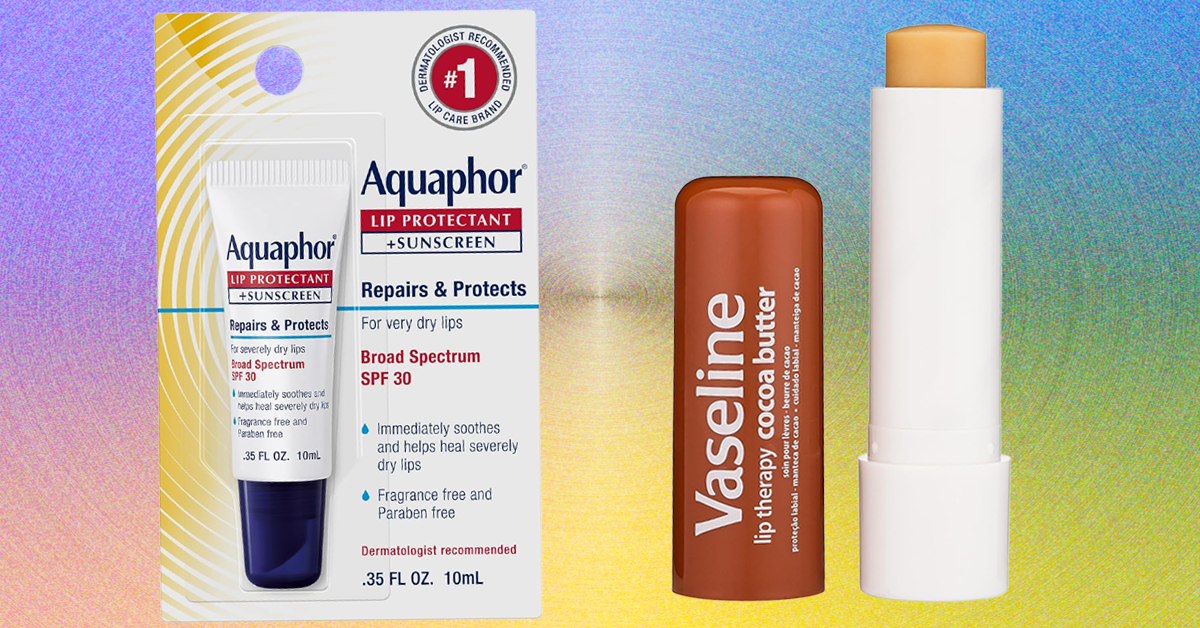
My personal journey with lip balms began sometime around 2006 with a memorable Fanta Lip Smacker, but for this extensive review, the approach was far more scientific and methodical. Over the past eight months, I put 30 different lip balms through their paces across a variety of challenging climates and conditions. Our "tough conditions" included the biting, dry Chicago winters, the humid and sun-drenched Florida summers, the arid, dehydrating air of airplane cabins, windy city streets, and even periods of intentional dehydration to truly test their mettle.
Each balm was rigorously judged against a comprehensive checklist of factors:
- Immediate Relief: How quickly did it soothe dryness and discomfort?
- Long-Lasting Hydration: Did it provide sustained moisture, or did lips feel dry again shortly after application?
- Texture and Feel: Was it smooth, greasy, sticky, waxy, or pleasant? Did it layer well?
- Ingredient Quality: Were the ingredients beneficial, free from common irritants, and suitable for sensitive skin?
- Scent Profile: Was the scent natural, synthetic, overpowering, or pleasant?
- Packaging Functionality: Was it easy to apply, hygienic, and travel-friendly?
- Overall Value for Money: Did the performance justify the price point?
After extensive trials, here are our top picks that stood out, along with some important considerations for each, followed by the balms that simply didn’t make the cut for healthy lip care.
The Top 5 Lip Balms for 2025
These balms have proven their worth, offering a balance of hydration, protection, and pleasant user experience, even if they come with minor caveats.
1. Eos 24H Moisture Super Balm for $6
A nostalgic favorite, elevated for the modern era. I’ve been a fan of Eos’s distinctive egg-shaped balms since middle school, and the 24H Moisture Super Balm feels like the sophisticated, grown-up evolution. It boasts a solid lineup of beneficial ingredients such as deeply nourishing shea butter, moisturizing avocado oil, and protective castor seed oil. Crucially, it’s formulated without parabens, phthalates, silicones, and synthetic dyes – common irritants and undesirable additives in many beauty products.
The balm itself provides a beautiful glossy, cushiony finish that feels comfortable on the lips. It comes in a range of truly delightful scents like Coconut Milk, Mango Melonade, and Watermelon Frosé, making application a sensory pleasure. However, the one catch for some users is that it’s not fragrance-free. While the scents are appealing, those with extremely sensitive lips may find them slightly irritating. The texture, while cushiony, can also be quite sticky, which means on a breezy day, your hair will inevitably find its way onto your mouth. And despite the "24-hour moisture" claim, realistic expectation dictates reapplication every hour or two for optimal hydration, especially in harsh conditions. It’s an excellent daily balm for those who appreciate a glossy finish and delightful aroma, provided sensitivity to fragrance isn’t an issue.
2. Burt’s Bees Beeswax Lip Balm for $4
The enduring natural classic. If you’re ingredient-conscious and have ever sought a natural alternative, Burt’s Bees has likely been a staple in your bag at some point. The original formula is a harmonious blend of beeswax, coconut oil, sunflower seed oil, and peppermint oil. It proudly declares itself free of petroleum and parabens, appealing to those seeking cleaner beauty options. Its widespread availability is also a huge plus – you can find it just about everywhere, from pharmacies to grocery stores, making it a reliable emergency pick.
That said, while the beeswax forms a robust occlusive barrier, sealing in existing moisture, it’s not always the most deeply hydrating balm, especially during the dead of winter or for already severely chapped lips. It tends to coat the lips rather than deeply penetrate and heal existing cracks. For lips that are already in distress, it might not provide the intensive repair needed. Furthermore, the peppermint oil, while offering an invigorating tingle, can be a little too "spicy" for exceptionally sensitive lips, potentially causing irritation rather than soothing. Still, if you’re in a pinch and standing in front of the CVS self-checkout, it’s a far smarter, more natural purchase than many other conventional options.
3. Glossier Balm Dotcom for $16
The trendsetter that paved the way. The Glossier Balm Dotcom truly "walked so the Laneige Lip Sleeping Mask could run," setting a precedent for multi-purpose, aesthetically pleasing lip treatments. It’s marketed as a versatile skin salve, and it lives up to that, blending lanolin, castor oil, and beeswax for ultimate moisture retention. Lanolin, in particular, is an excellent emollient, mimicking the skin’s natural lipids to provide deep conditioning. Castor oil adds a lovely shine and viscosity, while beeswax seals everything in, preventing moisture loss.
Beyond its moisturizing prowess, it comes in a handful of sheer tints that play perfectly with "no-makeup makeup" days, offering a subtle wash of color and a healthy glow. However, its thick, waxy texture can feel a bit clumpy, especially if applied generously or layered over already flaky lips. For the best results, a light application or prior gentle exfoliation might be necessary to avoid a less-than-smooth finish. It’s a fantastic choice for those who want a blend of care and subtle aesthetics, and don’t mind a slightly richer texture.
4. Goop Beauty Nourishing Lip Repair Mask for $30
A luxury treatment for serious repair. This buttery lip mask from Goop is designed for intensive care, loaded with ceramides to help restore and fortify your lip barrier. Ceramides are essential lipids that help maintain the skin’s integrity, making this balm particularly effective for compromised lips. It also features nourishing fig seed oil and antioxidant-rich acai fruit, which contribute to its effectiveness and a delightful tropical aroma that makes application a pleasure.
Goop prides itself on clean formulations, and this mask is free from silicones, parabens, and synthetic fragrances, aligning with a more natural approach to skincare. However, even botanical oils and fruit extracts, while natural, can still trigger reactions in very sensitive individuals, so a patch test is always recommended. The most significant drawback is its price point: at $30 for just 0.3 fluid ounces, it is undoubtedly the most expensive balm on our list. While effective, its cost-effectiveness is a serious consideration for daily use. This is more of a targeted treatment or an occasional luxurious indulgence.
5. Omorovicza Budapest Perfecting Lip Balm for $46
A high-end option with a unique, polarizing feel. Omorovicza’s Perfecting Lip Balm is another premium offering that aims to go beyond basic hydration. It contains some excellent ingredients like hyaluronic acid, a powerful humectant that draws moisture into the lips, and omega fatty acids, which nourish and protect the delicate skin barrier.
However, the balm’s texture leans distinctly gritty, almost like a lip polish or a micro-exfoliator. While some might appreciate this as a gentle exfoliating action, others may find it abrasive or simply unpleasant. More concerning is the inclusion of several unnecessary and potentially irritating extras, such as eucalyptus oil, perfume, and benzyl alcohol. These ingredients are known sensitizers and can be counterproductive for maintaining healthy, calm lips, especially when dealing with dryness or cracks. Combined with its exorbitant price tag of $46, the potential for irritation and unusual texture makes it a challenging recommendation for widespread use, despite its beneficial core ingredients.
Lip Balms to Avoid – Why Certain Ingredients Can Harm
Not all balms are created equal, and some can actively hinder your lip health, creating a cycle of dryness and reapplication rather than true healing. Our tests revealed several popular options that are best left on the shelf.
1. Nivea Dewy Lip Care with Hyaluronic Acid
While Nivea’s Dewy Lip Care with Hyaluronic Acid sounds promising on paper, packed with emollients, humectants, and antioxidants—like shea butter, glycerin, and vitamin E—its formulation is ultimately problematic. The beneficial ingredients are unfortunately overshadowed by a couple of unnecessary and potentially irritating additives. Specifically, the inclusion of geraniol fragrance and the vague term "flavor" are red flags. "Flavor" can encompass a wide range of synthetic or natural compounds, many of which are known contact allergens or irritants for delicate lip skin. Furthermore, Nivea’s tinted balms often don’t fare much better; they tend to leave a greasy film and rely on synthetic pigments for shimmer and color, which can also be irritating. There are many better balms available that provide lasting hydration without the excessive shine or the risk of irritation from unnecessary additives.
2. Blistex Lip Medex
The instant tingle Blistex Lip Medex provides, courtesy of menthol and camphor, might feel like it’s working, but that sensation is actually a significant red flag. This "tingle" is often a sign of irritation, not healing. Alongside a cocktail of synthetic flavors and fragrances, menthol and camphor can initially provide a cooling or numbing effect, but in the long run, they strip away the delicate moisture barrier of your lips, leading to increased dryness and a cycle of dependency. A general rule of thumb: "medicated" lip balms often do more harm than good, as their active ingredients frequently cause irritation that exacerbates the very problem they claim to solve.
3. Carmex Classic Lip Balm
For very similar reasons to Blistex, Carmex Classic Lip Balm should also be skipped. It contains camphor and benzocaine, both of which are ingredients that can irritate the skin and, paradoxically, make cracked lips worse over time. Benzocaine, a topical anesthetic, can mask discomfort but doesn’t address the underlying issue and can cause allergic reactions in some individuals. Camphor, like menthol, provides that temporary cooling sensation that tricks users into thinking their lips are healing, when in reality, it contributes to ongoing irritation and dehydration. True healing requires gentle, nourishing ingredients that support the skin barrier, not those that inflame it.
Deeper Dive: Understanding Lip Health and Ingredients
What Causes Chapped Lips?
There are a lot of triggers for chapped lips, ranging from environmental factors to lifestyle habits and even underlying health conditions. Here are some of the most common causes:
- Environmental Exposure: Cold weather, dry air, windburn, and sun exposure (UV radiation) are primary culprits.
- Dehydration: Not drinking enough water can lead to overall body dehydration, including your lips.
- Frequent Lip Licking: While it might feel like you’re adding moisture, saliva contains digestive enzymes that can actually strip the delicate skin of its natural oils, leading to more dryness.
- Certain Medications: Some drugs, like isotretinoin (for acne) or certain chemotherapy agents, can cause severe lip dryness as a side effect.
- Allergic Reactions: Reactions to ingredients in lip balms, toothpastes, cosmetics, or even certain foods can manifest as chapped lips.
- Vitamin Deficiencies: Deficiencies in B vitamins, iron, or zinc can sometimes contribute to persistent dry lips.
- Mouth Breathing: Breathing through your mouth, especially at night, exposes your lips to more air, leading to increased moisture loss.
Key Ingredients: What to Look For (and Avoid) In Lip Balms?
Choosing the right lip balm is crucial for effective treatment and prevention.
Here’s what to look for on the label:
- Humectants: Ingredients that draw moisture from the air into the lips.
- Examples: Hyaluronic Acid, Glycerin, Urea, Sorbitol.
- Emollients: Ingredients that smooth and soften the skin, filling in cracks.
- Examples: Shea Butter, Cocoa Butter, Jojoba Oil, Coconut Oil, Sunflower Seed Oil, Ceramides, Squalane.
- Occlusives: Ingredients that create a protective barrier on the lip surface, preventing moisture loss. These are essential for sealing in hydration.
- Examples: Petrolatum (Petroleum Jelly), Lanolin, Beeswax, Mineral Oil, Dimethicone.
- Antioxidants: Ingredients that protect the delicate skin from environmental damage.
- Examples: Vitamin E (Tocopherol), Vitamin C (Ascorbic Acid), Green Tea Extract.
- SPF: For daytime use, a lip balm with SPF 15 or higher is crucial to protect against sun damage.
Here’s what to avoid:
- Irritants/Sensitizers: Ingredients that provide a tingling sensation are often irritating, leading to a cycle of dryness and reapplication.
- Examples: Menthol, Camphor, Eucalyptus Oil, Phenol, Salicylic Acid, Benzocaine, Artificial Fragrances, Artificial Flavors (especially "cinnamon" or "peppermint" flavors if not natural and gentle).
- Drying Alcohols: While some fatty alcohols are beneficial, simple alcohols can strip moisture.
- Examples: Ethanol, Isopropyl Alcohol, Alcohol Denat.
- Exfoliants: While occasional gentle exfoliation can be good, daily use of harsh physical or chemical exfoliants in a balm can exacerbate dryness.
When to See a Dermatologist
According to the American Academy of Dermatology, if your lips are still chapped after two to three weeks of consistent balm use – particularly one with gentle, occlusive, and emollient ingredients – you should consult your dermatologist. Persistent chapped lips can be a sign of something more serious, such as:
- Contact Dermatitis: An allergic reaction to an ingredient in a product.
- Fungal Infection (Cheilitis): Often seen at the corners of the mouth, especially if there’s redness, cracking, and scaling.
- Perioral Dermatitis: A rash around the mouth.
- Actinic Cheilitis: A precancerous condition caused by chronic sun exposure.
A professional can help you figure out if there’s an underlying medical issue, an allergic reaction, or a fungal infection, and provide appropriate treatment before the condition exacerbates.
Conclusion
Navigating the vast world of lip balms can be daunting, but armed with the right knowledge and insights from rigorous testing, you can make informed choices for optimal lip health. Whether you prioritize natural ingredients, long-lasting moisture, or a touch of tint, our top 5 recommendations offer excellent performance in even the toughest conditions. Just as important is knowing which ingredients to avoid, ensuring you break the cycle of irritation and truly heal your delicate lips. Remember, consistent care and attention to ingredients are key. Your lips are delicate, and they deserve the best protection and nourishment you can provide, ensuring they stay soft, smooth, and healthy all through 2025 and beyond.