John F. Kennedy’s granddaughter, Tatiana Schlossberg, says she has terminal cancer diagnosis
Tatiana Schlossberg, the 35-year-old granddaughter of the late President John F. Kennedy, has shared the heartbreaking news of a terminal cancer diagnosis, revealing she has less than a year to live. In a profoundly moving and deeply personal essay published in The New Yorker magazine on Saturday, Schlossberg, a respected journalist, disclosed her battle with acute myeloid leukemia (AML), complicated by a rare and aggressive mutation known as Inversion 3. This devastating announcement has sent ripples of sadness through the public, once again casting a somber light on the storied Kennedy family, a dynasty long associated with both immense public service and profound personal tragedy.
The genesis of Schlossberg’s struggle began under circumstances that should have been joyous. In May 2024, just ten minutes after she had given birth to her second child, a baby girl, medical professionals observed an alarming abnormality in her white-blood-cell count. What followed was a swift and brutal diagnosis: acute myeloid leukemia, a rapidly progressing cancer of the blood and bone marrow. For Schlossberg, who had just welcomed a new life into the world and was already a devoted mother to a young son, the news was incomprehensible. She recounts in her essay the initial shock and disbelief, a desperate internal struggle to accept such a cruel twist of fate so closely intertwined with the miracle of birth. "I had a son whom I loved more than anything and a newborn I need to take care of," she penned, encapsulating the immediate, visceral fear for her children’s future without her.
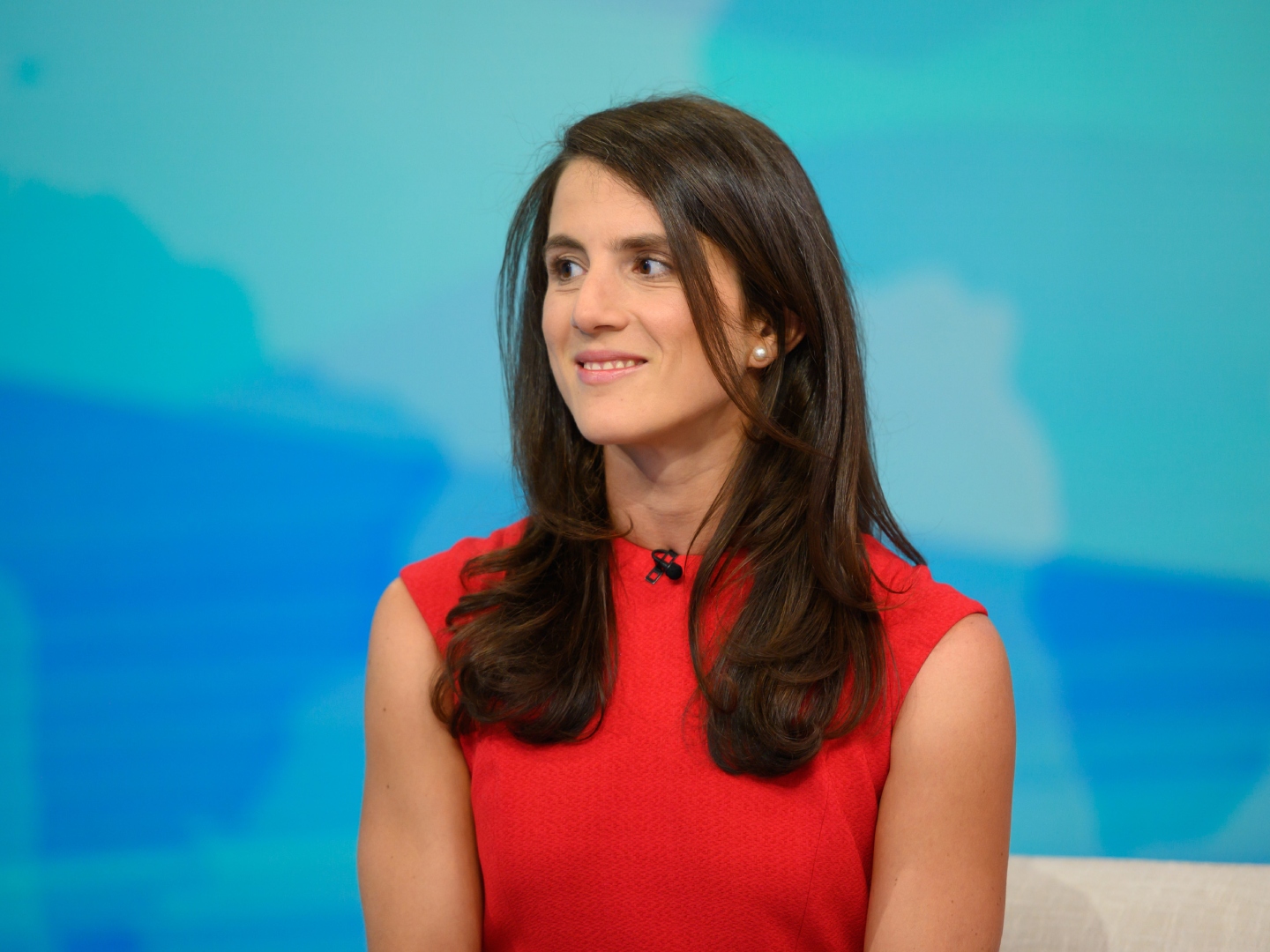
Married to Dr. George Moran since 2017, Schlossberg has fought valiantly against the relentless disease. Her treatment journey has been arduous, involving multiple clinical trials and two intensive transplants at Memorial Sloan Kettering in New York City. Despite these efforts and the unwavering dedication of her medical team, the cancer proved stubbornly aggressive. The news that her doctors could, at best, prolong her life for "a year, maybe," delivered a crushing blow, confirming the terminal nature of her condition. This stark prognosis forces Schlossberg and her family to confront the unimaginable, transforming their present into a race against time to create and cherish every remaining moment.
Beyond the physical toll of her illness, Schlossberg’s essay delves into the profound emotional and psychological impact of her diagnosis, particularly the immense guilt she feels over adding yet another chapter of sorrow to the Kennedy family’s history. The Kennedy name is synonymous with public fascination, political power, and a long litany of devastating losses that have led many to speak of a "Kennedy curse." For Tatiana, this personal tragedy feels like a betrayal of her lifelong efforts to protect her mother, Caroline Kennedy, from further pain. "For my whole life, I have tried to be good, to be a good student and a good sister and a good daughter, and to protect my mother and never make her upset or angry. Now I have added a new tragedy to her life, to our family’s life and there’s nothing I can do to stop it," she confessed with searing honesty.
Indeed, the Kennedy family tree is tragically marked by premature deaths and public mourning. Tatiana’s maternal grandfather, President John F. Kennedy, was assassinated on November 22, 1963, a date that, by a chilling coincidence, falls 62 years to the day before her essay announcing her own terminal illness was published. Her great-uncle, Senator Robert F. Kennedy, met a similar fate, shot and killed in 1968 while campaigning for the presidency. Tatiana’s grandmother, Jacqueline Kennedy Onassis, the iconic former First Lady, succumbed to Non-Hodgkin’s Lymphoma in 1994 at the age of 64. Her uncle, John F. Kennedy Jr., died tragically in a plane crash off the coast of Massachusetts in 1999, along with his wife and sister-in-law. Each of these events etched itself into the national consciousness, and Tatiana’s current plight adds a fresh, painful dimension to this enduring narrative of loss.
In her essay, Schlossberg also bravely addresses a contentious issue involving her cousin, Robert F. Kennedy Jr., and his political actions as Secretary of Health and Human Services. She expresses her profound dismay over his policies, which she argues have detrimental effects on public health and medical research. Specifically, Schlossberg points to RFK Jr.’s alleged decision to cut nearly half a billion dollars from research into mRNA vaccines and to slash funding from the National Institutes of Health, resulting in the cancellation of hundreds of NIH grants and clinical trials. For a patient facing a life-threatening illness that often relies on cutting-edge research for potential breakthroughs, these policy shifts are not merely political disagreements but direct threats to medical progress and patient care.
Her concerns extend to a specific, deeply personal example: the drug misoprostol. Schlossberg herself received a dose of misoprostol to manage a postpartum hemorrhage, a common and potentially life-saving intervention. She highlights that because misoprostol is also used in medication abortion, it has become a target of political scrutiny, currently under review at the Food and Drug Administration due to her cousin’s urging. Schlossberg worries that such politically motivated interference could jeopardize access to critical medications for millions of women, regardless of whether they are using it for postpartum care or abortion, underscoring the broader implications of these policies on women’s health. This section of her essay reveals a powerful intersection of personal vulnerability, public health advocacy, and family political dynamics, adding layers of complexity to her already tragic narrative.
Amidst the heavy themes of illness and political concern, Schlossberg’s essay ultimately circles back to the essence of her life: her family. She dedicates much of her writing to her husband, Dr. George Moran, describing him as her "kind, funny, handsome genius," and expresses the profound sorrow of knowing she will miss living out a full life with him. Her greatest anguish, however, is reserved for her two young children. The prospect of them growing up without their mother is a pain she grapples with constantly, leading her to a poignant mission: collecting memories. She endeavors to live fully in the present, to absorb every laugh, every touch, every quiet moment with her children, hoping to fill herself with these precious recollections that she might somehow carry with her even after she is gone. "Mostly I try to live and be with them now," she writes, acknowledging the difficulty of this task while simultaneously attempting to "trick myself into thinking I’ll remember this forever, I’ll remember this when I’m dead."
The public response to Schlossberg’s revelation has been one of deep sympathy and admiration for her courage. Her cousin, Maria Shriver, urged her followers on social media to read Tatiana’s story, calling her "a beautiful writer, journalist, wife, mother, daughter, sister, and friend." Shriver’s message resonated widely, emphasizing the universal vulnerability of life and the importance of gratitude: "Let the story be a reminder to be grateful for the life you are living today, right now, this very minute."
Tatiana Schlossberg’s decision to share her most private battle with the world is a testament to her strength and her commitment as a journalist. Her essay is not merely a recounting of a personal tragedy but a poignant reflection on life, love, family, and the profound questions of legacy and loss. It serves as a stark reminder of the fragility of existence and the enduring human spirit in the face of unimaginable adversity, reinforcing the Kennedy family’s complex narrative of public duty intertwined with intensely personal suffering. As she faces her final chapter, Schlossberg’s words offer a powerful, raw, and unforgettable testament to the preciousness of every moment and the enduring power of love.