Trump enlists help from Jack Nicklaus to revamp the "president’s golf course" at Andrews.
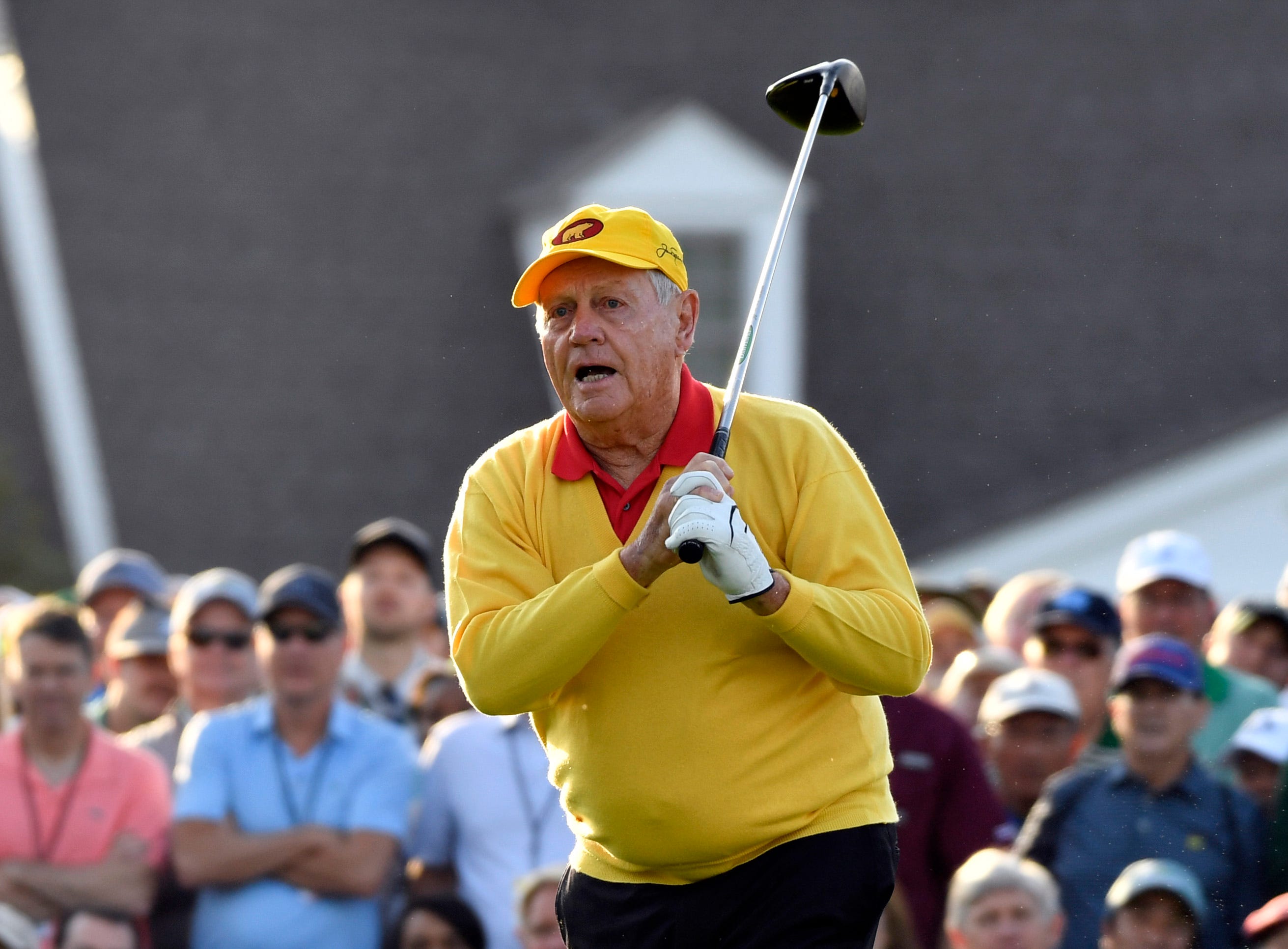
President Donald Trump has announced a significant new undertaking in his administration’s extensive list of construction and renovation projects, revealing plans to enlist the expertise of legendary golfer Jack Nicklaus to revitalize the golf courses at Joint Base Andrews. This move adds another prominent site, long known informally as the "president’s golf course," to the president’s ambitious agenda of physical transformations, extending his influence beyond the White House grounds to a key military installation. The announcement, made on Saturday, November 22, 2025, follows an aerial inspection tour of the facilities aboard Marine One, during which President Trump articulated his vision for a comprehensive overhaul.
Speaking to reporters outside the White House before departing for Andrews, President Trump underscored the necessity of the project. "We’re doing some fix-up of the base, which it needs. We’re gonna try and reinstitute the golf courses. I’m meeting with the greatest Jack Nicklaus," he stated, emphasizing the caliber of the talent he was bringing to bear on the project. "He’s involved in trying to bring their recreational facility back." This declaration highlights not only the president’s personal commitment to the state of the base but also his penchant for associating with figures of high achievement and renown, particularly within the sporting world. The involvement of Nicklaus, often hailed as the greatest golfer of all time, lends considerable weight and prestige to the endeavor.
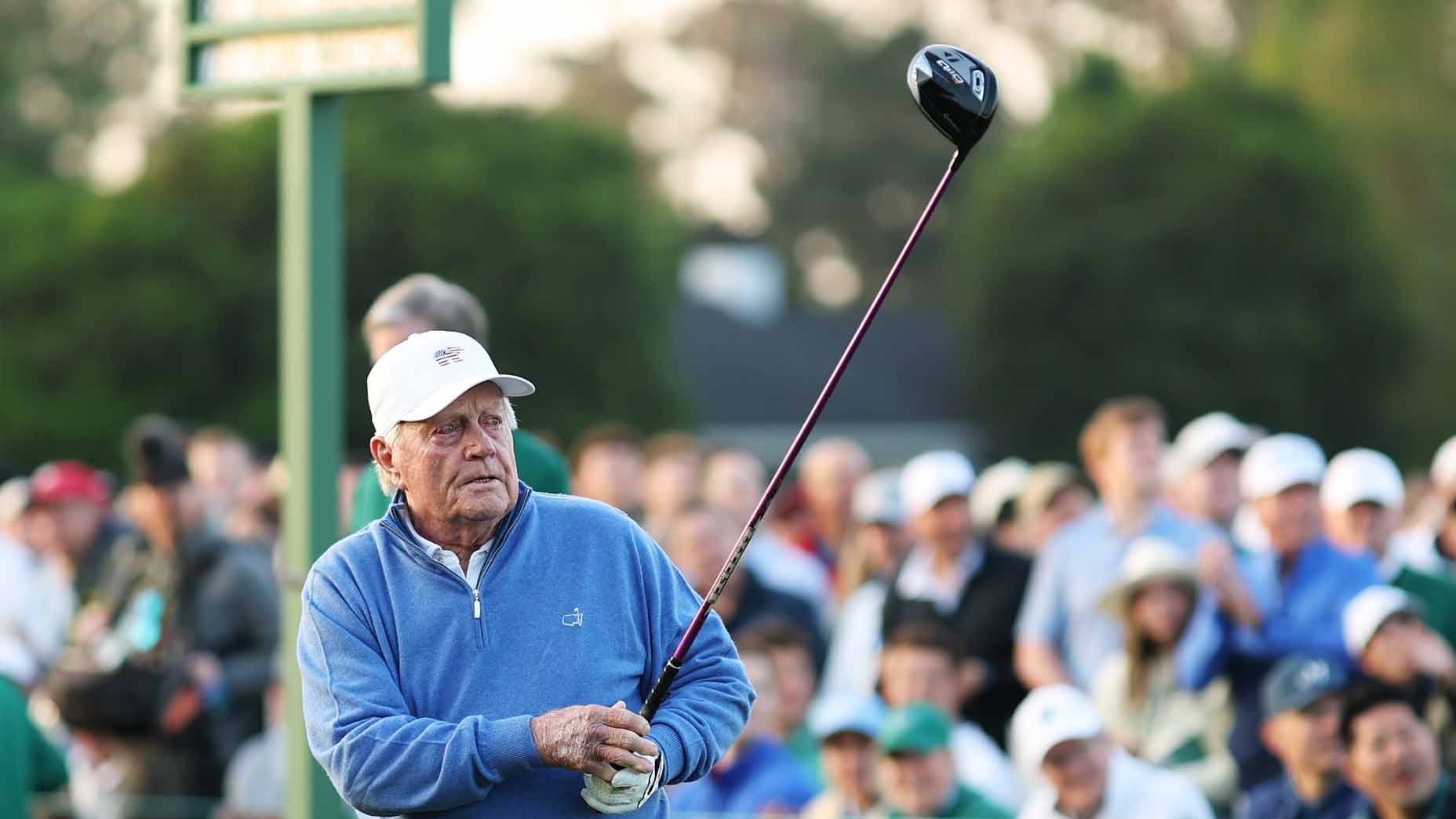
Joint Base Andrews, strategically located in Maryland approximately 15 miles southeast of the White House, serves as a crucial hub for military air operations, most notably as the home base for Air Force One. Beyond its operational significance, the base has also cultivated a unique place in presidential history as a recreational retreat. Gerald R. Ford was famously the first president to regularly utilize the golf facilities there, beginning in 1974. In more recent times, the Courses at Andrews became a noted favorite of President Barack Obama, who frequently played rounds there during his two terms in office, further solidifying its unofficial title as the "president’s golf course."
The facilities at Andrews are extensive, boasting three distinct 18-hole golf courses, complemented by three practice putting greens, two private practice areas, and a full-scale driving range. These amenities, managed by the 11th Force Support Squadron, cater to military personnel, their families, and authorized guests, providing a valuable recreational outlet. President Trump indicated that at least two of these three courses are slated for significant facelifts, suggesting a targeted, rather than complete, reconstruction of the entire complex. His assessment was blunt, describing the base as "a great place that’s been destroyed over the years through lack of maintenance." He further elaborated on his plans, saying, "So we’ll fix that up, and Jack will be the architect and he’ll design it," indicating Nicklaus’s direct involvement in shaping the future layout and aesthetic of the courses. "Two existing courses that are in very bad shape," he reiterated, adding optimistically, "we can — for very little money — fix it up." This assertion of cost-efficiency, however, immediately sparked broader questions regarding the funding mechanisms for such a high-profile renovation on military property.
While President Trump has a well-documented passion for golf, his personal playing habits have rarely included Joint Base Andrews. His weekends are more frequently spent at one of his own properties, primarily his golf clubs in Bedminster, New Jersey, or his luxurious Mar-a-Lago estate in Palm Beach, Florida. When remaining closer to the capital, he often opts for his course in Sterling, Virginia, situated near Dulles International Airport. This preference for his private clubs often intertwines his presidential duties with his business interests, a pattern that has been a hallmark of his time in office. His involvement in the Andrews renovation, therefore, appears less driven by personal playing preference and more by a broader vision for revitalizing what he perceives as neglected federal assets.
The selection of Jack Nicklaus for this project is a testament to the magnitude of the undertaking. Nicklaus, often referred to as "the Golden Bear," holds an unparalleled record in professional golf, with 18 major championship victories and 73 wins on the PGA Tour. His post-playing career has seen him become one of the most prolific and respected golf course designers in the world. His firm, Nicklaus Design, boasts a portfolio exceeding 425 courses across 40 U.S. states and more than 45 countries globally. Nicklaus’s design philosophy is renowned for creating challenging yet fair courses that blend seamlessly with the natural landscape, often emphasizing strategic play and memorable holes. His involvement promises a design of international standard, potentially transforming Andrews into a premier military golf facility. The idea that such a revered figure would apply his considerable talents to a military base golf course underscores the unique blend of public and private initiatives that characterize the Trump administration’s approach to infrastructure and aesthetics.
However, the announcement swiftly ignited a familiar set of questions regarding the financial aspects of such a significant project. The White House and the public affairs team at Joint Base Andrews did not immediately respond to inquiries on Saturday concerning who would be footing the bill for Nicklaus’s design services, the estimated costs of the renovation itself, or the protocols for funding improvements on military property. The ambiguity surrounding the financing of presidential projects has been a recurring theme throughout President Trump’s tenure. While his claim of being able to "fix it up for very little money" offers a hopeful outlook, the reality of a major golf course redesign by a world-class architect typically entails substantial investment. The lack of transparency raises concerns about the potential use of taxpayer dollars for what is essentially a recreational facility, or whether private donations, as seen in other projects, would be sought, and if so, from whom. The ethical implications of private funding for federal property, particularly a military installation, often involve scrutiny over donor influence and conflicts of interest.
This proposed Andrews redesign is not an isolated incident but rather fits into a broader pattern of extensive, high-profile construction and renovation projects initiated under President Trump’s direction. His presidency has been marked by a relentless drive to physically transform spaces, particularly those associated with the symbols of American power and prestige. Earlier in his term, construction crews, acting on his orders, controversially demolished significant portions of the East Wing of the White House to make way for a sprawling $300 million ballroom. This massive undertaking, which radically altered a historic part of the executive residence, was promised to be funded by President Trump himself and a consortium of private donors, including 37 individuals, firms, and charitable organizations that publicly disclosed their contributions to the project. This ballroom, intended for grand state functions and events, is a testament to the president’s vision of opulence and scale.
Beyond the ballroom, President Trump’s aesthetic imprint has been visible across numerous White House spaces. He notably oversaw the replacement of the historic lawn in the Rose Garden with a patio area, a redesign that many observers noted bore a striking resemblance to the manicured grounds of his Mar-a-Lago estate. Inside the White House, he redecorated the Lincoln Bathroom and the Palm Room, introducing new elements that aligned with his personal tastes. The Oval Office itself underwent a significant overhaul, with the addition of golden flourishes, cherubs, and other flashy items, transforming its traditional decor. On the exterior, he installed a "Walk of Fame" featuring portraits of past presidents along the Colonnade and erected massive flagpoles on the north and south lawns, further personalizing the public face of the presidency. These changes, while largely aesthetic, often sparked debate among historians, preservationists, and the public regarding the balance between presidential prerogative and the historical integrity of national landmarks.
Looking ahead, the Andrews project may eventually join another ambitious off-White House site initiative publicly announced by President Trump: his plan to erect a Paris-style arch just west of the Lincoln Memorial. This proposed monument, like many of his other projects, reflects a desire to leave a grand, indelible physical legacy. The common thread running through all these endeavors—from the White House interior to military golf courses and public monuments—is a consistent vision of grandiosity, a preference for ornate and personalized aesthetics, and an often-controversial approach to funding and execution.
The revitalization of the "president’s golf course" at Joint Base Andrews, with the esteemed Jack Nicklaus at the helm, represents more than just a renovation of a recreational facility. It symbolizes President Trump’s broader strategy of "making things great again" through tangible, often dramatic, physical transformations. It also highlights the ongoing tension between public resources and private influence, and the unique ways in which this administration has sought to reshape not just policy, but the very landscape of American power and heritage. The coming months will undoubtedly reveal more details about the scope, cost, and ultimate impact of this latest, high-profile project.