The Best Chef’s Knives of 2025. We Tested Nearly Two Dozen to Find Our Favorites.
In the dynamic culinary world of 2025, where precision meets passion, the chef’s knife remains the undisputed cornerstone of any kitchen. It’s more than just a tool; it’s an extension of the chef’s hand, capable of transforming raw ingredients into culinary masterpieces. Recognizing this pivotal role, our team embarked on an exhaustive quest to identify the top chef’s knives for the coming year. We meticulously tested nearly two dozen models, subjecting them to rigorous real-world kitchen challenges to find those that truly stood out. Our comprehensive evaluation focused on sharpness, balance, comfort, durability, and overall performance across a myriad of tasks.
Our Testing Methodology: Beyond the Blade
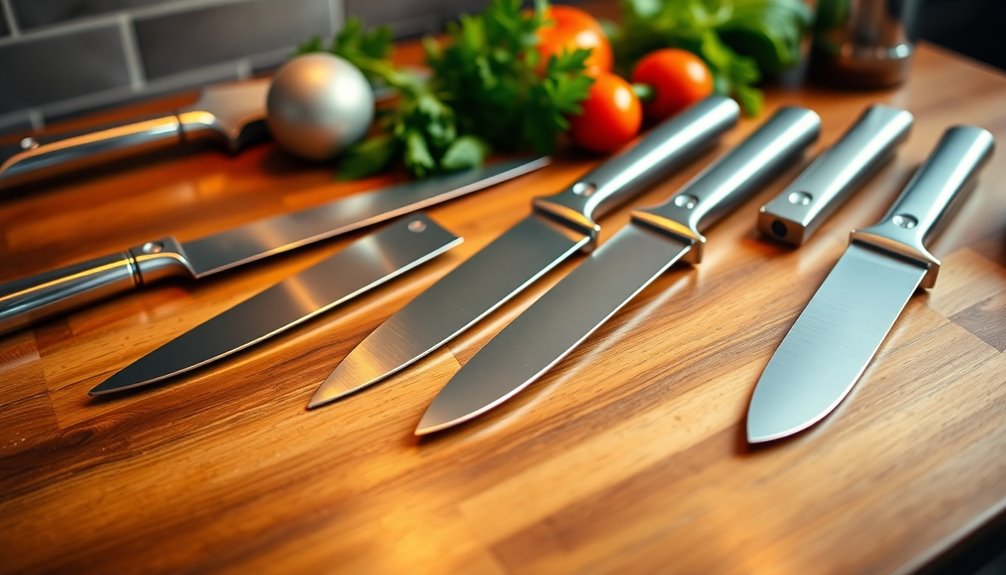
To truly assess each knife, we adopted a hands-on approach that went far beyond mere visual inspection. Our methodology involved fumbling, cutting, slicing, and dicing in a home kitchen environment over several weeks, with each knife serving as the primary tool for a full week of meal preparation. We utilized both wooden and plastic cutting boards to simulate diverse kitchen scenarios. Our vegan tester put the knives through their paces with a wide array of produce – from delicate herbs and soft tomatoes to fibrous root vegetables like carrots and potatoes, and even the tough outer layers of onions and garlic. Tasks included thin slicing, rough chopping, precise mincing, and even the blunt force required to mash garlic cloves.
To ensure a comprehensive evaluation for all home chefs, we also enlisted carnivorous friends and colleagues to test the knives on various proteins, including carving roast beef and breaking down whole chickens. This allowed us to gauge the blades’ ability to handle different textures, from tender flesh to tougher cartilage and bone. A critical insight gained from this extensive testing is that the single most important characteristic of any knife is its sharpness. Each knife in our review arrived "deadly sharp" out of the box, and we can attest to this personally – several minor nicks served as a testament to their initial keen edges. This rigorous process, though occasionally perilous, was essential to identify which chef’s knives genuinely belong in your kitchen. Learning essential knife skills and proper gripping techniques is also paramount to safely and effectively utilize these sharp instruments.
Understanding Your Essential Blade: German vs. Japanese
Chef’s knives generally fall into two broad categories, each with distinct philosophies and applications: German and Japanese Santoku. Both styles offer unique advantages, and many kitchens might benefit from having one of each to tackle different culinary demands.
-
German Knives: Characterized by a more pronounced curve in the blade, German chef’s knives are designed for a "rocking" motion. This technique involves keeping the tip of the blade on the cutting board while lifting and lowering the heel, making them incredibly efficient for rapid chopping of herbs, vegetables, and even de-boning poultry. They typically feature thicker, heavier blades made from softer steel (lower HRC), which makes them more durable, less prone to chipping, and easier to re-sharpen with a honing rod. Their utilitarian robustness makes them versatile workhorses for heavy-duty tasks.
-
Japanese Santoku Knives: In contrast, Japanese Santoku knives (meaning "three virtues" – slicing, dicing, and mincing) typically boast a straighter blade profile with a "sheep’s foot" tip, optimized for a straight up-and-down "tap-chopping" motion. Their blades are often thinner and made from harder steel (higher HRC), allowing for incredibly precise, razor-sharp cuts and superior edge retention. This makes them ideal for delicate tasks, fine slicing, and intricate vegetable preparation. However, the trade-off for this hardness and precision is that they can be more brittle and susceptible to chipping if mishandled or used on bone.
The Science of Steel: Carbon vs. Stainless
The material composition of a knife blade significantly impacts its performance and maintenance requirements. Most modern chef’s knives are crafted from either carbon steel or stainless steel, or a hybrid of both.
-
Stainless Steel: This material is an alloy of iron, chromium, and other elements. The chromium content (typically 10.5% or more) provides excellent resistance to rust and corrosion, making stainless steel knives relatively low-maintenance. They can hold a razor-sharp edge for a respectable period and are generally more flexible than carbon steel, offering better impact absorption. However, their hardness can make them more challenging and time-consuming to re-sharpen effectively without specialized tools or professional assistance.
-
Carbon Steel: Blades made from carbon steel have a higher carbon content, resulting in a very hard steel that can achieve and maintain an incredibly sharp edge. Many professional chefs prefer carbon steel for its superior edge retention and the ease with which it can be re-sharpened, often to a finer edge than stainless steel. The drawback is their sensitivity to moisture and acidic foods; carbon steel knives are prone to rust and discoloration if not meticulously cleaned and dried immediately after use. They also develop a unique patina over time, which some chefs appreciate.
The Rockwell Hardness Scale (HRC): What It Means for Your Knife
The hardness of a knife blade is quantified using the Rockwell Hardness Scale, specifically HRC (Rockwell C scale). This measurement indicates the steel’s resistance to indentation, with a higher HRC value signifying harder steel. Generally, harder steel translates to better edge retention and the ability to achieve a sharper edge, but it can also mean greater brittleness. Understanding a knife’s HRC helps in predicting its performance and maintenance needs.
Our Favorites: The Best Chef’s Knives of 2025
After extensive testing, two knives consistently outperformed the rest, earning their place as our top recommendations for 2025, each catering to slightly different preferences:
-
The Apex Blade 8-Inch German Chef’s Knife (Approx. $180): This knife embodies the pinnacle of German engineering. Its substantial yet perfectly balanced design immediately instills confidence. Crafted from a proprietary German high-carbon stainless steel, its blade boasts exceptional edge retention and remarkable durability. The ergonomically designed handle, made from a premium composite material, offers a secure and comfortable grip, even when wet or greasy. We found its sweeping curve ideal for effortlessly executing a rocking chop, making quick work of everything from dense root vegetables to delicate herbs. Food release was consistently good, and its robust construction suggests it will be a loyal kitchen companion for years to come. For those seeking a versatile, powerful workhorse that excels in general-purpose chopping and dicing, the Apex Blade is an unparalleled choice.
-
Zen Master Santoku 7-Inch Japanese Knife (Approx. $200): For the chef who values precision, finesse, and an ultra-sharp edge, the Zen Master Santoku is a revelation. Forged from several layers of VG-10 Japanese super steel, its incredibly thin blade glides through ingredients with minimal resistance. The razor-sharp edge, combined with its flatter profile, makes it outstanding for push-cutting, fine slicing, and intricate dicing. Its lightweight feel and exquisitely balanced pakkawood handle ensure remarkable control, allowing for delicate tasks like mincing garlic or julienning vegetables with effortless grace. While its harder steel demands a bit more care, the unparalleled sharpness and precision it offers make it an indispensable tool for detailed prep work. Its minimalist aesthetic is also a beautiful addition to any kitchen.
Honorable Mentions: Quality Knives That Still Shine
While the above two represent our top choices, several other knives impressed us significantly, earning their spot as honorable mentions for their unique qualities and excellent performance in specific areas.
-
New West Knifeworks Joy Bauer 6-Inch Chef Knife for $225: This knife is undeniably a showstopper. Like our top New West Knifeworks pick, this luxurious knife is absolutely gorgeous, featuring a bold red-and-white handle that demands attention, complemented by an embossed leather sheath for storage. Created in collaboration with nutritionist and TV personality Joy Bauer, this 6-inch knife presents a Japanese Santoku-style blade. Its distinct downward curve and sturdy top slope are crafted from American-made 440C stainless steel. While its aesthetic appeal is undeniable, during testing, we observed that food tended to stick to the sides of this blade, and it exhibited more drag with starchier foods. Despite these minor performance quirks for heavier tasks, its stunning design and comfortable grip make it an excellent choice for smaller, more delicate cutting duties where style and precision converge.
-
Henckels Classic Precision 7-Inch Santoku Knife for $80: This Santoku-style knife offers remarkable value and specific utility. We found its flat blade and straight edge particularly effective for slicing and the traditional tap-chopping technique. The low point of the blade and its overall flat profile facilitate easy sliding and transport of chopped vegetables from the board. This Spanish-made knife features a German stainless steel blade with a satin finish, incorporating practical divots (Grantons) designed to reduce food sticking to the sides. While the Männkitchen Santoku model (detailed below) might offer a bit more sturdiness, this Henckels option stands out as a more affordable and lighter Santoku, making it an excellent entry-level choice for those exploring the Japanese blade style.
-
Henckels Classic 8-Inch Chef’s Knife for $70: This 8-inch, Spanish-made Henckels knife embodies the classic German-style blade, forged from German stainless steel. It immediately conveys the impression of a heavy-duty workhorse. The finely honed blade seamlessly transitions into an ergonomic triple-rivet handle. Despite its official weight of only 0.28 pounds, this knife feels more substantial than comparable Zwilling models, partly due to its robust handle. We noted that the handle, with its more severe, squared edges, was less comfortable during prolonged use compared to some other knives tested. The blade proved super sharp, making quick work of most produce. However, it wasn’t as clean a cut on denser foods like potatoes, and starchier produce tended to stick slightly more to this blade than others. Still, for its price point, it’s a reliable and durable option for everyday kitchen tasks.
-
Männkitchen 7-inch Santoku MK71S for $130: This Santoku Japanese-style knife distinguishes itself with a heavier feel than the majority of knives on this list, suggesting significant durability. Despite its size and heft, the triple-beveled handle is ergonomically designed and surprisingly comfortable to hold, ensuring excellent control. The robust handle blends seamlessly into the stainless steel blade, contributing to a sense of controlled power during use. Its lower point is particularly advantageous, facilitating quicker dicing and chopping with reduced arm/shoulder movement or exertion. The blade’s width and thickness also make it feel sturdier and simplify the transfer of chopped vegetables from the cutting board. While not necessarily our first choice for every single cutting task, we particularly appreciated its efficiency for quicker, rougher dicing and chopping of ingredients like herbs and garlic cloves.
-
Hast Selection Series Japanese Carbon Steel 8-inch Chef Knife for $79: This sleek Hast knife is a compelling offering, crafted from Japanese carbon steel sourced from the renowned steel maker Koike. It presents a lightweight and svelte profile, with an ergonomic handle that is very easy to grip initially. However, we observed that the handle could become somewhat slippery (and potentially dangerous) when wet, requiring extra caution. Overall, it doesn’t feel as heavy-duty as some other tested models, and we noticed a slight "flip-flopping" or instability when cutting more dense foods like potatoes. Conversely, it excelled at making super smooth, precise cuts on softer foods, and we felt exceptional control while mincing garlic. This knife stands out as a remarkably affordable entry point for a Japanese carbon steel chef’s knife, particularly for those who prioritize precision in delicate cutting tasks.
-
Material the 8-Inch Knife for $105: This hefty and aesthetically pleasing knife from Material quickly became a go-to large knife for bigger cutting tasks in our tests. We noted that vegetables didn’t stick to its sides as much as with other models, and it was surprisingly capable of making ultra-thin cuts with remarkable control despite its larger size. At 13.5 inches total length, it offers a robust and sturdy feel, appealing to those who prefer a larger blade. Each Material knife undergoes a meticulous hand-polishing, heat-treatment at 300 degrees Fahrenheit, and cryogenic tempering at -250 degrees, processes designed to enhance the steel’s hardness and durability. The blade is composed of sturdy Japanese high-carbon and stainless steel, paired with an oval-shaped, grippy, and matte composite handle. The full tang construction ensures the blade extends into the handle, distributing weight evenly for optimal balance. A bonus feature is the option for personalization, adding a unique touch to this already impressive tool.
-
Misen 8-Inch Chef’s Knife 2.0 for $94: This chef’s knife is constructed from Japanese high-carbon stainless steel, incorporating a high chromium content to effectively resist rust. It features a substantial blade exceeding 8 inches in length. The handle boasts an ergonomic rounded spine, providing a sturdy feel, though we found it wasn’t the grippiest or easiest to hold among the knives tested. This knife excels when longer, more precise cuts are required—we imagine it would perform admirably for scoring meats or filleting soft fish. However, we observed that ingredients tended to stick to the sides, and the sheer length of the blade sometimes led to drag, which could slow down rapid chopping tasks. Despite these minor drawbacks, its ability to deliver precise, clean cuts makes it a valuable tool for specific kitchen applications.
The Art of Sharpening and Honing: Keeping Your Edge
It cannot be stressed enough: the best knife is a sharp one. A dull knife is not only inefficient, requiring more force and making cuts less precise, but it is also significantly more dangerous. When a dull knife slips due to excessive pressure, the resulting cut is often deeper and more severe. To ensure your investment lasts, regular sharpening and honing are crucial.
-
Sharpening vs. Honing: It’s important to distinguish between these two processes. Sharpening involves removing a small amount of metal from the blade to create a new, sharp edge. This is typically needed only a few times a year for most home cooks. Honing, on the other hand, realigns the microscopic edge of the blade that has bent over time from use. A honing steel doesn’t remove metal but straightens the edge, keeping the knife performing optimally between sharpening sessions. Honing should be done frequently, perhaps before each use or every few uses.
-
Sharpening Tools: Different blade materials and shapes demand different sharpening techniques. For carbon steel and many stainless steel blades, whetstones (or water stones) are highly recommended. They offer precision and control, though they require a bit of practice to master the correct angle (typically 15 to 20 degrees). Former chef and WIRED reviewer Scott Gilbertson praises Shapton stones for their effectiveness. While popular, pull-through sharpeners are generally not recommended by serious chefs. Although easy and quick to use, they can remove too much metal from the blade over time, weakening its durability and potentially altering the blade’s geometry.
Dispelling a Myth: Why You Don’t Need a Knife Set
Despite aggressive marketing, a large knife set is usually not a wise investment. For most home cooks, the reality is that you only need a few high-quality, versatile knives. An 8-inch chef’s knife will handle the vast majority of kitchen tasks. For smaller hands or more delicate work, a good paring knife is invaluable. A serrated knife is also a must-have for slicing bread, tomatoes, and other items with tough exteriors and soft interiors.
Knife sets often cost double or triple the price of buying these essential knives individually, and many of the knives within a set will rarely, if ever, be used. Furthermore, the bulky wooden storage blocks that accompany sets consume valuable counter space, a precious commodity in many kitchens. Save your money and counter space by investing in one or two excellent chef’s knives and perhaps a paring and serrated knife, rather than a sprawling, underutilized set.
Beyond the Cut: Proper Knife Care and Storage
To maximize the lifespan and performance of your chef’s knives, proper care and storage are essential:
- Handwash Only: Never put your good knives in the dishwasher. The harsh detergents, high heat, and jostling can dull the blade, damage the handle, and lead to rust. Handwash immediately after use with warm, soapy water.
- Immediate Drying: After washing, dry your knife thoroughly with a soft cloth. Leaving it to air dry, especially carbon steel, can lead to water spots or rust.
- Safe Storage: Proper storage protects both the blade and your hands. Options include:
- Magnetic Strips: A popular choice for displaying knives and keeping them easily accessible. Ensure they are placed high enough to prevent accidental grabs.
- In-Drawer Organizers/Blade Guards: For keeping knives safe in drawers and preventing them from knocking against other utensils, which can dull the edge.
- Knife Blocks: If you do have a small collection, a well-designed block can store them safely.
Choosing the best chef’s knife is a personal journey, influenced by your cooking style, hand size, and budget. Our extensive testing for 2025 aims to guide you toward an informed decision, ensuring that your next culinary companion is a tool that brings joy and efficiency to every meal you prepare. Invest wisely, care for your blade, and savor the art of cooking with the perfect knife in hand.