7 Best OLED TVs (2025): Sony, LG, Samsung, and More
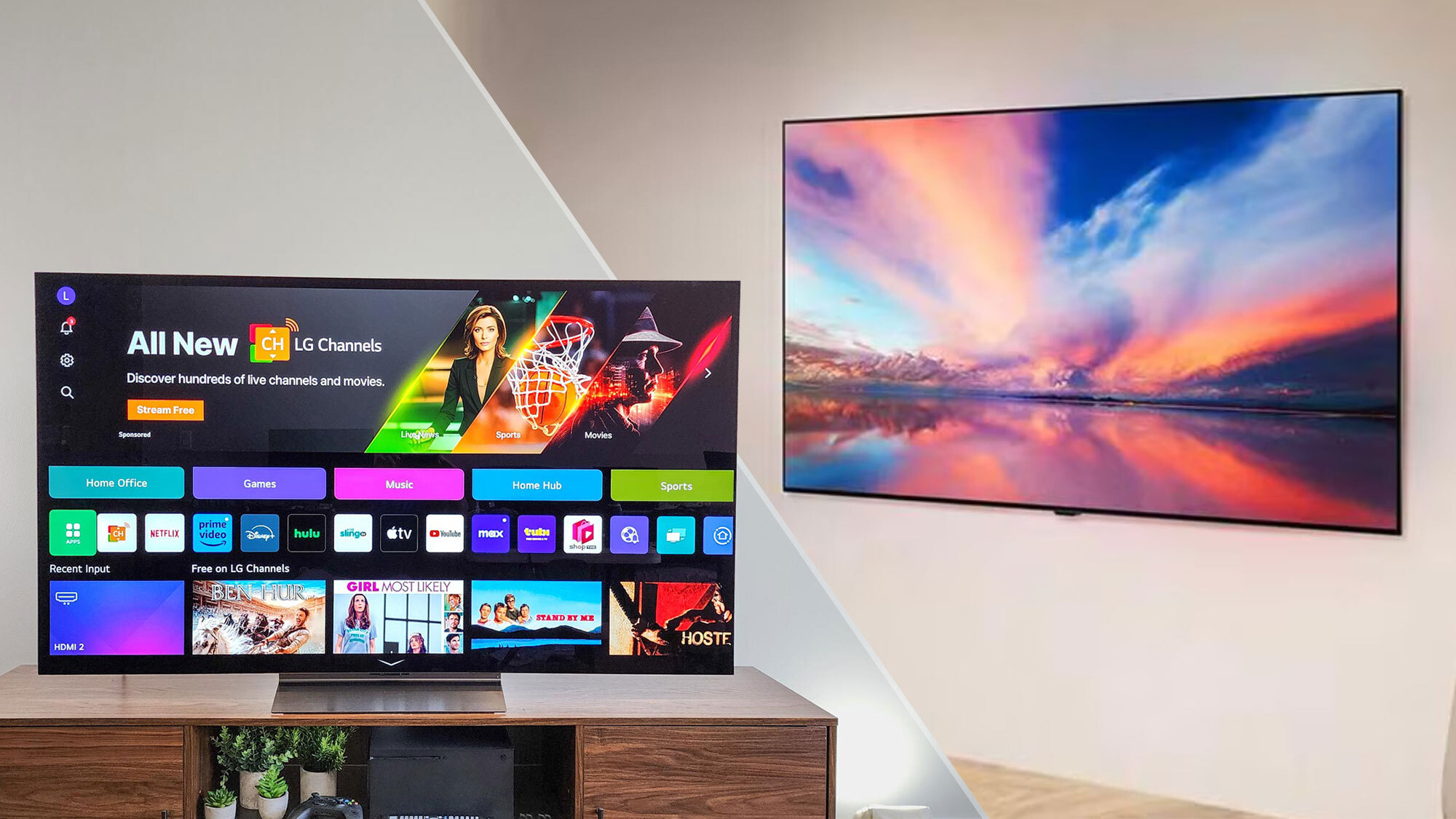
Looking to step up to the TV big leagues? These are the best OLED TVs you can buy, representing the pinnacle of home entertainment technology in 2025. OLED, or Organic Light Emitting Diode, stands as the unrivaled screen technology, delivering a picture quality that verges on the magical. Imagine a canvas of perfect, inky black, where each of its millions of tiny pixels is independently controlled, creating images that appear with breathtaking realism and depth, as if emerging from the void itself. This isn’t just a fantasy; it’s the reality of modern OLED, a technology that continuously defies expectations for brightness, color richness, and refresh rates, elevating every piece of content you watch or play.
Leading display manufacturers like LG, Samsung, and Sony have pushed the boundaries of what OLED can achieve. For 2025, we’re seeing advancements that deliver even brighter highlights, a wider and more natural color gamut, and refresh rates that make motion buttery smooth, whether you’re watching a cinematic masterpiece or engaging in competitive gaming. While OLED TVs aren’t budget buys, their luxury has become increasingly accessible over the past few years. They represent an investment in an unparalleled home theater experience, a payoff that serious enthusiasts will deeply appreciate. Our curated list comes from countless hours of meticulous testing, ensuring we bring you only the best of the best, ready to dazzle your senses. For further guidance, explore our guides on the Best TVs, Best Soundbars, Best Streaming Devices, and How to Choose the Right TV. This updated list for November 2025 includes the latest models, reflecting updated pricing and the most recent testing insights, including the impressive Panasonic Z95B.

The OLED Advantage in 2025
The fundamental difference between OLED and other display technologies lies in its emissive nature. Unlike traditional LED TVs that rely on a backlight panel and a liquid crystal display (LCD) to filter light, OLED pixels generate their own light. This self-emissive capability means each pixel can be individually turned on or off, achieving absolute black levels and near-infinite contrast ratios that no backlit display can truly match. When a pixel is off, it is truly black, without any light bleed or "blooming" that can plague even the best Mini-LED TVs. This results in stunning visual depth, incredible detail in shadows, and highlights that pop with intense vibrancy.
For 2025, OLED technology has matured even further. We’re seeing the widespread adoption of technologies like Micro Lens Array (MLA) and third-generation Quantum Dot OLED (QD-OLED) panels. MLA boosts brightness by redirecting internally reflected light outwards, while QD-OLED combines the perfect blacks of OLED with the enhanced color volume and brightness of quantum dots. These innovations translate to a more dynamic picture, even in brightly lit rooms, without sacrificing the core strengths of OLED. Furthermore, AI-powered processors are becoming more sophisticated, intelligently upscaling lower-resolution content, enhancing motion clarity, and optimizing HDR performance to deliver breathtaking visuals that are true to the creator’s intent.
The 7 Best OLED TVs of 2025
Here are our top picks for the best OLED TVs you can buy in 2025, each excelling in its own right:
-
LG C5 OLED: The Best All-Rounder for Most People
The LG C-series has been a perennial favorite, and the 2025 C5 continues this legacy as the quintessential OLED for a wide audience. Building on the success of its predecessors, the C5 offers a slightly enhanced MLA panel, pushing peak brightness further while maintaining LG’s renowned color accuracy and wide viewing angles. Powered by the new Alpha 10 Gen AI Processor, it boasts advanced picture and sound optimization, delivering incredibly sharp 4K upscaling and dynamic tone mapping. For gamers, its four HDMI 2.1 ports support 4K at 144Hz, VRR, and ALLM, making it a future-proof choice. Its refined webOS smart platform is intuitive and fast, offering seamless access to all your streaming services. The LG C5 strikes an exceptional balance between performance, features, and price, making it our top recommendation for most users. -
LG G5 OLED: The Pinnacle of Dazzling Contrast and Design
If you’re seeking the absolute best LG has to offer, the G5 OLED is it. This TV pushes the boundaries of brightness and contrast with its advanced MLA 3.0 panel, achieving stunning peak luminance that rivals even some QD-OLEDs, while preserving OLED’s signature perfect blacks. Designed with a sleek, gallery-style aesthetic, the G5 is meant to be wall-mounted flush, becoming a seamless part of your living space. Its integrated speaker system, often enhanced with LG’s AI Sound Pro, delivers a surprisingly robust and immersive audio experience. The Alpha 10 Gen AI Processor works overtime here, ensuring every pixel is perfectly rendered, creating images with incredible depth, vibrant colors, and smooth motion. The G5 is for those who demand uncompromising performance and a television that doubles as a piece of art. -
Samsung S95F QD-OLED: Unrivaled Color Volume and Brightness for Any Room
Samsung’s QD-OLED technology has been a game-changer, and the S95F for 2025 takes it to new heights. Utilizing a third-generation QD-OLED panel, the S95F delivers a breathtaking combination of OLED’s perfect blacks with the expanded color volume and exceptional brightness of quantum dots. This results in colors that are incredibly pure, saturated, and lifelike, especially in bright scenes, without any of the color desaturation sometimes seen in traditional OLEDs at high brightness levels. Its anti-glare screen technology makes it an excellent choice for rooms with ample ambient light, truly living up to its "Best for Any Room" moniker. The S95F also features Samsung’s Tizen OS with an intuitive Gaming Hub, offering incredibly low input lag and a full suite of gaming features, making it a dream for both cinephiles and serious gamers. -
LG B5 OLED: The Best Budget OLED
For those looking to enter the world of OLED without breaking the bank, the LG B5 OLED offers remarkable value in 2025. While it may not boast the absolute peak brightness of its C-series or G-series siblings, the B5 still delivers the fundamental OLED advantages: perfect blacks, infinite contrast, and excellent viewing angles. It typically features a slightly less powerful processor, such as an Alpha 9 Gen AI Processor, which still provides excellent upscaling and motion handling for most content. With 4K 120Hz support and VRR on its HDMI 2.1 ports, it remains a fantastic option for gaming. The B5 is a testament to how far OLED technology has come, offering a truly premium picture experience at a significantly more approachable price point, making it the smart choice for budget-conscious enthusiasts. -
Samsung S90F QD-OLED: Best Value QD-OLED
The Samsung S90F, following up on the subtly fabulous S90D, carves out a niche as the best value QD-OLED TV in 2025. Positioned just below the flagship S95F, the S90F offers much of the same stunning QD-OLED picture quality, including vibrant colors and exceptional contrast, but at a more competitive price point. While it might feature a slightly less advanced cooling system or a marginal difference in peak brightness compared to its premium sibling, the core QD-OLED panel technology ensures a visual experience far superior to most conventional OLEDs. Its Tizen smart platform is responsive, and its gaming features are robust, making it an outstanding choice for those who crave the QD-OLED experience without the top-tier price tag. We are currently undergoing long-term testing of this model, integrating it as the centerpiece of our living room for several weeks to thoroughly evaluate its real-world performance. -
Sony Bravia 8 II OLED: For the Cinephile’s Vision and Accuracy
Sony has long been revered for its unparalleled picture processing, and the 2025 Bravia 8 II OLED continues this tradition. Succeeding the impressive A95L and the inferred Bravia 8, this model is engineered for cinematic purists. Powered by Sony’s Cognitive Processor XR, the Bravia 8 II meticulously analyzes and enhances every element of the picture, from color and contrast to clarity and motion, to replicate how the human brain processes images. This results in an incredibly natural, accurate, and deeply immersive picture. While its QD-OLED panel may not always reach the same peak brightness as Samsung’s S95F, Sony’s processing ensures every detail and shade is rendered with exquisite precision. Its integrated Acoustic Surface Audio+ technology, where the screen itself acts as a speaker, creates a unique and highly immersive soundstage that perfectly complements its stunning visuals. Running on Google TV, it offers a smart and user-friendly interface. -
Panasonic Z95B OLED: The European Reference Standard
Often considered the gold standard for picture accuracy and cinematic fidelity, Panasonic’s 2025 Z95B OLED (primarily available in Europe and select other markets) is a true marvel. Featuring a custom Master OLED Ultimate panel, often incorporating advanced MLA technology, and driven by Panasonic’s HCX Pro AI Processor, the Z95B delivers an image that is exceptionally true to source. Panasonic collaborates closely with Hollywood colorists, ensuring out-of-the-box color accuracy that few rivals can match. This TV is designed for discerning viewers who prioritize absolute fidelity to the director’s vision. Beyond its stunning picture, the Z95B often integrates a powerful and well-tuned sound system, further enhancing the immersive experience. For those who prioritize cinematic authenticity above all else, the Z95B remains an ultimate reference display.
Honorable Mention
While our top seven represent the absolute cutting edge for 2025, every OLED we’ve tested is a great TV. Older models, especially during sales events, are often well worth considering before you hit the Buy button.
- Sony A95L (2023 Flagship): Sony’s 2023 flagship A95L, while not as bright as the latest crop of top-tier 2025 OLEDs, remains an absolute dazzler. It boasts fantastic colors, excellent contrast, and Sony’s thrilling picture processing, which is nearly as eye-popping as the newer Bravia 8 II. The best part is that you can often find this TV on sale for significantly less than its 2025 replacement, making it a rare Sony bargain buy while stock lasts, which is going fast. Its QD-OLED panel still delivers an outstanding experience.
How We Test OLED TVs
Our meticulous testing process is designed to push each OLED TV to its limits, evaluating every aspect of its performance in controlled environments and real-world scenarios. We begin with professional calibration tools, including colorimeters and spectroradiometers, to measure key metrics like peak brightness (in nits), color gamut coverage (DCI-P3 and Rec.2020), color accuracy (Delta E values), and grayscale tracking. We assess contrast ratios and black levels using various test patterns.
Beyond raw numbers, we spend countless hours with diverse content: 4K HDR movies from streaming services and UHD Blu-ray, live sports broadcasts, standard definition content to evaluate upscaling, and a wide array of video games. We pay close attention to motion handling, looking for judder, stutter, and blur. For gaming, we test input lag, VRR performance across different consoles (Xbox Series X, PlayStation 5), and how well the TV handles high refresh rates. We also evaluate the smart TV platform’s responsiveness, ease of navigation, app availability, and voice assistant integration. Sound quality, design aesthetics, build quality, and connectivity options (number and type of HDMI 2.1 ports, USB, eARC) are also crucial factors in our comprehensive assessment, ensuring we recommend only the best for your investment.
OLED vs. QLED in 2025: A Refined Perspective
The debate between OLED and QLED continues to evolve in 2025, with both technologies making significant strides. QLED TVs, particularly those incorporating Mini-LED backlighting and advanced quantum dot layers, excel in sheer brightness. They can often achieve higher peak luminance levels than even the brightest OLEDs, leading to incredibly impactful HDR highlights and vibrant colors that pop, especially in well-lit rooms. Many budget-forward QLED models from brands like Hisense and TCL can indeed outshine some of the pricier OLEDs in terms of raw brightness. However, this extra brightness can sometimes lead to an over-brightened image if not carefully managed, as most video content is mastered to a peak brightness of around 1,000 nits.
Modern OLEDs, on the other hand, have closed the brightness gap significantly with innovations like MLA and QD-OLED panels. These technologies deliver impressive peak brightness while retaining the inherent advantages of OLED: perfect black levels, near-infinite contrast, and superior viewing angles. The pixel-level control of OLED ensures that highlights appear with unparalleled precision, without any light blooming into dark areas. While QLED has improved its local dimming capabilities, it still cannot match OLED’s individual pixel control. Ultimately, the choice often comes down to preference: QLED for maximum brightness and impact, or OLED for the most balanced, nuanced, and precise picture quality with unparalleled depth and realism.
The Burn-In Question: A Diminishing Concern
In its early years, OLED technology faced scrutiny over the potential for "burn-in" or permanent image retention, due to the organic compounds used in the pixels degrading at different rates over time, particularly with static images displayed for extended periods. However, for 2025, this concern has largely diminished for the vast majority of users.
Modern OLED TVs incorporate a suite of advanced features designed to mitigate burn-in risk. These include pixel shifting, which subtly moves the entire image by a few pixels periodically; logo luminance adjustment, which automatically dims static logos; screen savers that activate after short periods of inactivity; and pixel refresh cycles that run automatically to maintain uniform pixel performance. While burn-in remains a mild theoretical concern, it is primarily relevant only for extremely high-volume users, such as professional gamers who might leave a static HUD element on screen for multiple hours a day, every day, for months on end. Even in such rare cases, image retention is often temporary. For the average viewer enjoying movies, TV shows, and casual gaming, OLED burn-in is genuinely not something to worry about.
For more detailed information about television technology, from quantum dots to 4K UHD, consult our guides on How to Choose the Right TV, How to Setup Your New TV, and HDR, or visit the "Helpful Definitions" section in our Best TVs guide.
Power up with unlimited access to WIRED. Get best-in-class reporting and exclusive subscriber content that’s too important to ignore. Subscribe Today.
Ryan Waniata is a staff writer, editor, video host, and product reviewer for WIRED with over 10 years of experience in A/V. He has previously published at sites including Digital Trends, Reviewed, Business Insider, Review Geek, and others. He’s evaluated everything from TVs and soundbars to smart gadgets and wearables, always seeking to provide insightful, hands-on analysis for consumers.