Pentagon Says It’s Investigating Sen. Mark Kelly For Breach of Military Law After Video That Urged Defying Illegal Orders
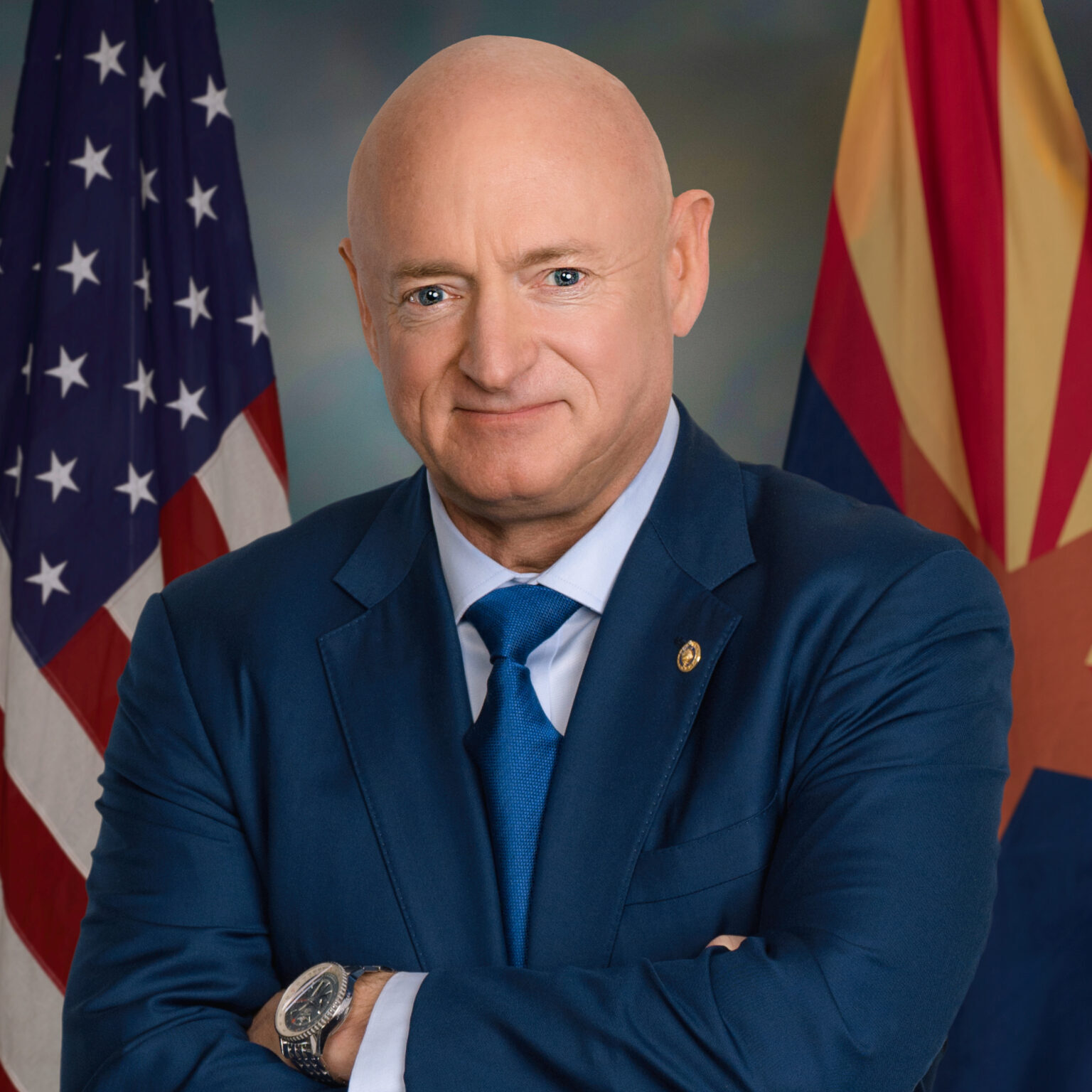
Washington – The Pentagon has formally announced an investigation into Democratic Senator Mark Kelly of Arizona, a decorated former U.S. Navy Captain and NASA astronaut, following his participation in a video that called upon service members and members of the intelligence community to "refuse illegal orders." This development has ignited a significant political and legal firestorm, drawing immediate condemnation from high-ranking defense officials and former President Donald Trump, while raising profound questions about the delicate balance between civilian oversight, military discipline, and constitutional fidelity.
The Department of Defense, through an official social media post, confirmed it had received "serious allegations of misconduct" against Senator Kelly. The Pentagon’s statement underscored the gravity of the situation, indicating that "a thorough review of these allegations has been initiated to determine further actions, which may include recall to active duty for court-martial proceedings or administrative measures." This extraordinary step against a sitting U.S. Senator and a retired military officer immediately catapulted the incident into the national spotlight, highlighting the potential for unprecedented legal and political ramifications.
Senator Kelly, upon learning of the investigation via social media, issued a robust and defiant response. "If this is meant to intimidate me and other members of Congress from doing our jobs and holding this administration accountable, it won’t work," Kelly stated on X. He added, "I’ve given too much to this country to be silenced by bullies who care more about their own power than protecting the Constitution." Kelly’s remarks framed the investigation not merely as a legal inquiry but as a politically motivated attempt to suppress dissent and accountability from the legislative branch, particularly from lawmakers with a deep understanding of military and intelligence operations.
The contentious video, released last week, featured Kelly alongside five other Democratic lawmakers, all of whom boast distinguished backgrounds as veterans or former national security officials. This group included Senator Elissa Slotkin of Michigan, Representatives Jason Crow of Colorado, Chris Deluzio and Chrissy Houlahan of Pennsylvania, and Maggie Goodlander of New Hampshire. In the video, these lawmakers collectively urged military personnel and intelligence community members to consider the legality of orders they might receive, framing their counsel as a bulwark against potential threats to the Constitution. The core message revolved around the fundamental principle of military law: service members are obligated to obey lawful orders but have a duty to disobey orders that are manifestly illegal. This distinction, while enshrined in military doctrine, often becomes a point of intense contention in politically charged environments.
The Pentagon’s basis for the investigation stems from federal laws that explicitly prohibit "actions intended to interfere with the loyalty, morale, or good order and discipline of the armed forces." The department’s post explicitly warned that violations of these statutes "will be addressed through appropriate legal channels." This reference points to the Uniform Code of Military Justice (UCMJ), which governs all U.S. military personnel, including those in a retired status who can be recalled to active duty under certain circumstances. For a retired officer like Kelly, the implications of a recall to active duty for court-martial proceedings are immense, potentially leading to dishonorable discharge, loss of benefits, and even imprisonment, depending on the specific charges and findings.
Defense Secretary Pete Hegseth weighed in forcefully on Monday, condemning the video as "despicable, reckless, and false." In a social media post, Hegseth asserted, "Encouraging our warriors to ignore the orders of their Commanders undermines every aspect of ‘good order and discipline.’ Their foolish screed sows doubt and confusion — which only puts our warriors in danger." Hegseth’s strong language underscored the military leadership’s concern that such public exhortations from former officers, particularly those in high-profile political positions, could erode the hierarchical command structure essential for military effectiveness and safety.
Hegseth further clarified the Pentagon’s jurisdictional stance, noting that while five of the six lawmakers featured in the video do not fall under the Department of Defense’s direct military jurisdiction, Senator Kelly does, "and he knows that." This distinction is critical; while other lawmakers are immune from military investigation as civilians, Kelly’s status as a retired Navy Captain means he remains subject to the UCMJ under specific conditions. "As was announced, the Department is reviewing his statements and actions, which were addressed directly to all troops while explicitly using his rank and service affiliation-lending the appearance of authority to his words," Hegseth elaborated. The Secretary concluded that "Kelly’s conduct brings discredit upon the armed forces and will be addressed appropriately," signaling the seriousness with which the Pentagon views the matter.
The investigation has unfolded against a backdrop of escalating political rhetoric, primarily fueled by former President Donald Trump. In the days preceding the Pentagon’s announcement, Trump launched a scathing attack on the lawmakers involved in the video, demanding their arrest and trial for "seditious behavior." Trump’s posts on social media platform X included incendiary remarks such as "SEDITIOUS BEHAVIOR, punishable by DEATH!" and a repost of "HANG THEM, GEORGE WASHINGTON WOULD!" These comments triggered widespread alarm and condemnation, prompting Trump to later clarify that he was "not threatening death, but I think they’re in serious trouble." Despite the clarification, the former president’s rhetoric injected an extreme and potentially dangerous element into an already tense situation, drawing historical parallels to calls for violence against political opponents.
Senator Kelly, who appeared on "Face the Nation with Margaret Brennan" on Sunday, directly addressed Trump’s inflammatory statements. He urged the former president to understand that his words "could have serious, serious consequences." Kelly emphasized the immense weight carried by a former president’s pronouncements, stating, "His words carry tremendous weight, more so than anybody else in the country, and he should be aware of that, and because of what he says, there is now increased threats against us." This concern highlights the tangible risks that can arise when political discourse veers into territory that could incite violence or threaten public officials.
The controversy surrounding Senator Kelly’s video and the subsequent Pentagon investigation delves into fundamental principles of American democracy and military law. The concept of "illegal orders" is deeply rooted in international law and the UCMJ, requiring service members to refuse orders that are manifestly unlawful, such as those commanding war crimes or acts clearly violating constitutional rights. However, the determination of an order’s legality is complex and often subject to interpretation, especially in highly politicized environments. The lawmakers in the video appear to be preemptively warning against potential future orders that they might perceive as unconstitutional or unlawful, given the broader political climate and past actions or rhetoric from the executive branch.
This unprecedented investigation of a sitting Senator and retired officer for statements made in a political context raises critical questions about freedom of speech, especially for former military personnel who transition into civilian political life. While the UCMJ aims to maintain discipline and order within the armed forces, its application to retired individuals, particularly those now serving in Congress, tests the boundaries of military jurisdiction and civilian authority. The Pentagon’s move could be seen as an attempt to assert authority over a former officer, irrespective of his current civilian role, potentially setting a significant precedent for civil-military relations and the interaction between the executive and legislative branches.
The political ramifications are equally substantial. The investigation could be perceived as a tool to silence critics of an administration or a specific political faction, particularly those with credibility derived from military service. Conversely, proponents of the investigation argue that no one, regardless of their civilian office, is above the law, especially when their actions could be construed as undermining the very fabric of military discipline. The incident is poised to become a flashpoint in ongoing debates about the role of the military in a democracy, the responsibilities of elected officials, and the boundaries of political dissent. As the investigation proceeds, all eyes will be on the Pentagon’s findings and the potential legal and political battles that are sure to follow, shaping the future landscape of civil-military relations and constitutional governance in the United States. Margaret Brennan contributed to this report.