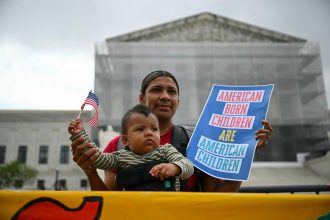
Trump says he will suspend immigration from all "Third World Countries."
President Donald Trump announced late Thursday night his intention to implement a sweeping and unprecedented suspension of immigration from what he termed "Third World Countries" to the United States. The declaration, made in a post on his social media platform, Truth Social, signaled a dramatic escalation in his administration’s already aggressive stance on immigration policy, immediately following a tragic shooting incident in Washington, D.C. Mr. Trump stated unequivocally that he "will permanently pause migration from all Third World Countries to allow the U.S. system to fully recover."
This startling declaration came on the heels of a harrowing event in downtown Washington, D.C., just blocks from the nation’s capital, where a National Guard member was killed and another critically wounded in a shooting on Wednesday. The suspect, swiftly identified as Rahmanullah Lakanwal, a 29-year-old Afghan national, was admitted to the U.S. in September 2021. His entry occurred amidst the chaotic withdrawal of U.S. troops from Afghanistan, a period that saw thousands of Afghan refugees resettled in the United States. A detail of particular political significance is that Lakanwal’s asylum case was granted earlier this year, during Mr. Trump’s current presidency, according to a Department of Homeland Security official.
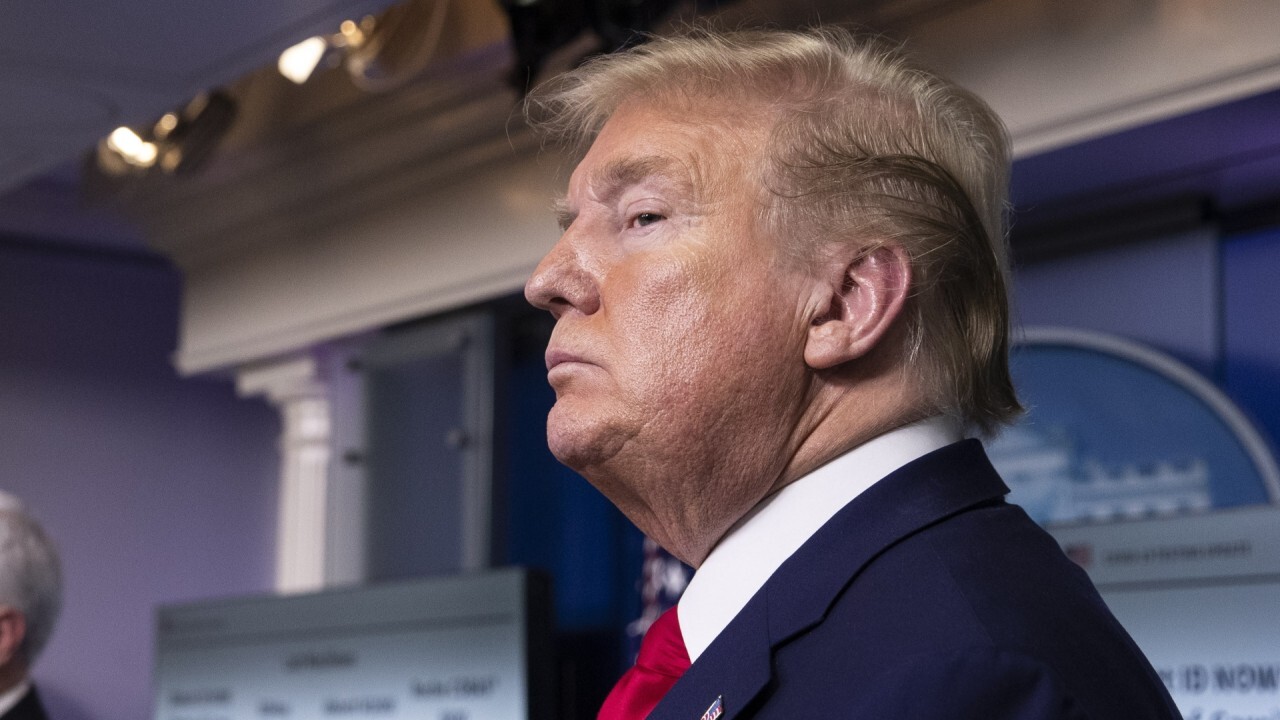
The connection between the D.C. shooting and the President’s subsequent policy pronouncement was explicit and immediate. Since the incident, the Trump administration has adopted an even more hawkish posture, vigorously asserting that current U.S. immigration policies are directly culpable for allowing individuals like the suspect into the country. The administration has vowed to overhaul these policies, framing the proposed suspension as a necessary measure for national security and systemic integrity.
However, the President’s announcement, while forceful, was notably light on specifics. He offered no immediate clarification regarding the precise timeline for when such a comprehensive pause might take effect, nor did he elaborate on the intricate mechanisms by which it would be implemented. Crucially, Mr. Trump also did not disclose which specific nations would fall under the broad and historically contentious designation of "Third World Countries." The term itself, a relic of the Cold War era, typically referred to non-aligned developing nations, but its modern usage is often seen as outdated, imprecise, and even pejorative. The lack of a clear definition immediately raised concerns about arbitrary classifications and potential diplomatic fallout. CBS News has reached out to the White House for clarification on these critical details, but as of the latest update, no further information has been provided.
Beyond the blanket suspension, President Trump outlined several other drastic measures he intends to pursue. He declared his intent to "terminate" the legal status of millions of migrants who were admitted under the previous administration of President Joe Biden. Furthermore, he vowed to "remove anyone who is not a net asset to the United States," introducing a highly subjective and potentially discriminatory criterion for continued residency. The President also stated that he would cease "Federal benefits and subsidies" for "noncitizens," a move that could have profound humanitarian and social consequences, potentially impacting access to essential services for many vulnerable individuals and families. Finally, he pledged to deport foreign nationals who are determined to be a "security risk, or non-compatible with Western Civilization." The latter phrase, "non-compatible with Western Civilization," immediately drew sharp criticism from civil liberties advocates and international observers, who warned of its potential to be used as a tool for cultural and religious discrimination.
These pronouncements, while stark, were not entirely without precedent in the days leading up to the shooting. The Trump administration had already initiated several reviews of existing immigration statuses. Earlier on Thursday, prior to the President’s Truth Social post, the administration had announced that it would conduct a "full-scale, rigorous reexamination" of all green cards for immigrants originating from 19 "countries of concern." This list included nations such as Afghanistan, Cuba, Haiti, Iran, Somalia, Libya, Sudan, Yemen, and Venezuela – countries often associated with political instability, conflict, or high rates of irregular migration. This retrospective review of permanent residency status for individuals who had already navigated the complex U.S. immigration system raised significant legal and ethical questions about due process and the finality of immigration decisions.
Also on Thursday, a spokesperson for the Department of Homeland Security confirmed to CBS News that the White House was actively reviewing all asylum cases that had been approved under the Biden administration. This move signaled a clear intent to revisit past approvals, potentially unsettling the lives of thousands who had sought and been granted protection in the U.S. These actions were foreshadowed even earlier, on November 21, when the Trump administration, through an internal memo, directed U.S. Citizenship and Immigration Services (USCIS) to review the cases of all refugees admitted under President Biden. The cumulative effect of these prior directives was to create a climate of uncertainty and fear among immigrant communities, setting the stage for the broader policy shifts announced by the President.
Delving deeper into the suspect’s background, U.S. Attorney Jeanine Pirro stated on Thursday that Rahmanullah Lakanwal had been living with his family in Bellingham, Washington, and had reportedly driven across the country to D.C. prior to the ambush attack. Following the incident, Lakanwal was shot by a National Guard member and, according to Mr. Trump, remains in serious condition. Adding a layer of complex irony to the narrative, the CIA disclosed on Thursday that Lakanwal had a history of working with the U.S. government. He was a member of a partner force in Kandahar, including collaboration with the CIA, an association that concluded in 2021 following the U.S. withdrawal from Afghanistan. This revelation highlights the intricate and often contradictory challenges inherent in post-conflict refugee resettlement, where individuals with past ties to U.S. operations may later be implicated in domestic security incidents.
The proposed "permanent pause" on immigration from "Third World Countries" would represent a radical departure from established U.S. immigration policy, which has historically been based on a complex interplay of family reunification, employment needs, humanitarian concerns, and diversity. Legal experts anticipate an immediate and robust challenge from civil rights organizations, immigrant advocacy groups, and potentially international bodies. Such challenges would likely center on constitutional grounds, arguing violations of due process and equal protection, as well as questioning the executive branch’s authority to unilaterally implement such broad and potentially discriminatory restrictions. The lack of a clear definition for "Third World Countries" further complicates the legal landscape, opening the door to accusations of arbitrary enforcement and profiling.
Economically, the implications of such a widespread immigration suspension could be significant. Immigrants often fill critical labor shortages, contribute to economic growth, and drive innovation. Halting migration from a vast segment of the world could lead to labor deficits in various sectors, depress consumer demand, and stifle economic dynamism. Furthermore, ending federal benefits for noncitizens could strain local and state resources as communities grapple with increased humanitarian needs, potentially shifting costs without addressing underlying issues.
From a humanitarian perspective, the proposed policies raise profound concerns. The threat of terminating the status of millions, removing those deemed "not a net asset," and deporting individuals based on vague criteria like "non-compatibility with Western Civilization" could lead to widespread family separations, create a massive backlog in an already overburdened legal system, and force countless individuals into precarious legal limbo. The international community is also expected to react strongly, with many allies and human rights organizations likely to condemn such measures as discriminatory and contrary to international norms on human rights and refugee protection.
In essence, President Trump’s latest announcement marks a watershed moment in U.S. immigration policy, promising a dramatic reshaping of who can enter and remain in the country. Fueled by a specific, tragic event, the proposals are broad, far-reaching, and fraught with legal, logistical, economic, and humanitarian complexities. As the nation grapples with the implications of these potential changes, the immediate future of U.S. immigration remains shrouded in uncertainty, with profound consequences for millions of individuals both within and beyond American borders.
Jennifer Jacobs, Ahmad Mukhtar, and Camilo Montoya-Galvez contributed to this report.