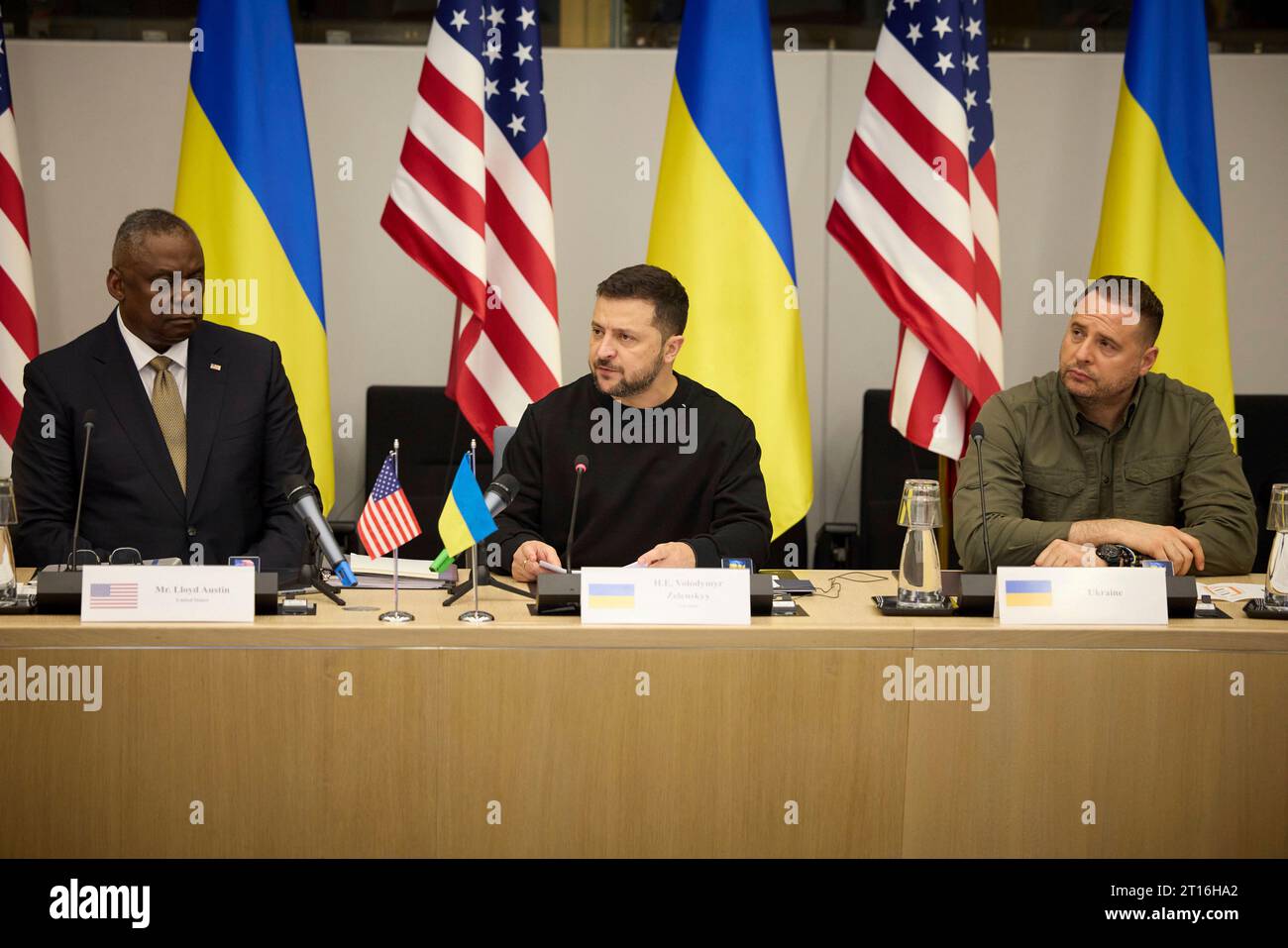
Ukrainian President Zelenskyy’s chief of staff Andriy Yermak has home raided by anti-corruption officials
In a development that has sent ripples through Ukraine’s political landscape and raised critical questions about its commitment to anti-corruption reforms amidst a protracted war, Ukrainian anti-corruption units have carried out a raid on the home and office of Andriy Yermak, President Volodymyr Zelenskyy’s influential chief of staff. This high-profile action, confirmed by two national agencies dedicated to combating deeply entrenched corruption, is part of a sweeping investigation into an alleged $100 million energy sector corruption scandal involving several top Ukrainian officials. The timing of the raid, on November 28, 2025, underscores the immense pressure on Kyiv to demonstrate accountability, even as it navigates the complexities of a nearly four-year conflict with Russia and seeks sustained Western support.
Andriy Yermak, a figure of immense power and influence within the Ukrainian government, holds a pivotal position not only in domestic affairs but also as a key participant in ongoing international diplomatic efforts. His role as chief of staff places him at the heart of decision-making, making him one of the most trusted and indispensable advisors to President Zelenskyy. At the time of the raid, Yermak was deeply involved in sensitive talks with the United States, particularly as the Trump administration intensified its push for a ceasefire to end Russia’s aggression against Ukraine. This delicate diplomatic dance, aimed at securing a viable path to peace and continued military and financial assistance, makes any shadow of corruption cast upon Yermak’s office particularly damaging.
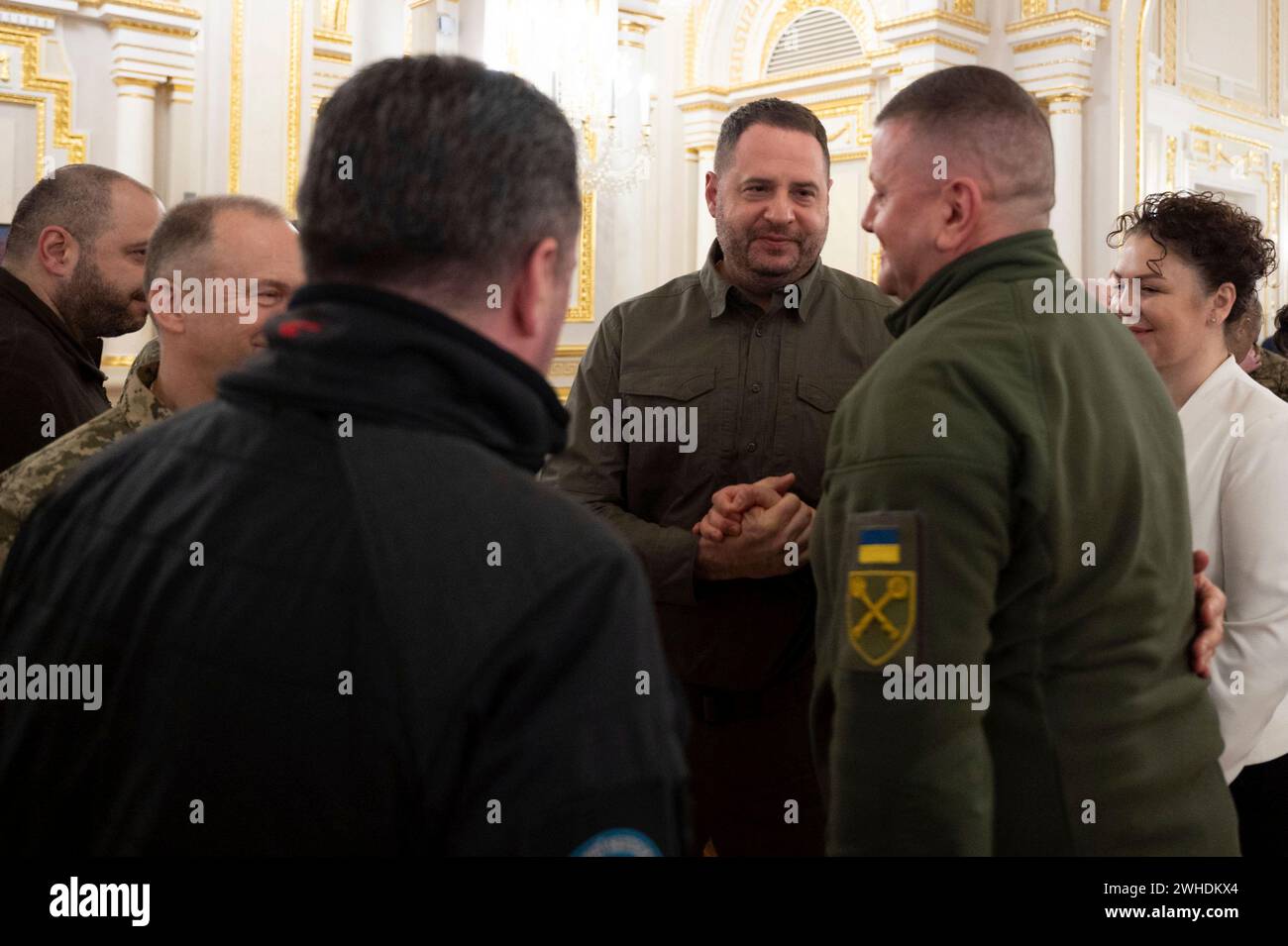
Yermak himself promptly confirmed the search of his apartment via a post on the messaging app Telegram, stating, "The investigators are facing no obstacles." He further emphasized his full cooperation with the authorities and confirmed the presence of his legal counsel during the proceedings. This immediate, public acknowledgement aims to project an image of transparency and adherence to due process, crucial for a government constantly under scrutiny from its international partners and its own populace.
The raid was conducted by the National Anti-Corruption Bureau of Ukraine (NABU) and the Specialized Anti-Corruption Prosecutor’s Office (SAPO), two independent agencies established with significant international backing to tackle systemic corruption. These watchdogs operate with a mandate to investigate and prosecute high-level corruption cases, often facing political resistance due to the powerful individuals they target. Their involvement in a case directly touching Zelenskyy’s inner circle signals a serious escalation in Ukraine’s anti-corruption drive, or at least a public display of it.
The investigation into the $100 million energy sector corruption scandal is particularly sensitive, given the critical importance of energy security and the vast sums of money involved in Ukraine’s energy infrastructure, especially during wartime. Corruption in this sector typically involves illicit schemes related to state-owned energy companies, procurement of fuel and equipment, tariff setting, and distribution networks, often siphoning off public funds through inflated contracts or kickbacks. Such activities not only drain the national budget but also undermine public trust and weaken the state’s capacity to function effectively, particularly in a period of existential threat.
Adding to the complexity surrounding Yermak, the investigation has already implicated several individuals from his immediate circle. Two of Yermak’s former deputies, Oleh Tatarov and Rostyslav Shurma, departed the government in 2024 after being investigated by these same watchdogs for alleged financial wrongdoing. While their cases are separate from the current raid on Yermak’s residence, their proximity to him highlights a pattern of scrutiny around his administrative team. A third deputy, Andrii Smyrnov, remains in Yermak’s employ despite facing an investigation for bribery and other illicit activities. The continued presence of Smyrnov in a senior position, even after being flagged by anti-corruption bodies, has fueled criticism and raised questions about the commitment to clean governance within the Presidential Office itself.
This latest scandal heaps further problems on President Zelenskyy, who is already grappling with a multitude of challenges. Foremost among these is the ongoing struggle to secure continued and robust support from Western countries for Ukraine’s war effort. Financial aid, military hardware, and diplomatic backing from allies like the United States and the European Union are contingent not only on battlefield performance but also on demonstrable progress in governance and the fight against corruption. The European Union, to which Ukraine ardently seeks membership, has explicitly made cracking down on corruption a non-negotiable condition for its integration into the bloc. Any perception of backsliding or insufficient action against high-level corruption directly jeopardizes Ukraine’s European aspirations and the vital flow of international assistance.
Internally, Zelenskyy faced an unprecedented rebellion from his own lawmakers earlier in the month, a direct consequence of investigators publishing details of the energy sector investigation. This internal dissent underscores the fragility of political unity even in wartime and the profound public anger over perceived corruption. Lawmakers, responding to constituent pressure and their own political survival instincts, expressed concerns that the scandal could erode public trust, demoralize troops, and weaken Ukraine’s international standing. Some senior figures within Zelenskyy’s party openly suggested that Yermak should take responsibility for the scandal, implying his resignation, to restore public confidence. They warned that if Zelenskyy did not dismiss his chief of staff, the ruling party could face a damaging split, potentially threatening the president’s parliamentary majority and destabilizing the government.
However, in a defiant move that showcased his unwavering trust in Yermak, or perhaps a strategic calculation about maintaining a steady hand at the helm during wartime, President Zelenskyy chose to stand by his chief of staff, rejecting calls for his dismissal. Instead, he urged Ukrainians to unite and "stop the political games" in light of the urgent need for national cohesion and the ongoing U.S. pressure to negotiate a settlement with Russia. This decision, while demonstrating loyalty, also carries significant political risk, potentially alienating parts of his own political base and reinforcing the narrative among critics that he is unwilling to hold his closest allies accountable.
This is not the first time Zelenskyy’s administration has faced significant domestic backlash over anti-corruption efforts. In July, the president encountered the first major protests against himself and his government since Russia launched its full-scale invasion. These protests were sparked by a controversial bill he signed into law, which granted Ukraine’s prosecutor general – a political appointee roughly equivalent to the U.S. attorney general – more power over the two independent anti-corruption agencies, NABU and SAPO. Critics vehemently argued that this new law was a thinly veiled act of political retribution, coming swiftly after charges were filed against his deputy, Andrii Smyrnov. The move fueled widespread concern that Ukraine could backslide into a degree of authoritarianism reminiscent of the era under former, pro-Russian President Viktor Yanukovych, who was notorious for his close ties to oligarchs and for undermining independent institutions. Such fears are particularly potent given Ukraine’s history of corruption and its hard-won democratic gains following the Maidan Revolution.
The political fallout from the Yermak raid is multifaceted. It could exacerbate tensions within Zelenskyy’s parliamentary bloc, potentially leading to further defections or a weakening of his legislative agenda. Internationally, while Ukraine’s Western partners acknowledge the difficulty of fighting corruption during wartime, they will likely view this incident as a critical test of Kyiv’s commitment to reform. Failure to prosecute high-profile cases transparently and effectively could lead to a reduction in crucial aid or a more cautious approach to Ukraine’s EU membership bid. For the Ukrainian populace, weary from war and economic hardship, corruption scandals erode morale and undermine their faith in the government’s ability to build a just and prosperous future.
Andriy Yermak’s journey to becoming Zelenskyy’s indispensable chief of staff began over 15 years ago when he, a lawyer venturing into the TV production business, first crossed paths with Zelenskyy, then a famous Ukrainian comedian and actor. Their relationship, forged in the entertainment industry, evolved into a deep political partnership. Yermak initially oversaw foreign affairs as part of Zelenskyy’s first presidential team, playing a crucial role in diplomatic outreach and international negotiations. His promotion to chief of staff in February 2020 solidified his position as the gatekeeper and primary executor of the president’s agenda. His long-standing personal and professional ties to Zelenskyy make the current investigation not just a legal challenge but a profound political and personal test for the Ukrainian president.
As the investigation unfolds, the world watches closely. The outcome will not only determine the fate of Andriy Yermak and other implicated officials but will also serve as a crucial indicator of Ukraine’s resolve to uphold democratic principles and combat corruption, even as it battles for its very existence. The integrity of its institutions and the accountability of its leaders are paramount for Ukraine to secure a lasting peace and its rightful place within the European family of nations.