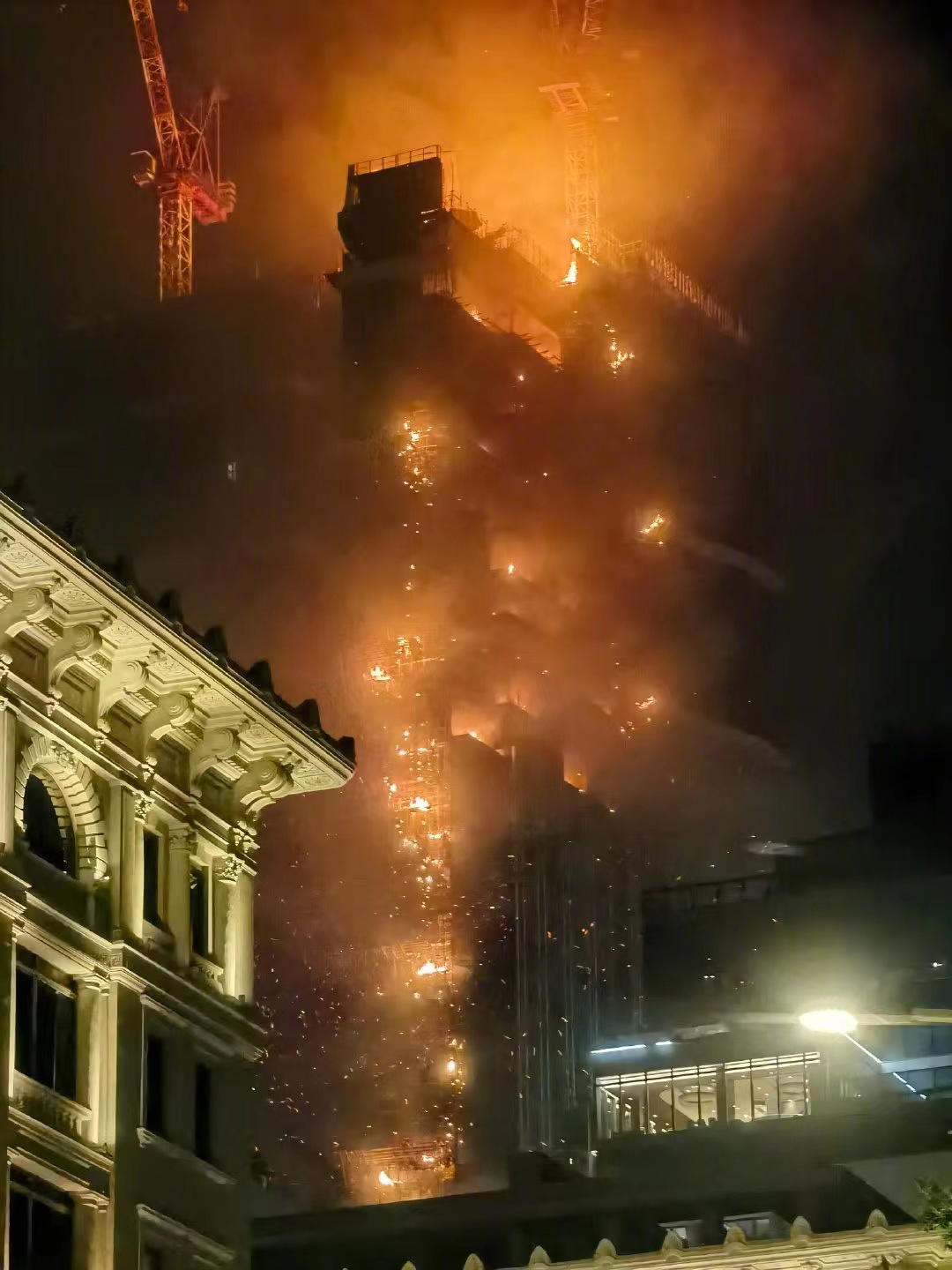
Hong Kong apartment fire death toll mounts, and China stifles criticism as safety violations are revealed.
As Hong Kong grapples with the aftermath of one of its most catastrophic urban disasters, the confirmed death toll from the Wang Fuk Court apartment complex fire climbed to a staggering 151 on Monday, December 1, 2025. The inferno, which raged for over two harrowing days, engulfed seven of the complex’s eight towering residential blocks in the Tai Po district, painting a grim picture of negligence and profound loss. Amidst the scorched remains and the city’s collective grief, an investigation has unearthed critical safety violations, particularly concerning the synthetic mesh netting used for ongoing renovations, which officials now confirm was not up to fire-safety codes. This revelation has ignited a furious public outcry, only to be met with swift and severe measures from Beijing to stifle dissent, drawing chilling parallels to past crackdowns on pro-democracy movements.
The fire, which erupted last Wednesday morning, quickly escalated from a local emergency into a national tragedy. Eyewitnesses described a terrifying scene as flames, initially believed to have started on a lower floor, rapidly ascended the building exteriors. The scaffolding, draped in non-compliant netting, acted like a wick, transforming the high-rise structures into colossal, vertical bonfires. Thick, acrid smoke billowed into the sky, visible for miles, while residents trapped within their apartments faced an impossible choice: brave the inferno or succumb to the toxic fumes. The sheer speed and intensity of the blaze overwhelmed initial firefighting efforts, forcing emergency services to call for reinforcements from across the territory. Firefighters battled the raging inferno tirelessly, often at immense personal risk, as falling debris and the structural instability of the compromised buildings presented constant dangers. Three firefighters were among the eight new bodies recovered on Monday, a testament to their bravery in the face of such overwhelming devastation.
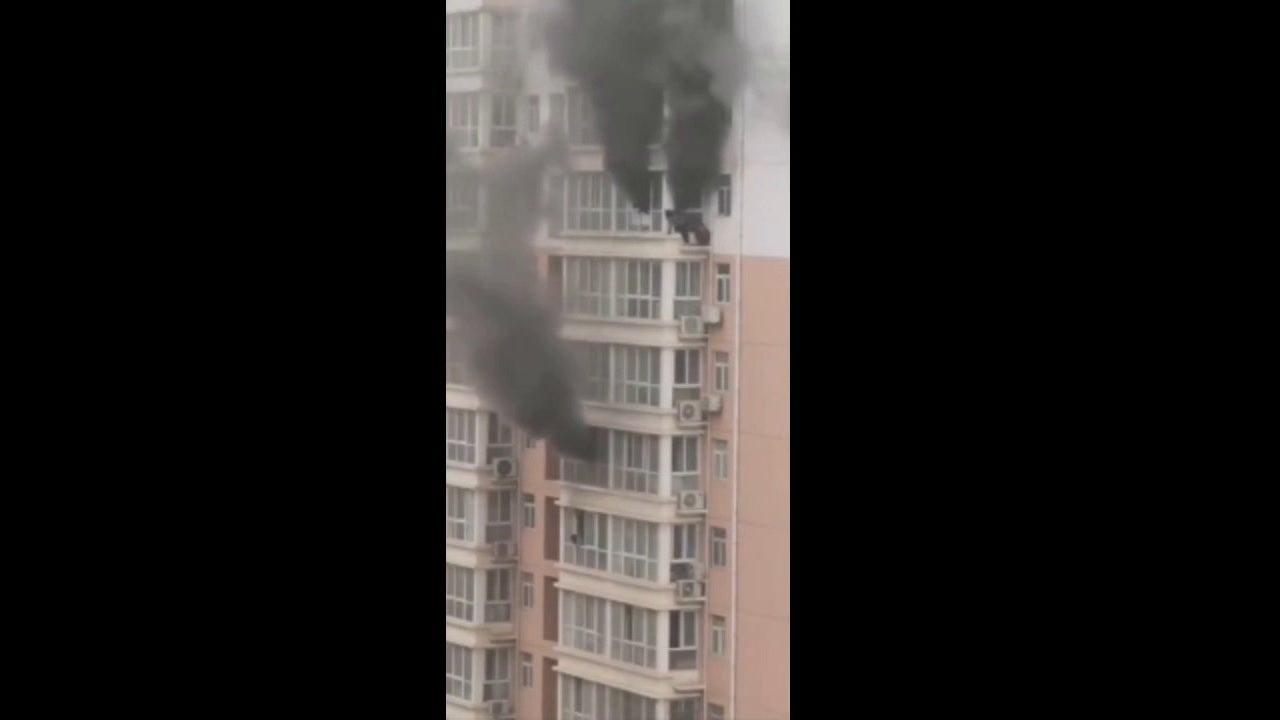
Initial tests on samples of the netting had deceptively indicated compliance with safety regulations. However, as investigators gained access to more areas, particularly the higher, more severely damaged floors, a different and far more damning picture emerged. Hong Kong Chief Secretary Eric Chan announced on Monday that seven of the 20 new samples of the synthetic mesh had unequivocally failed fire safety standards. This damning evidence strongly suggests that contractors, in a cynical pursuit of profit, opted for cheaper, highly flammable materials, compromising the safety of thousands of residents and workers. "They just wanted to make money at the expense of people’s lives," Chan stated, his voice laced with indignation, echoing the raw anger permeating the city. This blatant disregard for human life in favour of cost-cutting has become a focal point of public fury, demanding accountability from all involved parties.
The negligence extended beyond just the scaffolding materials. It had already been revealed that the fire alarm systems within the Wang Fuk Court complex were deactivated at the time of the fire, a critical lapse that robbed residents of precious minutes to escape. For months leading up to the disaster, residents had reportedly issued repeated warnings to building management and contractors about what they perceived to be hazardous materials covering the buildings during the renovation. These warnings, tragically, appear to have fallen on deaf ears, dismissed or ignored, leaving the residents vulnerable to the very catastrophe they feared. The combination of flammable external materials, non-functional fire alarms, and unheeded warnings created a perfect storm for the unprecedented loss of life and property.
The human toll of the Wang Fuk Court fire is heartbreaking. With a population of approximately 4,600 across its eight buildings, the complex was a vibrant community, home to families, children, and the elderly. Recovery teams continued their painstaking search through the seven charred blocks, navigating unstable structures and mountains of debris. Tsang Shuk-yin, head of the Hong Kong police’s casualty enquiry unit, reported that while another eight bodies were found, including the three previously located firefighters, over 30 people remained officially listed as missing. She cautioned that some of these missing individuals were likely among the nearly 40 sets of remains recovered but yet to be identified. The severity of the burns sustained by many victims meant that identification would be a prolonged and emotionally taxing process, potentially rendering some remains unidentifiable through conventional means. "We will have to wait until we get through all seven blocks before we can make a final report," Tsang emphasized, underscoring the immense challenge facing forensic teams.
The city plunged into an official mourning period, culminating on Monday, as thousands of Hong Kongers poured into Tai Po to pay their respects. The scene outside the ravaged complex became a poignant memorial, adorned with an outpouring of flowers, children’s toys, and handwritten notes. These offerings served as a collective expression of grief and solidarity, particularly for the many children and elderly residents who perished in the blaze. Police released harrowing photos from inside the buildings, depicting the final, desperate moments of residents who had tried to flee the inferno, their bodies found tragically in stairwells and on rooftops, overcome by smoke and heat. One deeply distraught man, speaking to CBS News at the scene, shared the devastating news that his sons had just identified the remains of his 66-year-old wife. His anguish was palpable, his voice trembling as he demanded answers from the government, questioning how such a disaster could have been allowed to happen.
The mounting anger and frustration within Hong Kong have not gone unnoticed by Beijing. The central government, historically sensitive to any form of public unrest, particularly in the wake of the 2019 pro-democracy protests that paralyzed the city, has swiftly moved to stifle criticism. A stern warning was issued to Hong Kongers against engaging in any protests or attempting to "disrupt" life in the city using the fire as a pretext. This directive sent a chilling message, reminding citizens of the draconian national security law imposed in the aftermath of the 2019 demonstrations, which effectively curtailed civil liberties and freedom of expression.
The impact of this political pressure was immediately evident. On Monday, three individuals were arrested under the sweeping national security law. Their lawyer confirmed that their alleged offense was initiating a petition calling for an independent inquiry into the fire. This move by authorities demonstrates Beijing’s deep concern that the tragedy could serve as a catalyst for renewed civil unrest in the previously semi-autonomous southern metropolis. The demand for an independent inquiry, a standard procedure in many democratic societies following major disasters, is perceived by Beijing as a challenge to its authority and an attempt to sow discord. The arrests signal a clear intention to control the narrative and prevent any criticism from escalating into a broader movement for accountability that could implicate the Hong Kong government, and by extension, Beijing.
As of Monday, 14 individuals had been arrested on suspicion of manslaughter in connection with the fire, with authorities indicating that further arrests were not ruled out. These arrests likely target contractors, building management personnel, and potentially regulatory officials responsible for overseeing safety standards. The investigation, a complex and multi-faceted undertaking, will involve forensic examination of the site, analysis of building plans, review of safety permits, and interviews with countless witnesses and stakeholders. The focus will be on identifying precisely where the breakdowns occurred – from the procurement of materials to the enforcement of safety regulations and the responsiveness of emergency systems.
The Wang Fuk Court fire is more than just a tragic accident; it is a profound indictment of systemic failures, regulatory oversights, and the corrosive impact of prioritizing profit over safety. The scale of the loss, both human and material, will leave an indelible scar on Hong Kong. Beyond the immediate grief and the ongoing investigations, the disaster raises critical questions about building safety standards in a densely populated city, the efficacy of regulatory enforcement, and the balance between economic development and public welfare. The stifling of criticism by Beijing further complicates the healing process, potentially preventing a full and transparent accounting of the events and hindering the necessary reforms to prevent future tragedies. As Hong Kong mourns its dead, it also confronts a future shadowed by profound questions of accountability, justice, and its diminishing freedoms. The path to recovery will be long, arduous, and fraught with political tension, as the city struggles to come to terms with an unfathomable loss and the sobering implications of a disaster that could have, and should have, been prevented.